
Audio-ready helmets have ear pads with pockets designed to accept drop-in speaker systems (like Outdoor Tech Chips or Smith Audio), but the speakers are sold separately. Built-in audio helmets come with speakers permanently installed in the ear pads. Audio-ready is more common and more flexible — you can choose your preferred audio system, replace speakers if they fail, and swap to non-audio ear pads when you don't want speakers. Built-in audio is simpler but less flexible and often has lower audio quality than aftermarket options.
Ski Helmet · Freestyle/Park Helmet
What's the difference between audio-ready and built-in audio helmets?
Related gear types
If this answer nudged you toward a different style, these guides compare specs and trade-offs.
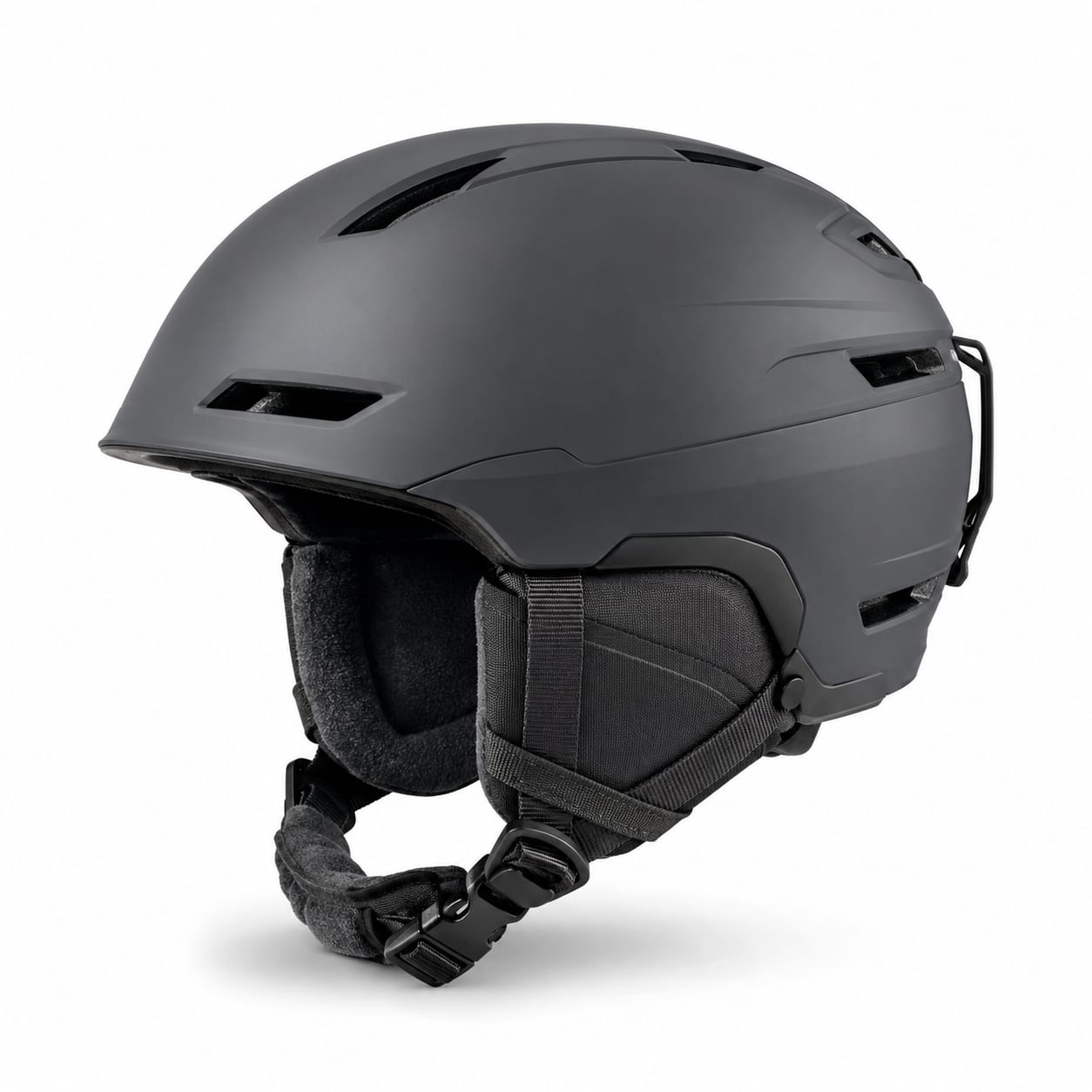
All-Mountain Ski Helmet
$60 – $280
Versatile helmets designed for general skiing across varied terrain and conditions.
Adjustable ventilationRemovable ear padsGoggle integration strap or clip
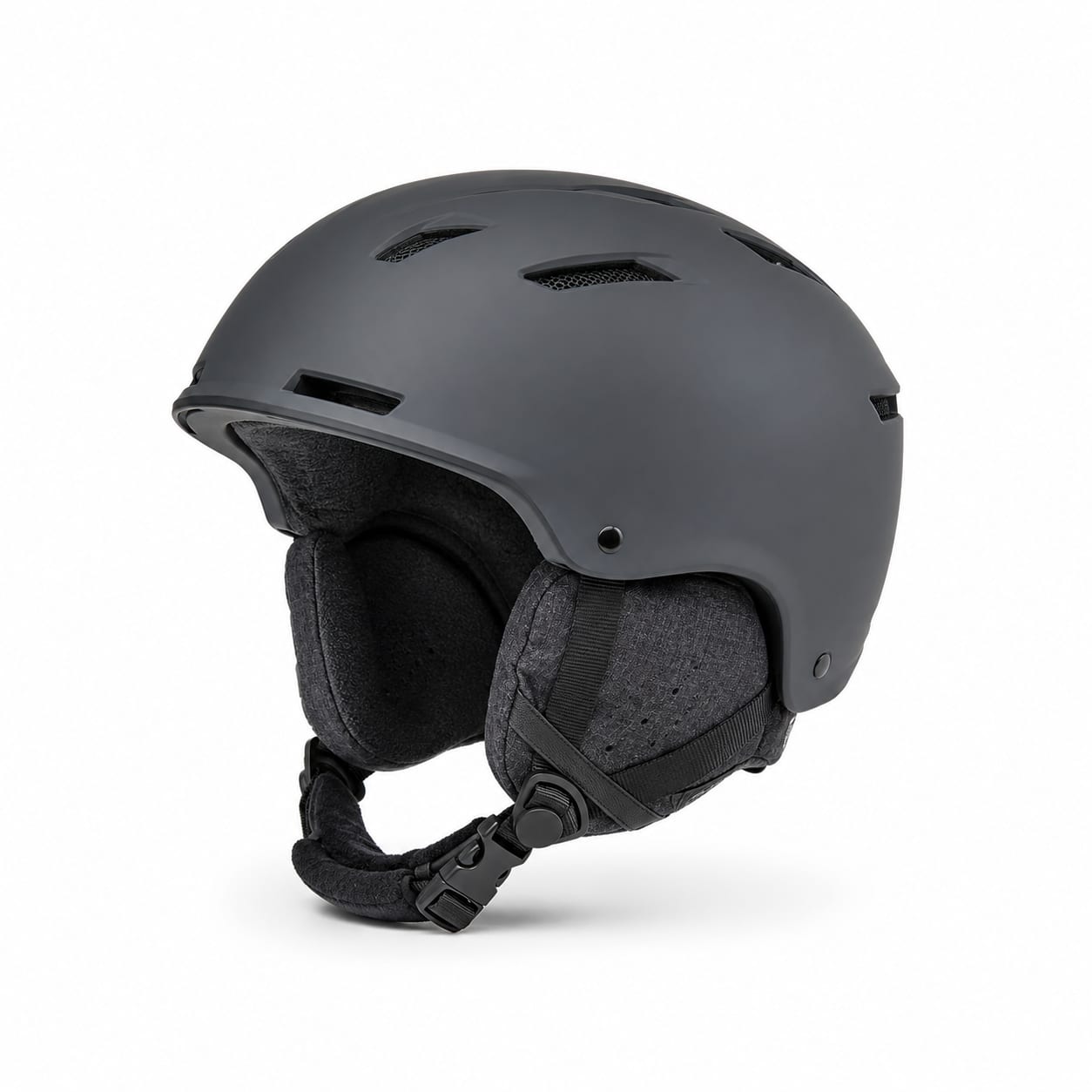
Half-Shell Ski Helmet
$50 – $250
Lightweight helmets with soft ear pads instead of hardshell ear coverage for enhanced comfort and hearing.
Soft removable ear padsLighter weight than full-shellBetter ambient hearing
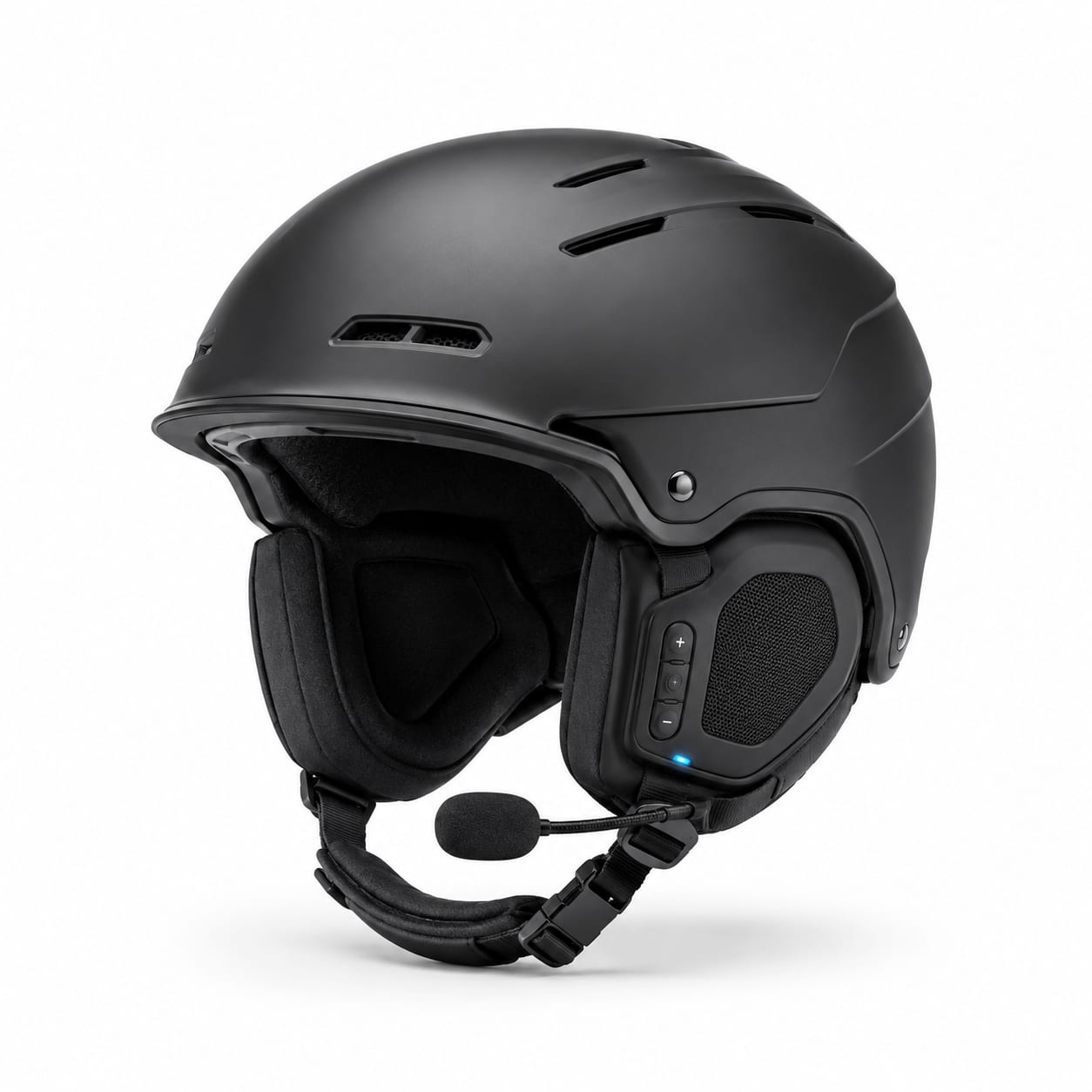
Audio-Integrated Helmet
$100 – $350
Helmets with built-in speaker systems or dedicated audio-compatible ear pads for on-slope music and communication.
Built-in speakers in ear padsBluetooth connectivityIntegrated microphone
More questions
- Can I use a freestyle ski helmet for skateboarding or BMX in the summer?
- Is CE EN1077 Class B certification safe enough for park riding?
- Do I really need MIPS in a freestyle helmet?
- Why are freestyle helmets lighter than alpine helmets?