What it means
The overall design and coverage category of the helmet, which determines the level of protection, ear coverage, and intended use environment.
Typical for this type
Freestyle
In practice
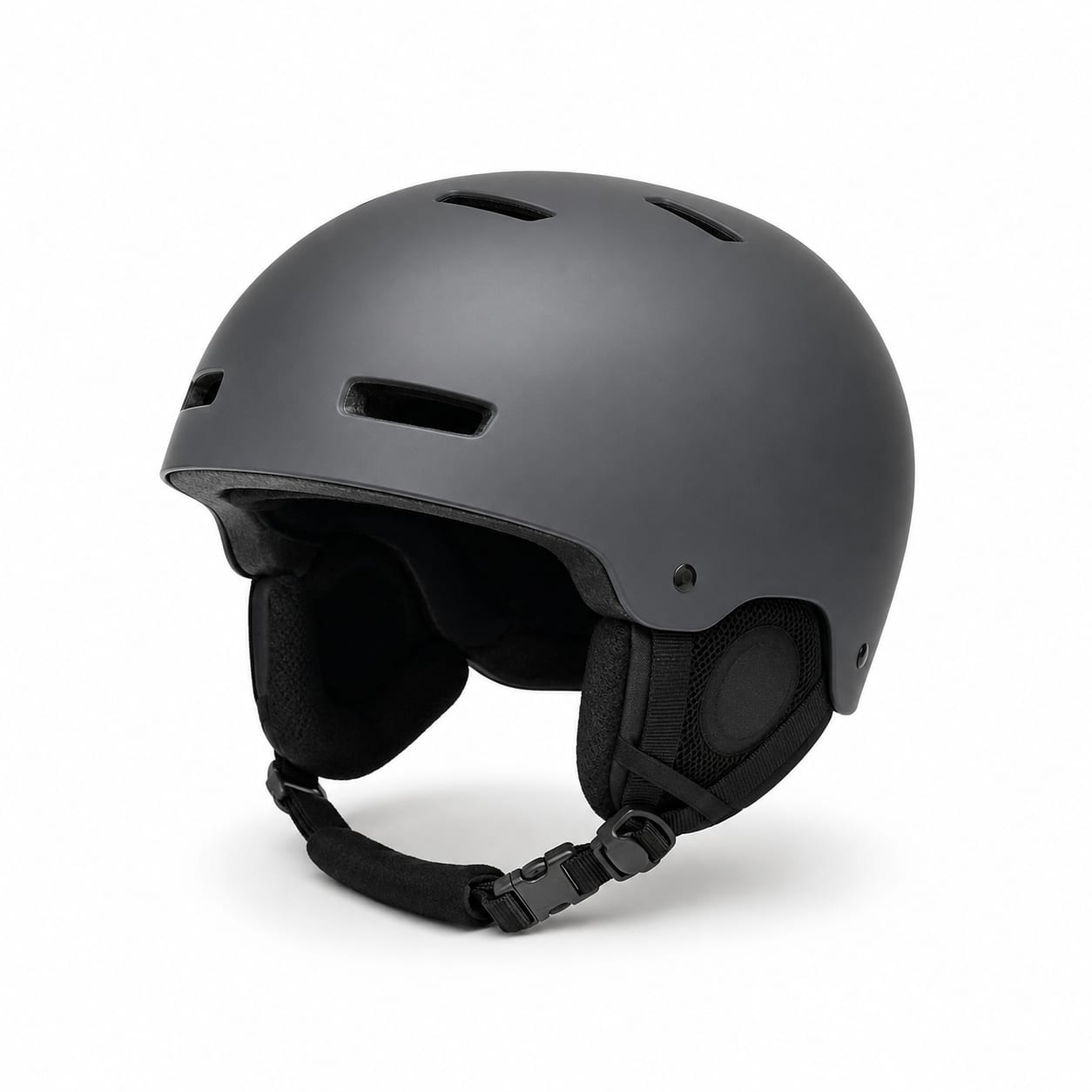
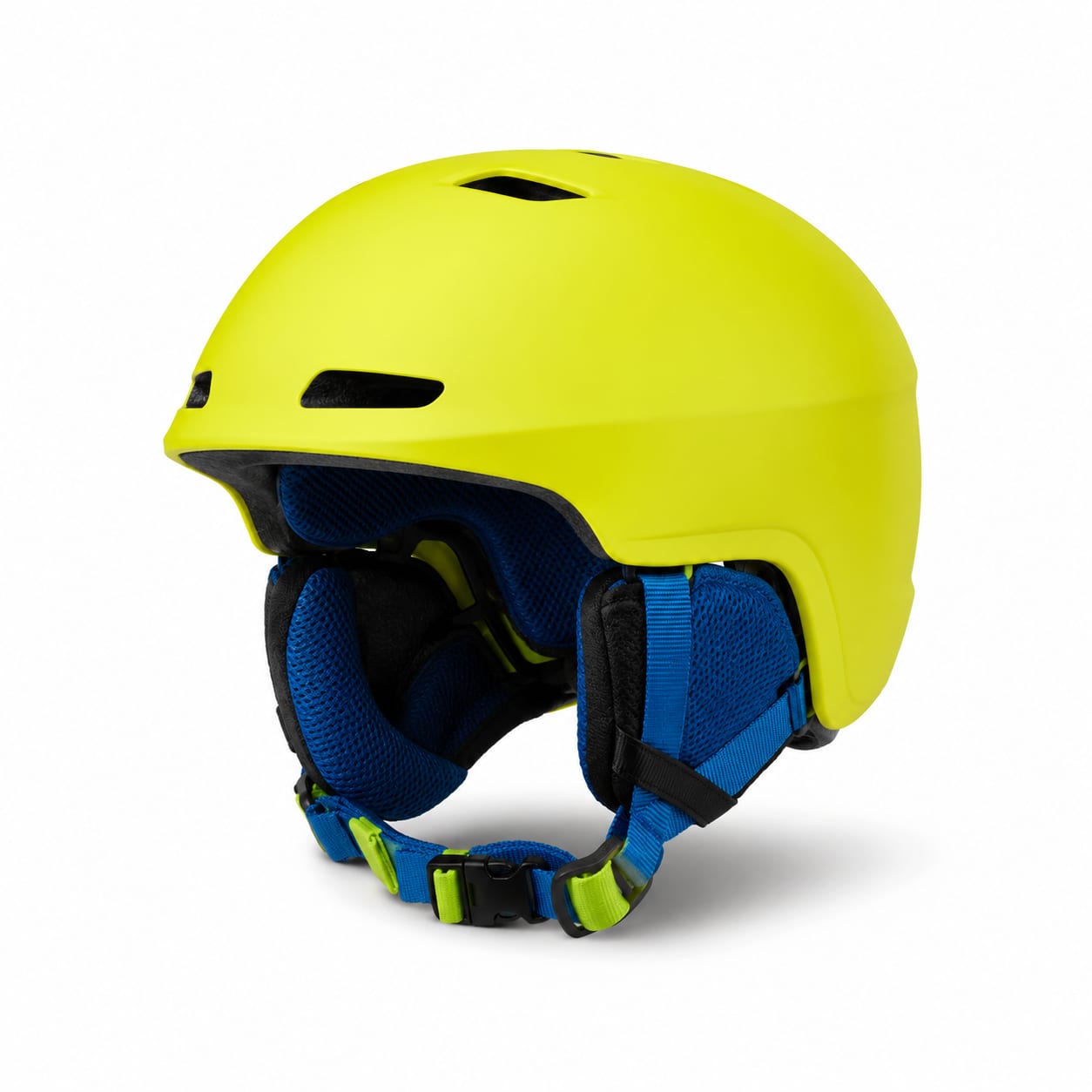
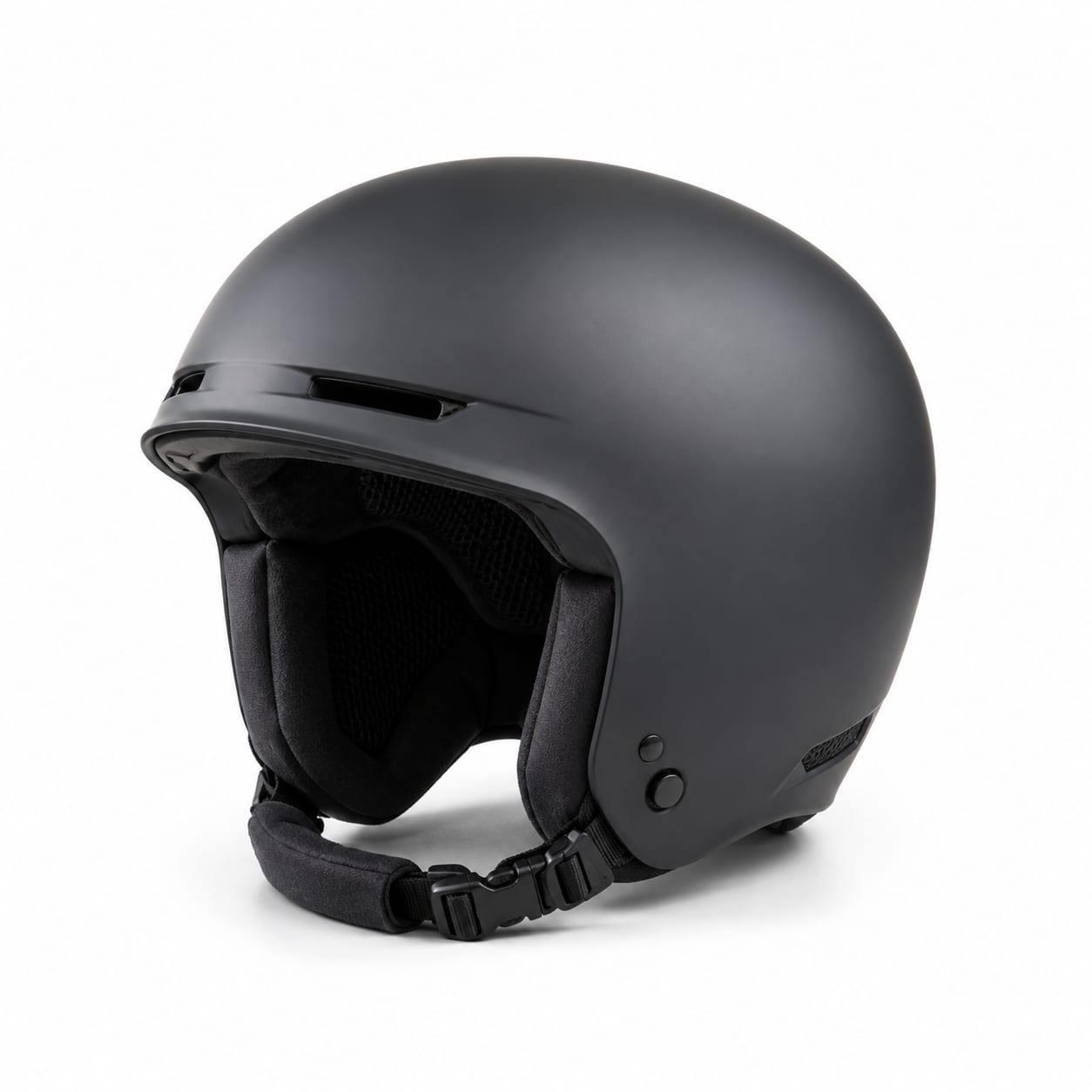
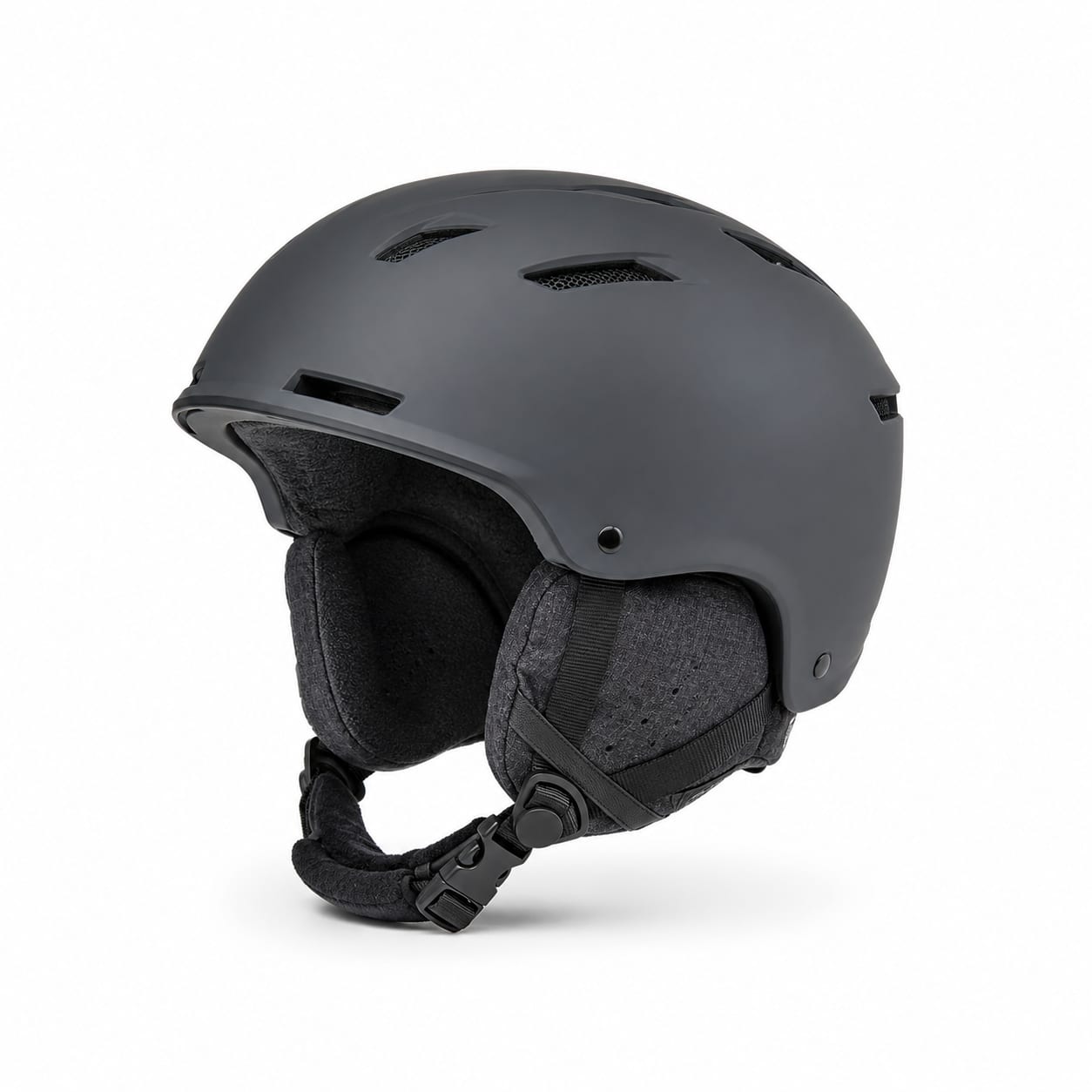
Freestyle/park helmets are defined by their freestyle style designation — low-profile half-shell design with minimal brim and skate-inspired aesthetics.
Compared to other types
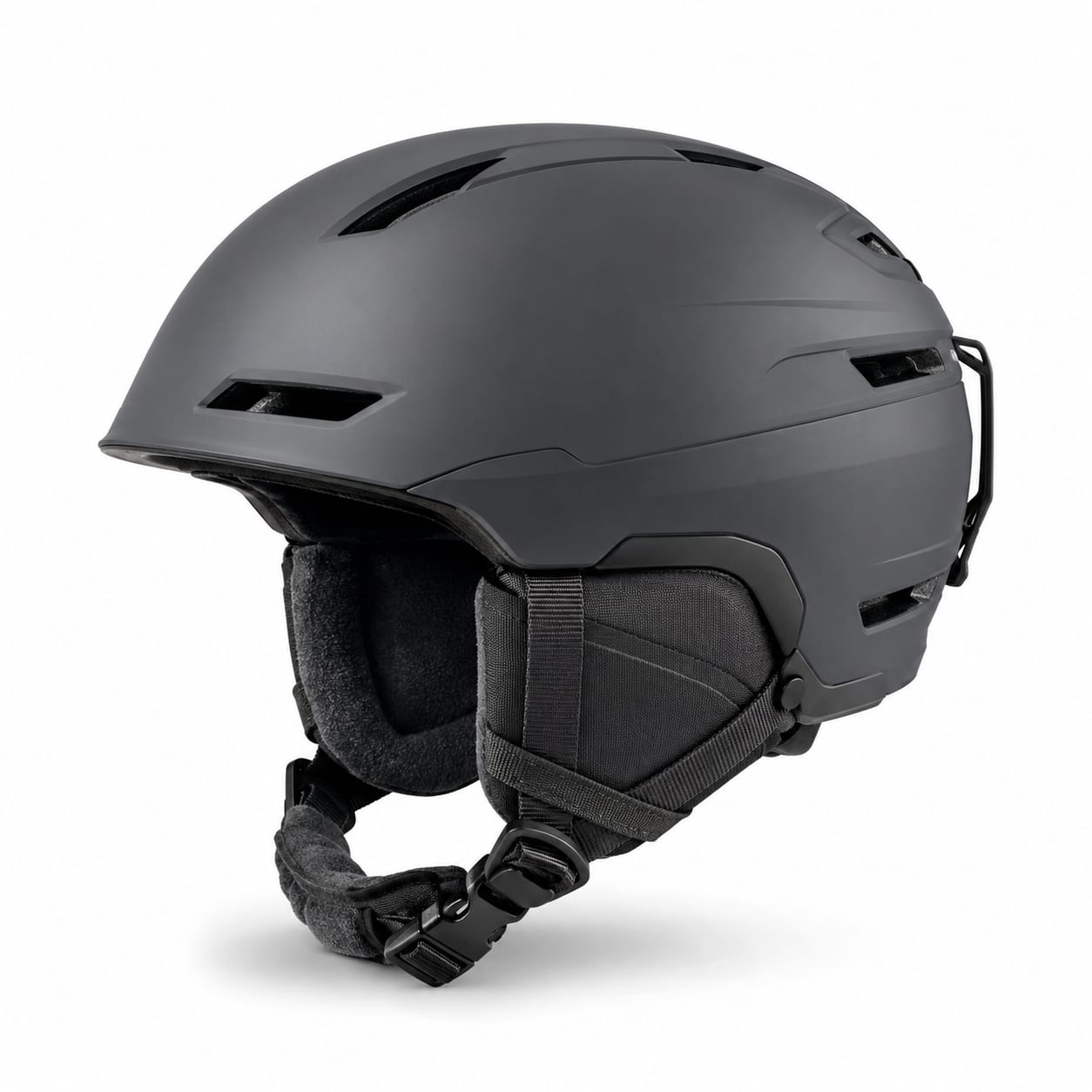
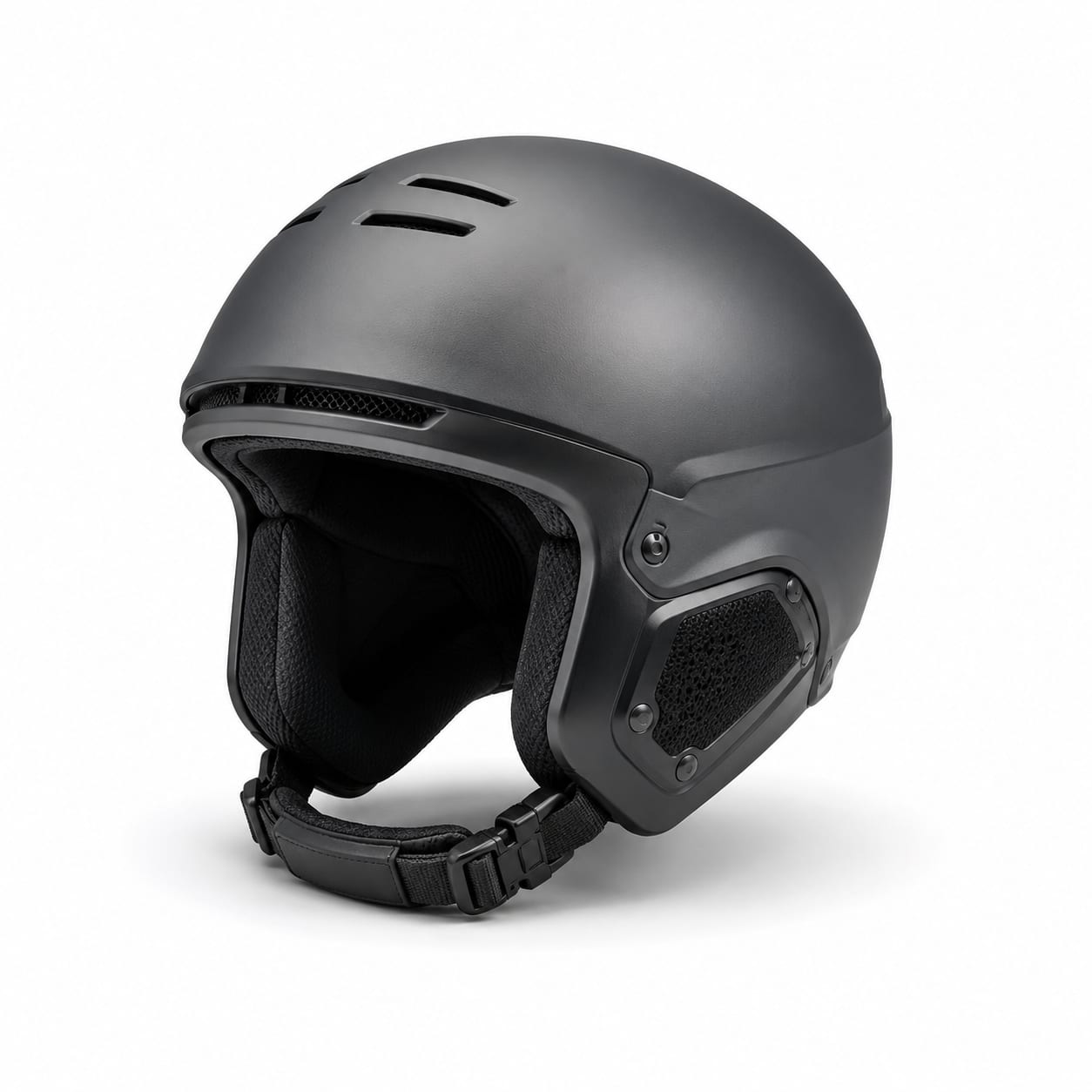
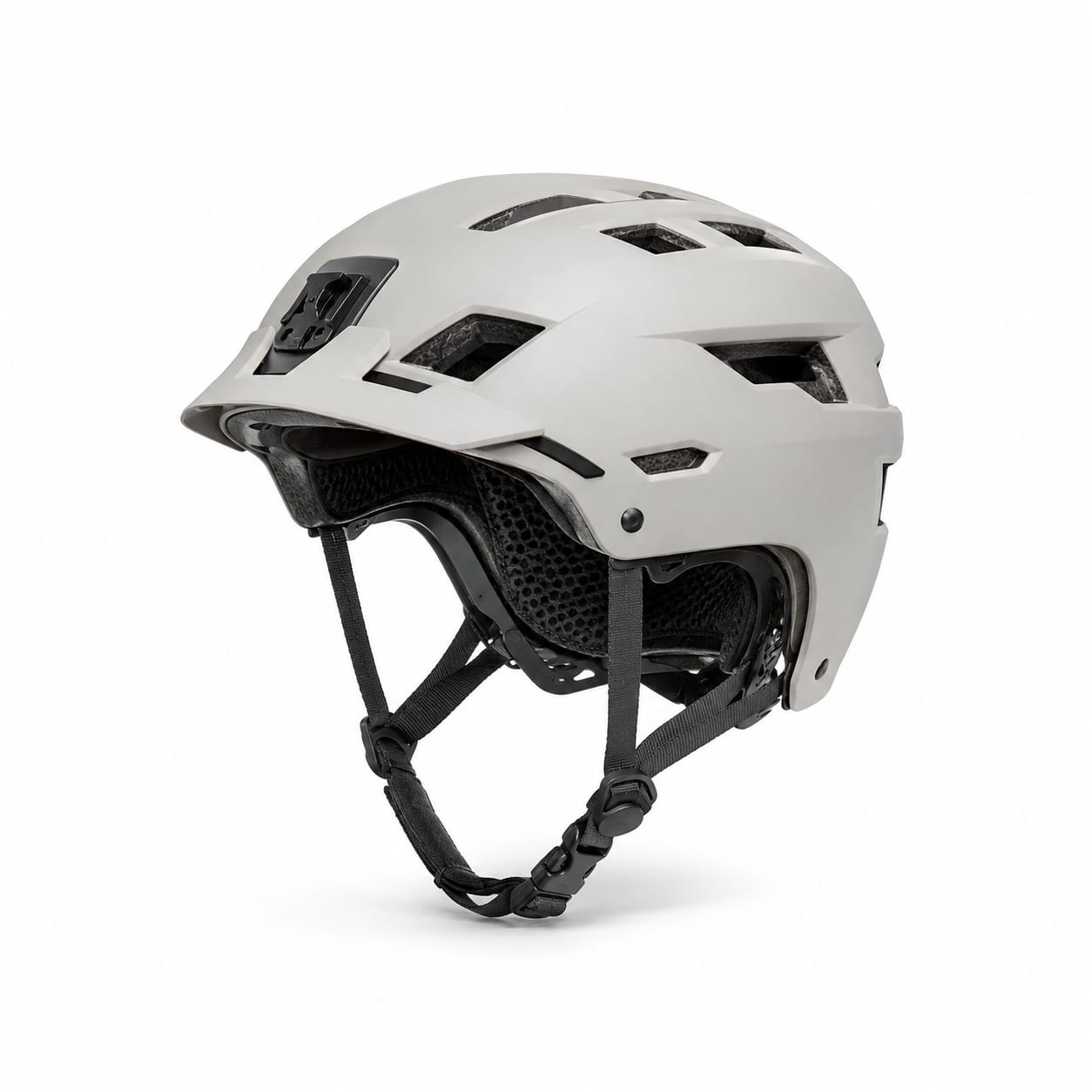
Compared to half-shell/alpine helmets, freestyle helmets sit lower on the head with a rounder profile. Unlike mountaineering helmets, they include ear pads for warmth. Unlike full-shell racing helmets, they offer far more ventilation and peripheral vision.
Why it matters: The freestyle style provides the low-profile fit, unobstructed vision, and freedom of movement that park riders need for spins, flips, and rail slides.
Size (Head Circumference)
Size
What it means
The head circumference measurement the helmet is designed to fit, typically measured in centimeters around the widest part of the head above the eyebrows.
Typical for this type
52-61 cm (S-L, Covering Most Adults)
Most common pick: 55-58 cm (M)
In practice
Freestyle helmets follow standard head circumference sizing. Most brands offer S through L, with some extending to XL. Youth-specific park helmets are available in smaller sizes (48-55 cm).
Compared to other types
Sizing ranges are similar across all ski helmet subcategories. However, freestyle helmets often fit slightly lower and snugger on the head by design, which some riders find requires sizing up if between sizes.
Why it matters: A properly fitted freestyle helmet must stay securely in place during high-impact park falls. Even small gaps between the helmet and head can compromise protection when hitting park features at speed.
Construction
Construction Type
What it means
The method used to join the outer shell and inner foam liner, which affects weight, durability, and impact absorption characteristics.
Typical for this type
In Mold Or Hybrid
In practice
In-mold construction dominates the freestyle helmet category because it produces the lightest helmets — a priority for park riders who want minimal weight during spins and long sessions. Hybrid construction appears in some premium models for added durability in the lower shell area.
Compared to other types
Alpine/all-mountain helmets more commonly use hybrid construction for durability. Hardshell construction is rare in freestyle helmets due to the weight penalty. Mountaineering helmets also favor in-mold for weight savings.
Why it matters: In-mold construction keeps weight down (typically 320-420g), which reduces neck fatigue and makes the helmet feel less intrusive during high-intensity park riding. The trade-off is less resistance to cosmetic damage from everyday bumps and gear bag transport.
Rotational Protection
Rotational Impact Protection
What it means
Technology designed to reduce rotational forces on the brain during oblique impacts. Rotational forces are a leading cause of concussions and traumatic brain injuries in skiing.
Typical for this type
Mips (Strongly Recommended)
In practice
MIPS is the most common rotational protection system in freestyle helmets and is particularly important for park riders who experience frequent falls from height onto hard-packed snow and park features. Oblique impacts from catching an edge on a rail or under-rotating a jump are common scenarios where rotational protection matters.
Compared to other types
MIPS adoption is similar across freestyle and alpine helmets. Koroyd appears in some premium Smith freestyle models. WaveCel is rare in freestyle-specific helmets. Budget freestyle helmets may lack rotational protection entirely — avoid these if possible.
Why it matters: Park riders fall frequently and from significant heights. Rotational forces from angled impacts on jumps, rails, and halfpipe walls are a leading cause of concussions. MIPS reduces these forces by allowing the helmet to slide relative to the head during oblique impacts.
Certification
Certification Standard
What it means
The safety certification standard(s) the helmet meets or exceeds. Different standards have different testing protocols and protection requirements.
Typical for this type
At Minimum CE EN1077 Class B And/Or ASTM F2040
Most common pick: CE EN1077 Class B, ASTM F2040
In practice
Most freestyle helmets carry CE EN1077 Class B certification because their soft ear pads don't meet the ear coverage requirements of Class A. ASTM F2040 certification is standard for helmets sold in North America. Many quality freestyle helmets meet both standards.
Compared to other types
Alpine and all-mountain helmets with rigid ear pads typically achieve CE EN1077 Class A certification. Racing helmets may carry Snell RS-98. Freestyle helmets almost always are Class B due to soft ear pads, which is appropriate for their intended use.
Why it matters: Class B certification is normal and acceptable for freestyle helmets — the soft ear pads that cause the Class B designation are a deliberate design choice for hearing and comfort. The critical head coverage areas are still tested to the same impact standards.
Ventilation
Ventilation Type
What it means
The ventilation system design, which affects temperature regulation, fog prevention for goggles, and comfort in varying weather conditions.
Typical for this type
Adjustable Or Passive Channel
In practice
Adjustable vents are common in mid-range and premium freestyle helmets, allowing riders to dump heat during high-output hiking sessions in the park and close up for chairlift rides. Passive channel ventilation appears in some low-profile models where external vent sliders would disrupt the clean aesthetic.
Compared to other types
Freestyle helmets tend to have fewer but larger vents than alpine helmets, prioritizing a clean look. Mountaineering helmets have the most aggressive ventilation for uphill travel. Fixed vents are less common in freestyle helmets than in budget alpine models.
Why it matters: Park riding involves alternating between high-intensity activity (hiking features, hitting jumps) and sitting still (chairlifts, waiting for drops). Adjustable ventilation helps regulate temperature across these varying output levels and prevents goggle fogging during sweaty hike-and-ride sessions.
What it means
The total weight of the helmet in grams. Lighter helmets reduce neck fatigue on long days but may sacrifice some features or durability.
Typical for this type
320-420 g
Most common pick: 360 g
In practice
Freestyle helmets are among the lightest ski helmets available, typically weighing 320-420g in a medium size. The emphasis on low weight supports freedom of movement during spins, flips, and long park sessions where neck fatigue is a real concern.
Compared to other types
Freestyle helmets are typically 50-100g lighter than comparable alpine/all-mountain helmets (which average 400-500g). Mountaineering helmets can be lighter still (280-350g) but sacrifice insulation. Racing helmets are significantly heavier (500-650g) due to full shell construction.
Why it matters: Every gram matters when you're throwing multiple rotations off a jump. Lighter helmets reduce neck fatigue over long park days and minimize the pendulum effect during spins. Weight differences of 50g are noticeable over a full day of riding.
Fit System
Fit Adjustment System
What it means
The mechanism used to fine-tune the helmet's fit to the head after selecting the appropriate size. A good fit system ensures the helmet stays securely in place during impacts.
Typical for this type
Dial Boa Or Ergo Dial
In practice
Dial-based fit systems (BOA or brand-specific equivalents) are standard in mid-range and premium freestyle helmets. They allow quick, one-handed adjustment even with gloves, which is essential for tweaking fit between park laps.
Compared to other types
Dial systems are equally common across freestyle and alpine helmets at mid-range price points and above. Budget freestyle helmets may use pad sets, which are less precise and less convenient. The low-profile design of freestyle helmets sometimes means the dial sits slightly lower on the rear of the head.
Why it matters: A secure fit is critical for park riding where high-impact falls can dislodge a poorly fitted helmet. Dial systems allow micro-adjustments to account for beanie thickness, goggle strap pressure, and changes in head size due to temperature or hair volume.
Goggle Fit
Goggle Compatibility
What it means
How well the helmet integrates with ski goggles, including the absence of a gaper gap, secure goggle strap attachment, and proper vent alignment to prevent fogging.
Typical for this type
Silicone Grip Or Integrated Clip
In practice
Freestyle helmets often use silicone grip strips on the rear instead of bulky integrated clips to maintain the clean, low-profile aesthetic. Some models include integrated clips that are more recessed than those on alpine helmets. The brimless design of freestyle helmets generally works well with oversized park goggles.
Compared to other types
Alpine helmets more commonly feature integrated clips and matched brand systems with brims designed to interface with specific goggles. Freestyle helmets prioritize a cleaner look with silicone grips. Always test your goggle-helmet combination regardless of style.
Why it matters: Park riders frequently use oversized cylindrical or spherical goggles that need to sit flush against the helmet without gaper gap. The brimless design of freestyle helmets makes goggle integration simpler but also means there's no brim to shield the goggle-to-helmet seam from wind and snow.
What it means
The style and removability of ear protection, which affects warmth, hearing ability, and versatility across seasons and conditions.
Typical for this type
Removable Audio Or Removable Insulated
In practice
Removable audio-compatible ear pads are extremely popular in the freestyle category, reflecting the culture of riding with music in the park. Soft ear pads are standard (contributing to the CE EN1077 Class B certification) and can be removed for spring sessions or replaced with audio-equipped pads.
Compared to other types
Alpine helmets typically use thicker, more insulated ear pads (often rigid) for maximum warmth. Mountaineering helmets may have minimal or no ear pads. Fixed ear pads are rare in freestyle helmets because removability is expected for seasonal adaptability and audio upgrades.
Why it matters: Soft, removable ear pads allow park riders to hear their surroundings (other riders, coaches, music) while providing enough warmth for most conditions. Audio compatibility is a highly valued feature in park culture, and the ability to remove pads for warm spring days extends the helmet's useful season.
What it means
The inner liner material that contacts the head, providing comfort, moisture management, and additional impact absorption.
Typical for this type
Eps Or Multi Density Eps
In practice
Standard EPS foam is the most common liner material in freestyle helmets, keeping weight and cost down. Multi-density EPS appears in some premium models, offering optimized impact absorption across different force levels — relevant for park riders who experience both low-speed rail falls and high-speed jump impacts.
Compared to other types
EPS is standard across all ski helmet subcategories. Koroyd+EPS hybrids appear in some premium Smith freestyle models but are more common in their alpine line. Merino wool covers are rare in freestyle helmets, which prioritize weight savings over premium comfort materials.
Why it matters: EPS foam provides proven impact absorption at minimal weight. Multi-density EPS offers incremental improvement by using softer foam for low-force impacts and firmer foam for high-force impacts, which is particularly relevant for the varied impact scenarios in the park.
Audio Compatible
Audio Ready
What it means
Whether the helmet is designed to accommodate audio speakers or headphones, either with built-in speakers or compatible ear pads with speaker pockets.
Typical for this type
True (Preferred By Most Park Riders)
In practice
The vast majority of freestyle/park helmets are audio-ready, with ear pads featuring speaker pockets designed for drop-in audio systems like Outdoor Tech Chips or brand-specific audio kits. This reflects the strong culture of riding with music in terrain parks.
Compared to other types
Freestyle helmets are more likely to be audio-ready than alpine or mountaineering helmets. Racing helmets are never audio-compatible. All-mountain helmets often offer audio-ready options but it's less of a default expectation than in the freestyle category.
Why it matters: Audio capability is a highly desired feature among park riders. Audio-ready ear pads allow quick installation of Bluetooth speakers without modifying the helmet. However, riders should be aware that audio reduces situational awareness and may be prohibited at some ski areas or during competitions.
Washable Liner
Removable Washable Liner
What it means
Whether the interior padding and liner can be removed for washing, which affects hygiene and longevity of the helmet.
Typical for this type
True (Recommended For Frequent Use)
In practice
Most freestyle helmets feature removable, washable liners since park riders tend to work up significant sweat during high-intensity sessions and hike-and-ride laps. Removable liners also speed up drying between back-to-back park days.
Compared to other types
Removable liners are common across mid-range and premium helmets of all styles. Budget models across all categories may have fixed liners. The feature is particularly valuable in freestyle helmets due to the higher sweat output typical of park riding.
Why it matters: Park riding is high-output activity that produces significant perspiration. A removable liner allows regular washing to prevent odor and bacteria buildup, and enables faster drying between sessions. This is especially important for riders who ski park multiple days per week.
Shell Material
Shell Material
What it means
The material used for the outer shell of the helmet, which affects durability, weight, and appearance.
Typical for this type
Polycarbonate
In practice
Polycarbonate shells dominate the freestyle helmet category because they pair with in-mold construction to deliver the lightest possible helmet. The material provides adequate durability for park use while keeping weight to a minimum.
Compared to other types
ABS plastic is more common in budget and rental alpine helmets where durability trumps weight. Carbon fiber appears in ultra-premium and racing helmets but is rare in freestyle models due to cost. Polycarbonate is the sweet spot for freestyle helmets' weight and durability needs.
Why it matters: Polycarbonate offers the best strength-to-weight ratio for freestyle helmets. While it can show scratches and dents from gear bag transport more readily than ABS, the weight savings are worth the trade-off for park riders who prioritize minimal weight during spins and flips.
Number of Vents
Number of Vents
What it means
The total count of ventilation openings on the helmet. More vents provide better airflow but may reduce warmth.
Typical for this type
8-14 vents
Most common pick: 10
In practice
Freestyle helmets typically feature 8-14 vents, often arranged in a clean, symmetrical pattern that maintains the helmet's aesthetic. Adjustable vents allow riders to manage airflow during high-output hiking and cool chairlift rides.
Compared to other types
Freestyle helmets tend to have fewer visible vents than alpine helmets, which often feature prominent adjustable vent stacks. Mountaineering helmets may have more vents for aggressive uphill cooling. The vent count in freestyle helmets is balanced to avoid disrupting the clean, low-profile aesthetic.
Why it matters: Park riding alternates between intense activity and rest periods. Adequate ventilation prevents overheating and goggle fogging during hike-and-ride sessions, while adjustable vents can be closed to retain warmth on windy chairlift rides. Vent placement and internal channeling matter as much as count.
Brim or Visor
Brim / Visor
What it means
Whether the helmet includes a brim or visor for sun protection, weather deflection, and goggle integration.
Typical for this type
None
In practice
The vast majority of freestyle helmets have no brim or visor, maintaining a clean, skate-inspired profile and ensuring unobstructed vision during spins and inverted tricks. Any protrusion from the helmet can catch wind or obstruct vision during rotations.
Compared to other types
Alpine and all-mountain helmets frequently feature integrated brims for sun and weather protection. Freeride helmets may have removable visors. Freestyle helmets almost universally omit brims and visors for both functional and aesthetic reasons.
Why it matters: A brimless design ensures nothing interferes with vision during spins, flips, and rail slides where split-second visual references are critical. The clean profile also aligns with the aesthetic preferences of park culture. The trade-off is less sun shading and no weather protection for goggles.
Buckle Type
Chin Strap Buckle Type
What it means
The type of buckle used on the chin strap, which affects ease of use, especially with gloves, and security of the closure.
Typical for this type
Fidlock (Preferred) Or Side Release
In practice
Fidlock magnetic buckles have become increasingly common in freestyle helmets, especially at mid-range and premium price points. The easy, glove-friendly operation is valued by park riders who frequently adjust or remove their helmets between laps.
Compared to other types
Fidlock buckles are increasingly common across all helmet categories at premium price points. Side-release buckles remain standard on budget models across all styles. Double D-ring closures are essentially never used in freestyle helmets, being reserved for racing applications.
Why it matters: Fidlock buckles can be operated one-handed with gloves, which is a significant convenience when adjusting helmet fit on cold park days. The magnetic auto-close mechanism ensures the buckle is properly secured every time — important for safety during high-impact park falls.