
Ski Helmet · FAQ
Questions about Half-Shell Ski Helmet
Straight answers on fit, specs, and when this type makes sense — each topic has its own page with links back to the buying guide.
Open Half-Shell Ski Helmet guide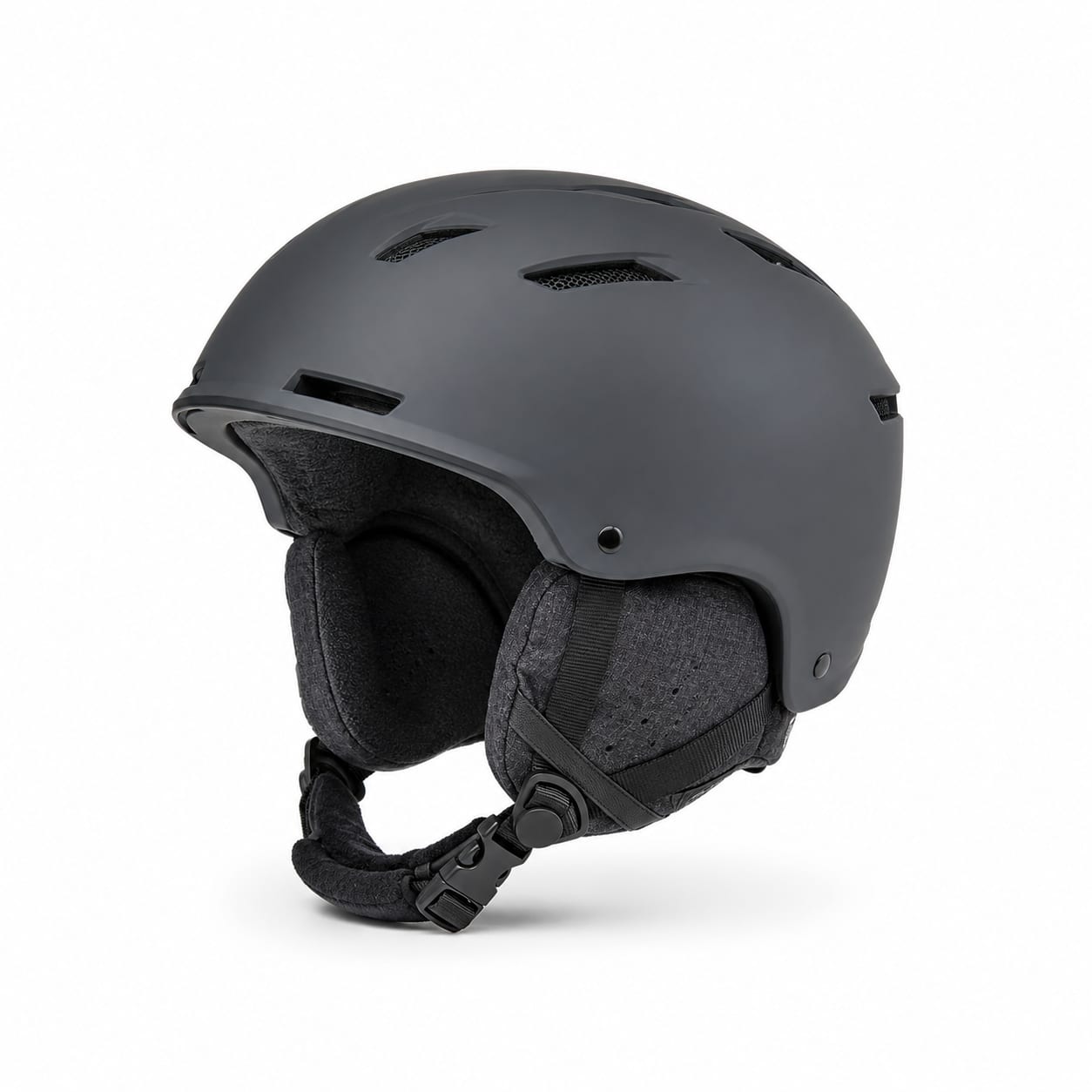
6 topics
Pick a question
Every answer links to the full subcategory guide and related gear types when it helps you decide.
How do I know what size half-shell ski helmet to buy?
Measure your head circumference with a soft tape measure wrapped around the widest part of your head, just above your eyebrows and ears. Most adult helmets come in S (52-55cm), M (55-58cm), L (58-61cm), and XL (61-64cm). If you're between sizes, size up and use the fit adjustment dial to fine-tune. Always try the helmet on — different brands fit different head shapes, and a model that fits your friend may not fit you.
Read answer →02Is MIPS worth the extra cost in a half-shell helmet?
Yes. MIPS reduces rotational forces on the brain during oblique impacts by 30-40% compared to non-MIPS helmets, and rotational forces are a leading cause of concussions in skiing. MIPS is now available in half-shell helmets under $100, so the price premium is minimal. Given that a concussion can have serious, lasting consequences, MIPS is one of the best value safety investments you can make.
Read answer →03Can I use my half-shell ski helmet for biking or other sports?
Many half-shell helmets with removable ear pads can be used for cycling, skateboarding, or roller skating, but check the certification labels. A helmet certified to both ASTM F2040 (skiing) and CPSC (cycling) standards is legal for both sports. Some helmets are explicitly marketed as multi-sport. However, ski helmets are warmer and less ventilated than dedicated bike helmets, so they're not ideal for hot-weather cycling.
Read answer →04How do I prevent my goggles from fogging with a half-shell helmet?
First, ensure there's no gaper gap — your goggles should sit flush against the helmet with no exposed skin. Second, use the helmet's adjustable vents: open the top vents to let warm, moist air escape before it hits your goggle lens. Third, never put wet goggles on a warm forehead — the temperature difference causes instant fogging. Fourth, make sure your goggle lenses are clean and treated with anti-fog coating. Finally, avoid overdressing — if your body is too warm, your head will sweat more, increasing fogging.
Read answer →05When should I replace my half-shell ski helmet?
Replace your helmet immediately after any significant impact, even if there's no visible damage — EPS foam is designed to deform permanently and cannot protect you again. Replace it every 3-5 years even without impacts, as UV exposure, temperature cycling, and material aging degrade protection over time. Also replace if the shell is cracked, the foam is compressed or discolored, the chin strap is frayed, or the fit system no longer holds securely.
Read answer →06What's the difference between in-mold and hardshell construction in half-shell helmets?
In-mold helmets have the EPS foam molded directly into the polycarbonate shell, creating a lighter, often better-ventilated helmet. Hardshell helmets have a separate, thicker ABS shell glued to the EPS foam, making them heavier but more resistant to dents, dings, and everyday abuse. Both types meet the same safety standards — the difference is in weight, durability, and price, not protection level. In-mold is preferred for performance; hardshell is better for kids, rentals, and budget buyers.
Read answer →