
First, ensure there's no gaper gap — your goggles should sit flush against the helmet with no exposed skin. Second, use the helmet's adjustable vents: open the top vents to let warm, moist air escape before it hits your goggle lens. Third, never put wet goggles on a warm forehead — the temperature difference causes instant fogging. Fourth, make sure your goggle lenses are clean and treated with anti-fog coating. Finally, avoid overdressing — if your body is too warm, your head will sweat more, increasing fogging.
Ski Helmet · Half-Shell Ski Helmet
How do I prevent my goggles from fogging with a half-shell helmet?
Related gear types
If this answer nudged you toward a different style, these guides compare specs and trade-offs.
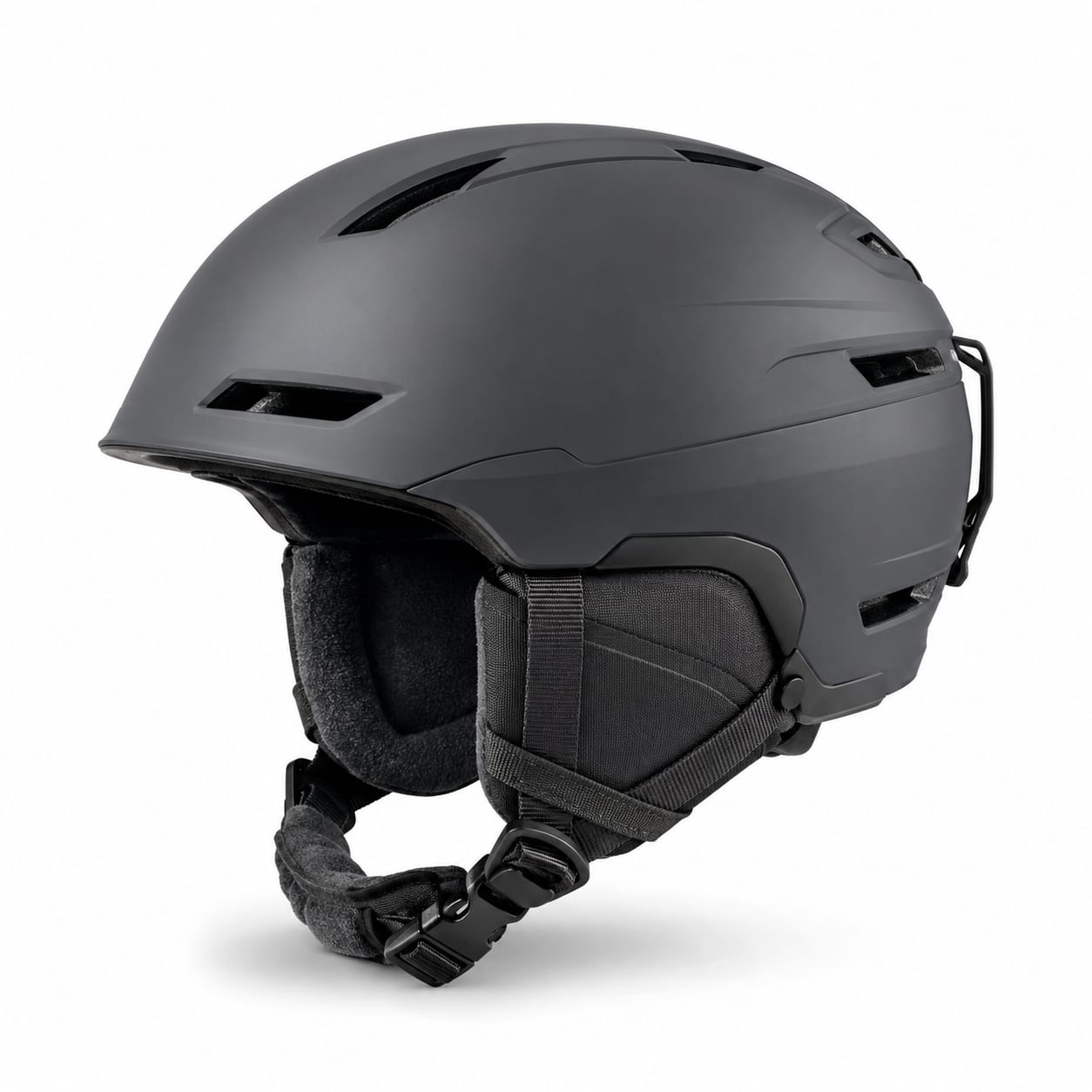
All-Mountain Ski Helmet
$60 – $280
Versatile helmets designed for general skiing across varied terrain and conditions.
Adjustable ventilationRemovable ear padsGoggle integration strap or clip
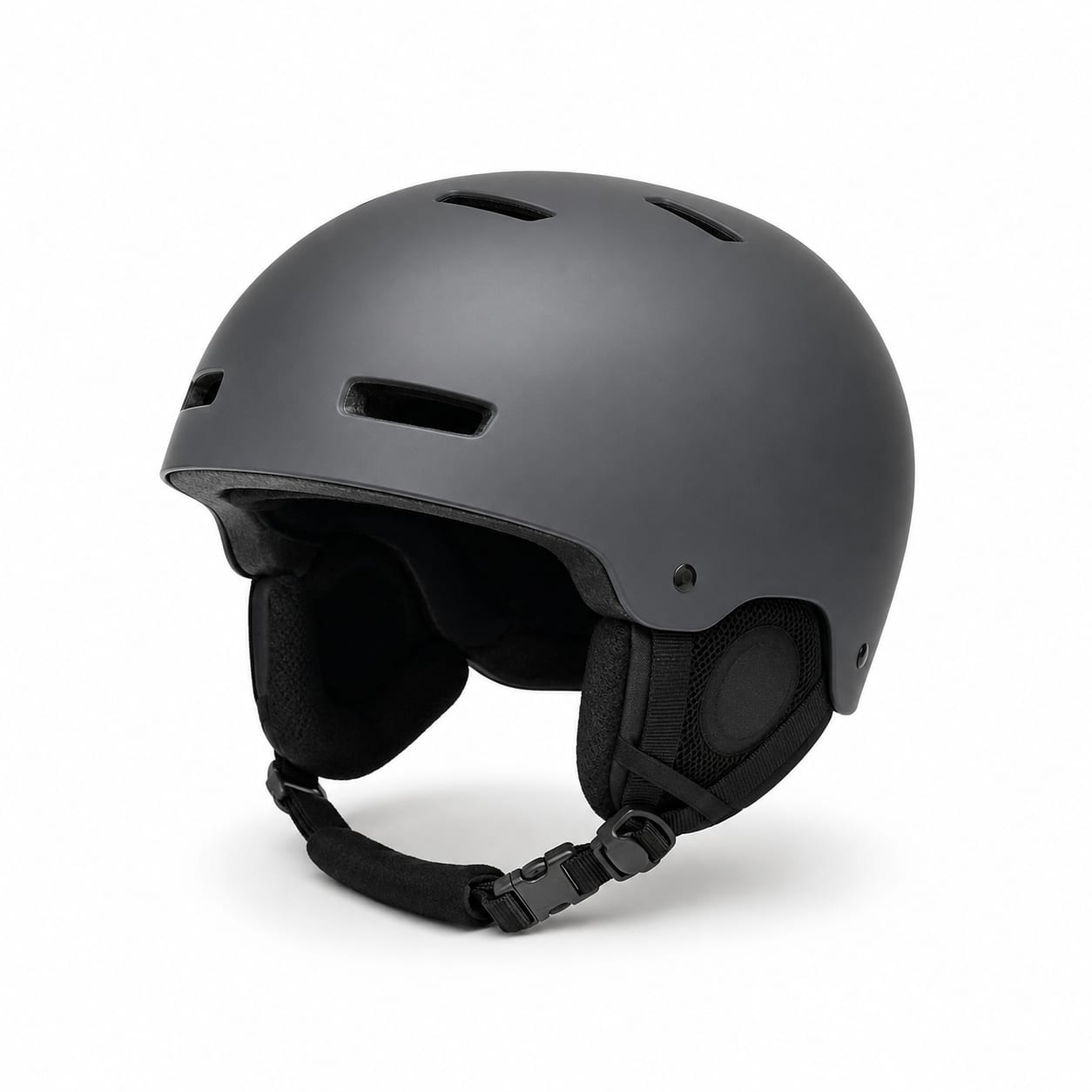
Freestyle/Park Helmet
$50 – $200
Low-profile helmets designed for terrain park skiing, pipe riding, and freestyle progression.
Low-profile skate-inspired shapeAudio-compatible ear padsDurable ABS or hybrid shell
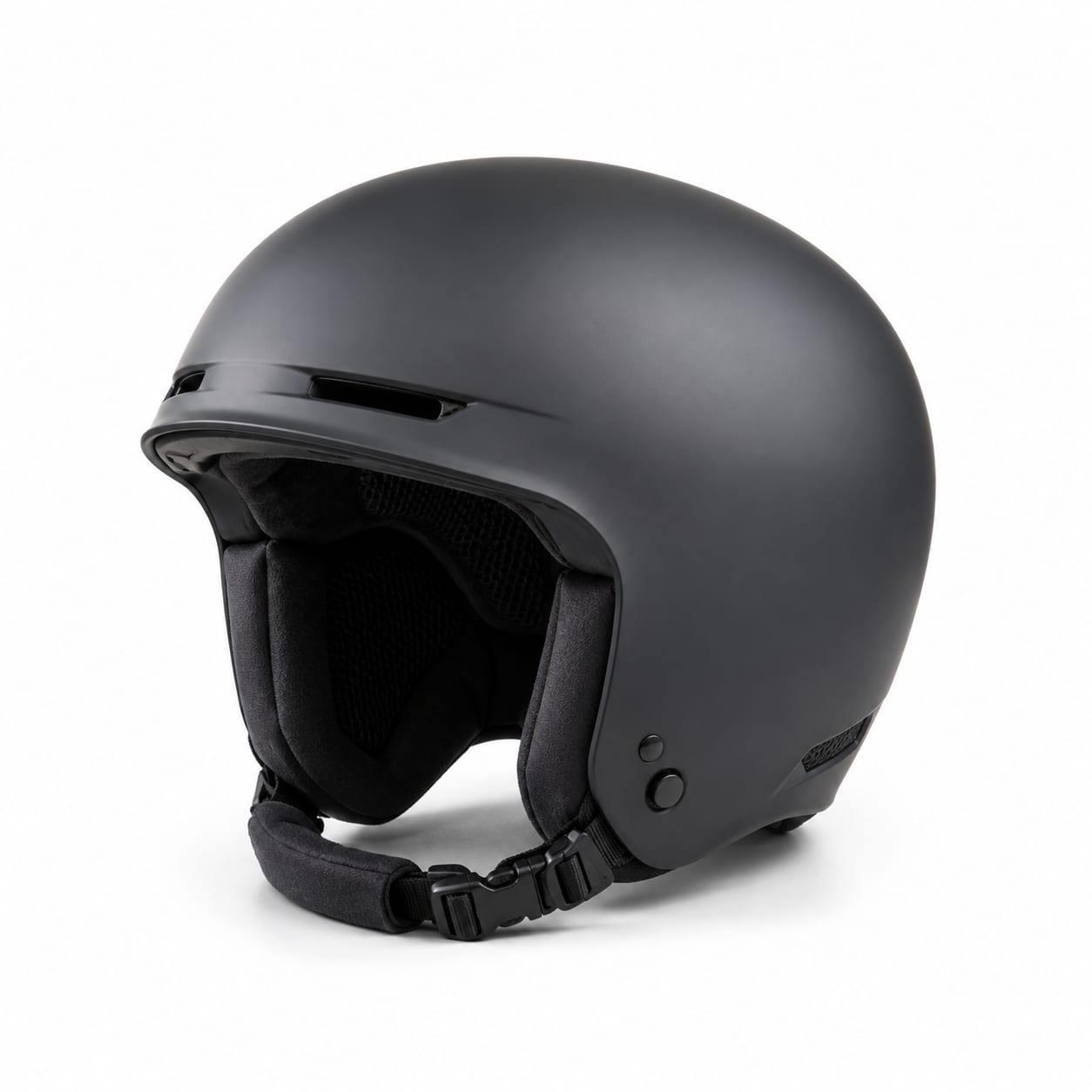
Full-Shell Ski Helmet
$80 – $450
Helmets with complete hardshell coverage extending over the ears for maximum protection.
Hardshell extends over earsSuperior penetration resistanceMaximum impact absorption
More questions
- How do I know what size half-shell ski helmet to buy?
- Is MIPS worth the extra cost in a half-shell helmet?
- Can I use my half-shell ski helmet for biking or other sports?
- When should I replace my half-shell ski helmet?