What it means
The overall design and coverage category of the helmet, which determines the level of protection, ear coverage, and intended use environment.
Typical for this type
Half Shell
In practice
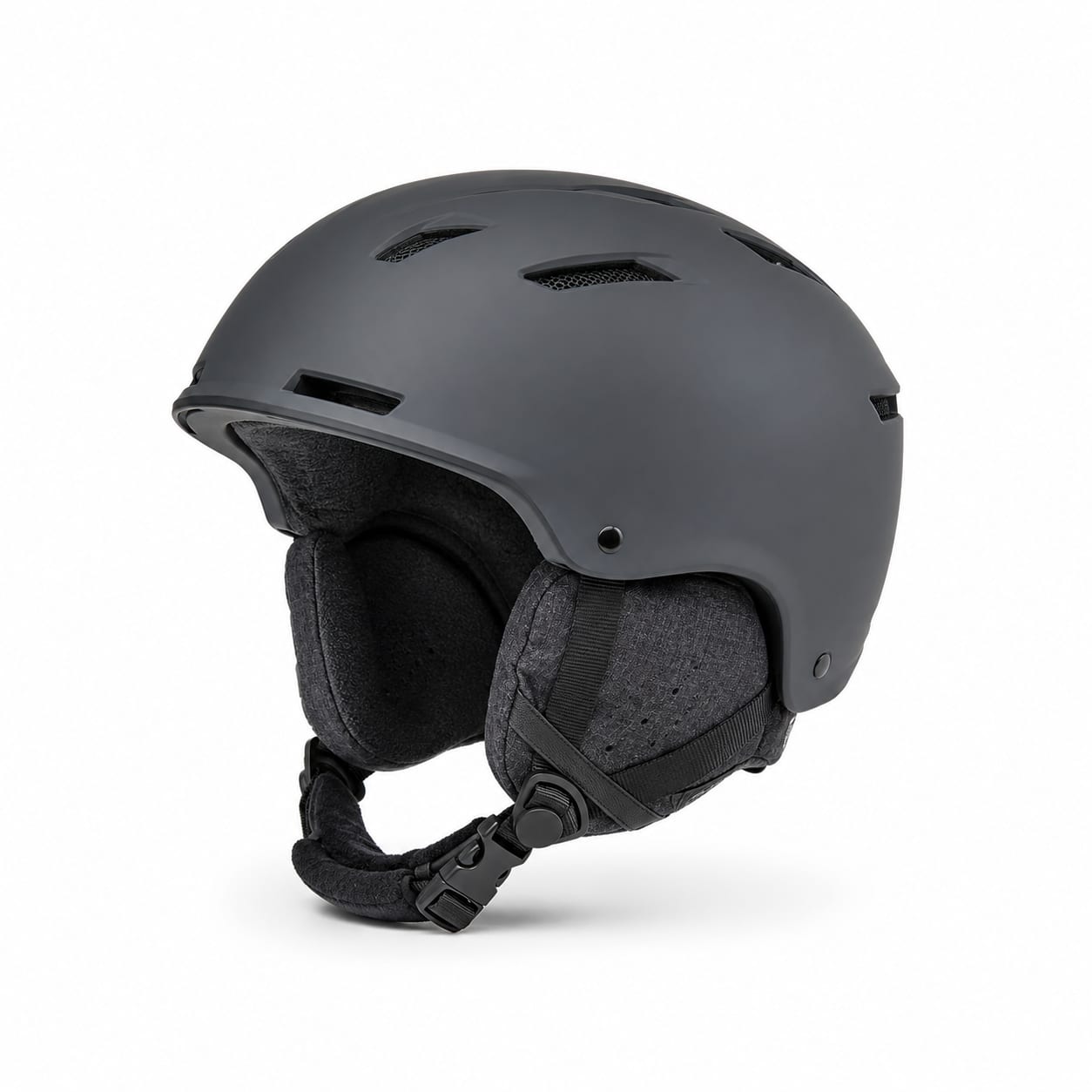
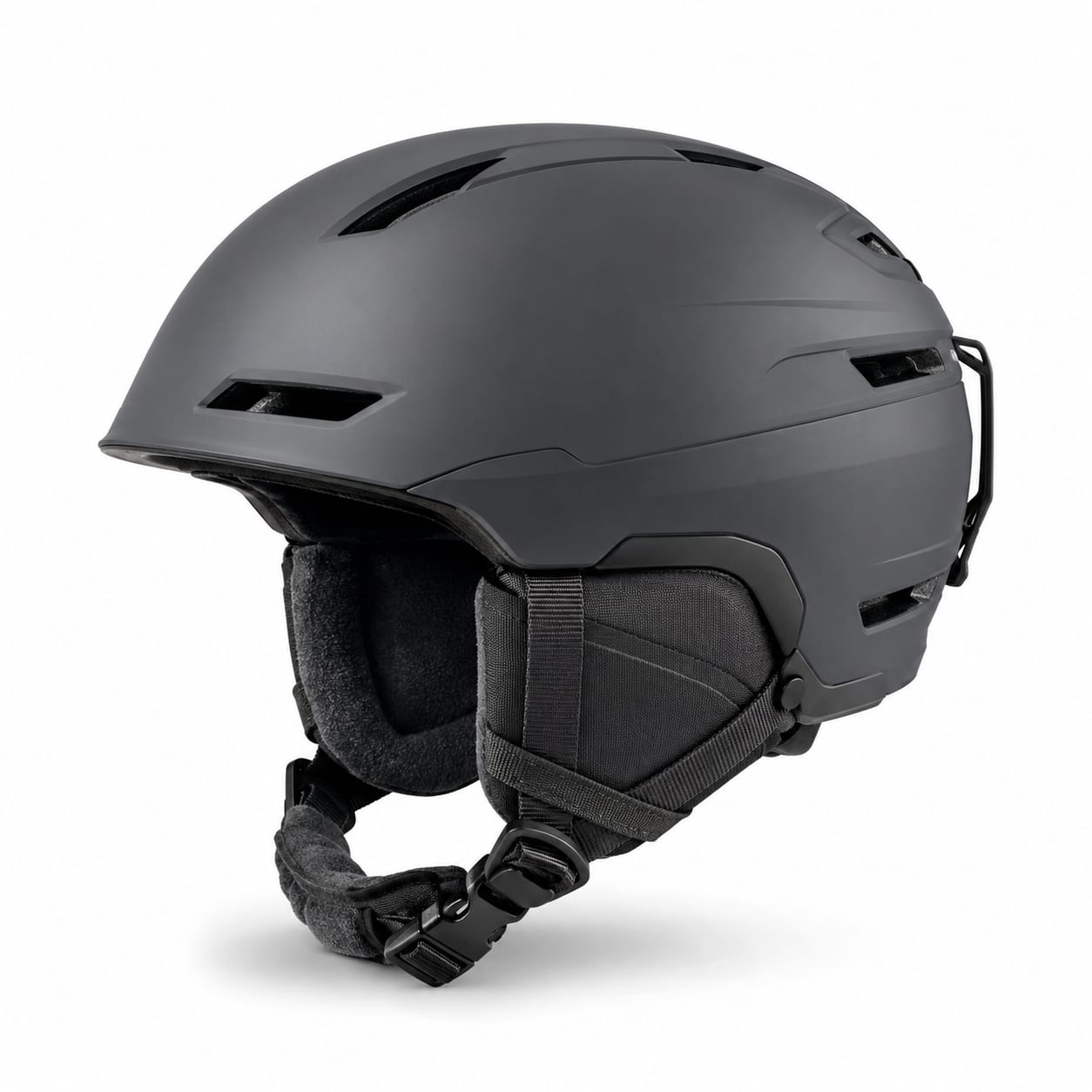
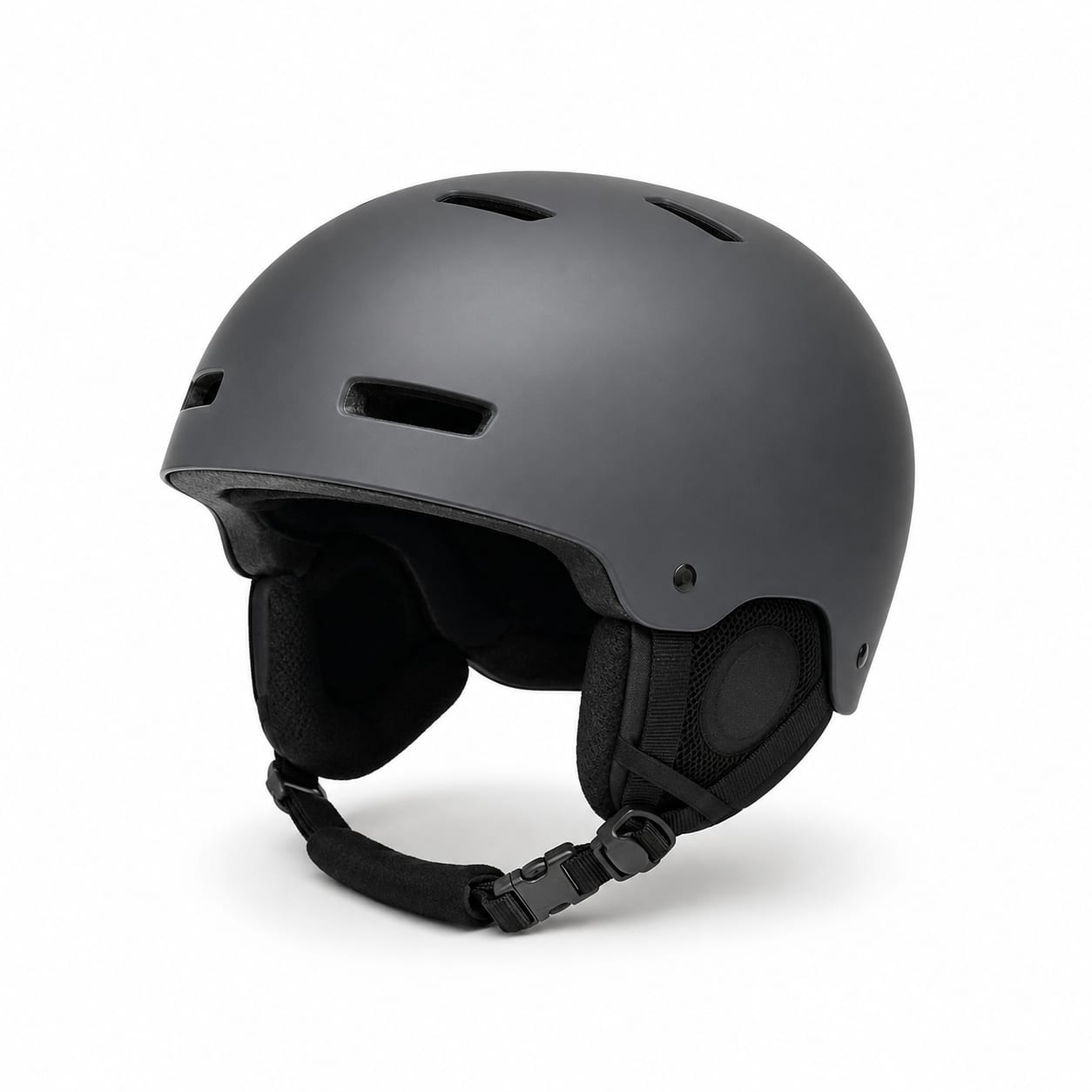
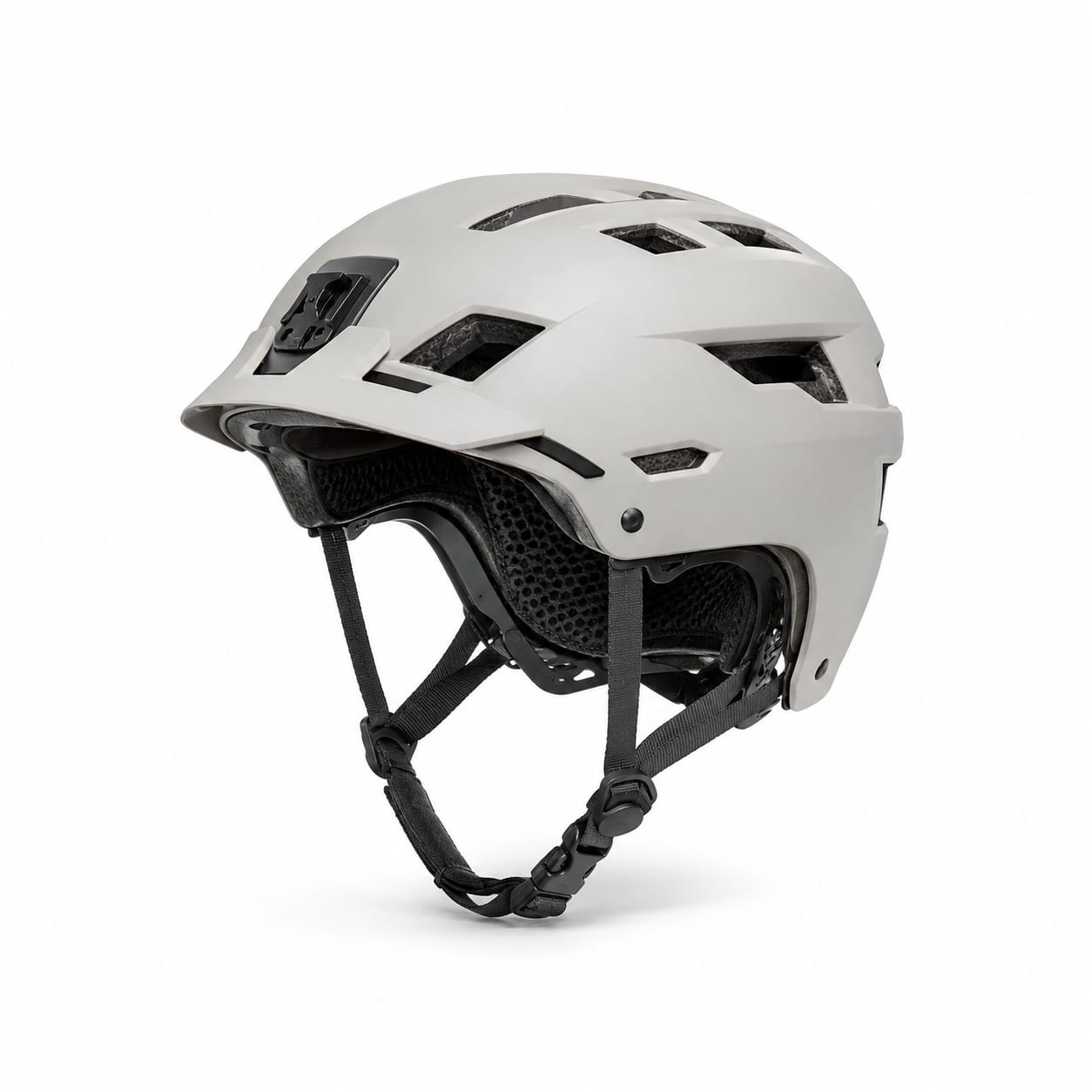
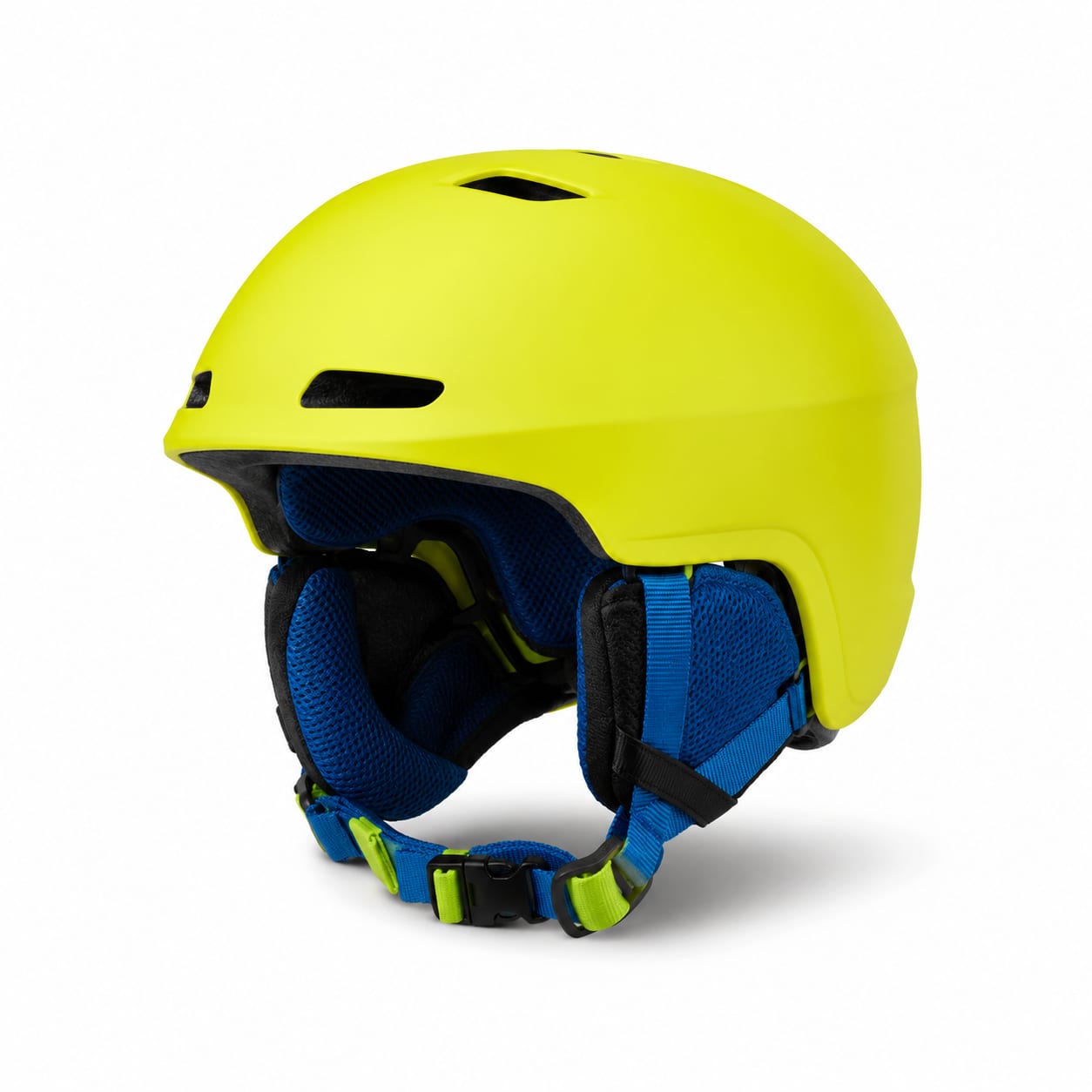
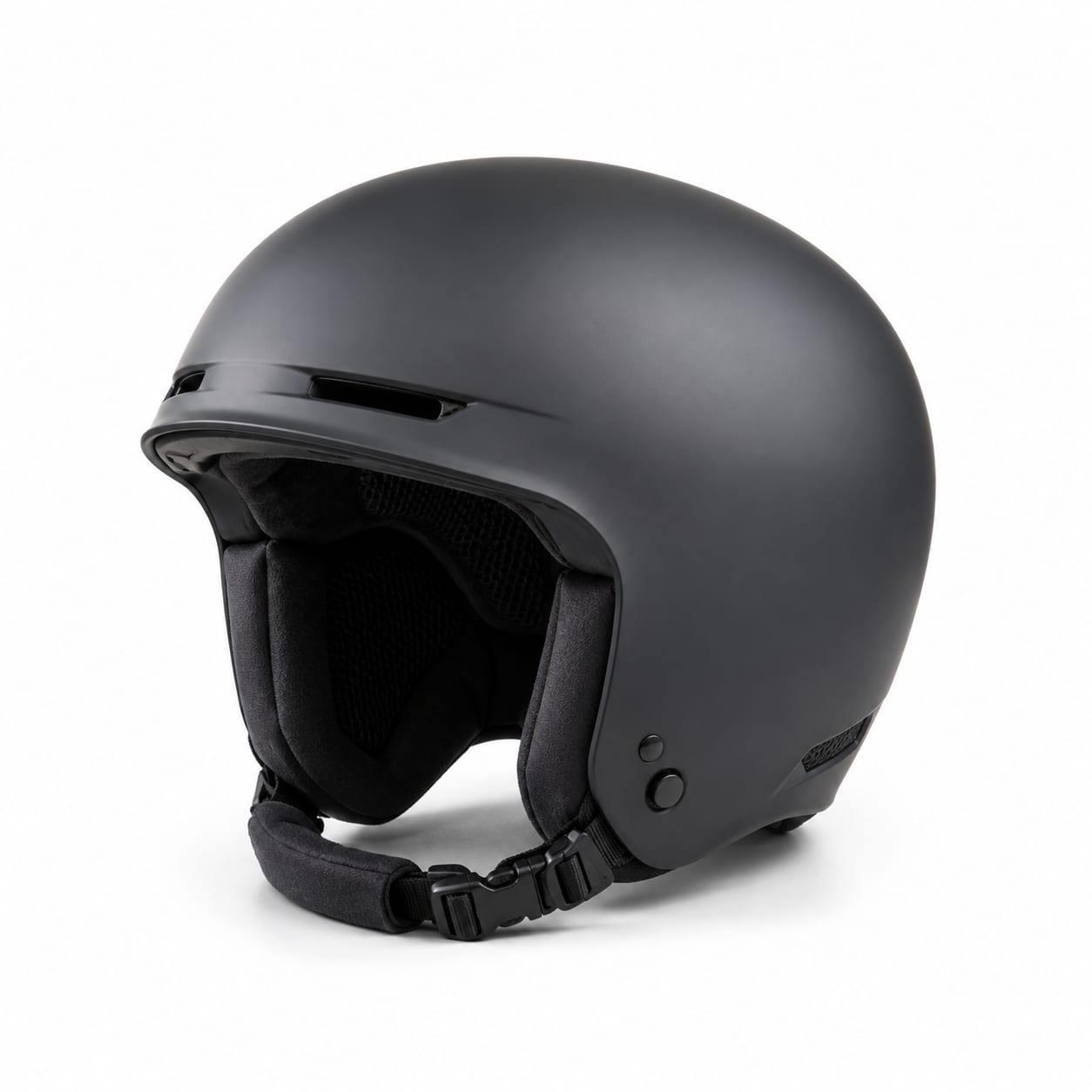
Half-shell is the defining style of this subcategory, covering the top and sides of the head with ear pads but no chin guard or lower jaw protection.
Compared to other types
More coverage and warmth than freestyle or mountaineering helmets; less coverage and weight than full-shell racing helmets. The sweet spot for most skiers.
Why it matters: The half-shell design provides the coverage most resort skiers need while maintaining comfort, goggle compatibility, and ventilation that full-shell helmets cannot match.
Size (Head Circumference)
Size
What it means
The head circumference measurement the helmet is designed to fit, typically measured in centimeters around the widest part of the head above the eyebrows.
Typical for this type
52-64 cm depending on head circumference
Most common pick: 55-58 cm (Medium)
In practice
Half-shell helmets are available in the widest range of sizes, typically spanning 48-65 cm across XS-XL sizing. Most adults fall into S (52-55cm), M (55-58cm), or L (58-61cm).
Compared to other types
Half-shell helmets offer the broadest size range of any ski helmet style, including more youth and XL options than freestyle or mountaineering models.
Why it matters: Proper fit is the single most important factor in helmet effectiveness. A helmet that is too loose can shift during impact, exposing the head; one that is too tight causes discomfort and pressure headaches.
Construction
Construction Type
What it means
The method used to join the outer shell and inner foam liner, which affects weight, durability, and impact absorption characteristics.
Typical for this type
In Mold Or Hybrid Preferred; Hardshell Acceptable For Budget Or Youth
In practice
In-mold construction is most common in mid-range to premium half-shell helmets, offering the best weight-to-protection ratio. Hybrid construction appears in top-tier models, combining in-mold upper sections with hardshell lower edges for durability where the helmet contacts goggles and surfaces.
Compared to other types
Half-shell helmets are more likely to feature in-mold or hybrid construction than freestyle helmets (which often use hardshell for park durability) and are comparable to mountaineering helmets in construction sophistication.
Why it matters: Construction type affects weight, durability, and price. In-mold helmets are lighter and often better ventilated; hardshell helmets resist dents and dings better; hybrid offers the best of both.
Rotational Protection
Rotational Impact Protection
What it means
Technology designed to reduce rotational forces on the brain during oblique impacts. Rotational forces are a leading cause of concussions and traumatic brain injuries in skiing.
Typical for this type
MIPS Strongly Recommended; Koroyd Or WaveCel As Premium Alternatives
Most common pick: Mips
In practice
MIPS is the most widely available rotational protection system in half-shell helmets, featured in the majority of models from $80 and up. Koroyd appears in select Smith helmets, and WaveCel is available in Bontrager models. Budget half-shell helmets may lack any rotational protection.
Compared to other types
Half-shell helmets have the widest availability of MIPS and rotational protection options across all price points. Freestyle and mountaineering helmets are less likely to include MIPS at lower price points.
Why it matters: Rotational forces from oblique impacts are a leading cause of concussions in skiing. MIPS and similar systems reduce these forces by 30-40% compared to helmets without rotational protection, making this the most important safety advancement in modern helmet design.
Certification
Certification Standard
What it means
The safety certification standard(s) the helmet meets or exceeds. Different standards have different testing protocols and protection requirements.
Typical for this type
At Minimum CE EN1077 Class A Or ASTM F2040; Both Is Ideal
Most common pick: CE EN1077 Class A And/Or ASTM F2040
In practice
Most quality half-shell helmets meet CE EN1077 Class A (which includes ear coverage testing) and/or ASTM F2040. Class A is preferred over Class B because it certifies the ear pads provide impact protection. Premium models may also carry Snell RS-98 certification.
Compared to other types
Half-shell helmets with ear pads typically achieve Class A certification, whereas freestyle helmets with soft ear pads often only meet Class B. Full-shell racing helmets may carry additional FIS certification.
Why it matters: Certification ensures the helmet has been tested to minimum impact protection standards. Class A EN1077 provides more comprehensive coverage testing than Class B. Helmets without recognized certification should be avoided.
Ventilation
Ventilation Type
What it means
The ventilation system design, which affects temperature regulation, fog prevention for goggles, and comfort in varying weather conditions.
Typical for this type
Adjustable Vents Strongly Recommended
Most common pick: Adjustable
In practice
Adjustable ventilation with slider-operated vents is the standard in mid-range and premium half-shell helmets, typically featuring 8-14 vents that can be opened or closed independently or in groups. This allows temperature regulation from sub-zero mornings to spring afternoons.
Compared to other types
Half-shell helmets typically have more sophisticated and numerous adjustable vents than freestyle or mountaineering helmets. Mountaineering helmets often use fixed or passive ventilation optimized for uphill effort.
Why it matters: Adjustable vents prevent both overheating (which causes sweat, fogged goggles, and discomfort) and excessive cooling (which leads to a cold head and potential ice formation in vents). They also help manage goggle fog by directing warm, moist air away from the goggle lens.
What it means
The total weight of the helmet in grams. Lighter helmets reduce neck fatigue on long days but may sacrifice some features or durability.
Typical for this type
330-500 g (under 400g is lightweight; over 500g may cause fatigue)
Most common pick: 380-450 g
In practice
Most adult half-shell helmets with MIPS and adjustable vents weigh between 350-480g. In-mold models tend to be lighter (330-400g), while hardshell models with audio ear pads can exceed 500g. The lightest half-shell helmets with MIPS approach 330g.
Compared to other types
Half-shell helmets are lighter than full-shell racing helmets (500-650g) but heavier than mountaineering helmets (280-380g). They are comparable to or slightly heavier than freestyle helmets depending on features.
Why it matters: Weight affects neck fatigue over long days. A 100g difference becomes noticeable after 6+ hours of skiing. However, weight should not be prioritized over safety features like MIPS or proper fit.
Fit System
Fit Adjustment System
What it means
The mechanism used to fine-tune the helmet's fit to the head after selecting the appropriate size. A good fit system ensures the helmet stays securely in place during impacts.
Typical for this type
Dial/BOA System Strongly Recommended; Ergo Dial Acceptable
Most common pick: Dial Boa
In practice
BOA or equivalent dial-based fit systems are standard in mid-range and premium half-shell helmets, allowing micro-adjustment of an internal harness with one hand. Budget models may use interchangeable pad sets, which offer less precise adjustment.
Compared to other types
Half-shell helmets are more likely to feature dial fit systems than budget freestyle or mountaineering helmets. The dial system is especially valuable in half-shells because they are often worn with varying layers underneath.
Why it matters: A dial fit system ensures the helmet stays securely in place during impacts and allows easy adjustment for different head shapes, beanie thickness, and goggle strap placement. It is the most effective way to achieve a proper, safe fit.
Goggle Fit
Goggle Compatibility
What it means
How well the helmet integrates with ski goggles, including the absence of a gaper gap, secure goggle strap attachment, and proper vent alignment to prevent fogging.
Typical for this type
Integrated Goggle Clip Preferred; Matched Brand System For Premium Integration
Most common pick: Integrated Clip
In practice
Most half-shell helmets feature an integrated goggle clip at the rear to secure the strap, plus a helmet shape designed to minimize gaper gap with most goggle brands. Premium models from Smith, Oakley, and POC may offer matched brand systems with seamless goggle integration and aligned ventilation.
Compared to other types
Half-shell helmets generally offer the best goggle compatibility of any helmet style, with shapes specifically designed for standard ski goggles. Mountaineering helmets may have less goggle-optimized shapes, and freestyle helmets may sit lower on the forehead.
Why it matters: Poor goggle compatibility leads to gaper gap (cold forehead), fogged lenses, uncomfortable pressure on the nose, and goggles that shift or fall off. Testing your helmet with your specific goggles before buying is essential.
What it means
The style and removability of ear protection, which affects warmth, hearing ability, and versatility across seasons and conditions.
Typical for this type
Removable Insulated Ear Pads For Maximum Versatility
Most common pick: Removable Insulated
In practice
Removable insulated ear pads are the standard in half-shell helmets, providing warmth in winter and the option to remove them for spring skiing or to convert the helmet for other activities. Audio-compatible removable ear pads are common in mid-range and premium models.
Compared to other types
Half-shell helmets almost always feature removable ear pads, unlike freestyle helmets which may have fixed soft pads. Mountaineering helmets typically have minimal or no ear pads for weight savings and hearing.
Why it matters: Removable ear pads dramatically extend the helmet's usable temperature range and allow multi-season use. They also make the helmet easier to pack and transport. Fixed ear pads limit versatility.
What it means
The inner liner material that contacts the head, providing comfort, moisture management, and additional impact absorption.
Typical for this type
EPS Foam Standard; Multi-Density EPS Or Koroyd+EPS For Premium Impact Absorption
Most common pick: Eps
In practice
Standard EPS foam is used in the majority of half-shell helmets and provides proven impact absorption. Premium models may feature multi-density EPS (softer in low-impact zones, firmer in high-impact zones) or Koroyd+EPS hybrid construction for enhanced energy absorption in critical areas.
Compared to other types
Half-shell helmets offer the widest range of liner options from basic EPS to premium Koroyd+EPS hybrids. Mountaineering helmets often use simpler EPS or foam configurations for weight savings.
Why it matters: All certified EPS liners meet minimum safety standards, but multi-density and Koroyd-enhanced liners offer incremental improvements in impact absorption across different impact severities. The difference is most noticeable in lower-speed impacts where single-density EPS may not engage fully.
Audio Compatible
Audio Ready
What it means
Whether the helmet is designed to accommodate audio speakers or headphones, either with built-in speakers or compatible ear pads with speaker pockets.
Typical for this type
Audio-Ready Preferred For Music/Communication; Not Essential Otherwise
Most common pick: True
In practice
The majority of mid-range and premium half-shell helmets are audio-ready, with ear pads featuring drop-in speaker pockets compatible with aftermarket audio systems like Outdoor Tech Chips or brand-specific speakers. Budget models may lack this feature.
Compared to other types
Half-shell helmets are more likely to be audio-ready than mountaineering or freestyle helmets, as resort skiers are the primary audience for on-mountain audio.
Why it matters: Audio-ready helmets allow you to add music or communication capability without modifying the helmet. However, speakers are almost always sold separately, and wearing audio reduces your ability to hear other skiers and safety warnings.
Washable Liner
Removable Washable Liner
What it means
Whether the interior padding and liner can be removed for washing, which affects hygiene and longevity of the helmet.
Typical for this type
Removable Liner Recommended For Frequent Skiers
Most common pick: True
In practice
Most mid-range and premium half-shell helmets feature removable, washable interior padding that can be taken out for cleaning or faster drying between sessions. Budget models may have fixed liners.
Compared to other types
Half-shell helmets are more likely to feature removable liners than freestyle or mountaineering helmets, reflecting their all-day, all-season design philosophy.
Why it matters: A removable liner allows regular washing to prevent odor and bacteria buildup, which is especially important for frequent skiers. It also speeds drying after sweaty days, improving comfort and hygiene.
Shell Material
Shell Material
What it means
The material used for the outer shell of the helmet, which affects durability, weight, and appearance.
Typical for this type
Polycarbonate For In-Mold Models; ABS For Budget/Durability; Carbon Fiber For Premium Weight Savings
Most common pick: Polycarbonate
In practice
Polycarbonate shells are standard in in-mold half-shell helmets, offering the best balance of weight and durability. ABS shells appear in hardshell budget models and rental fleets. Carbon fiber is available in ultra-premium models for maximum weight savings.
Compared to other types
Half-shell helmets offer all shell material options. Freestyle helmets often use ABS for park durability, while mountaineering helmets favor polycarbonate or carbon fiber for weight savings.
Why it matters: Shell material affects weight, durability, and price but not certified safety level — all materials meet the same impact standards. Polycarbonate is the best choice for most skiers; ABS is fine for budget or high-abuse situations; carbon fiber is only worth it for weight-obsessed riders.
Number of Vents
Number of Vents
What it means
The total count of ventilation openings on the helmet. More vents provide better airflow but may reduce warmth.
Typical for this type
8-14 vents (adjustable vents make exact count less critical)
Most common pick: 10-12 vents
In practice
Most half-shell helmets feature 8-14 vents, with 10-12 being the most common. Adjustable vents allow you to close most or all of them in cold conditions, making the total count less critical than with fixed-vent designs.
Compared to other types
Half-shell helmets typically have more vents than freestyle helmets (6-10) and fewer than mountaineering helmets (12-20), reflecting their all-conditions design intent.
Why it matters: More vents provide better cooling and fog prevention but can make the helmet colder in extreme conditions. With adjustable vents, you get the best of both worlds — open them when warm, close them when cold.
Brim or Visor
Brim / Visor
What it means
Whether the helmet includes a brim or visor for sun protection, weather deflection, and goggle integration.
Typical for this type
Integrated Brim For Sun/Glare Protection; No Brim For Cleanest Look And Goggle Compatibility
Most common pick: Integrated Brim Or None
In practice
Half-shell helmets are available with or without integrated brims. Brims help shade the goggles from sun and deflect precipitation but can interfere with some oversized goggle frames. Many popular models offer a brimless design for maximum goggle compatibility.
Compared to other types
Half-shell and freeride-oriented helmets are more likely to feature integrated brims than freestyle or mountaineering helmets. Mountaineering helmets may have removable visors for sun protection on glaciers.
Why it matters: A brim reduces glare and keeps snow and rain off goggles, which is helpful in variable conditions. However, it adds a small amount of weight and may not pair well with all goggle shapes. This is primarily a comfort preference, not a safety feature.
Buckle Type
Chin Strap Buckle Type
What it means
The type of buckle used on the chin strap, which affects ease of use, especially with gloves, and security of the closure.
Typical for this type
Fidlock Magnetic Buckle Preferred For Ease Of Use; Side-Release Acceptable
Most common pick: Fidlock
In practice
Fidlock magnetic buckles are increasingly standard in mid-range and premium half-shell helmets, allowing easy one-handed operation with gloves. Budget models typically use traditional side-release buckles, which are secure but harder to operate with thick gloves.
Compared to other types
Half-shell helmets are more likely to feature Fidlock buckles than budget freestyle or mountaineering helmets. Racing helmets may use double D-ring closures for maximum security.
Why it matters: A Fidlock buckle is a significant quality-of-life improvement that makes it easy to fasten and unfasten the chin strap with gloves on. This encourages proper strap use, which is critical for helmet effectiveness in a crash.