
Ski Helmet · FAQ
Questions about Racing Ski Helmet
Straight answers on fit, specs, and when this type makes sense — each topic has its own page with links back to the buying guide.
Open Racing Ski Helmet guide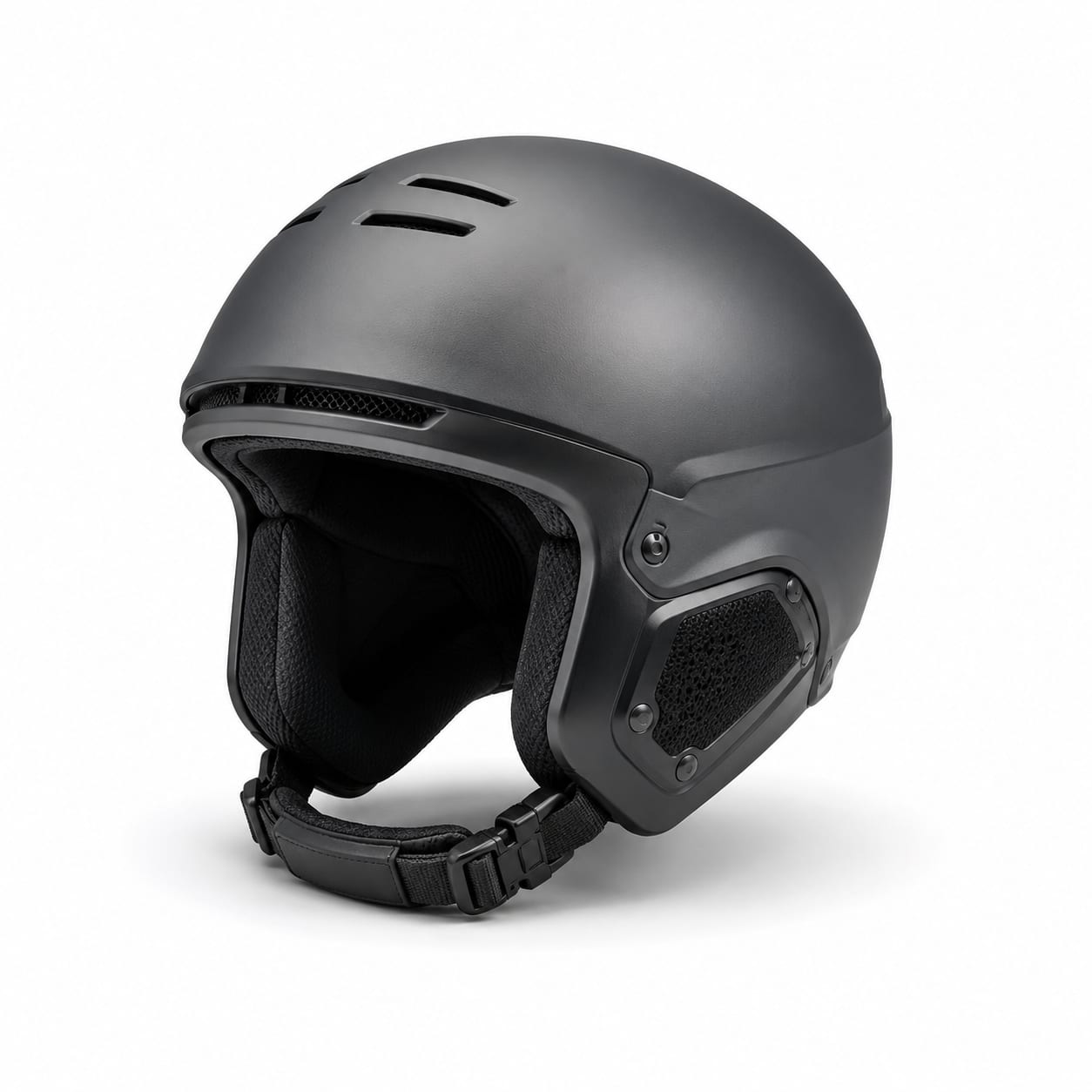
6 topics
Pick a question
Every answer links to the full subcategory guide and related gear types when it helps you decide.
Do I need a FIS-certified racing helmet for my child's ski race?
It depends on the race level. Most sanctioned competitions at the regional, national, and FIS level require FIS RH2013 certification. Check with your child's race program or the specific race organizer — they will specify the helmet requirements. Many club-level races for young children may accept CE EN1077 or ASTM F2040 helmets, but as racers advance, FIS certification becomes mandatory. When in doubt, buy FIS-certified to ensure eligibility.
Read answer →02Can I use my racing helmet for recreational skiing?
Technically yes, but it is not recommended. Racing helmets are significantly heavier, hotter, and less comfortable than recreational helmets. The chin guard restricts peripheral vision and makes lift rides awkward. The lack of ventilation will cause overheating and goggle fogging during all-day skiing. Most racers own a separate recreational helmet for free skiing and reserve their racing helmet for competition and gate training.
Read answer →03How do I know if my racing helmet still meets FIS standards after a crash?
Any racing helmet that has sustained a significant impact should be replaced, even if there is no visible damage. EPS foam is designed to deform permanently on impact, and its protective capability is compromised after a crash. Additionally, inspect the shell for cracks, the chin guard for looseness or damage, and the chin strap for stretching or damage. When in doubt, replace the helmet — your safety is worth far more than the cost of a new helmet.
Read answer →04Is a carbon fiber racing helmet worth the extra cost?
For serious racers who train frequently, carbon fiber is worth the investment. The weight savings of 50-100g compared to composite shells reduces neck fatigue during long training days and can improve head position at speed. For racers who only compete occasionally, a composite-shell FIS-certified helmet provides the same safety certification at a lower price. The protection level is equivalent — carbon fiber's advantage is weight, not impact absorption.
Read answer →05Why do racing helmets have so little ventilation?
Aerodynamics. At racing speeds, any opening or protrusion on the helmet surface creates drag and turbulence that slows the racer down. Adjustable vent sliders would be particularly problematic as they create uneven surfaces and could potentially open during a run. The minimal ventilation is an intentional design trade-off — racing helmets prioritize speed and protection over comfort. This is why they are uncomfortable for anything other than short race runs.
Read answer →06Can I remove the chin guard from my racing helmet for free skiing?
No — you should never modify a racing helmet by removing the chin guard or any other component. The helmet is designed and certified as a complete system, and removing parts compromises both the structural integrity and the FIS certification. If you want a helmet for free skiing, purchase a separate recreational half-shell helmet. Using a modified racing helmet may be more dangerous than using a properly designed recreational helmet.
Read answer →