
For serious racers who train frequently, carbon fiber is worth the investment. The weight savings of 50-100g compared to composite shells reduces neck fatigue during long training days and can improve head position at speed. For racers who only compete occasionally, a composite-shell FIS-certified helmet provides the same safety certification at a lower price. The protection level is equivalent — carbon fiber's advantage is weight, not impact absorption.
Ski Helmet · Racing Ski Helmet
Is a carbon fiber racing helmet worth the extra cost?
Related gear types
If this answer nudged you toward a different style, these guides compare specs and trade-offs.
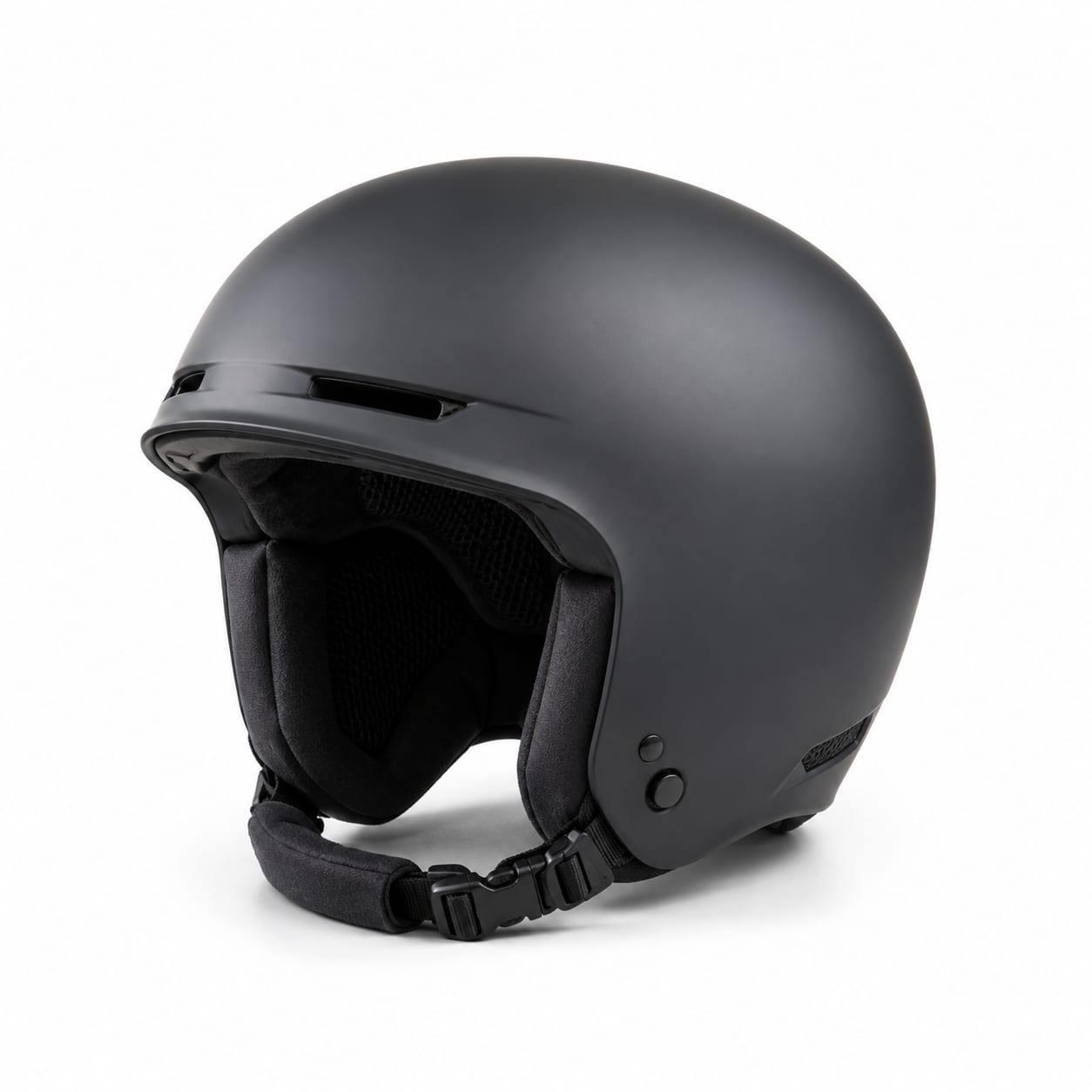
Full-Shell Ski Helmet
$80 – $450
Helmets with complete hardshell coverage extending over the ears for maximum protection.
Hardshell extends over earsSuperior penetration resistanceMaximum impact absorption
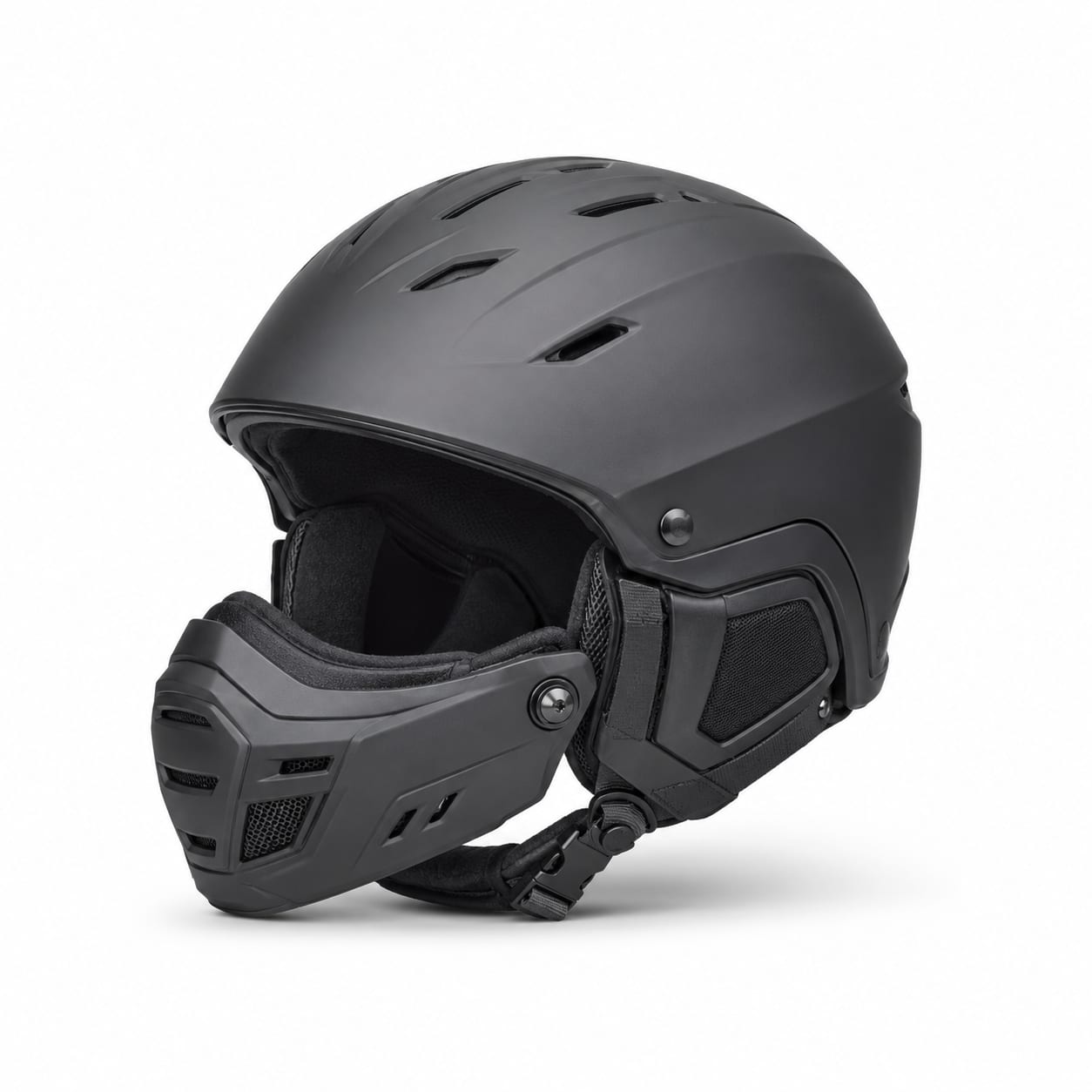
Convertible/Modular Helmet
$160 – $450
Helmets with removable chin guards or modular components that adapt between full-shell and half-shell configurations.
Removable chin guardConvertible ear coverageTool-free conversion
More questions
- Do I need a FIS-certified racing helmet for my child's ski race?
- Can I use my racing helmet for recreational skiing?
- How do I know if my racing helmet still meets FIS standards after a crash?
- Why do racing helmets have so little ventilation?