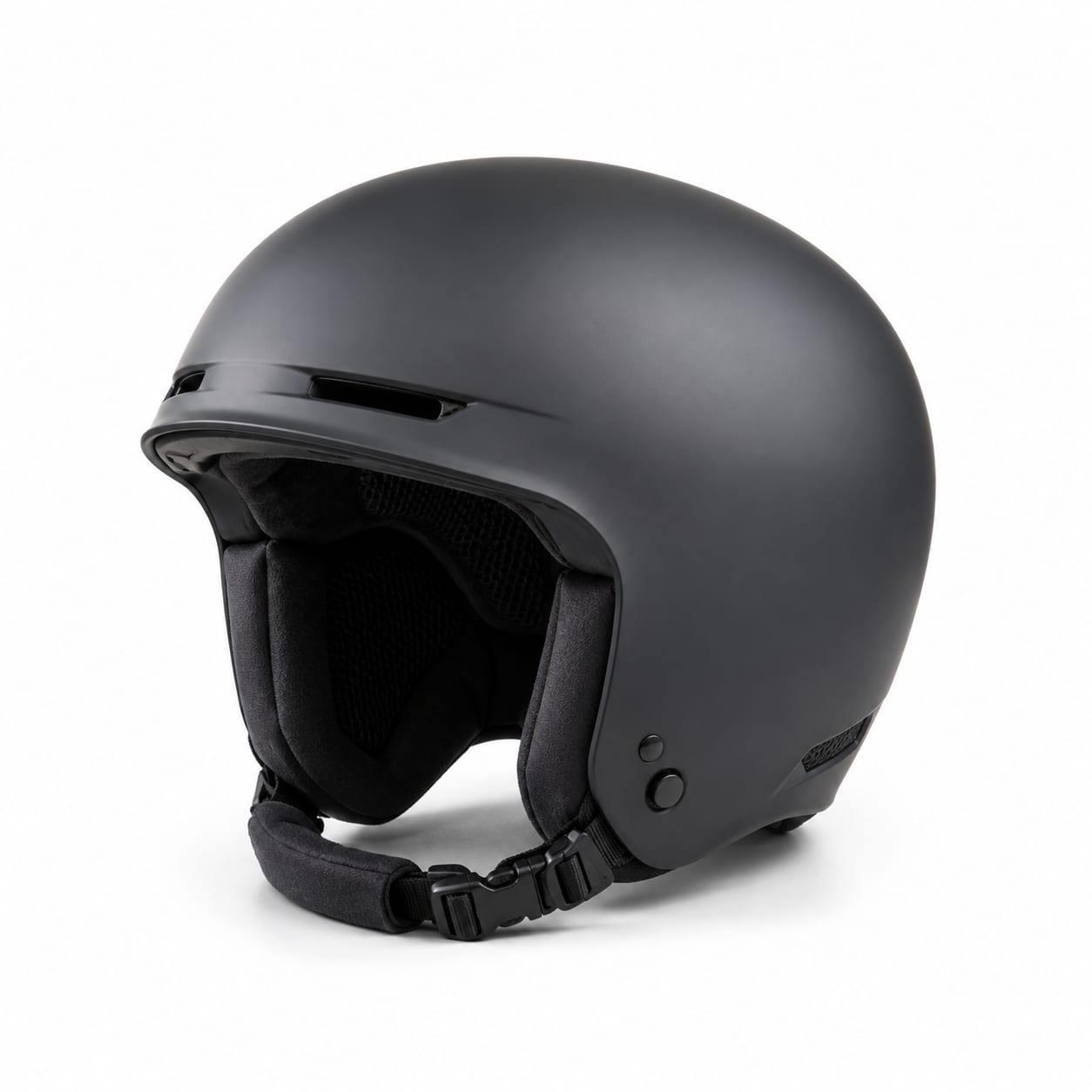
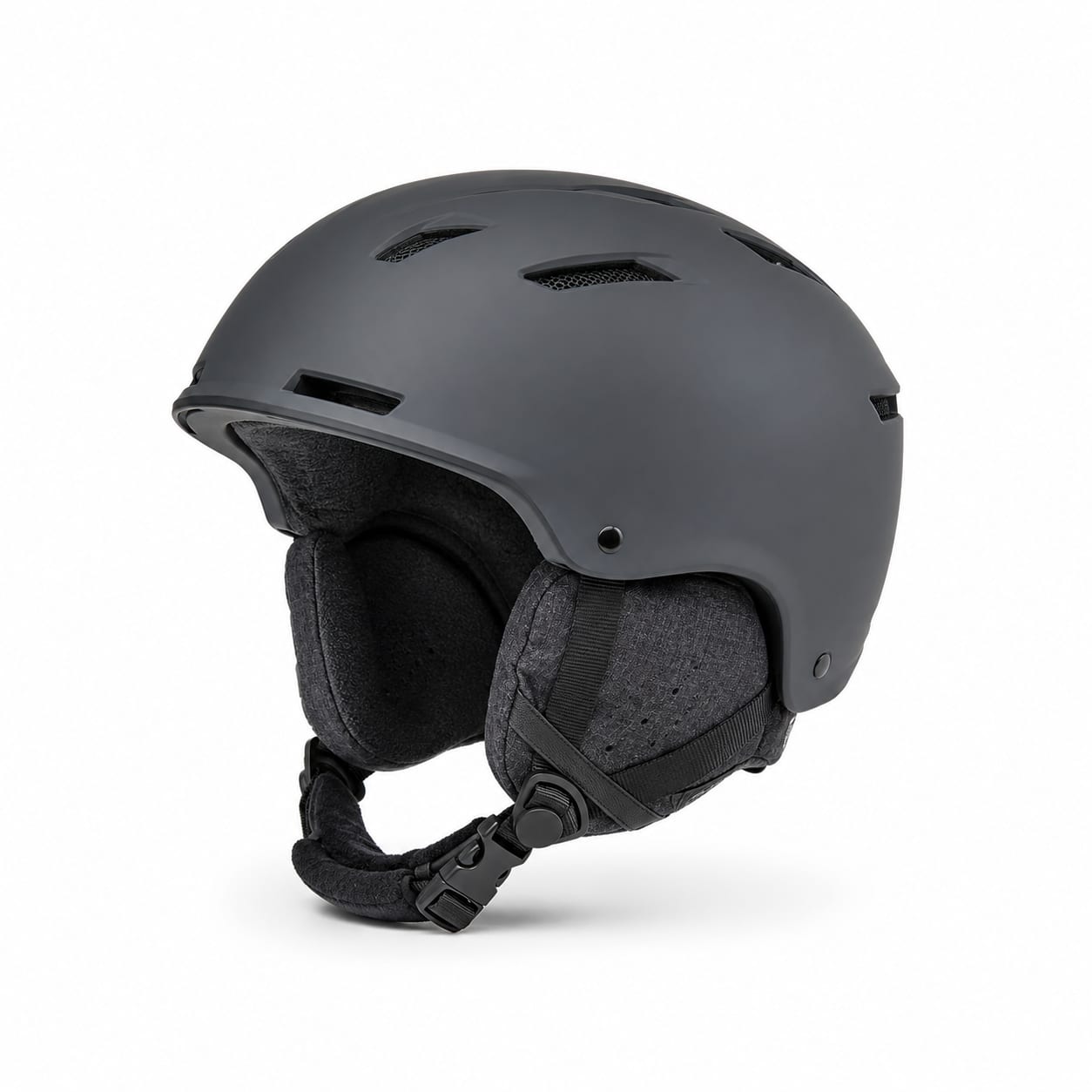
Kitvore.com

Kitvore.com

Specs that matter. Gear that fits.

Ski Helmet · Subcategory

Racing Ski Helmet

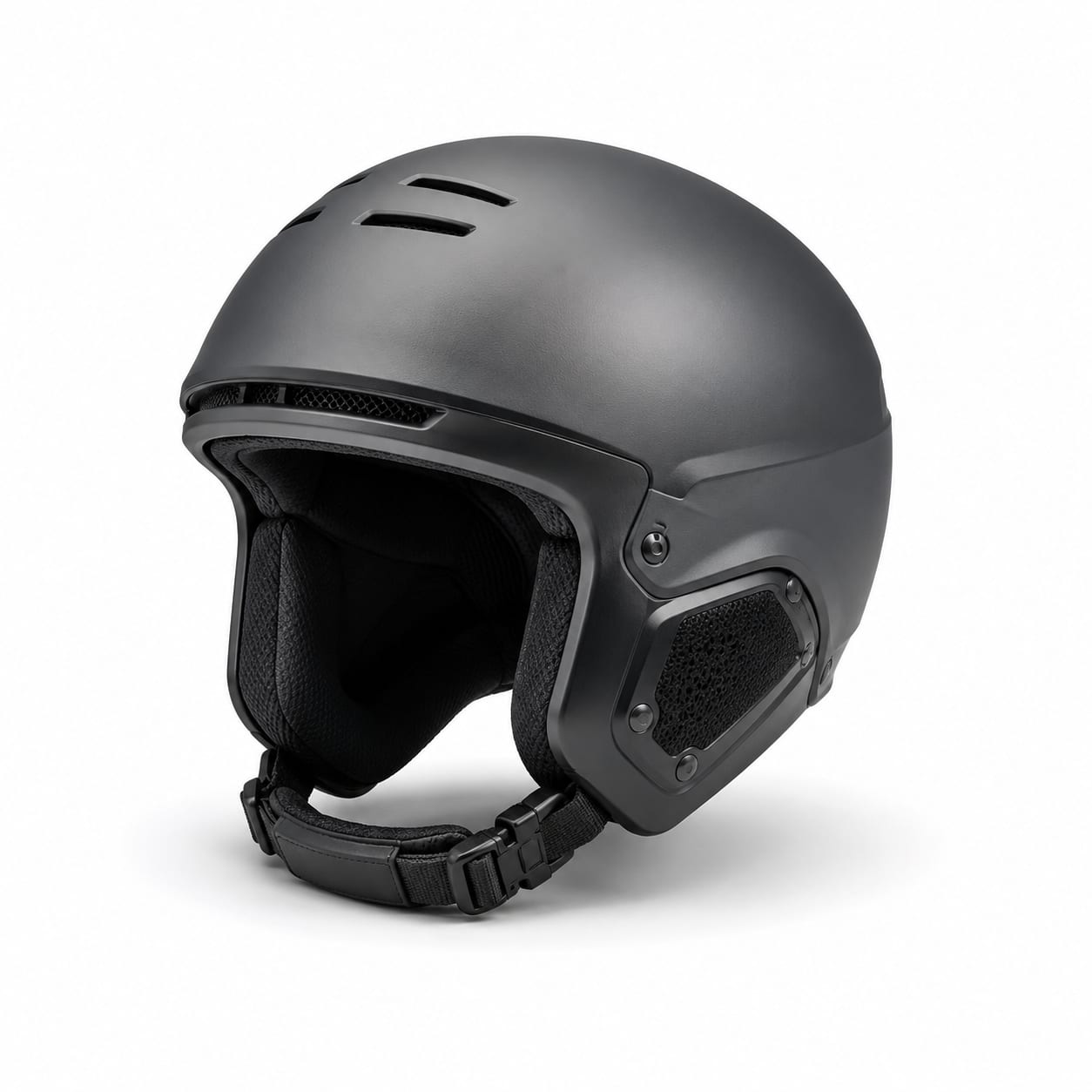
Full-shell, FIS-certified helmet with chin guard designed for competitive alpine ski racing at the highest levels.

Racing ski helmets are purpose-built for competitive alpine skiing, offering maximum impact protection with full shell coverage including a chin guard, aerodynamic shaping, and certification to rigorous FIS standards. They sacrifice ventilation, comfort, and versatility in exchange for the highest level of head protection and aerodynamic performance required in speed and technical disciplines.

$150 – $550premium tieradvancedexpert

Best known for

Full shell coverage with attached chin guardFIS RH2013 certification for competition eligibilityAerodynamic sculpted profilesMaximum impact protection for high-speed crashesCarbon fiber and composite shell construction
Racing Ski Helmet

Guide

Detailed overview

Racing ski helmets are the most protective and specialized category of ski helmets, engineered specifically for competitive alpine ski racing across disciplines including slalom, giant slalom, super-G, and downhill. Unlike recreational half-shell helmets, racing helmets feature a full shell design that encases the entire head including the lower jaw, with an integrated chin guard that shields the face from gate impacts and crash forces. These helmets must meet stringent FIS (Fédération Internationale de Ski) certification standards — specifically the RH2013 regulation — to be permitted in sanctioned competition, making FIS compliance a non-negotiable requirement for any racer competing at regional, national, or international levels. The design philosophy prioritizes protection and aerodynamics above all else, resulting in a helmet that is heavier, less ventilated, and less comfortable than recreational options, but provides the critical safety margin needed when skiing at speeds exceeding 100 km/h in downhill events or navigating tight slalom corridors where gate contact is constant.

Racing ski helmets occupy a distinct and highly specialized niche within the ski helmet market, designed to meet the extreme demands of competitive alpine racing where speeds routinely exceed 80 km/h in technical events and can surpass 130 km/h in downhill. The defining characteristic of a racing helmet is its full shell construction with an integrated chin guard — a feature absent from all other ski helmet categories. This chin guard is essential in slalom and giant slalom, where racers actively cross-block gates with their arms and upper body, making facial and jaw impacts from gate poles a regular occurrence. Without the chin guard, these high-speed gate strikes would cause serious facial injuries.

The certification landscape for racing helmets is more demanding than any other ski helmet subcategory. FIS RH2013 certification is the governing standard for competition use, and it imposes stricter impact testing protocols than CE EN1077 or ASTM F2040. A helmet that carries FIS RH2013 certification has been tested to withstand higher impact energies and more impact locations, including the chin guard area. This certification is mandatory for FIS-sanctioned races, and many national governing bodies also require it for their competition pathways. Racers should verify that their helmet carries a valid FIS sticker — typically a holographic label — as race officials will check this at equipment inspection.

Aerodynamics play a significant role in racing helmet design. The smooth, sculpted profiles are wind-tunnel tested to minimize drag, and the close-fitting design eliminates the gaps and protrusions found on recreational helmets. Many top-level racing helmets feature carbon fiber or advanced composite shells that provide exceptional strength at minimal weight, though this comes at a substantial price premium. The lack of adjustable ventilation is intentional — closed vents maintain the smooth aerodynamic surface and prevent air turbulence that could destabilize the racer at speed. This makes racing helmets notably warm and prone to fogging when used outside of race conditions.

Fit is critically important in a racing helmet because a loose helmet can shift during a crash, exposing the head to impact, and can create aerodynamic instability at speed. Most quality racing helmets feature a dial-based fit system that allows precise micro-adjustment, and racers should spend considerable time ensuring the helmet sits snugly with no pressure points. The chin strap must be securely fastened — many racing organizations mandate specific strap configurations, and the double D-ring closure found on some racing helmets provides the most secure attachment, though it is less convenient than magnetic or side-release buckles. Racers should also ensure their goggles integrate seamlessly with the helmet, as gaper gaps are not only uncomfortable but create aerodynamic drag that can affect performance at elite levels.

Quick facts

Primary purpose
Competitive alpine ski racing (slalom, GS, super-G, downhill)
Popular brands
POCUvexSweet ProtectionAlpinaCarreraBriko
Typical terrain
Race coursesGroomed steep pitchesIce

What makes it different

FIS certification requirement and full hardshell ear coverage distinguish racing helmets from all other categories; built for high-speed impact scenarios

Recommended ranges

How this type usually specs out

Each spec is explained in plain language, then we show what buyers usually look for on this type.

Style

Helmet Style

What it means

The overall design and coverage category of the helmet, which determines the level of protection, ear coverage, and intended use environment.

Typical for this type

Full Shell (Mandatory For Competition)

In practice

Racing ski helmets are exclusively full shell designs with integrated chin guards. This is required by FIS rules and is the defining feature that separates racing helmets from all other categories.

Compared to other types

Unlike half-shell, freestyle, or mountaineering helmets that leave the face and jaw exposed, racing helmets provide complete encasement. This makes them significantly heavier and less ventilated but offers protection that no other style can match.

Why it matters: Full shell coverage protects the entire head including the lower jaw, which is essential in racing where gate strikes and high-speed crashes pose severe facial injury risks. No other helmet style is permitted in sanctioned competition.

Size (Head Circumference)

Size

What it means

The head circumference measurement the helmet is designed to fit, typically measured in centimeters around the widest part of the head above the eyebrows.

Typical for this type

52-62 cm (must be precise — no room for sizing error)

Most common pick: 55-59 cm

In practice

Racing helmets must fit extremely tightly with zero movement. Most adult racing helmets are available in S through L, covering approximately 52-62 cm head circumferences. Some brands offer XS and XL sizes.

Compared to other types

While recreational helmets can tolerate a slightly looser fit, racing helmets demand the most precise sizing of any subcategory. Racers often try multiple sizes and brands to find the exact fit, as even a few millimeters of excess room is unacceptable.

Why it matters: A loose racing helmet can shift during a crash, leaving areas unprotected, and can create aerodynamic instability at high speeds. The fit must be precise enough that the helmet does not rotate or shift when the head moves violently.

Construction

Construction Type

What it means

The method used to join the outer shell and inner foam liner, which affects weight, durability, and impact absorption characteristics.

Typical for this type

Hybrid Or In Mold (With Carbon Fiber Reinforcement)

In practice

Most high-end racing helmets use hybrid construction — in-mold in the crown area for weight savings combined with a harder shell in the lower sections and chin guard for durability. Premium models may feature full in-mold construction with carbon fiber shells.

Compared to other types

Racing helmets are more likely to use hybrid or advanced in-mold construction compared to recreational helmets that commonly use hardshell ABS. The performance demands and price points of racing justify more sophisticated construction methods.

Why it matters: Racing helmets must balance minimum weight (to reduce neck fatigue during long race days) with maximum durability (to withstand gate strikes and crash impacts). Hybrid construction optimizes both objectives.

Rotational Protection

Rotational Impact Protection

What it means

Technology designed to reduce rotational forces on the brain during oblique impacts. Rotational forces are a leading cause of concussions and traumatic brain injuries in skiing.

Typical for this type

Mips Strongly Recommended; Some FIS-Certified Models Now Include It

In practice

An increasing number of FIS-certified racing helmets now incorporate MIPS technology. However, not all racing helmets include rotational protection, as integrating MIPS into a full shell design with chin guard is more complex than in half-shell helmets.

Compared to other types

Racing helmets have been slower to adopt MIPS than recreational helmets due to the engineering challenges of integrating it into full shell designs, but the trend is clearly toward inclusion. Racers should seek MIPS-equipped models when available in their size and FIS certification.

Why it matters: Racing crashes at high speeds generate extreme rotational forces. MIPS can reduce the rotational energy transmitted to the brain during oblique impacts, which are common in racing falls. Given the severity of potential impacts, rotational protection is especially valuable in this subcategory.

Certification

Certification Standard

What it means

The safety certification standard(s) the helmet meets or exceeds. Different standards have different testing protocols and protection requirements.

Typical for this type

FIS RH2013 Mandatory For Sanctioned Competition; CE EN1077 Class A And/Or ASTM F2040 As Baseline

Most common pick: CE EN1077 Class A + FIS RH2013

In practice

FIS RH2013 is the critical certification for racing helmets — without it, the helmet cannot be used in FIS-sanctioned competition. Most racing helmets also carry CE EN1077 Class A (the higher-coverage European standard) and/or ASTM F2040. Snell RS-98 may appear on some models.

Compared to other types

Racing helmets are the only subcategory where FIS RH2013 certification is relevant. Recreational half-shell, freestyle, and mountaineering helmets do not carry this certification and are not designed to meet its requirements.

Why it matters: FIS RH2013 certification is non-negotiable for competitive racing. Race officials inspect helmets for the FIS sticker at equipment control, and helmets without it are disqualified. This certification ensures the helmet has passed higher-energy impact tests than recreational standards require.

Ventilation

Ventilation Type

What it means

The ventilation system design, which affects temperature regulation, fog prevention for goggles, and comfort in varying weather conditions.

Typical for this type

Fixed Or None (Aerodynamic Priority Over Comfort)

In practice

Most racing helmets have fixed ventilation channels or no external vents at all. The smooth outer surface is prioritized for aerodynamic performance, and adjustable vent sliders would create drag and turbulence at racing speeds.

Compared to other types

This is the opposite approach from recreational helmets, where adjustable ventilation is a key feature. Racing helmets sacrifice the rider's thermal comfort for aerodynamic gains — a trade-off that only makes sense in a competitive context where every hundredth of a second matters.

Why it matters: In racing, aerodynamic efficiency directly impacts performance. Adjustable vents would compromise the smooth airflow over the helmet, creating drag that costs time. The trade-off is significantly reduced comfort and warmth management.

Weight

Weight

What it means

The total weight of the helmet in grams. Lighter helmets reduce neck fatigue on long days but may sacrifice some features or durability.

Typical for this type

450-650 g (including chin guard)

Most common pick: 550 g

In practice

Racing helmets are heavier than recreational models due to the full shell construction and chin guard. Carbon fiber models can approach 450 g, while composite or ABS models with chin guards may exceed 600 g. The chin guard alone adds approximately 80-150 g.

Compared to other types

Racing helmets are the heaviest subcategory, typically 100-250 g heavier than half-shell recreational helmets. The chin guard and full shell coverage are responsible for most of this weight difference.

Why it matters: Weight matters in racing because a heavy helmet causes neck fatigue over long training days and can affect head position at high speeds. However, the protective requirements of full shell construction make some weight unavoidable. Carbon fiber shells offer the best strength-to-weight ratio.

Fit System

Fit Adjustment System

What it means

The mechanism used to fine-tune the helmet's fit to the head after selecting the appropriate size. A good fit system ensures the helmet stays securely in place during impacts.

Typical for this type

Dial Boa Or Ergo Dial (Precise Micro-Adjustment Essential)

In practice

Most quality racing helmets feature a dial-based fit system (BOA or proprietary equivalent) that allows precise micro-adjustment. This is critical for achieving the snug, secure fit required for both safety and aerodynamic performance.

Compared to other types

Dial fit systems are equally important in racing as in premium recreational helmets, but for different reasons — recreational users value convenience, while racers value the precise, secure lock that prevents any helmet movement during high-speed runs and crashes.

Why it matters: A racing helmet must not move on the head at all — any shift during a crash could expose the head, and any movement at speed creates aerodynamic instability. A dial system allows the racer to achieve and maintain a locked-in fit throughout a run.

Goggle Fit

Goggle Compatibility

What it means

How well the helmet integrates with ski goggles, including the absence of a gaper gap, secure goggle strap attachment, and proper vent alignment to prevent fogging.

Typical for this type

Matched System Preferred For Aerodynamic Integration; Universal Acceptable

In practice

Racing helmets are often designed to integrate with specific racing goggles from the same brand (e.g., POC helmet + POC goggles, Uvex helmet + Uvex goggles). This ensures no gaper gap for aerodynamic efficiency and seamless vent alignment to minimize fogging.

Compared to other types

Goggle integration matters more in racing than in any other subcategory because of the aerodynamic implications. While recreational skiers may tolerate a small gaper gap, racers cannot afford the drag penalty it creates.

Why it matters: At racing speeds, even a small gap between helmet and goggles creates aerodynamic drag. Matched systems eliminate this gap and ensure the goggle strap sits properly on the helmet shell. Fogging is also a critical concern since racing helmets have limited ventilation.

Ear Pads

Ear Pad Type

What it means

The style and removability of ear protection, which affects warmth, hearing ability, and versatility across seasons and conditions.

Typical for this type

None Or Fixed (Hard-Shell Ear Coverage Integrated Into Full Shell)

In practice

Racing helmets typically do not have separate ear pads — the ear coverage is integrated into the rigid full shell construction. This provides superior impact protection for the ears and temples but offers no removability or audio compatibility.

Compared to other types

This is a major difference from recreational helmets, which almost universally feature removable insulated or audio-compatible ear pads. Racing helmets sacrifice comfort and versatility for protection and aerodynamics.

Why it matters: Integrated hard-shell ear coverage provides much better impact protection than soft ear pads, which is critical in racing where gate strikes to the head are common. The rigid construction also maintains the aerodynamic profile of the helmet.

Liner

Liner Material

What it means

The inner liner material that contacts the head, providing comfort, moisture management, and additional impact absorption.

Typical for this type

Multi Density Eps Or Koroyd Eps (Premium Impact Absorption)

In practice

Racing helmets frequently use multi-density EPS foam that varies firmness across zones — softer in low-impact areas for comfort and firmer in high-impact zones for maximum energy absorption. Premium models may incorporate Koroyd in critical areas.

Compared to other types

Racing helmets are more likely to feature multi-density or Koroyd-enhanced liners than budget recreational helmets, reflecting the higher performance expectations and price points of this subcategory.

Why it matters: Multi-density EPS provides more sophisticated impact absorption than single-density foam, better tuning the helmet's response to different impact severities. Given the extreme forces in racing crashes, this optimized absorption is particularly valuable.

Audio Compatible

Audio Ready

What it means

Whether the helmet is designed to accommodate audio speakers or headphones, either with built-in speakers or compatible ear pads with speaker pockets.

Typical for this type

False (Audio Is Incompatible With Racing Helmet Design And Competition Rules)

In practice

Racing helmets are not audio-compatible. The integrated hard-shell ear coverage has no speaker pockets, and wearing headphones is prohibited during competition. Audio capability is fundamentally incompatible with the design and purpose of a racing helmet.

Compared to other types

Unlike recreational helmets where audio compatibility is a popular feature, racing helmets have no audio options. This is one of the clearest distinctions between racing and recreational helmet design philosophies.

Why it matters: Audio is not a consideration in racing helmets. Racers need full situational awareness, and the rigid ear construction does not accommodate speakers. This is a feature that simply does not apply to this subcategory.

Washable Liner

Removable Washable Liner

What it means

Whether the interior padding and liner can be removed for washing, which affects hygiene and longevity of the helmet.

Typical for this type

False (Most Racing Helmets Have Fixed Liners For Structural Integrity)

In practice

Most racing helmets have fixed, non-removable liners. The liner is often bonded to the EPS foam for structural integrity, and the tight tolerances required for racing fit do not accommodate removable padding systems that could shift during use.

Compared to other types

Recreational helmets increasingly feature removable, washable liners for hygiene and convenience. Racing helmets prioritize fit consistency over washability, reflecting the different priorities of competitive versus recreational use.

Why it matters: A fixed liner ensures consistent, predictable fit that will not shift or compress unevenly over time. While this makes cleaning more difficult, it maintains the precise fit that racing demands.

Shell Material

Shell Material

What it means

The material used for the outer shell of the helmet, which affects durability, weight, and appearance.

Typical for this type

Carbon Fiber (Premium) Or Composite (Mid-Range); Avoid ABS For Serious Racing

In practice

Carbon fiber is the preferred shell material for high-end racing helmets, offering exceptional strength at minimal weight. Composite/fiberglass shells are common in mid-range racing helmets. ABS is generally avoided due to its weight penalty.

Compared to other types

Racing helmets are the subcategory most likely to feature carbon fiber shells, which are rare in recreational helmets due to cost. The performance justification for carbon fiber is strongest in racing, where every gram matters.

Why it matters: Shell material directly affects the helmet's weight and strength. Carbon fiber provides the best strength-to-weight ratio, which is why it dominates at the elite racing level. The weight savings are meaningful over a full day of training runs.

Number of Vents

Number of Vents

What it means

The total count of ventilation openings on the helmet. More vents provide better airflow but may reduce warmth.

Typical for this type

0-6 vents (minimal for aerodynamic smoothness)

Most common pick: 4

In practice

Racing helmets have very few vents — typically 2-6 small fixed vents. Many high-speed downhill helmets have no external vents at all. The vents that exist are primarily internal channels designed to manage moisture without disrupting the smooth outer profile.

Compared to other types

Recreational helmets typically have 8-14 vents, many adjustable. Racing helmets have the fewest vents of any subcategory, reflecting the priority of aerodynamics over thermal comfort.

Why it matters: Fewer vents create a smoother aerodynamic surface, which is critical at racing speeds. The minimal ventilation means racing helmets run hot and are prone to goggle fogging, but this is an accepted trade-off for aerodynamic performance.

Brim or Visor

Brim / Visor

What it means

Whether the helmet includes a brim or visor for sun protection, weather deflection, and goggle integration.

Typical for this type

None (Aerodynamic Priority; Brims Create Drag)

In practice

Racing helmets never have brims or visors. Any protrusion from the smooth helmet surface creates aerodynamic drag and turbulence. The clean, sculpted profile is essential for minimizing air resistance at racing speeds.

Compared to other types

Unlike all-mountain and freeride helmets where brims are popular for sun protection, racing helmets must maintain a perfectly smooth profile. This is one of the most visible differences between racing and recreational helmet shapes.

Why it matters: A brim or visor would act as an airfoil, creating lift and drag that could destabilize the racer at high speeds. The aerodynamic penalty makes brims completely incompatible with racing helmet design.

Buckle Type

Chin Strap Buckle Type

What it means

The type of buckle used on the chin strap, which affects ease of use, especially with gloves, and security of the closure.

Typical for this type

Double D Ring (Most Secure; Often Required By Racing Regulations) Or Side Release

In practice

Many racing helmets use double D-ring chin strap closures, which provide the most secure and reliable attachment. Some models use side-release buckles for convenience. Fidlock magnetic buckles are rare in racing helmets due to regulatory requirements in some disciplines.

Compared to other types

Racing helmets are the only subcategory where double D-ring closures are common. Recreational helmets have largely moved to Fidlock magnetic or side-release buckles for convenience, but racing prioritizes security over ease of use.

Why it matters: The chin strap must remain securely fastened during a crash — if it opens, the helmet can come off, eliminating all protection. Double D-rings are the most secure closure and are mandated by some racing organizations. The inconvenience of D-rings is accepted for the security they provide.

Evaluation

Strengths and trade-offs

Pros

What this type does best

Maximum impact protection

Critical

Full shell coverage with chin guard provides the highest level of head and facial protection available in any ski helmet, critical for surviving high-speed crashes and gate strikes.

FIS competition legal

Critical

FIS RH2013 certification makes these helmets eligible for sanctioned competition at all levels, from regional races to World Cup. Without this certification, racers cannot compete.

Aerodynamic optimization

High

Sculpted, wind-tunnel-tested profiles minimize drag and turbulence at racing speeds, providing a measurable performance advantage over recreational helmets.

Superior facial protection from gate strikes

Critical

The integrated chin guard shields the jaw and face from slalom and GS gate pole impacts, which occur routinely in technical disciplines and can cause serious injury without protection.

Carbon fiber weight savings

High

Premium racing helmets with carbon fiber shells achieve full shell protection at weights approaching recreational helmets, reducing neck fatigue during long training days.

Precise, locked-in fit

High

Dial-based fit systems and tight manufacturing tolerances ensure the helmet stays perfectly positioned during high-speed runs and violent crashes, when helmet shift could be catastrophic.

Multi-density impact absorption

Medium

Advanced liner materials like multi-density EPS and Koroyd provide more sophisticated energy absorption than standard foam, better protecting against the extreme forces in racing crashes.

Cons

Trade-offs to be aware of

Very poor ventilation

Significant

Minimal or no vents make racing helmets extremely warm and prone to causing goggle fog. They are uncomfortable for anything other than short race runs in cold conditions.

Heavy compared to recreational helmets

Moderate

Even carbon fiber racing helmets with chin guards weigh 450-650g, significantly more than half-shell recreational models. This causes neck fatigue during long training sessions.

Extremely expensive

Significant

FIS-certified racing helmets with carbon fiber shells typically cost $300-600+, with some elite models exceeding $800. This is 3-5x the cost of quality recreational helmets.

Not versatile for recreational skiing

Moderate

Racing helmets are too hot, heavy, and uncomfortable for all-day resort skiing. The chin guard restricts peripheral vision and makes lift rides awkward. They are single-purpose equipment.

Limited goggle compatibility

Minor

The close-fitting design works best with matched-brand racing goggles. Many recreational goggles will not integrate properly, creating gaps or pressure points.

Double D-ring buckle inconvenience

Minor

Many racing helmets use D-ring chin strap closures that are slow to fasten and unfasten, especially with gloves. This is a daily frustration during training sessions with multiple runs.

Best for

Terrain

Groomed race coursesIce and hard-pack race surfacesSpeed venues (downhill and super-G tracks)Slalom and GS courses with tight gate corridors

Snow conditions

Cold race-day conditionsHard and icy race surfacesCompetition environments requiring FIS-certified equipmentHigh-speed training environments

Skill level

Advanced competitive racersElite and professional racersSerious junior racers in competition programsMasters racers

Riding style

Alpine ski racing (all disciplines)Gate trainingSpeed disciplines (downhill, super-G)Technical disciplines (slalom, giant slalom)

Rider profile

FIS-licensed competitive racersClub and academy racers needing competition-legal helmetsRacers who regularly train gates and need chin guard protectionParents of junior racers who need FIS-certified equipment for their children's competition pathway

Not ideal for

Reasons

Far too hot and uncomfortable for all-day recreational skiingChin guard restricts peripheral vision needed for general skiingFIS certification adds cost that is wasted if you are not competingNo ventilation makes it miserable for spring skiing or warm conditionsHeavy weight causes unnecessary neck fatigue for non-racing useAerodynamic design provides no benefit at recreational skiing speeds

Terrain

Backcountry and off-piste terrainTerrain parks and halfpipesMogul fieldsCasual groomed runs

Skill level

Beginners who are not racingIntermediate recreational skiersAnyone not participating in organized racing programs

Riding style

Freestyle and park ridingSki touring and mountaineeringCasual all-mountain skiingBackcountry freeride

Compare

How it stacks up

This page

Racing Ski Helmet

Dramatically superior protection with full shell coverage and chin guard; FIS-certified for competition; aerodynamic for racing speeds; prevents facial injuries from gate strikes.

Alternative

Half Shell / Alpine Ski Helmet

Much lighter, better ventilated, more comfortable for all-day skiing; removable ear pads for versatility; audio-compatible options; far less expensive; works well with most goggles.

Bottom line

Choose a racing helmet only if you compete in sanctioned races or regularly train gates. For all other skiing, a half-shell helmet provides adequate protection with far greater comfort and versatility.

This page

Racing Ski Helmet

Far superior impact protection with full shell and chin guard; meets FIS racing standards; aerodynamic design; proper ear coverage for gate strike protection.

Alternative

Freestyle / Park Ski Helmet

Much lighter and lower-profile for freedom of movement during tricks; better ventilation; more stylish aesthetic; significantly less expensive; more comfortable for park sessions.

Bottom line

Racing helmets and freestyle helmets serve completely different purposes. Racers need the protection and certification of a racing helmet; park riders need the low profile and comfort of a freestyle helmet. Never substitute one for the other.

This page

Racing Ski Helmet

Far superior impact protection; chin guard for facial protection; FIS-certified for competition; designed for high-speed crash forces rather than falling rock impacts.

Alternative

Mountaineering / Touring Ski Helmet

Dramatically lighter for uphill travel; excellent ventilation for high-output climbing; headlamp clips for early starts; much more comfortable during sustained aerobic effort; often dual-certified for mountaineering.

Bottom line

These are completely different tools for different activities. Racing helmets are for descending at speed on groomed courses; mountaineering helmets are for uphill travel and alpine objectives. There is no overlap in their intended use.

This page

Racing Ski Helmet

Full adult sizing with more sophisticated construction; carbon fiber shell options; advanced multi-density liners; wider range of FIS-certified models from top brands.

Alternative

Junior / Youth Racing Helmet

Properly sized for children's heads; lighter weight appropriate for developing neck muscles; less expensive since children outgrow helmets quickly; meets the same FIS standards as adult models.

Bottom line

Junior racers should use junior-specific racing helmets that fit properly — an oversized adult helmet is dangerous. Once a young racer's head size fits adult models, they can transition to adult racing helmets for more construction options.

Shopping

Buying tips

  • 1

    Verify FIS RH2013 certification before purchasing — look for the holographic FIS sticker on the helmet. Without it, the helmet cannot be used in sanctioned competition regardless of other certifications.

  • 2

    Try the helmet with your racing goggles before buying. The helmet-goggle integration must be seamless with no gaper gap. Many racing helmets are designed to pair with specific goggles from the same brand.

  • 3

    Prioritize fit above all else — a racing helmet must be snug enough that it cannot shift on your head even without the chin strap fastened. If you can rotate the helmet on your head, it is too loose.

  • 4

    Carbon fiber shells are worth the premium for serious racers who train frequently. The weight savings reduce neck fatigue over long training days and can improve head position at speed.

  • 5

    If you race both speed and technical disciplines, check whether your racing organization requires different helmet specifications. Some speed disciplines have additional requirements beyond standard FIS RH2013.

  • 6

    Consider buying from a specialty racing retailer or directly from your ski club's equipment partner, as they can ensure proper FIS certification and help with sizing that general sporting goods stores cannot.

  • 7

    Replace your racing helmet after any significant crash impact, even if damage is not visible. EPS foam is designed to deform permanently on impact, and a compromised helmet will not protect you in a subsequent crash.

  • 8

    Check your national governing body's specific equipment rules before purchasing, as some organizations have additional requirements beyond FIS standards regarding chin guard design, strap configuration, or helmet age limits.

Care

Maintenance notes

  • Inspect the chin guard attachment points regularly — loose or cracked chin guard mounts compromise facial protection and may indicate the helmet needs replacement.
  • Store the helmet in its protective bag away from direct sunlight and heat sources. UV exposure and high temperatures can degrade the EPS foam and shell over time.
  • Wipe the shell clean after each use with a damp cloth. Do not use solvents or harsh chemicals that could degrade the shell material or FIS certification stickers.
  • Check the FIS certification sticker periodically — if it becomes damaged or illegible, you may have difficulty passing equipment inspection at races.
  • Replace the helmet every 3-5 years even without crashes, as EPS foam degrades over time and certification standards may update. Some racing organizations mandate maximum helmet age.
  • Ensure the chin strap and buckle function properly before every race. A strap that does not secure properly renders the helmet ineffective.
  • Never modify a racing helmet — drilling holes, removing parts, or altering the shell voids the FIS certification and may compromise the helmet's protective capabilities.
  • Air dry the helmet fully between training sessions. The limited ventilation means moisture accumulates quickly, and a damp helmet promotes bacterial growth and odor.

Progression

Skill development path

Racing ski helmets are not tied to a skill progression in the traditional sense — they are tied to competition participation. A racer needs a FIS-certified racing helmet as soon as they enter sanctioned competition, regardless of their racing experience level. However, the investment in a premium carbon fiber racing helmet is most justified for racers who are committed to the sport and training regularly. Beginners in racing programs can start with more affordable composite or ABS racing helmets that carry the same FIS certification, then upgrade to carbon fiber models as they advance to higher competition levels where the weight savings and aerodynamic advantages become more meaningful. Junior racers should always use properly sized junior racing helmets rather than attempting to make adult helmets fit.

FAQ

Common questions

Each question has a dedicated page with a full answer and links to the buying guide.

Do I need a FIS-certified racing helmet for my child's ski race?

It depends on the race level. Most sanctioned competitions at the regional, national, and FIS level require FIS RH2013 certification. Check with your child's race program or the specific race organizer — they will specify the helmet requirements. Many club-level races for young children may accept CE EN1077 or ASTM F2040 helmets, but as racers advance, FIS certification becomes mandatory. When in doubt, buy FIS-certified to ensure eligibility.

Can I use my racing helmet for recreational skiing?

Technically yes, but it is not recommended. Racing helmets are significantly heavier, hotter, and less comfortable than recreational helmets. The chin guard restricts peripheral vision and makes lift rides awkward. The lack of ventilation will cause overheating and goggle fogging during all-day skiing. Most racers own a separate recreational helmet for free skiing and reserve their racing helmet for competition and gate training.

How do I know if my racing helmet still meets FIS standards after a crash?

Any racing helmet that has sustained a significant impact should be replaced, even if there is no visible damage. EPS foam is designed to deform permanently on impact, and its protective capability is compromised after a crash. Additionally, inspect the shell for cracks, the chin guard for looseness or damage, and the chin strap for stretching or damage. When in doubt, replace the helmet — your safety is worth far more than the cost of a new helmet.

Is a carbon fiber racing helmet worth the extra cost?

For serious racers who train frequently, carbon fiber is worth the investment. The weight savings of 50-100g compared to composite shells reduces neck fatigue during long training days and can improve head position at speed. For racers who only compete occasionally, a composite-shell FIS-certified helmet provides the same safety certification at a lower price. The protection level is equivalent — carbon fiber's advantage is weight, not impact absorption.