
Ski Hip Protectors · FAQ
Questions about Hard Shell Hip Protectors
Straight answers on fit, specs, and when this type makes sense — each topic has its own page with links back to the buying guide.
Open Hard Shell Hip Protectors guide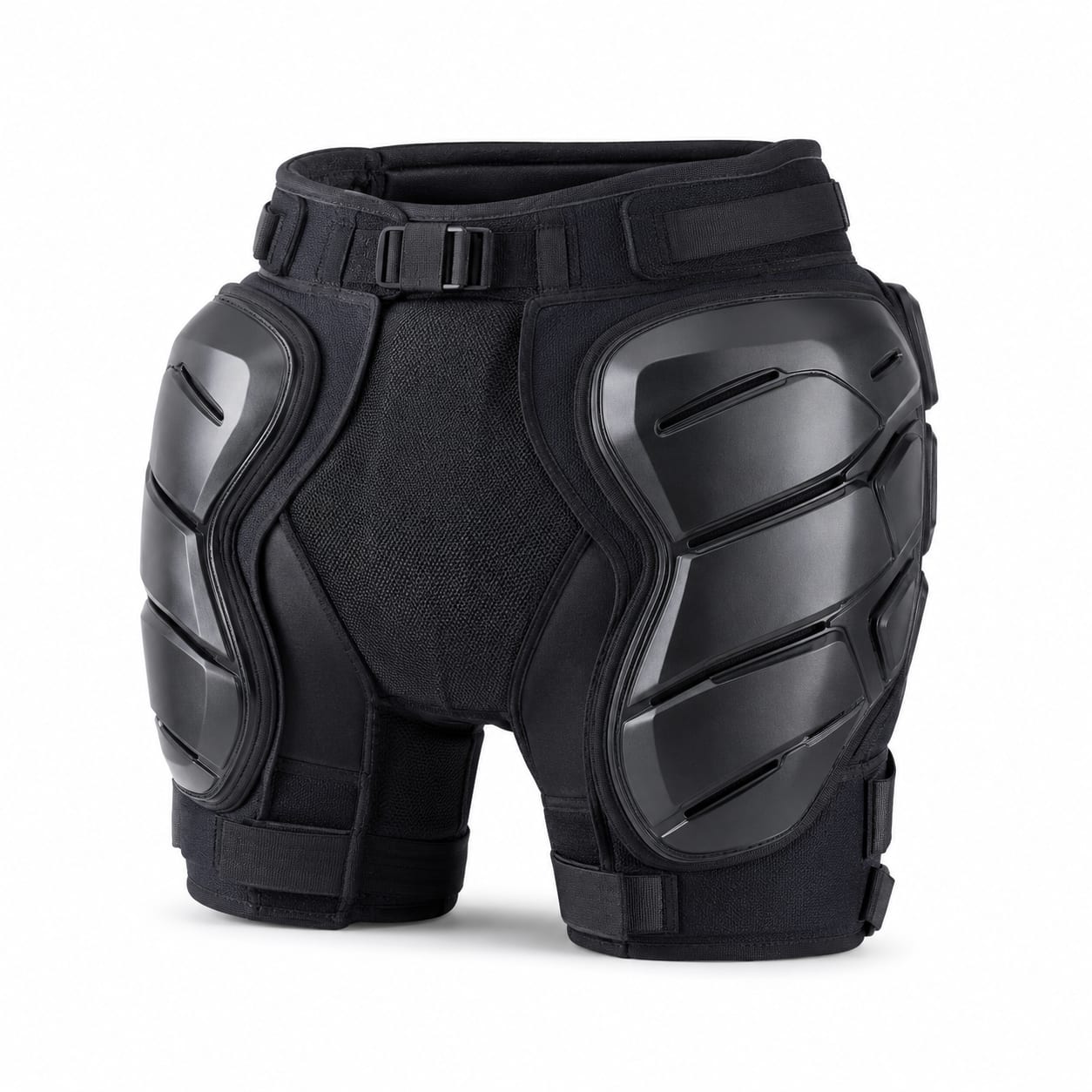
6 topics
Pick a question
Every answer links to the full subcategory guide and related gear types when it helps you decide.
Are hard shell hip protectors worth the reduced mobility?
It depends on your risk profile and skiing style. For racers, freestyle skiers hitting large features, and anyone with osteoporosis or previous hip injuries, the superior protection of hard shells is absolutely worth the mobility trade-off. For casual recreational skiers on groomed runs at moderate speeds, the mobility restriction may not be justified. Modern segmented shell designs have significantly reduced the mobility penalty compared to older one-piece shells. Try on a segmented design before deciding—you may find the restriction more manageable than expected.
Read answer →02Can I wear hard shell hip protectors under normal ski pants?
Yes, most hard shell protectors are designed to be worn under ski pants, but you need to ensure adequate room. Standard or relaxed-fit ski pants accommodate hard shell protectors well; slim or fitted pants may be too tight. The protector will be visible under clothing as a high-profile design. If discretion is important, consider wearing slightly looser ski pants or choosing a low-profile soft foam alternative instead.
Read answer →03How do I know if the shells are positioned correctly over my hip joints?
The rigid shells should sit directly over the greater trochanter—the bony prominence on the outside of your upper thigh, roughly at the level of your hip crease. To check, put on the protector and stand with feet shoulder-width apart. Place your hands on your hips—the shells should be centered on the most prominent bony point on each side. If the shells sit too high (on the iliac crest) or too low (on the thigh), the sizing is wrong. This is why trying on hard shell protectors before purchase is essential.
Read answer →04Do hard shell hip protectors work for snowboarding too?
Yes, hard shell hip protectors work well for snowboarding, and many snowboarders prefer them because they frequently fall on their sides and hips. The penetration resistance is valuable against rail and box edges in the terrain park. However, snowboarders should note that the sitting position on chairlifts (facing sideways) can create different pressure points than for skiers. Look for models with segmented shells that flex slightly in the seated position.
Read answer →05How long do hard shell hip protectors last?
The rigid shells themselves are extremely durable and can last indefinitely if not cracked. The foam underlayers typically last 3-5 seasons before showing compression or degradation. The carrier short's elastic and fabric usually wear out first, lasting 2-4 seasons depending on use frequency and washing care. Many quality models feature removable and replaceable carrier shorts, allowing you to keep the shells and replace only the worn fabric components. Inspect all components annually before the season starts.
Read answer →06I have osteoporosis. Is a hard shell protector definitely better than a CE Level 2 D3O protector?
Not necessarily definitively, but hard shell protectors do offer advantages for osteoporosis patients. Both hard shell and high-quality D3O protectors can achieve CE Level 2 certification (≤9 kN transmission), but hard shell models tend to achieve lower kN values (5-7 kN vs 7-9 kN for D3O). Since hip fractures can occur at 3-10 kN depending on bone density, the lower transmission values of hard shells provide a greater safety margin. However, the best protector is the one you will actually wear consistently—if a D3O protector's comfort means you wear it every day while a hard shell stays in your locker, the D3O is the better choice for you. Consult your doctor about the specific kN threshold relevant to your bone density.
Read answer →