
Not necessarily definitively, but hard shell protectors do offer advantages for osteoporosis patients. Both hard shell and high-quality D3O protectors can achieve CE Level 2 certification (≤9 kN transmission), but hard shell models tend to achieve lower kN values (5-7 kN vs 7-9 kN for D3O). Since hip fractures can occur at 3-10 kN depending on bone density, the lower transmission values of hard shells provide a greater safety margin. However, the best protector is the one you will actually wear consistently—if a D3O protector's comfort means you wear it every day while a hard shell stays in your locker, the D3O is the better choice for you. Consult your doctor about the specific kN threshold relevant to your bone density.
Ski Hip Protectors · Hard Shell Hip Protectors
I have osteoporosis. Is a hard shell protector definitely better than a CE Level 2 D3O protector?
Related gear types
If this answer nudged you toward a different style, these guides compare specs and trade-offs.
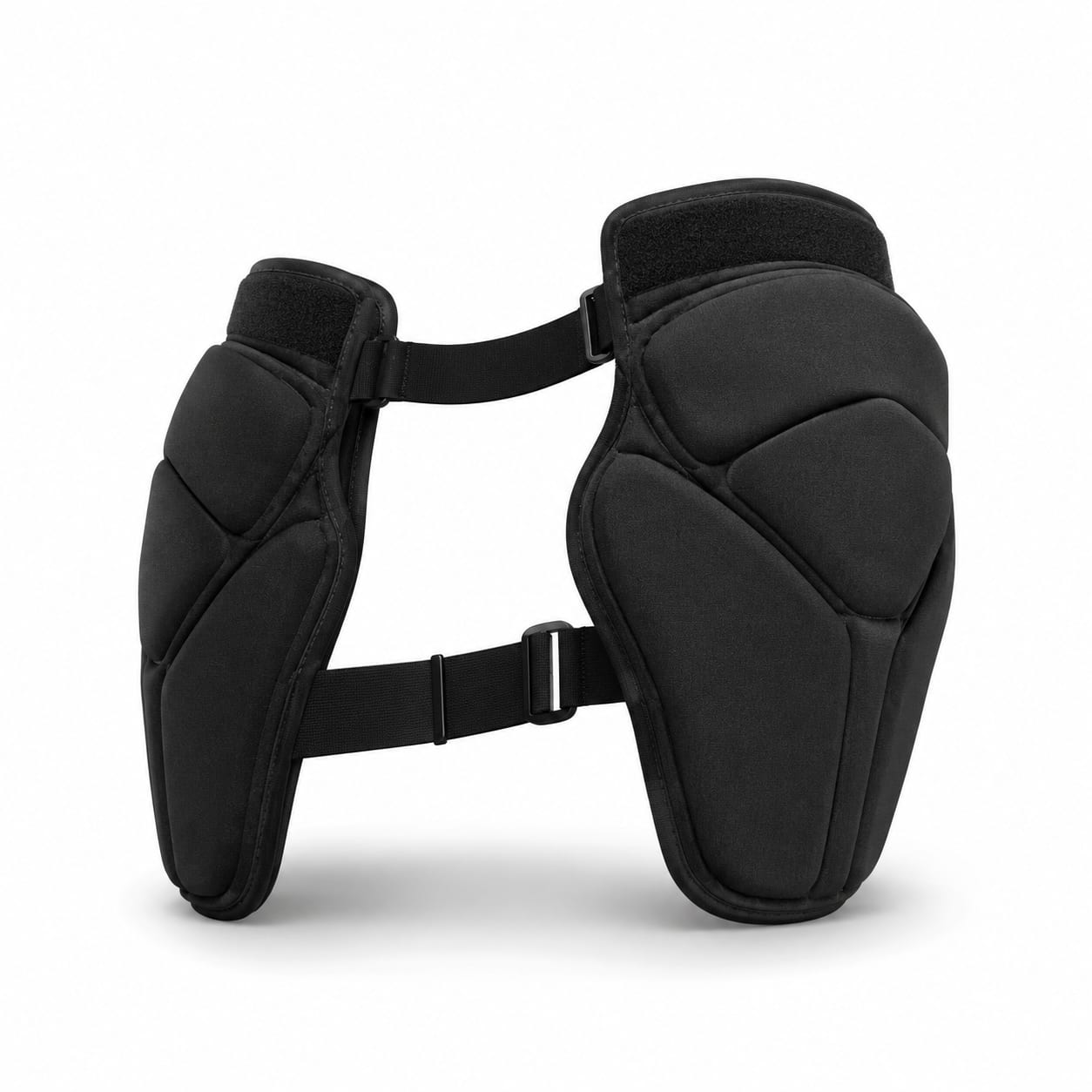
Standalone Hip Pads / Shields
$20 – $80
Individual hip pads that attach via straps or slip into compatible clothing pockets.
Hip-only coverageStrap-on or insert designLow profile
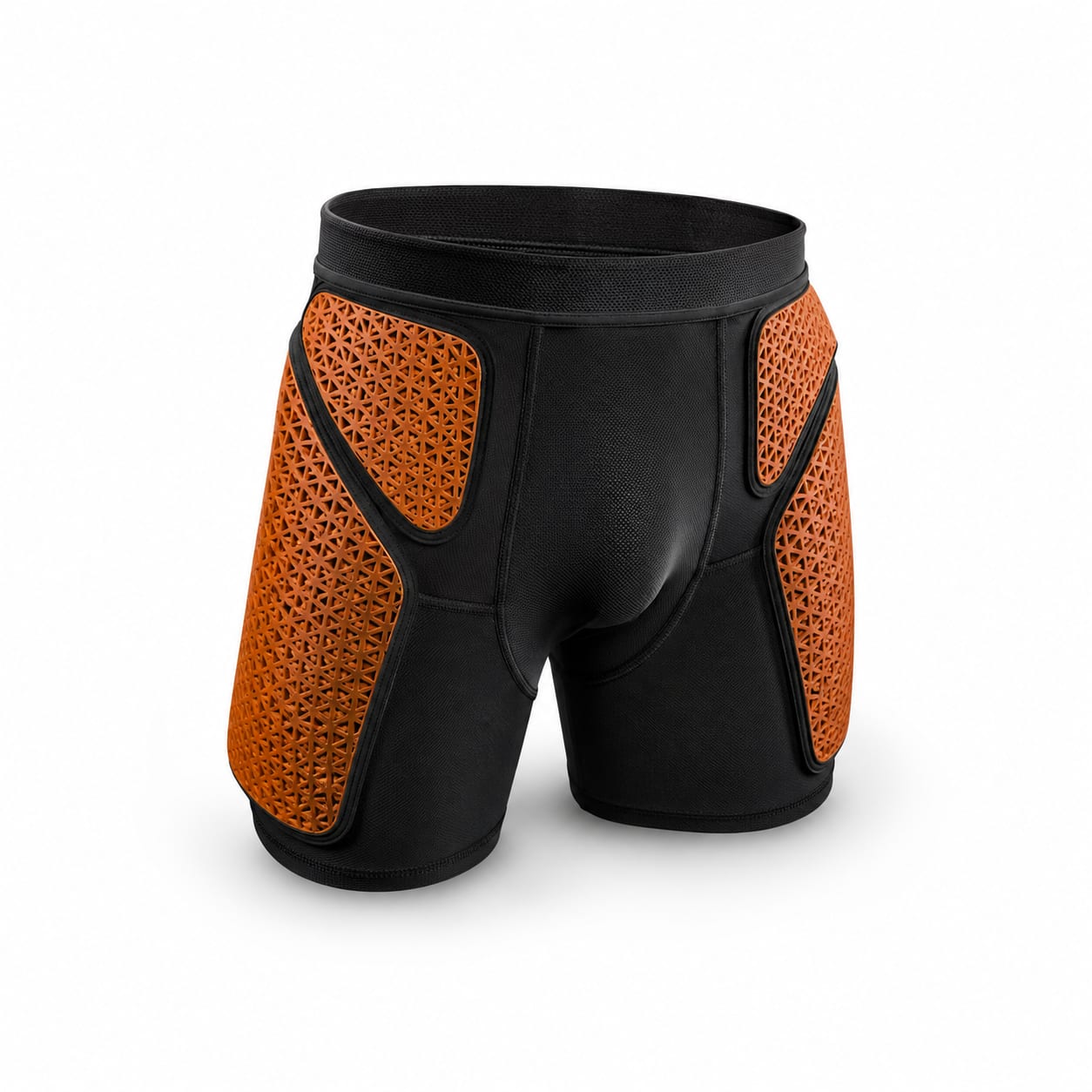
D3O / Smart Material Hip Protectors
$60 – $220
Hip protectors using reactive smart materials that remain flexible and harden instantly on impact.
Non-Newtonian reactive materialFlexible during wearInstant stiffening on impact
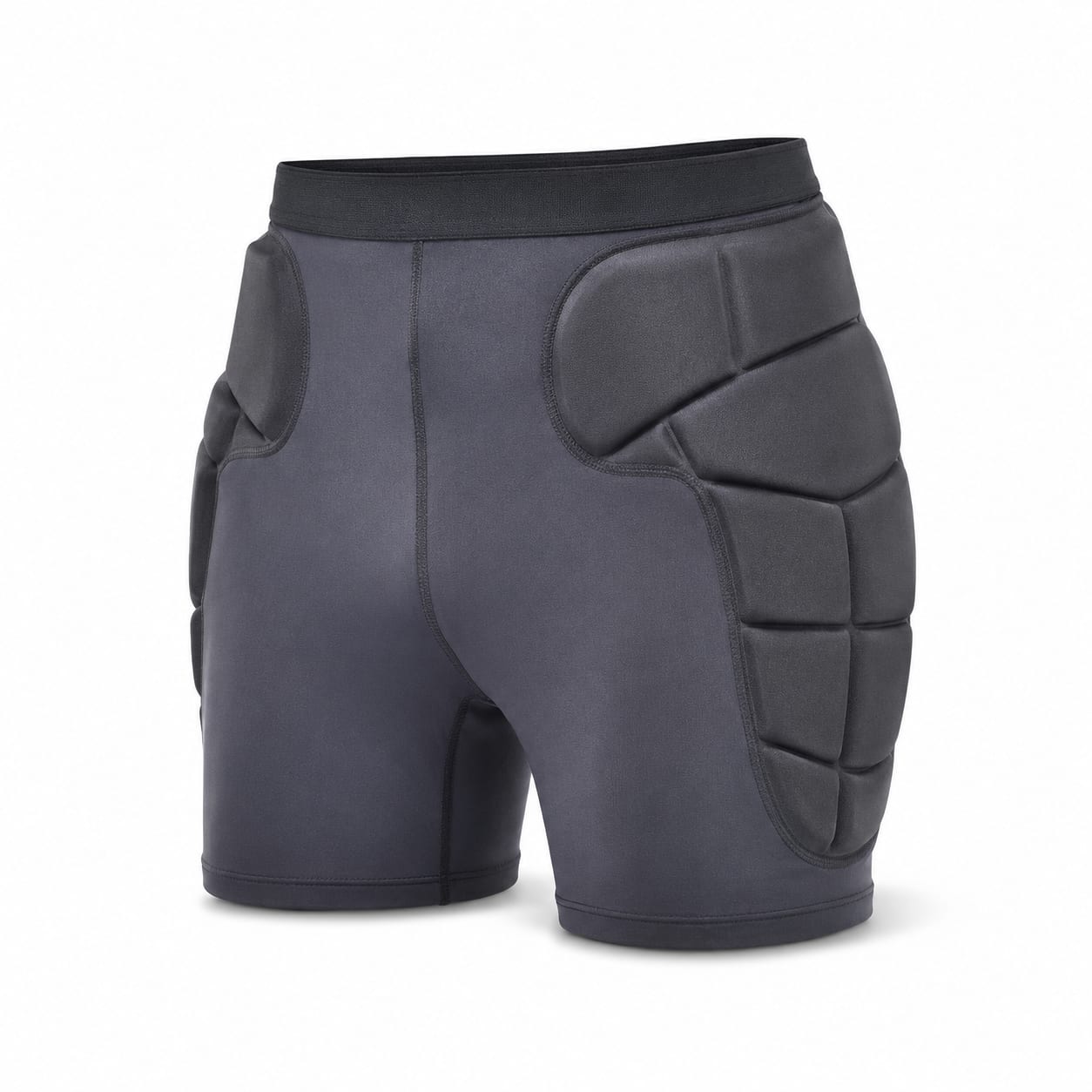
Soft Foam Hip Protectors
$25 – $90
Traditional flexible foam-padded hip protectors prioritizing comfort and everyday wearability.
EVA or PU foam paddingFlexible and comfortableLow profile
More questions
- Are hard shell hip protectors worth the reduced mobility?
- Can I wear hard shell hip protectors under normal ski pants?
- How do I know if the shells are positioned correctly over my hip joints?
- Do hard shell hip protectors work for snowboarding too?