Kitvore.com

Kitvore.com

Specs that matter. Gear that fits.

Ski Protection

Ski Hip Protectors

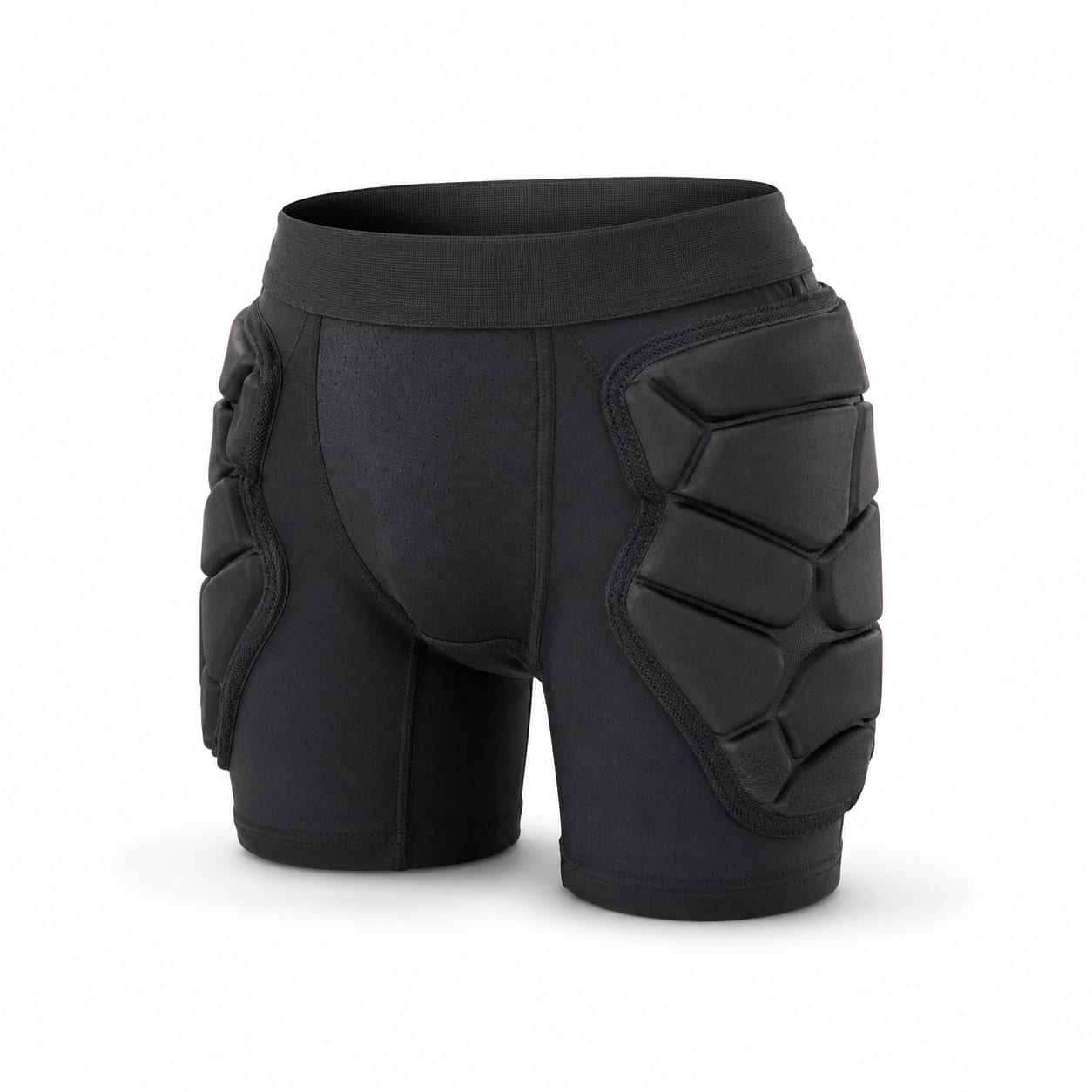
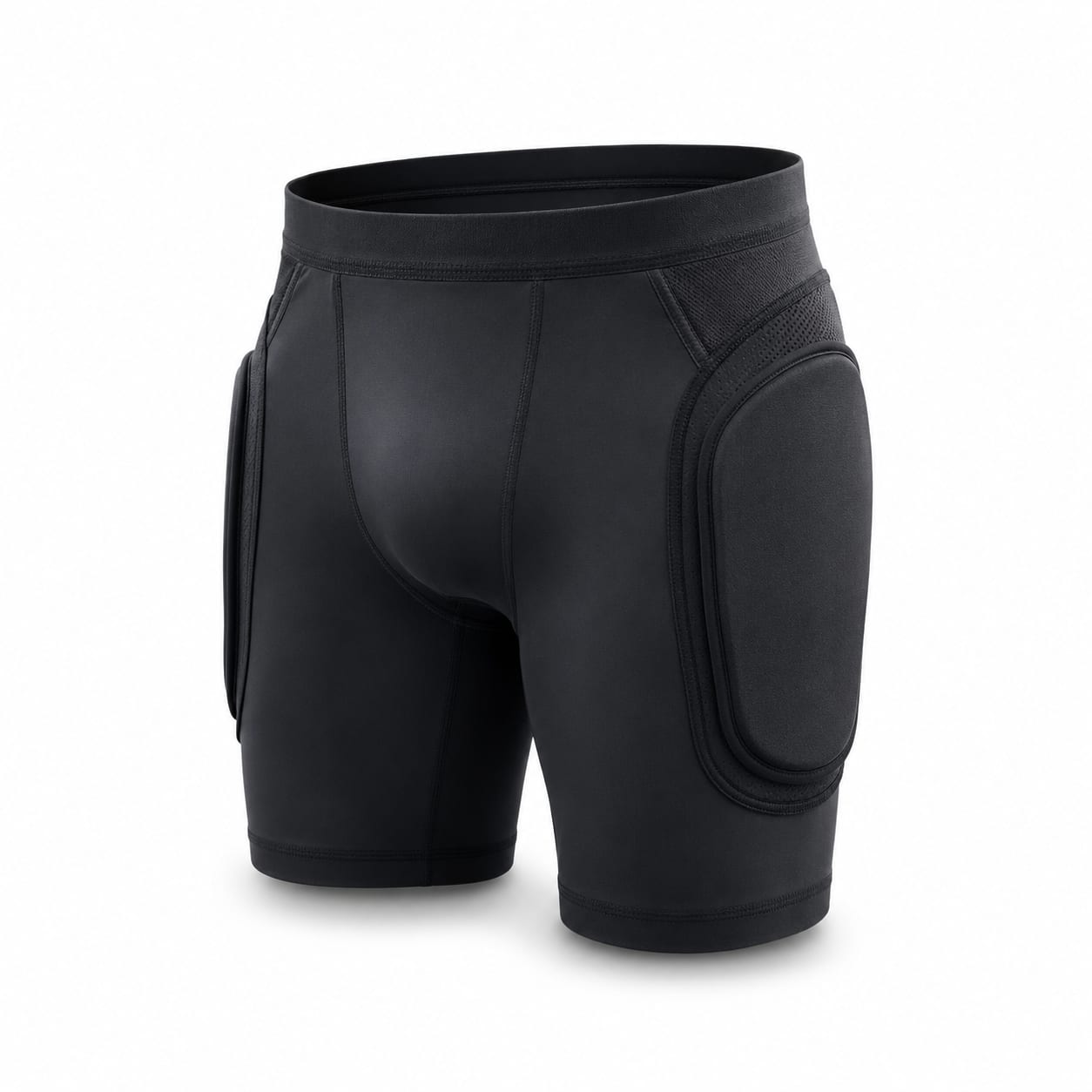
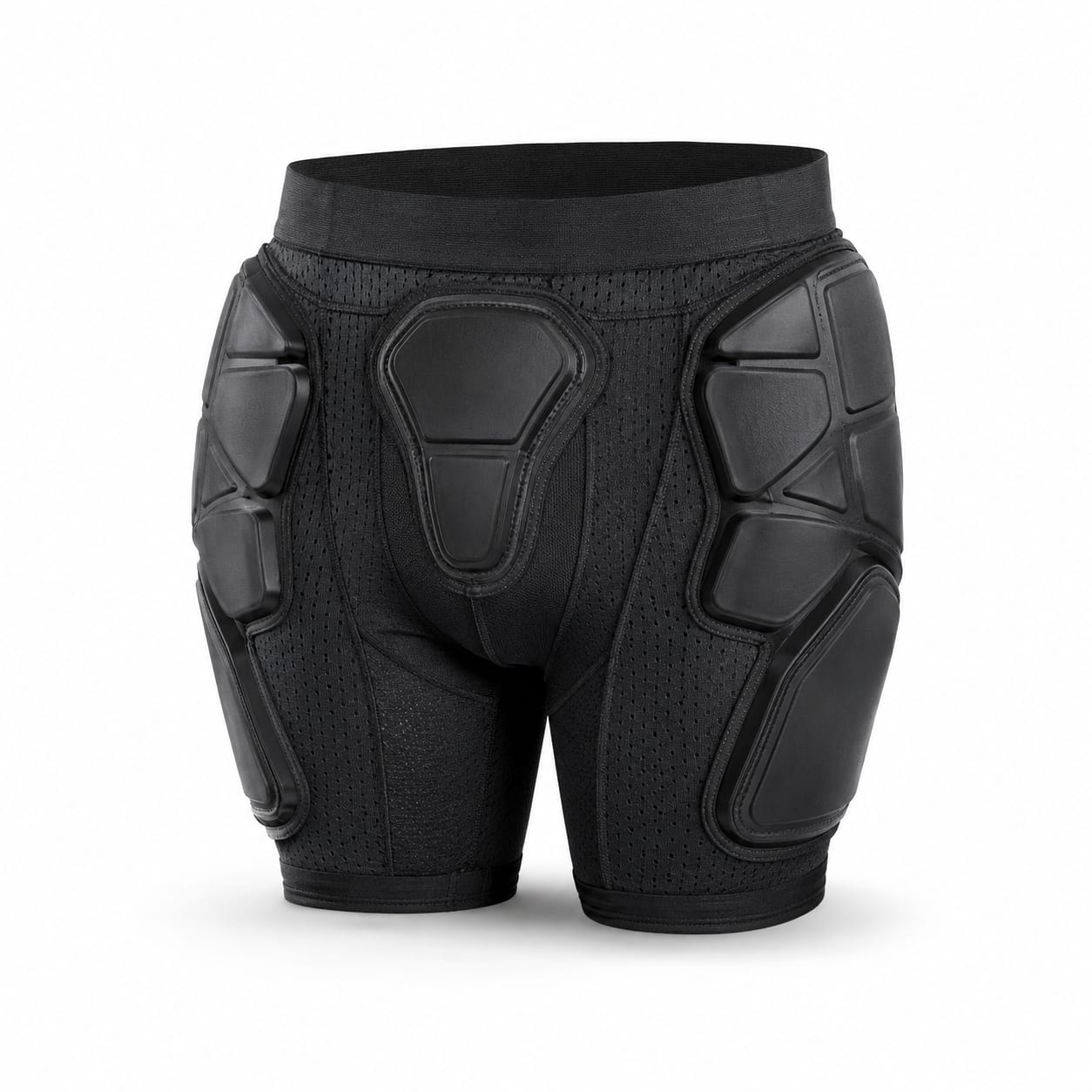
Impact-absorbing protective shorts or pads designed to shield the hips, pelvis, and surrounding areas from falls and collisions while skiing.

Older skiers concerned about hip fracturesBeginner and intermediate skiers prone to fallsSkiers with osteoporosis or previous hip injuriesRacing and freestyle skiers seeking impact protection

17

Key specs

8

Subcategories

6

Related gear topics

Ski Hip Protectors

Overview

What this equipment is for

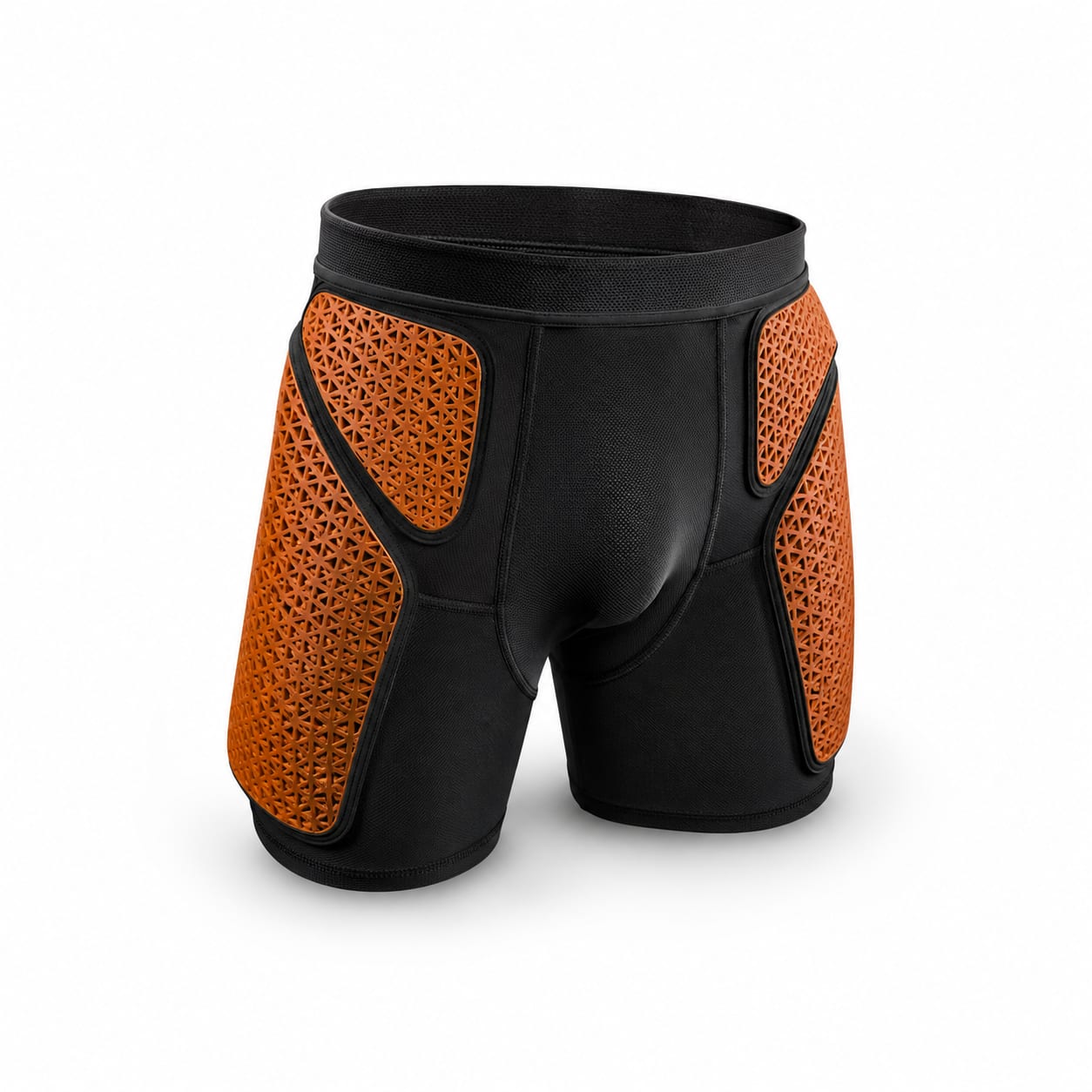
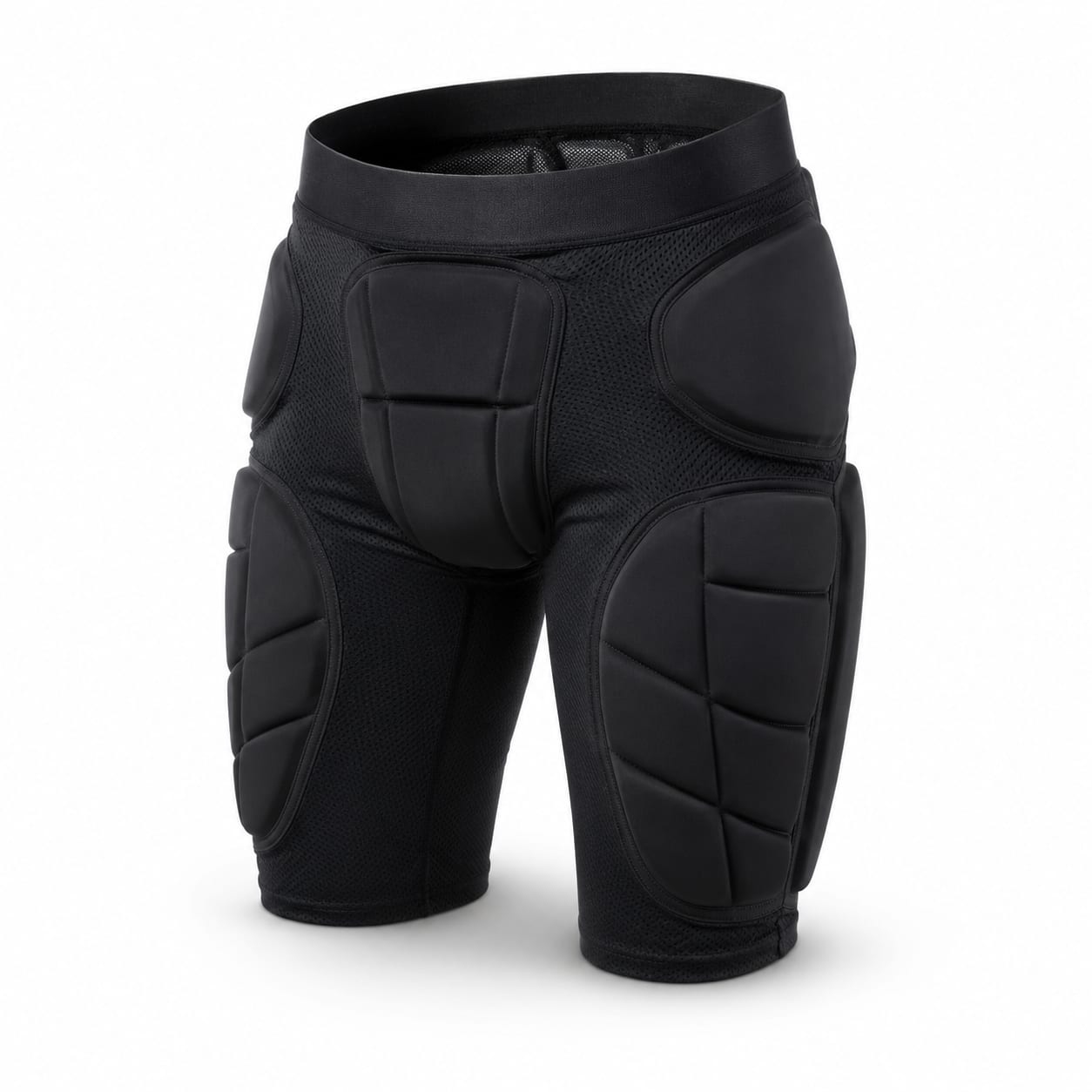
Ski hip protectors are specialized protective equipment worn under or over ski pants to reduce the risk of hip fractures, contusions, and other impact injuries during falls. They are particularly critical for older skiers, beginners, and those with osteoporosis or previous injuries. Modern designs use advanced viscoelastic foams that remain flexible during movement but stiffen on impact, balancing protection with comfort and mobility.

Related equipment

Ski knee padsSki back protectorsSki wrist guardsSki helmetsImpact shortsTailbone protectors

Buying specs

Specs worth understanding before you buy

Each spec explains how it affects performance, fit, and whether a product suits your style and use case.

Protection & Safety

Core protective specifications that determine how effectively the hip protector reduces injury risk.

Protection Level / Certification

protection_level

Importance

The certified level of impact protection, typically based on EN 1621-1 or similar standards, indicating how much force is transmitted through the protector.

CE Level 1

Transmits no more than 18 kN of force; standard protection suitable for most recreational skiers.

CE Level 2

Transmits no more than 9 kN of force; enhanced protection for higher-risk scenarios.

Non-Certified

No formal impact certification; provides basic cushioning but unverified protection levels.

CE Level 1 is sufficient for most recreational skiers. Choose CE Level 2 if you have osteoporosis, are recovering from injury, or engage in high-speed or freestyle skiing. Non-certified options should only be considered for comfort rather than serious protection.
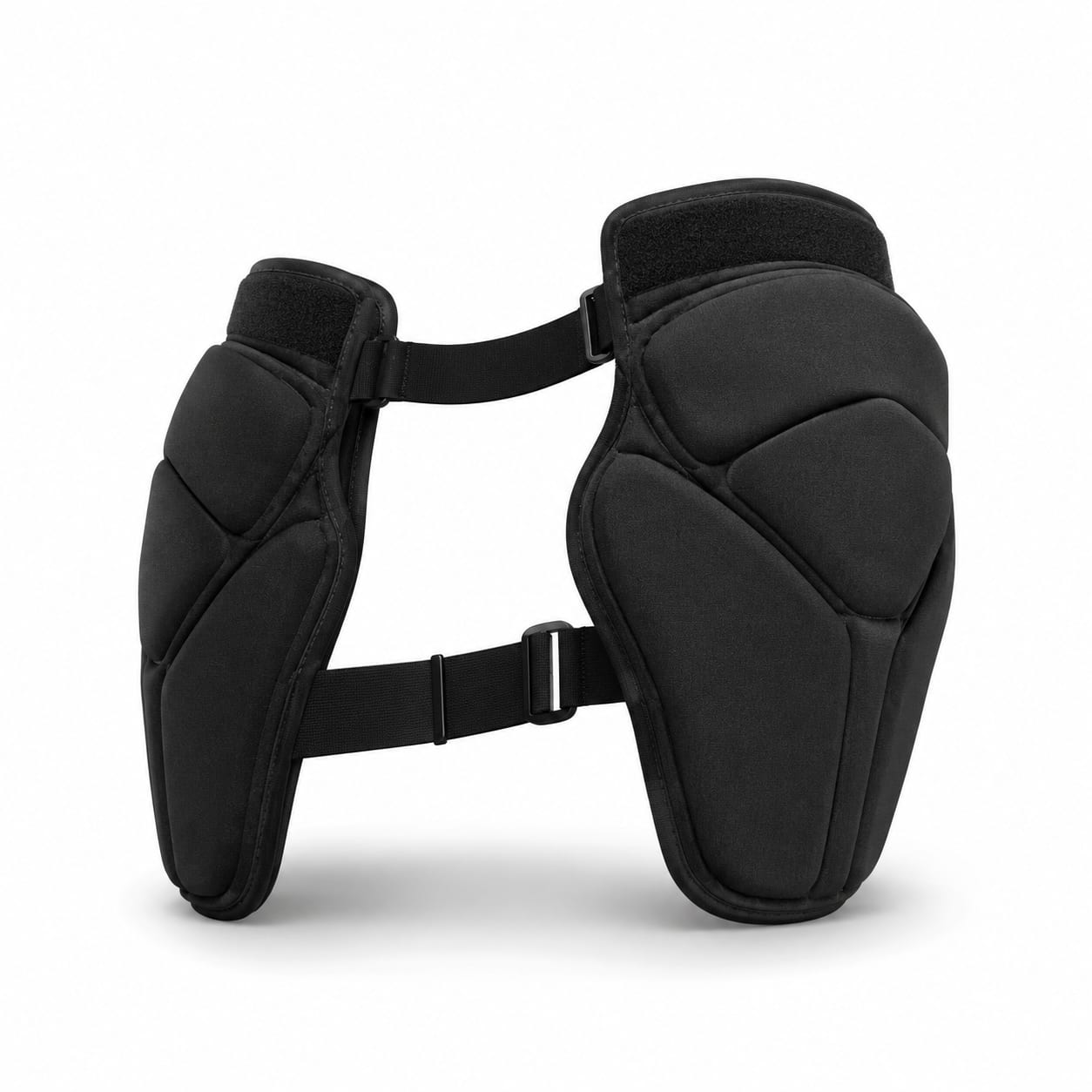
Padding Material

padding_material

Importance

The type of impact-absorbing foam or material used in the protector, which determines flexibility, weight, and impact response behavior.

D3O

Rate-sensitive smart material that is soft and flexible at rest but instantly hardens upon impact.

SAS-TEC

Viscoelastic foam that remains pliable during movement and stiffens under impact force.

Poron XRD

Microcellular urethane foam that absorbs over 90% of impact energy at high strain rates.

EVA Foam

Closed-cell ethylene-vinyl acetate foam providing consistent cushioning at low cost.

D3O and SAS-TEC offer the best balance of comfort and protection for most skiers. Hard shell options provide maximum protection but sacrifice comfort and discretion. EVA foam is acceptable for casual use but degrades faster.

Impact Absorption Rating

impact_absorption

Importance

The measured force transmission through the protector during standardized impact testing, indicating real protective performance.

Typical range: 5–25 kN

Lower numbers indicate better protection (less force transmitted to the body). CE Level 1 requires ≤18 kN; CE Level 2 requires ≤9 kN. For context, hip fractures can occur at approximately 3-10 kN depending on bone density. Look for protectors transmitting under 10 kN for meaningful fracture risk reduction, especially if you have osteoporosis or low bone density.

Coverage Area

coverage_area

Importance

The body areas protected by the hip protector beyond the basic hip joint.

Hip Joint (Greater Trochanter)

Primary protection over the bony prominence of the upper thigh—the most critical fracture site.

Tailbone (Coccyx)

Padding over the coccyx to protect against backward falls.

Outer Thigh

Extended padding down the lateral thigh area.

Side Hip (Iliac Crest)

Protection extending up to the upper hip/iliac crest area.

At minimum, ensure coverage of the hip joint (greater trochanter). Tailbone protection is highly recommended for beginners. Side hip and outer thigh coverage adds comprehensive protection for higher-risk skiers. More coverage means more bulk, so balance protection needs with comfort.

Padding Thickness

padding_thickness

Importance

The thickness of the protective padding at the hip, which affects both the level of protection and the bulk under clothing.

Typical range: 5–25 mm

Thinner pads (5-10 mm) using smart materials like D3O can match or exceed the protection of thicker EVA foam pads (15-25 mm). For discretion under fitted ski pants, look for 8-12 mm smart foam. Maximum protection pads are typically 15-25 mm. Consider that thicker pads are more visible and may restrict movement slightly.

Fit & Sizing

Dimensions affecting how the protector fits and stays in position on the body.

Size

sizing

Importance

The size of the hip protector, typically based on waist or hip circumference, which determines fit and pad positioning.

XS

Waist approximately 60-70 cm; hip 85-90 cm.

S

Waist approximately 70-80 cm; hip 90-97 cm.

M

Waist approximately 80-90 cm; hip 97-104 cm.

L

Waist approximately 90-100 cm; hip 104-112 cm.

Measure your waist and hips at the widest point and consult the specific brand's size chart—sizing varies significantly between manufacturers. When in doubt, size up slightly as compression shorts should be snug but not restrictive. Pads must align over the greater trochanter (the bony prominence on the upper thigh) to be effective.

Gender-Specific Fit

gender_fit

Importance

Whether the protector is designed for specific body proportions, as hip shape and pad placement differ between men and women.

Men's

Cut for male hip and waist proportions; narrower hips relative to waist.

Women's

Cut for female hip and waist proportions; wider hips relative to waist with different pad positioning.

Unisex

Generic cut designed to accommodate both male and female body shapes.

Youth

Sized and proportioned for children and adolescents.

Women should strongly consider women's-specific models because the greater trochanter position differs due to wider pelvic structure—unisex models often position pads too close together for female hips. Men's models work for most male skiers. Youth models are essential for children as adult pads will not stay in position on smaller frames.

Closure System

closure_system

Importance

How the hip protector secures to the body, affecting ease of use, adjustability, and stability during activity.

Pull-On (Compression Short)

No closures; stepped into and pulled up like underwear. Relies on compression fit.

Velcro Closure

Hook-and-loop adjustable closures at waist or legs for customizable fit.

Zip Closure

Zipper closure, typically at the front or side for easy on/off.

Snap/Buckle Closure

Snap fasteners or buckles for secure adjustable closure.

Pull-on compression shorts provide the most secure and stable fit for active skiing. Velcro closures allow adjustability but may loosen over a day. Zip closures are convenient but check that the zipper doesn't create pressure points. For skiing, stability of pad placement is paramount—pull-on is generally best.

Layer Compatibility

layer_compatibility

Importance

How the hip protector is designed to be worn in relation to other layers—under or over base layers and ski pants.

Next-to-Skin / Base Layer

Designed to be worn directly against skin or over thin underwear, under all other layers.

Mid Layer (Over Base, Under Pants)

Worn over a base layer but under ski pants.

Over Pants / External

Designed to be worn over ski pants or other outerwear.

Most ski hip protectors are designed as base or mid layers worn under ski pants. This keeps pads secure and in position. Over-pants designs are less common and typically for racing. Check that your ski pants have enough room to accommodate the protector comfortably underneath.

Comfort & Wearability

Attributes that determine day-long comfort and willingness to wear the protector consistently.

Mobility / Range of Motion

mobility

Importance

How freely the wearer can move while wearing the protector, affecting skiing technique and comfort.

Unrestricted

Full range of motion with no noticeable limitation; feels like normal compression shorts.

Slightly Restricted

Minor limitation in extreme hip flexion or deep bending; noticeable but not limiting.

Moderately Restricted

Noticeable limitation in hip movement, especially deep flexion and wide stance.

Smart foam protectors (D3O, SAS-TEC) typically offer unrestricted or slightly restricted mobility. Hard shell and very thick pads tend to restrict movement more. If you are an aggressive skier, prioritize mobility—you won't wear a protector that ruins your skiing. Most modern quality protectors achieve slightly restricted or better.

Breathability

breathability

Importance

The ability of the protector to allow moisture vapor and heat to escape, preventing overheating and sweat accumulation.

High Breathability

Mesh panels, moisture-wicking fabrics, and ventilation channels; suitable for warm spring skiing.

Moderate Breathability

Balanced fabric construction with some ventilation features; works for most conditions.

Low Breathability

Dense materials with minimal ventilation; retains heat but provides maximum durability.

For most skiers, moderate breathability is ideal. If you run hot or ski in spring conditions, prioritize high breathability. Low breathability is only suitable for very cold conditions or when maximum durability is needed. Remember that hip protectors are worn under ski pants, so heat management is cumulative.

Low Profile / Discretion

low_profile

Importance

How visible the protector is under ski clothing, affecting aesthetic preference and willingness to wear.

Ultra Low Profile

Virtually invisible under fitted clothing; thin smart foam construction.

Low Profile

Slightly visible under tight clothing but not obvious under normal ski pants.

Standard Profile

Noticeable under clothing but not excessively bulky.

High Profile

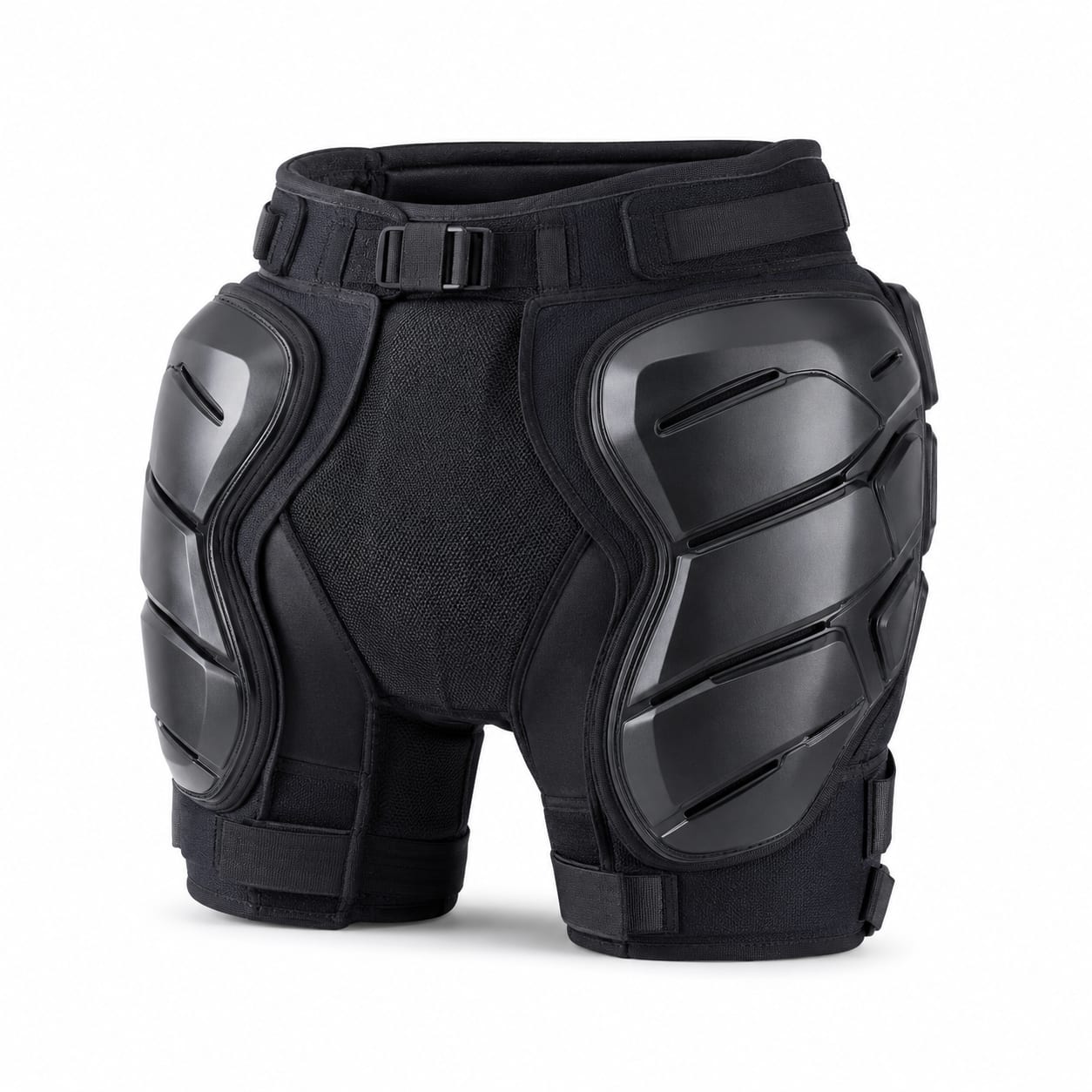
Clearly visible and bulky; hard shell or very thick padding.

Low profile is important if it affects whether you'll actually wear the protector. Many skiers abandon bulky protectors, making discretion a practical safety consideration. Smart foam materials (D3O, Poron XRD) enable the best protection-to-profile ratio. Most standard ski pants have enough room for low-to-standard profile protectors.

Weight

weight

Importance

The total weight of the hip protector, affecting comfort and fatigue during a full day of skiing.

Typical range: 150–600 g

Lighter protectors (150-250 g) are barely noticeable and ideal for all-day wear. Mid-range (250-400 g) offers a good balance of protection and comfort. Heavier models (400-600 g) typically provide maximum coverage including tailbone and thigh protection. Weight matters less than fit—a well-fitting heavier protector is better than a light one that shifts.

Construction & Maintenance

Design, construction, and care attributes affecting practical ownership experience.

Construction Type

construction_type

Importance

The overall design and form factor of the hip protector, affecting how it is worn and what areas it covers.

Impact Shorts (Full Short)

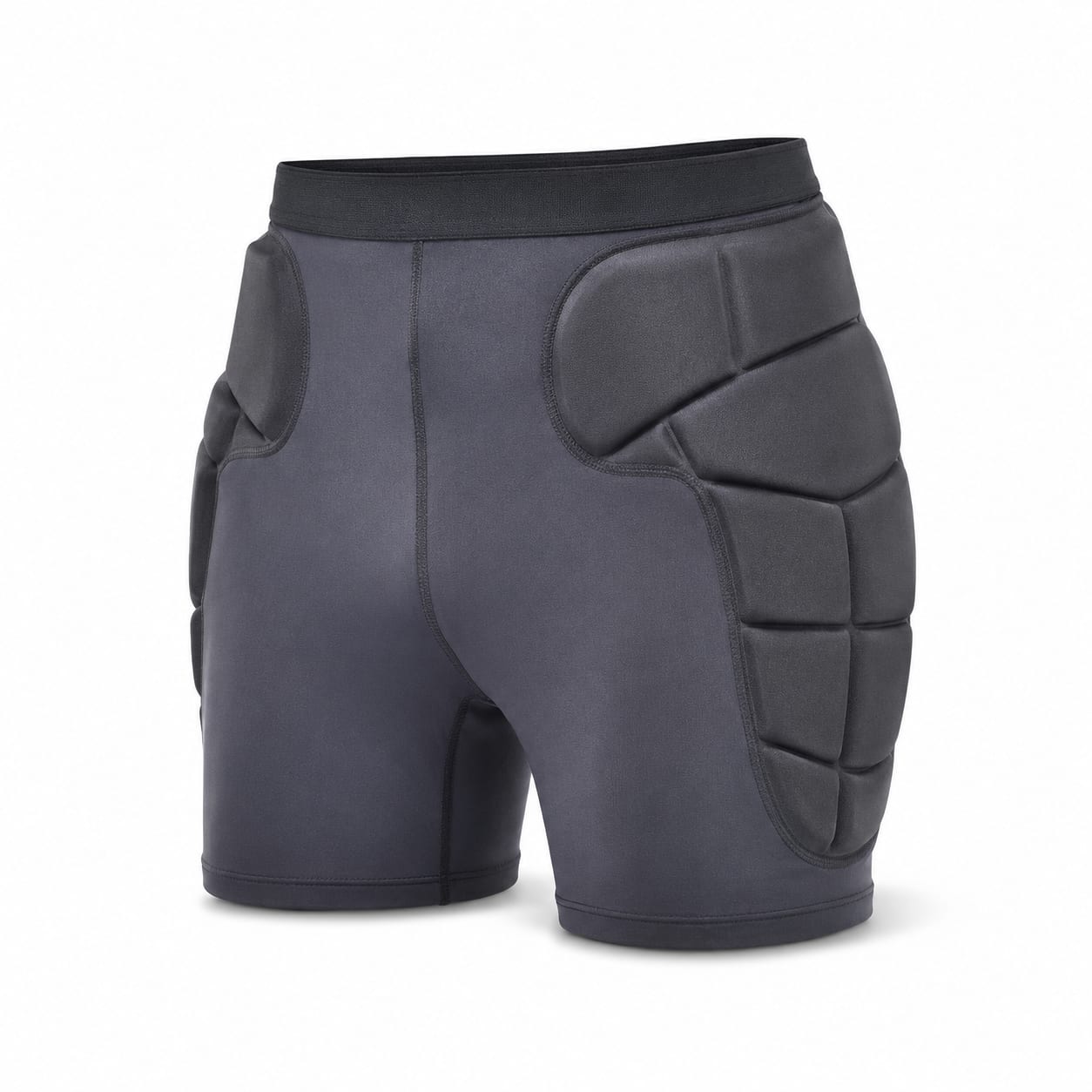
Full compression short with integrated padding covering hips, tailbone, and often thighs.

Wrap/Belt Style

Padded sections attached to an adjustable belt or wrap that secures around the waist and hips.

Removable Pad Inserts

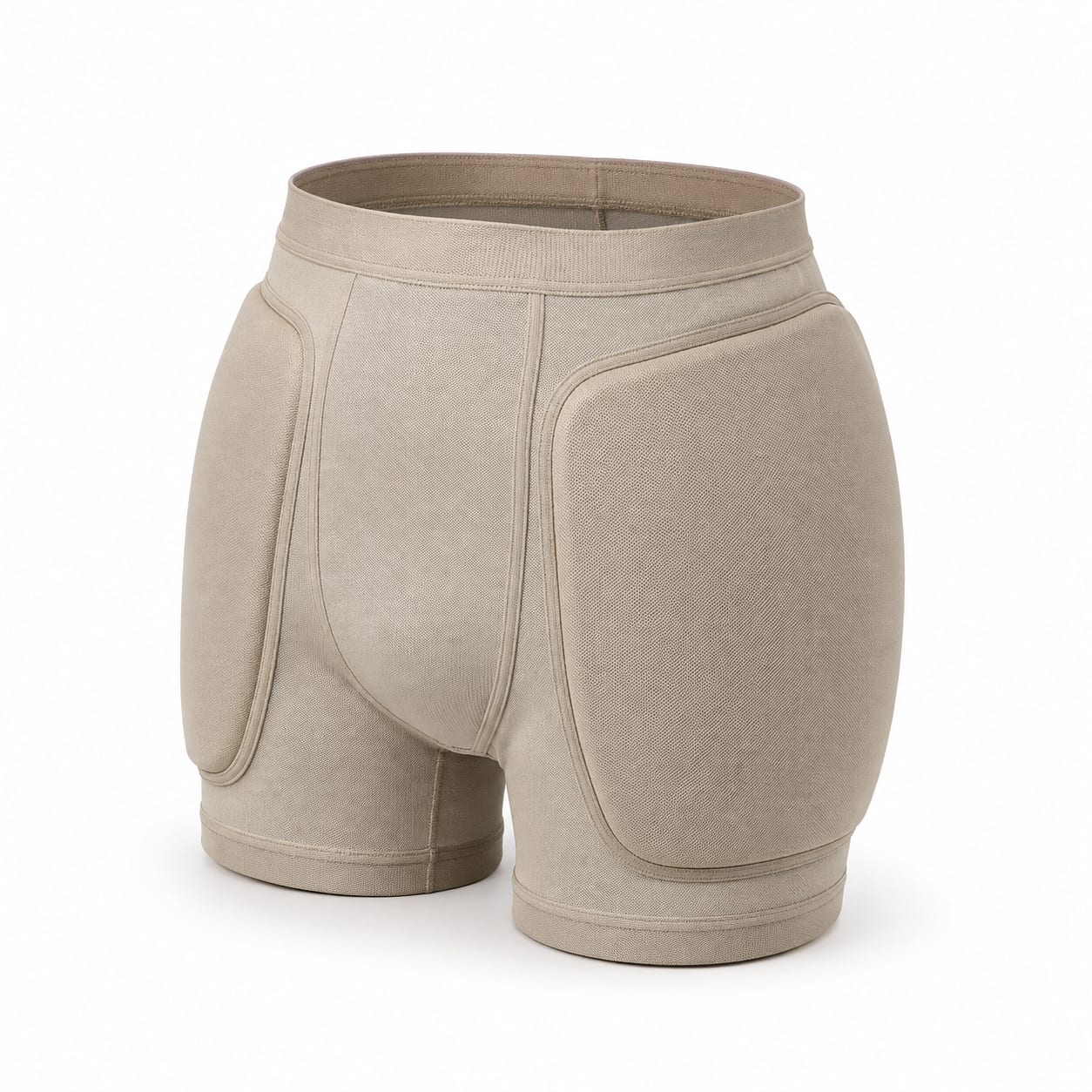
Pockets in compatible underwear or shorts that hold removable protective pads.

Strap-On Pads

Individual pads that strap directly to the legs or body with elastic bands.

Impact shorts are the most popular and secure option for skiing. Wrap/belt styles work well if you only need hip protection and want less bulk. Pad inserts offer modularity but require compatible garments. Strap-on pads are best avoided for skiing due to shifting risk.

Washability

washability

Importance

How the hip protector can be cleaned, important for hygiene during multi-day ski trips.

Machine Washable (Pads Removed)

Shorts/sleeve can be machine washed after removing protective pads.

Hand Wash Only

Requires hand washing, typically with pads removed.

Machine Washable (With Pads)

Entire garment including pads can be machine washed.

Wipe Clean Only

Pads and exterior can only be wiped with a damp cloth.

For next-to-skin protectors, machine washable with removable pads is the most practical option. If you ski multiple days per trip, ensure the protector can dry overnight. Removable pads also allow you to replace worn pads without buying a whole new protector.

Antimicrobial Treatment

antimicrobial

Importance

Whether the protector has antimicrobial or odor-control treatment to prevent bacterial growth during multi-day use.

Antimicrobial treatment is a nice-to-have feature for multi-day ski trips where washing isn't possible. It reduces odor and bacterial growth but doesn't replace regular washing. Most quality protectors include some form of odor control.

Durability / Lifespan

durability

Importance

How long the protector maintains its protective qualities under regular use, as impact foams can degrade over time.

High Durability (3+ seasons)

Maintains protective performance for 3 or more ski seasons with regular use.

Moderate Durability (2-3 seasons)

Maintains performance for 2-3 seasons; some foam compression may occur.

Low Durability (1-2 seasons)

Foam compression or material breakdown noticeable after 1-2 seasons of regular use.

Smart foams like D3O and SAS-TEC generally maintain their properties longer than EVA foam. Inspect your protector annually—foam that feels permanently compressed, cracked, or has lost flexibility should be replaced. Hard shell components are extremely durable but the fabric and elastic components still wear out.

Specs FAQ

Common questions about these buying specs

Plain-English answers for each spec and option — tap through for the full explanation.

Is CE Level 1 protection enough for regular skiing, or should I step up to Level 2?

For most recreational skiers, CE Level 1 is plenty of protection. This certification means the hip protector transmits no more than 18 kN of force during an impact — which is enough to significantly reduce injury risk in typical falls on the slopes. It's the standard you'll find in most quality ski hip pads, and it strikes a great balance between protection and comfort. The real advantage of Level 1 is that it's lighter and more flexible than Level 2, so you're more likely to actually wear it all day. Pads that are too bulky or restrictive often end up staying in the locker room, which defeats the purpose entirely. You'd want to consider upgrading to CE Level 2 if you have osteoporosis, are recovering from a previous injury, or ski at higher speeds — like racing or aggressive freestyle. But for general resort skiing and typical falls, Level 1 gets the job done without the extra bulk.

Who should choose CE Level 2 hip protectors instead of Level 1?

CE Level 2 hip protectors absorb significantly more impact force than Level 1—they transmit no more than 9 kN of force in a crash, compared to 18 kN for Level 1. That means roughly half the force reaches your hips, which can make a real difference in preventing fractures. This extra protection is especially important if you have osteoporosis, a previous hip injury, or other factors that raise your fracture risk. It's also the smarter choice for racers and freestyle skiers who fall at higher speeds or from greater heights. The tradeoff is that Level 2 pads tend to be a bit bulkier and less flexible than Level 1, so they may feel slightly more restrictive under your ski pants. For most recreational skiers without elevated risk factors, Level 1 is perfectly adequate. But if you're in a higher-risk category, the added protection is well worth a small comfort tradeoff.

I see some ski hip protectors don't have a CE certification—are they still worth considering?

Non-certified hip protectors can be a reasonable choice, but only for the right situation. They provide basic cushioning and can take the sting out of minor falls, but they haven't been formally tested to guarantee how much impact force they actually absorb. That means their protection is unpredictable—some may perform well, while others offer little more than a thin layer of foam. These pads make the most sense for casual skiers who want a confidence boost on gentle slopes or are mainly looking for comfort and bruise reduction during low-speed tumbles. They're also typically less expensive and more flexible, which some skiers appreciate for everyday wear. However, if you have osteoporosis, are recovering from an injury, or ski at higher speeds or in the park, non-certified pads simply aren't enough. In those cases, a CE Level 1 or Level 2 protector gives you verified, reliable impact absorption that could make a real difference in a serious fall.

I keep seeing D3O padding in ski hip protectors—what makes it different, and is it worth paying more for?

D3O is a "smart" material that stays soft and flexible while you're skiing but instantly hardens the moment it takes a hit. This means you get natural movement on the slopes without that bulky, restrictive feeling you might expect from serious protection. When you fall, the molecules in D3O lock together to absorb and disperse impact energy before your hip takes the brunt of it. For most skiers, D3O offers the best balance of comfort and protection. It's especially great if you want to wear your hip protector all day without feeling like you're wearing hockey pads—D3O pads are typically thinner and more discreet under your ski pants than traditional foam options. The main trade-off is price. D3O protectors cost more than basic EVA foam models, and they're not necessarily "better" than other premium materials like SAS-TEC, which offers similar impact performance with a slightly firmer feel. But if comfort and low-profile protection are priorities, D3O is tough to beat.

Subcategories

Different styles, different picks

Each sub-type has its own guide with typical specs, trade-offs, and buying advice.

Impact Shorts / Crash Pants

Impact Shorts / Crash Pants

$40 – $180

dominant

Full-length padded shorts providing multi-zone protection for hips, tailbone, and thighs.

Multi-zone paddingIntegrated short designRemovable or fixed pads
Standalone Hip Pads / Shields

Standalone Hip Pads / Shields

$20 – $80

common

Individual hip pads that attach via straps or slip into compatible clothing pockets.

Hip-only coverageStrap-on or insert designLow profile
D3O / Smart Material Hip Protectors

D3O / Smart Material Hip Protectors

$60 – $220

common

Hip protectors using reactive smart materials that remain flexible and harden instantly on impact.

Non-Newtonian reactive materialFlexible during wearInstant stiffening on impact
Hard Shell Hip Protectors

Hard Shell Hip Protectors

$50 – $200

niche

Rigid plastic or composite shell hip protectors designed for maximum impact resistance and energy distribution.

Rigid outer shellWide impact distributionFoam inner layer
Soft Foam Hip Protectors

Soft Foam Hip Protectors

$25 – $90

common

Traditional flexible foam-padded hip protectors prioritizing comfort and everyday wearability.

EVA or PU foam paddingFlexible and comfortableLow profile
Senior / Elderly Hip Protectors

Senior / Elderly Hip Protectors

$40 – $160

niche

Hip protectors specifically designed for older skiers with enhanced fracture prevention and medical-grade certification.

CE-certified protectionWider coverage areaHigh energy absorption
Youth / Junior Hip Protectors

Youth / Junior Hip Protectors

$25 – $90

common

Sized-down hip protectors designed for children and teenagers with age-appropriate protection levels.

Youth-specific sizingComfort-focused designAppealing aesthetics
Compression Shorts with Hip Pads

Compression Shorts with Hip Pads

$45 – $150

common

Tight-fitting base layer shorts with integrated hip padding that layer seamlessly under ski pants.

Compression fitIntegrated pad pocketsMoisture-wicking fabric