
Ski Hip Protectors · Buying specs
Questions about Ski Hip Protectors specs
Straight answers on the specs that matter when you buy — each question covers one dimension or option so you know what to look for.
Open Ski Hip Protectors guide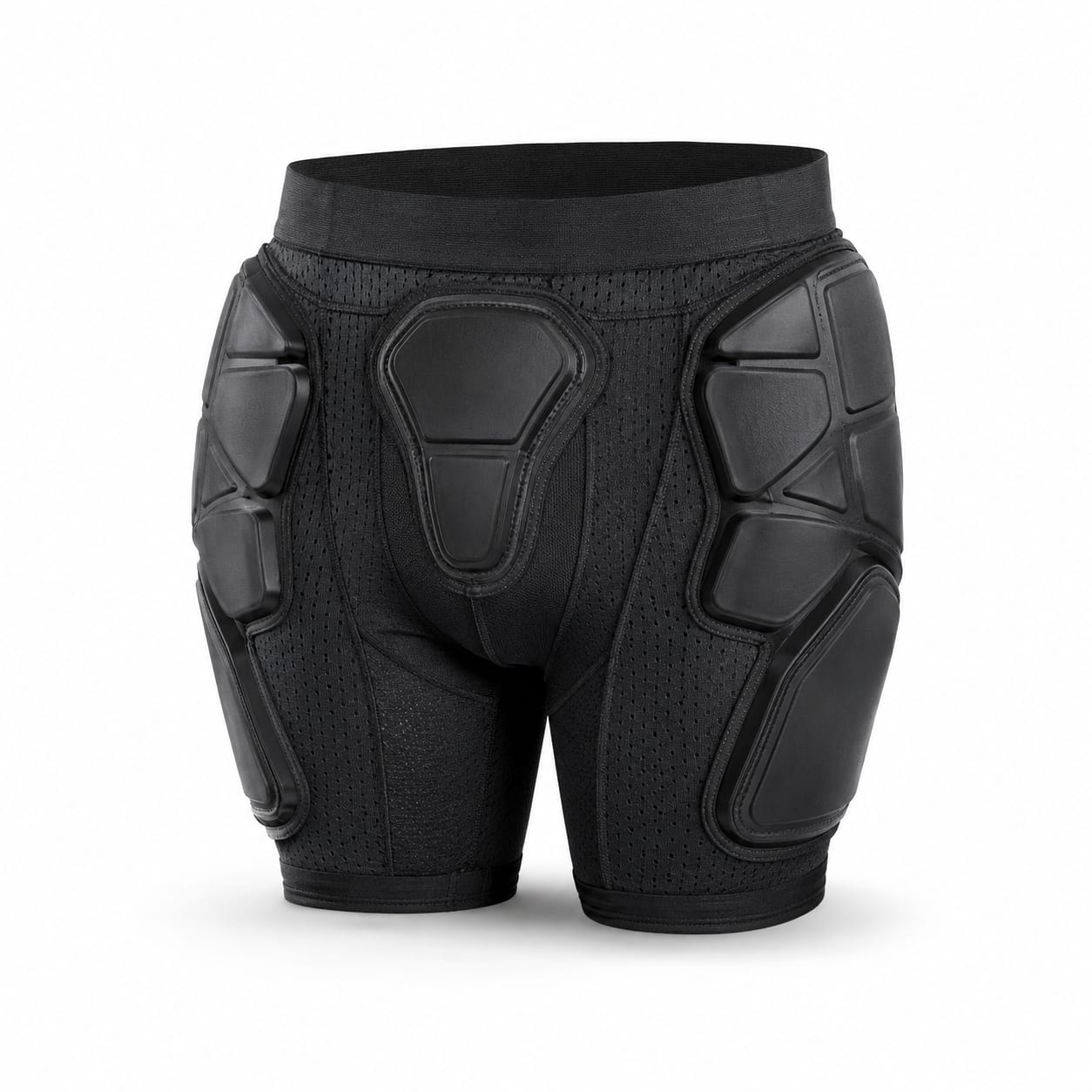
55 questions
Browse by spec group
Questions are organized the same way as the buying specs on the main equipment page.
Protection & Safety
Core protective specifications that determine how effectively the hip protector reduces injury risk.
Is CE Level 1 protection enough for regular skiing, or should I step up to Level 2?
For most recreational skiers, CE Level 1 is plenty of protection. This certification means the hip protector transmits no more than 18 kN of force during an impact — which is enough to significantly reduce injury risk in typical falls on the slopes. It's the standard you'll find in most quality ski hip pads, and it strikes a great balance between protection and comfort. The real advantage of Level 1 is that it's lighter and more flexible than Level 2, so you're more likely to actually wear it all day. Pads that are too bulky or restrictive often end up staying in the locker room, which defeats the purpose entirely. You'd want to consider upgrading to CE Level 2 if you have osteoporosis, are recovering from a previous injury, or ski at higher speeds — like racing or aggressive freestyle. But for general resort skiing and typical falls, Level 1 gets the job done without the extra bulk.
Read answer →Protection Level / Certification · CE Level 2Who should choose CE Level 2 hip protectors instead of Level 1?
CE Level 2 hip protectors absorb significantly more impact force than Level 1—they transmit no more than 9 kN of force in a crash, compared to 18 kN for Level 1. That means roughly half the force reaches your hips, which can make a real difference in preventing fractures. This extra protection is especially important if you have osteoporosis, a previous hip injury, or other factors that raise your fracture risk. It's also the smarter choice for racers and freestyle skiers who fall at higher speeds or from greater heights. The tradeoff is that Level 2 pads tend to be a bit bulkier and less flexible than Level 1, so they may feel slightly more restrictive under your ski pants. For most recreational skiers without elevated risk factors, Level 1 is perfectly adequate. But if you're in a higher-risk category, the added protection is well worth a small comfort tradeoff.
Read answer →Protection Level / Certification · Non-CertifiedI see some ski hip protectors don't have a CE certification—are they still worth considering?
Non-certified hip protectors can be a reasonable choice, but only for the right situation. They provide basic cushioning and can take the sting out of minor falls, but they haven't been formally tested to guarantee how much impact force they actually absorb. That means their protection is unpredictable—some may perform well, while others offer little more than a thin layer of foam. These pads make the most sense for casual skiers who want a confidence boost on gentle slopes or are mainly looking for comfort and bruise reduction during low-speed tumbles. They're also typically less expensive and more flexible, which some skiers appreciate for everyday wear. However, if you have osteoporosis, are recovering from an injury, or ski at higher speeds or in the park, non-certified pads simply aren't enough. In those cases, a CE Level 1 or Level 2 protector gives you verified, reliable impact absorption that could make a real difference in a serious fall.
Read answer →Padding Material · D3OI keep seeing D3O padding in ski hip protectors—what makes it different, and is it worth paying more for?
D3O is a "smart" material that stays soft and flexible while you're skiing but instantly hardens the moment it takes a hit. This means you get natural movement on the slopes without that bulky, restrictive feeling you might expect from serious protection. When you fall, the molecules in D3O lock together to absorb and disperse impact energy before your hip takes the brunt of it. For most skiers, D3O offers the best balance of comfort and protection. It's especially great if you want to wear your hip protector all day without feeling like you're wearing hockey pads—D3O pads are typically thinner and more discreet under your ski pants than traditional foam options. The main trade-off is price. D3O protectors cost more than basic EVA foam models, and they're not necessarily "better" than other premium materials like SAS-TEC, which offers similar impact performance with a slightly firmer feel. But if comfort and low-profile protection are priorities, D3O is tough to beat.
Read answer →Padding Material · SAS-TECI keep seeing SAS-TEC padding in ski hip protectors—what makes it different, and is it a good choice?
SAS-TEC is a viscoelastic foam that stays soft and flexible while you're skiing but instantly stiffens when it takes a hit. This means your hip protectors won't feel stiff or restrictive on the slopes, but they'll harden up to absorb energy the moment you fall. It's a smart material that reacts to impact force, so you get protection without sacrificing comfort. SAS-TEC is often found in high-performance protectors that carry CE Level 2 certification—the higher European safety standard for impact protection. It offers excellent absorption, though it has a slightly firmer feel at rest compared to D3O, another popular smart foam. Some skiers actually prefer this firmer feel because it feels more substantial and secure. SAS-TEC is a great choice if you want serious protection and don't mind a slightly more structured feel. It's especially popular with older skiers, those with bone density concerns, or anyone wanting top-tier impact absorption without the bulk and rigidity of hard shell protectors.
Read answer →Padding Material · Poron XRDI see some ski hip protectors use Poron XRD padding—what is it and who should choose it?
Poron XRD is a microcellular urethane foam that absorbs over 90% of impact energy when you hit it hard. Unlike basic EVA foam, it's a "smart" material that stays flexible during normal movement but firms up on impact—similar to D3O and SAS-TEC, but with a noticeably thinner profile. It's a great choice if you want protection that's barely noticeable under your ski pants. Athletic skiers who prioritize mobility and a low-profile fit often prefer Poron XRD because it doesn't add bulk while still delivering solid impact absorption on the slopes. The main trade-off is long-term durability. Poron XRD can break down faster than D3O or SAS-TEC over multiple seasons of heavy use, so if you ski dozens of days per year, you may need to replace your protectors sooner. For occasional skiers who want comfortable, discreet protection, it's an excellent option.
Read answer →Padding Material · EVA FoamIs EVA foam padding good enough for ski hip protectors, or should I spend more for D3O?
EVA foam is a perfectly reasonable choice if you're a casual skier on a budget. It provides consistent cushioning at a lower price point than smart materials like D3O or SAS-TEC, so you can get basic impact protection without breaking the bank. The tradeoff is that EVA foam doesn't react to impacts the way viscoelastic materials do. D3O and similar smart foams stay soft and flexible while you ski but instantly stiffen on impact, absorbing energy more effectively. EVA just compresses like regular foam, so it's less responsive in a hard fall. Also keep durability in mind. EVA foam tends to compress and lose its cushioning over time, especially with regular use. If you ski frequently or want protection that lasts multiple seasons, the smarter foams hold up better. If you're an occasional skier looking for affordable peace of mind, EVA works fine. But if you ski often, are protecting a previous injury, or want the best impact absorption in a slim profile, it's worth upgrading to D3O or SAS-TEC.
Read answer →Padding Material · Hard Shell (PE/PP)Should I choose hard shell hip protectors, or are the softer foam options enough?
Hard shell hip protectors use rigid plastic plates (usually polyethylene or polypropylene) over foam padding to spread impact force across a wider area. This makes them the best choice for maximum protection — they're excellent at preventing deep bruising and fractures from high-speed falls or collisions with hard objects like ice and rocks. The tradeoff is comfort and discretion. Hard shells are the least flexible option, so they can feel bulky and restrict movement compared to smart foams like D3O or SAS-TEC. They're also the most visible under your ski pants, which some skiers find awkward. Hard shell protectors make the most sense if you're racing, skiing aggressively at high speeds, or recovering from a previous hip injury where maximum protection is non-negotiable. For most recreational skiers — especially beginners and older adults — a viscoelastic smart foam like D3O or SAS-TEC offers a better balance of protection and all-day comfort.
Read answer →Impact Absorption RatingWhat does the impact absorption rating mean on ski hip protectors, and is a higher or lower number better?
The impact absorption rating tells you how much force reaches your hips during a fall, measured in kilonewtons (kN). The important thing to know: lower numbers mean better protection, because less force is getting through to your body. So a 9 kN rating actually protects you more than an 18 kN rating. For context, hip fractures can occur at roughly 3–10 kN depending on your bone density. CE Level 1 certification requires 18 kN or less, while the stricter CE Level 2 requires 9 kN or less. If you're an older skier, have osteoporosis, or are concerned about injury, look for protectors rated under 10 kN for meaningful fracture risk reduction. Don't assume all CE-certified protectors perform equally—there's significant variation within each level. Always check the specific kN rating rather than just looking for the certification label.
Read answer →Coverage Area · Hip Joint (Greater Trochanter)I keep seeing 'greater trochanter' mentioned on hip protectors—what is that and why does it matter?
The greater trochanter is the bony bump on the outside of your upper thigh, right at the hip joint. It sticks out and takes the brunt of impact when you fall on your side, making it the most common site for hip fractures on the slopes. Every ski hip protector should cover this area—it's the bare minimum for effective protection. When shopping, check that the padding sits directly over this bony prominence, not just on the soft tissue around it. A protector that's shifted or poorly positioned won't do much good in a fall. If you're unsure about fit, look for products that specifically mention greater trochanter coverage, and try them on to feel for the pad placement over that outer hip bone. This core coverage is non-negotiable—any additional protection like tailbone or thigh padding is a bonus on top of this essential area.
Read answer →Coverage Area · Tailbone (Coccyx)Do I really need tailbone protection in my ski hip protectors, or is hip coverage enough?
Tailbone protection adds padding over your coccyx—the bone at the base of your spine—and it's specifically designed for backward falls. If you're a beginner, it's highly recommended because newer skiers tend to fall backward more often, and landing hard on your tailbone can cause serious bruising or even fracture. The trade-off is that tailbone padding adds some bulk, which you'll notice when sitting on chairlifts or resting in the lodge. Some skiers find it uncomfortable, while others barely mind it after a few runs. If you're an experienced skier who rarely falls backward, you might prefer hip-only coverage for a slimmer, more comfortable fit. But for beginners, older skiers, or anyone with a previous tailbone injury, that extra padding is well worth the slight added bulk. Many impact shorts bundle both hip and tailbone protection together, making it an easy choice for comprehensive coverage.
Read answer →Coverage Area · Outer ThighDo I need outer thigh padding on my ski hip protectors, or is that overkill?
Outer thigh coverage extends the protective padding down the side of your leg, beyond the hip joint itself. It's designed to guard against side impacts—think catching an edge and slamming your thigh into hard-packed snow or railing into a feature in the terrain park.\n\nThis extra coverage makes the most sense if you're skiing freestyle, racing gates, or just tend to fall hard on your sides. It's also a smart add-on if you're building a comprehensive protection setup and don't want any gaps in coverage.\n\nThe trade-off is bulk and warmth. More padding means more material against your leg, which can feel restrictive or run hot on warmer days. It also makes the protector slightly harder to layer comfortably under slim-fitting ski pants. If you're a casual resort skier who mostly falls forward or backward, standard hip joint and tailbone coverage is likely plenty. But if side impacts are a real concern for your riding style, outer thigh padding is worth the extra bulk.
Read answer →Coverage Area · Side Hip (Iliac Crest)Do I really need side hip protection on my ski hip protectors, or is covering the hip joint enough?
The hip joint (greater trochanter) is the most critical area to protect—it's the bony prominence on the side of your upper thigh and the most common fracture site in falls. But side hip protection covers the iliac crest, which is the upper rim of your hip bone that sits above your waist. If you fall at an angle or land on your side, this bone can take a hard hit too. Side hip coverage is especially important for older skiers or anyone with osteoporosis, since the iliac crest is vulnerable to fractures and bruises. It's also worth considering if you tend to fall on your side rather than straight back or onto your rear. The tradeoff is that extending protection up to the iliac crest adds a bit of bulk around your waist, which can feel slightly restrictive under fitted ski pants. However, most modern viscoelastic pads are low-profile and flexible, so the comfort sacrifice is usually minimal for the added protection.
Read answer →Coverage Area · ButtocksShould I get ski hip protectors with buttocks padding, or is that overkill?
Buttocks padding is definitely worth considering if you're a beginner skier or a snowboarder. Beginners tend to fall backward onto their rear more frequently, and snowboarders spend a lot of time sitting in the snow and falling on their backsides. That extra cushioning can make a real difference in preventing bruises and tailbone injuries on hard-packed snow or ice. The trade-off is bulk. Buttocks padding adds material right where you sit, which can feel cumbersome on chairlift rides or when you're leaning back in a lodge. Some skiers find it uncomfortable enough that they stop wearing the protectors altogether—which defeats the purpose entirely. If you're an experienced skier who rarely falls backward, you can probably skip this feature and stick with core hip joint coverage. But if you're learning, switching to snowboarding, or just want maximum protection, look for impact shorts with buttocks padding that use low-profile viscoelastic foam—it stays flexible when you move but stiffens on impact, keeping the bulk more manageable.
Read answer →Padding ThicknessHow thick should the padding be on ski hip protectors?
Ski hip protector padding typically ranges from about 5mm to 25mm, but thicker doesn't automatically mean safer. The material matters just as much as the measurement. Modern smart foams like D3O stay thin and flexible while you're skiing but harden instantly on impact, so a slim 8-10mm pad with this technology can protect you as well as a bulky 20mm traditional EVA foam pad. If you want low-profile protection that stays hidden under fitted ski pants, look for pads in the 8-12mm range made with viscoelastic (impact-responsive) foam. They'll move with you on the slopes and won't draw attention in the lodge. For maximum protection—especially if you're recovering from an injury or have osteoporosis—pads in the 15-25mm range offer the most coverage, though they'll be more visible and may slightly restrict movement. The biggest mistake is buying pads so thick and bulky that they're uncomfortable under your ski pants, because then you simply won't wear them. The best thickness is the one you'll actually keep on every run.
Read answer →Fit & Sizing
Dimensions affecting how the protector fits and stays in position on the body.
My teenager is a small build—should I get XS hip protectors or size up so they last longer?
XS hip protectors are designed for a waist of about 60–70 cm and hips around 85–90 cm, so start by measuring your teen to see if they fall in that range. It's tempting to size up for growing room, but resist that urge—hip protectors only work if the pads sit directly over the greater trochanter, which is the bony prominence on the upper thigh where hip fractures most often occur. If the protector is too large, the pads will shift off that critical spot during a fall, leaving the most vulnerable area completely unprotected. A snug fit keeps everything locked in place when it matters most. Instead of sizing up, remember that most quality hip protectors use stretchy compression shorts that already have some give. When your teen outgrows the XS, it's worth replacing them—proper protection beats squeezing extra seasons out of the wrong size.
Read answer →Size · SI'm a smaller adult — how do I know if size S ski hip protectors will actually protect my hips?
Size S hip protectors are designed for small adults with a waist of about 70–80 cm and hips around 90–97 cm. If your measurements fall in that range, a small should position the protective pads right where you need them — over the greater trochanter, which is the bony prominence on the side of your upper thigh. That alignment is everything; if the pads don't sit over that spot, they can't do their job. The biggest mistake smaller skiers make is guessing their size based on regular clothing or choosing a size up for comfort. If the protector is too loose, the pads can shift off target during a fall. Too tight, and they may ride up above the hip joint entirely. Measure your waist and hips at their widest points, then double-check against the specific brand's chart — sizing varies a lot between manufacturers. When in doubt, go slightly snug rather than loose. Compression-style shorts should feel firm but not restrictive, keeping the pads locked in place run after run.
Read answer →Size · MHow do I know if a size M ski hip protector will fit me correctly?
A size M hip protector is designed for waists around 80–90 cm and hips around 97–104 cm, which covers many average-build adults. The key is making sure the protective pads actually sit over the bony prominence on your upper thigh—called the greater trochanter—because that's the area most vulnerable in a fall. To check your fit, measure your waist and hips at their widest points with a soft tape measure, then compare against the brand's specific size chart. Sizing can vary quite a bit between manufacturers, so don't assume your usual clothing size will match. If you're between sizes, it's generally better to size up slightly—the shorts should feel snug but not restrictive, and the pads must stay put when you move. A properly fitting M will keep the pads aligned during active skiing without riding up or shifting off target. If the pads drift above your hip joint, they won't protect you when you need them.
Read answer →Size · LHow do I know if size L is the right fit for my ski hip protectors?
Size L in ski hip protectors is designed for waists measuring approximately 90-100 cm and hips measuring 104-112 cm. If your measurements fall in this range, a Large should position the protective pads correctly over the greater trochanter—the bony prominence on your upper thigh where impact injuries most commonly occur. Getting the right size is critical because if your protectors are too small, the pads can ride up above the hip joint during movement, leaving you exposed in a fall. If they're too large, the pads may shift off to the side and miss the impact zone entirely. Size L ensures proper coverage for broader hips, keeping everything aligned where it needs to be. Always measure your waist and hips at their widest points before buying, and check the specific brand's size chart—sizing varies significantly between manufacturers. If you're between sizes, it's generally better to size up slightly so the shorts stay snug but not restrictive for comfort all day on the slopes.
Read answer →Size · XLI wear XL in most clothing—should I just order an XL in ski hip protectors, or do they fit differently?
It's smart to question that assumption. Ski hip protectors fit much more snugly than regular clothing because they need to stay in place during a fall, so your usual XL might not translate directly. The XL in hip protectors typically fits a waist of about 100–112 cm and hips of 112–120 cm, but sizing varies between brands, so always check the specific chart. The key is pad placement. If the protectors are too loose, the pads can shift off your hip joints during a fall, leaving you unprotected exactly when you need it most. If they're too tight, they'll be uncomfortable and may ride up. For XL frames, you want full coverage across broader hips without the shorts feeling restrictive. Measure your waist and hips at their widest points before ordering, and if you're between sizes, it's usually better to size up slightly—you want a snug fit, not a suffocating one.
Read answer →Size · XXLI'm a bigger guy and need XXL ski hip protectors—will I actually be able to find my size, and will they still protect me properly?
You can find XXL hip protectors, but the selection is definitely more limited—several brands max out at XL, so you'll want to check size charts before getting your heart set on a model. XXL typically fits waists around 112–125 cm and hips around 120–130 cm, giving you extended coverage across a broader area. The key thing is getting pads that actually sit over the greater trochanter—that's the bony bump on the side of your upper thigh where hip fractures happen. If the shorts are too small, pads ride up and miss the target entirely. A proper XXL should give you full, correct coverage without the compression shorts feeling restrictive. Measure your waist and hips at their widest points, then compare against each brand's specific chart—sizing varies a lot between manufacturers. When in doubt, size up slightly. It's better to have a snug-but-comfortable fit that keeps pads in place than to squeeze into something too small that shifts around in a fall.
Read answer →Gender-Specific Fit · Men'sShould I look for a men's-specific hip protector, or is unisex fine?
For male skiers, a men's-specific hip protector is usually the better choice. These are cut to match male proportions—specifically the narrower hips relative to the waist—which means the protective pads sit exactly where they need to be over the hip joints. Proper pad placement is everything; if the pads drift or sit too far apart, they won't protect you in a fall. Unisex models try to accommodate everyone, but that compromise can mean pads don't align correctly on male hips. The waist-to-hip ratio is different enough that a unisex waistband may not stay put, letting the pads shift around while you ski. If you're a male skier shopping for hip protection, go with a men's-specific model whenever possible. The fit will be more secure and comfortable, and more importantly, the pads will actually be in the right spot when you need them.
Read answer →Gender-Specific Fit · Women'sDo I really need women's-specific hip protectors, or can I just get a unisex pair?
If you're a female skier, women's-specific hip protectors are absolutely worth seeking out. Women typically have wider hips relative to the waist, which means the key impact point—the greater trochanter (the bony prominence on your upper thigh bone)—sits in a different position than on a male body. Women's models position the pads to align with this wider pelvic structure. When you wear a unisex or men's protector, the pads often sit too close together, missing the actual impact zone on your hips. That misalignment can render the protection essentially useless in a fall—you'd have padding, just not where you actually need it. Women's-specific designs also account for the different waist-to-hip ratio, so the shorts stay put better throughout the day rather than shifting around. Since proper pad positioning is the whole point of wearing hip protectors, choosing a model built for your anatomy really matters.
Read answer →Gender-Specific Fit · UnisexAre unisex ski hip protectors fine, or do I really need a gender-specific pair?
Unisex hip protectors are designed as a one-size-fits-most compromise, but that compromise matters more than you might think. The critical issue is pad placement—hip protectors only work if the padding sits directly over the greater trochanter (the bony point on the side of your hip). Because men and women have different hip widths and pelvic structures, a unisex design may position the pads too close together for women or too far apart for some men. For women especially, unisex models are risky. Wider female hips mean the pads often sit inward of where they need to be, leaving the actual impact zone exposed. A women's-specific model is strongly worth seeking out if that's your situation. Unisex protectors can work reasonably well for men with average builds, and they're a practical choice for shared family gear or rental programs. Just know that you're trading some precision in protection for convenience—and with hip injuries, that precision really counts.
Read answer →Gender-Specific Fit · YouthCan my kid just wear a small adult hip protector, or do they need a youth-specific one?
Youth-specific hip protectors are really important for kids and teens. Adult sizes—even small ones—aren't just scaled-down versions. They're built on adult body proportions, which means the protective pads won't sit in the right spot on a child's narrower hips and smaller frame. The result? The pads shift around or end up off to the side where they won't actually protect the hip joint during a fall. Youth models are proportioned for smaller bodies with pad placement that lines up with where kids actually need coverage. They also stay put better since the waist and leg openings are sized for developing frames, not just tightened-down adult straps. If you're shopping for a young skier, look specifically for youth-labeled hip protectors. The protection only works if the pad is positioned correctly when impact happens, and that alignment depends entirely on the right fit.
Read answer →Closure System · Pull-On (Compression Short)Should I get pull-on compression style hip protectors or ones with closures?
Pull-on compression shorts are the most popular style for a reason—they offer the best stability of any closure system. Because there are no zippers, velcro, or buckles to shift or loosen, the pads stay exactly where you need them, even after a full day of active skiing. If you're carving turns, hitting bumps, or taking falls, that secure pad placement is critical for actual protection. The trade-off is convenience. Pull-on styles can be tough to wiggle into when they're damp from sweat or snow, and bathroom breaks require pulling the whole thing down. Some skiers find this frustrating enough to prefer a zip or velcro option. For most skiers—especially older adults, beginners, or anyone prioritizing reliable protection—the pull-on style is the best choice. The security of knowing your pads won't slide out of position outweighs the minor hassle. Just make sure to size correctly: a too-loose compression short defeats the purpose, and too-tight becomes unbearable. Try them on over your base layer before hitting the slopes.
Read answer →Closure System · Velcro ClosureAre Velcro closures on ski hip protectors a good choice, or should I stick with pull-on styles?
Velcro closures offer one big advantage: adjustability. If your body shape fluctuates or you're between sizes, Velcro lets you dial in a custom fit at the waist or legs. This can be especially helpful for wrap-style hip protectors that go over your base layers. However, there are trade-offs to consider for skiing. Velcro can loosen during active movement, which means your protective pads might shift out of position right when you need them most. The hook-and-loop material can also catch on your base layers or ski pants, causing pilling over time. And after repeated use, Velcro loses its grip—especially if it gets packed with snow or lint. If you go with Velcro, check the fit periodically throughout the day and make sure the closure points are well-positioned away from high-friction areas. For most skiers prioritizing reliable pad placement, pull-on compression shorts remain the safer bet.
Read answer →Closure System · Zip ClosureAre zip-closure hip protectors a good choice for skiing, or should I avoid them?
Zip-closure hip protectors are all about convenience—they're the easiest style to put on and take off, which is great if you struggle with pulling compression shorts over your legs or want quick access for bathroom breaks. The zipper typically runs along the front or side, making them much simpler to deal with in tight lodge bathrooms or cold parking lots. However, there are trade-offs to consider. If the zipper sits right over your hip bone or along a seam that presses into you, it can create uncomfortable pressure points during a long day of skiing. Zippers are also a potential failure point—if the zipper breaks on the mountain, your protector becomes much less effective. Zip closures work best for skiers who prioritize easy on/off over maximum stability. If you go this route, look for designs with the zipper offset from impact zones and a fabric flap covering the zipper track to prevent chafing.
Read answer →Closure System · Snap/Buckle ClosureWhen would I want snap or buckle closures on ski hip protectors instead of pull-on shorts?
Snap and buckle closures are a great choice if you're looking at over-pants hip protectors—designs that strap on outside your ski pants rather than underneath like underwear. They're especially popular with racers and skiers who want to quickly put on or remove their hip protection between runs without stripping down. The biggest advantage is security combined with convenience. Snaps and buckles keep pads firmly in place during aggressive skiing, and they offer quick release when you need to take them off fast. That said, they can feel bulkier than pull-on compression shorts, and the hardware might create pressure points under tight ski pants. If you ski with loose-fitting outer layers or race gear, or if you want the flexibility to add and remove protection without changing your base layers, snap/buckle closures are worth considering. For most resort skiers wearing protectors under their pants, pull-on compression shorts still offer the most streamlined and stable fit.
Read answer →Layer Compatibility · Next-to-Skin / Base LayerShould I wear my ski hip protector right against my skin or over a base layer?
Most ski hip protectors are designed to be worn next-to-skin or over just thin underwear, under all your other layers. This is the most common style—especially for compression-style impact shorts—because it keeps the pads locked in place right where you need them. When pads sit directly against your body, they're far less likely to shift during a fall, which is exactly when you need them most. The main trade-off is warmth. Since these protectors fit snug against you with your base layer and ski pants on top, they can trap heat. If you run hot or ski in warmer conditions, look for models with moisture-wicking fabrics or ventilation zones to help manage that. This style is ideal for most recreational skiers who want reliable, stay-put protection. Just make sure your ski pants have enough room to comfortably fit over the protector without feeling too tight or restrictive.
Read answer →Layer Compatibility · Mid Layer (Over Base, Under Pants)Can I wear my base layer under my hip protector, or does it need to go right against my skin?
Yes, many ski hip protectors work great worn over a thin base layer and under your ski pants. This mid-layer setup is actually a popular choice for a few reasons. Your base layer can wick sweat away from your skin, keeping you drier and more comfortable throughout the day. The protector still stays in position well since it's sandwiched between your base layer and ski pants. This layering approach is especially handy for temperature regulation. On colder days, you get the moisture-wicking benefit of the base layer against your skin, with the protector providing an extra bit of warmth over your hips. Just make sure your ski pants have enough room to comfortably fit both the base layer and the protector underneath without feeling too tight or restricting movement.
Read answer →Layer Compatibility · Over Pants / ExternalCan I wear ski hip protectors over my ski pants instead of underneath them?
Yes, some hip protectors are specifically designed to be worn over your ski pants. These over-pants styles are most common in racing, where athletes need to quickly slip protection on and off between runs. They're also handy for rental situations or if you want to easily add protection without changing your base layers. The trade-off is that over-pants protectors tend to shift more during a fall since they're not held as snugly against your body. They're also less discreet—you'll clearly see the pads on the outside of your pants. For most recreational skiers, an under-pants design (worn as a base or mid layer) keeps the pads more secure and better positioned to actually protect your hips. If you're considering the over-pants style, make sure it's truly designed for that purpose rather than just being a regular protector worn incorrectly. And if you go this route, look for one with adjustable straps or a belt system to minimize shifting on the mountain.
Read answer →Comfort & Wearability
Attributes that determine day-long comfort and willingness to wear the protector consistently.
I'm an aggressive skier and don't want hip pads messing with my technique. What does 'unrestricted mobility' actually mean for hip protectors?
Unrestricted mobility means the protector allows your full normal range of motion—you can carve, tuck, and move just like you would without it. These protectors typically feel similar to wearing regular compression shorts, with no noticeable limitation on how you bend or rotate your hips. This level of mobility is usually achieved with smart foam pads (like D3O or SAS-TEC) that stay thin and flexible during normal movement but instantly stiffen on impact to absorb energy. Because the pads are low-profile, they don't interfere with your skiing stance or technique at all. Unrestricted mobility is ideal for performance skiing, racing, or simply being comfortable enough that you actually want to wear your protectors all day. If you're an aggressive skier, this should be your target—protectors that restrict your movement often end up sitting in a drawer unworn. Most quality modern hip protectors hit this mark or come very close.
Read answer →Mobility / Range of Motion · Slightly RestrictedWhat does 'slightly restricted' mobility mean for ski hip protectors — will it affect my skiing?
Slightly restricted mobility means you may notice minor stiffness during extreme movements like deep bending or high knee lifts, but it won't interfere with your normal skiing. Think of it like wearing supportive compression shorts — you're aware they're there, but they don't stop you from turning, stopping, or riding comfortably. Most recreational ski hip protectors fall into this category because they use slightly thicker foam pads than the ultra-thin performance models. The trade-off is worth it for most skiers: you get solid impact protection with only a brief break-in period. Many people find the initial stiffness fades after a few days on the slopes as the protector conforms to your body. If you're a casual to intermediate skier cruising groomers or skiing mixed terrain, slightly restricted mobility is perfectly fine. It only becomes a real concern for racers or aggressive carvers who need absolute freedom of movement for peak performance.
Read answer →Mobility / Range of Motion · Moderately RestrictedWhen would I want a hip protector with moderately restricted mobility, and will it hurt my skiing?
Moderately restricted hip protectors limit your range of motion noticeably, especially when you're bending deep at the hips or riding with a wide stance. They're typically hard-shell designs built for maximum impact protection rather than everyday comfort. You'd choose this level if protection is your top priority—such as if you're recovering from a previous hip injury, have osteoporosis, or are skiing primarily easy groomers where aggressive movement isn't critical.\n\nThe trade-off is real: these protectors can affect your skiing technique, particularly if you ski aggressively or dynamically. You'll likely need an adaptation period to get used to how they feel, and they may feel stiff during deep carves or mogul runs.\n\nIf you're an active, aggressive skier, this level of restriction usually isn't worth it—you'll likely find yourself leaving the protector at home, which defeats the purpose entirely. Most recreational skiers are better served by slightly restricted or unrestricted options using smart foams like D3O that stiffen on impact but stay flexible while you move.
Read answer →Breathability · High BreathabilityI run hot and mostly ski in spring conditions—should I look for highly breathable hip protectors?
Yes, high breathability is a smart choice if you run warm or ski in milder conditions. These protectors use mesh panels, moisture-wicking fabrics, and ventilation channels to let heat and sweat escape, which makes a real difference when you're wearing them under insulated ski pants on a sunny spring day. The trade-off is that high-breathability models may sacrifice some durability compared to denser options, since the mesh and lighter fabrics aren't as tough. But for most resort and spring skiers, that's a worthwhile exchange for staying dry and comfortable all day. High breathability is also great if you're doing high-exertion skiing—like hiking to sidecountry terrain or skiing aggressively—where you'll generate more body heat. Just keep in mind that on genuinely cold days, you might feel a chill, so consider your typical conditions before committing.
Read answer →Breathability · Moderate BreathabilityI see some hip protectors listed as moderate breathability—is that enough for a typical day of resort skiing, or will I end up sweating too much?
Moderate breathability is actually the sweet spot for most skiers. These protectors use a balanced fabric construction with some ventilation features, so they manage heat well without sacrificing durability or protection. For typical resort skiing across winter and into spring, moderate breathability keeps you comfortable without the trade-offs that come with more extreme options. The key thing to remember is that your hip protector works together with your ski pants. If you're wearing insulated pants on a cold day, even a high-breathability protector can only do so much. Moderate breathability adapts well to most conditions—you won't overheat on milder days, and you won't feel a cold chill from sweaty fabric on colder ones. If you mostly ski in deep winter cold or race, low breathability might make sense. If you run naturally hot or ski mainly in spring conditions, go high. But for all-season resort use, moderate is the reliable, no-regrets choice.
Read answer →Breathability · Low BreathabilityWould low breathability hip protectors ever be a good choice, or should I avoid them?
Low breathability hip protectors use dense materials with minimal ventilation, which means they trap heat against your body. This actually makes them a solid choice for very cold weather skiing or racing, where the extra warmth is welcome and the denser construction provides maximum durability. However, for most skiers, low breathability is a recipe for discomfort. Remember that hip protectors are worn under your ski pants, so heat builds up quickly—especially with insulated layers. On all but the coldest days, you'll likely end up with sweaty, clammy padding that makes you want to take them off mid-run. If you rarely ski in deep cold or race conditions, moderate or high breathability will serve you much better for all-day comfort and keep you actually wearing the protection you bought.
Read answer →Low Profile / Discretion · Ultra Low ProfileI want hip protection but hate the bulky look under my slim ski pants. Is ultra low profile worth it?
Ultra low profile hip protectors are designed to be virtually invisible under fitted clothing, using thin smart foam construction that stays flexible and discreet. They're ideal if you wear slim-fitting ski pants or simply prefer a cleaner look on the slopes. The catch is that ultra low profile options may sacrifice some impact protection compared to thicker pads. However, modern smart foams like D3O and Poron XRD help close that gap—they remain soft and flexible during normal movement but stiffen instantly on impact, giving you solid protection in a slimmer package. If you have higher medical risk factors like osteoporosis or a previous injury, you may want to prioritize protection over discretion. But for most recreational skiers who would otherwise skip wearing bulky pads altogether, an ultra low profile protector you'll actually wear is far safer than a thick one left at home.
Read answer →Low Profile / Discretion · Low ProfileIs a Low Profile hip protector discreet enough for regular ski pants, or will it look bulky?
A Low Profile hip protector hits the sweet spot for most recreational skiers. Under normal ski pants, it won't be obvious—you might see a slight outline if you're wearing very tight or fitted pants, but it won't look bulky or noticeable to others on the slopes. This option gives you a solid balance between real impact protection and discretion. You get enough padding to actually help in a fall, without the visual bulk that makes some skiers self-conscious or tempted to leave their protector at home. If you wear standard or relaxed-fit ski pants (which most people do), Low Profile is usually the best choice. It's only worth going to an Ultra Low Profile if you regularly wear fitted pants and prioritize looking invisible over maximum padding. And if you have higher medical risk factors like osteoporosis, don't sacrifice protection for discretion—consider a Standard Profile instead.
Read answer →Low Profile / Discretion · Standard ProfileWill a standard profile hip protector look too bulky under my ski pants?
A standard profile hip protector will be noticeable under your clothing, but it won't feel excessively bulky or restrict your movement on the slopes. Think of it like wearing padded bike shorts—you'll see some shape, but it's not a dealbreaker for most skiers. The key thing to consider is what you'll be wearing over it. Standard profile protectors work great under typical relaxed-fit or standard ski pants, where the extra bulk pretty much disappears. However, if you prefer slim-fitting or fitted snow pants, you'll likely see the outline of the pads. For most recreational skiers, standard profile hits a sweet spot: you get full protection coverage without the extreme bulk of racing-style armor. Since these are the most common style of impact shorts on the market, you'll have plenty of options to choose from at reasonable prices. If you have a medical condition like osteoporosis, prioritize this level of protection over discretion—wearing something visible is always better than leaving a bulky protector at home because you're self-conscious about how it looks.
Read answer →Low Profile / Discretion · High ProfileAre the bulky high-profile hip protectors worth it if I want maximum protection on the slopes?
High-profile hip protectors offer the most impact protection you can get, using hard shells or very thick padding that's clearly visible under your clothing. They're the go-to choice for ski racers and anyone who prioritizes maximum safety above all else — for example, if you're recovering from a previous hip injury or have severe osteoporosis. However, there's a real trade-off: because they're bulky and obvious, many skiers find themselves leaving them at home. A protector that sits in your locker offers zero protection, so honestly consider whether you'll actually wear it every run. If you need that level of protection but worry about bulk, look for models using smart foams like D3O or Poron XRD — they stay flexible and relatively slim but stiffen on impact. They won't be as thin as low-profile options, but they close the gap between discretion and maximum safety.
Read answer →WeightHow much should ski hip protectors weigh, and does weight really matter?
Ski hip protectors typically range from 150 to 600 grams, and weight does matter—but maybe not in the way you'd think. Lighter models (150–250 g) are barely noticeable under your ski pants and are great if you want something you'll forget you're wearing. Mid-range options (250–400 g) strike a nice balance between comfort and protection, while heavier models (400–600 g) usually pack in more coverage, like tailbone and thigh padding. Here's the catch: weight distribution matters more than total weight. A 400-gram protector that fits snugly and stays put will feel better than a 200-gram one that shifts around all day. And don't chase the lightest option at the expense of the protection you actually need—especially if you're recovering from an injury or have osteoporosis. Focus on fit first, then consider weight. If it stays in place and covers what you need it to cover, a slightly heavier protector won't slow you down on the slopes.
Read answer →Construction & Maintenance
Design, construction, and care attributes affecting practical ownership experience.
Should I go with impact shorts for ski hip protection, or are the other styles better?
For most skiers, impact shorts are the best choice. They're full compression shorts with built-in padding that covers your hips, tailbone, and often your thighs too — all in one piece that stays securely in place. Unlike wrap belts or strap-on pads that can shift around during a fall, impact shorts move with your body so the padding is exactly where you need it when you hit the snow. The main trade-off is warmth. Since they cover more area and fit snugly, impact shorts can feel hot under already-insulated ski pants. If you tend to run warm or ski in milder conditions, look for pairs with moisture-wicking fabrics and ventilation zones. On the flip side, that extra layer can actually be welcome on cold days. Impact shorts are especially worth it if you're a beginner still taking a lot of falls, an older skier concerned about hip fractures, or anyone who wants set-it-and-forget-it protection without fiddling with pads that might slip out of position during the day.
Read answer →Construction Type · Wrap/Belt StyleWhen should I choose a wrap/belt style hip protector instead of impact shorts?
Wrap/belt style hip protectors are a great choice if you want targeted hip protection without the full coverage—and extra warmth—of impact shorts. They consist of padded sections attached to an adjustable belt that wraps around your waist and hips, so you only get padding where you need it most. This style works well for skiers who run hot or already wear insulated ski pants and don't want another layer trapping heat. It's also a good option if you only need hip protection and don't care about covering your tailbone or thighs. The trade-off is that wrap styles can shift during active skiing, especially during falls or aggressive turns. They also leave your tailbone and thighs unprotected. If you're a beginner, older skier, or someone who falls often, impact shorts will stay put better and offer more comprehensive coverage. But if you're a confident skier wanting lightweight, focused protection, the wrap/belt style is worth considering.
Read answer →Construction Type · Removable Pad InsertsI like the idea of being able to remove the pads for washing. Are removable pad insert hip protectors a good choice for skiing?
Removable pad inserts can be a solid option if you want flexibility and easy care. The system uses compatible underwear or shorts with built-in pockets that hold the protective pads. You can pull the pads out to wash the garment, swap in different pad types, or skip the pads entirely on days you don't need them. The main thing to watch for is fit. If the pockets are too loose, the pads can shift during active skiing—exactly when you need them to stay put. Look for garments with snug, well-designed pockets that keep the pads locked over your hip bones. Coverage also depends entirely on pocket placement, so verify the pads will actually sit where you need protection. This style works well for skiers who want modular protection or who already own compatible base layers. If you prefer a grab-and-go setup with guaranteed pad positioning, full impact shorts are generally the more secure choice.
Read answer →Construction Type · Strap-On PadsAre strap-on hip pads a good choice for skiing, or should I look at other styles?
Strap-on pads are the most minimal option—they're individual pads that attach directly to your body with elastic bands, covering only the specific areas you want protected. They're lightweight, low-profile, and won't add warmth under your ski pants, which some skiers appreciate on milder days. However, strap-on pads have a significant downside for skiing: they're the most likely to shift out of place during active movement. When you're carving turns, falling, or even just sitting on the lift, the elastic bands can allow the pads to rotate or slide, leaving your hips exposed exactly when you need protection most. For a sport with as much dynamic movement as skiing, that's a real concern. If you want reliable hip protection on the slopes, impact shorts or wrap/belt styles are much better choices—they stay put far better. Strap-on pads are really best suited for very light activity or recovery situations where you're mostly walking rather than skiing aggressively.
Read answer →Washability · Machine Washable (Pads Removed)What does machine washable with removable pads mean for ski hip protectors, and is it a good option?
This means the shorts or sleeve part of your hip protector goes in the washing machine, but you take out the protective foam pads first. It's the most common setup for modular impact shorts and offers a great balance of convenience and durability. The big advantage is that the garment gets fully clean after sweaty days on the slopes, while the impact-absorbing pads aren't damaged by machine agitation. Removable pads also let you replace worn ones without buying a whole new protector. The only catch is reinserting the pads correctly after washing. Most designs have clearly marked pockets, so it's straightforward—just double-check the fit before heading out. For multi-day ski trips, this style is ideal because the garment washes and dries easily overnight while the pads just need a quick wipe-down.
Read answer →Washability · Hand Wash OnlyShould I avoid hand wash only hip protectors for multi-day ski trips?
Hand wash only hip protectors can be a hassle on multi-day ski trips, since they typically need several hours or overnight to dry after washing. If you're skiing for a week and only have one pair, you'll be putting on damp gear by day three—which is nobody's idea of a good morning on the mountain. That said, some hand wash only models use premium materials or advanced impact foams that simply can't handle the agitation of a machine wash. If a particular protector offers noticeably better protection or comfort than machine-washable alternatives, the extra care might be worth the tradeoff. The practical workaround: bring two pairs if you go this route, or look for a model with removable pads that you can hand wash separately while the shorts dry faster on their own. Just check the care instructions before your trip so you're not caught off guard.
Read answer →Washability · Machine Washable (With Pads)Are there ski hip protectors I can just throw in the wash without removing the pads?
Yes! Some hip protectors are designed to be machine washed as a complete unit, pads and all. These typically have the protective foam permanently sewn into the shorts, so there's nothing to take apart before laundry day. It's the most convenient option—just toss them in the wash after a long weekend on the slopes. The trade-off is that repeated machine washing can gradually break down the impact-absorbing foam, potentially shortening the pads' effective lifespan. Since the pads are permanently integrated, you also can't swap them out for fresh ones without replacing the entire garment. This style is great if you prioritize simplicity and don't want to fuss with reinserting pads after every wash. Just follow the manufacturer's care instructions—typically cold water and air drying—to help preserve the protective foam as long as possible.
Read answer →Washability · Wipe Clean OnlyI noticed some ski hip protectors are wipe-clean only. Is that practical for multi-day ski trips?
Wipe-clean-only protectors are typically hard-shell designs or over-pants styles that you wear on top of your base layers. Since you can only wipe them down with a damp cloth rather than fully wash them, they're not ideal for next-to-skin wear—sweat and bacteria will build up over multiple days of skiing. These designs work best as outer layers, where they're not in direct contact with your skin. If you prefer wearing your hip protector under your ski pants, you'll likely want a machine-washable option with removable pads instead. That said, wipe-clean protectors do have an advantage: they're very low-maintenance and dry instantly, which can be convenient for day trips. Just keep in mind that for week-long ski vacations where you're sweating on the slopes every day, the lack of a real wash becomes a hygiene issue pretty quickly.
Read answer →Antimicrobial TreatmentDo I really need antimicrobial treatment on ski hip protectors?
Antimicrobial treatment helps prevent bacterial growth and odor in your hip protectors, which can be especially handy on multi-day ski trips where washing isn't practical. The treatment keeps things fresher longer, so you're not stuck with funky-smelling pads by day three of a ski week. That said, antimicrobial treatment is a nice-to-have, not a must-have. If you're mostly doing day trips and can wash your protectors after each use, there's no need to pay extra for this feature. Most quality hip protectors include some form of odor control anyway. Just remember: antimicrobial doesn't mean self-cleaning. You still need to wash your protectors regularly—skipping washes because they're 'antimicrobial' is a common mistake that can lead to skin irritation and degraded padding over time.
Read answer →Durability / Lifespan · High Durability (3+ seasons)Is it worth paying more for a high-durability hip protector that lasts 3+ seasons?
If you ski regularly, a high-durability hip protector is usually worth the investment. These models use premium smart foams like D3O or SAS-TEC, hard shell components, and reinforced stitching that maintain their impact-absorbing performance season after season, rather than compressing or breaking down within a year or two. The real value comes from consistent protection—you won't have to wonder if your pads have lost their effectiveness halfway through the season. Budget EVA foam protectors can feel permanently compressed after just one season of regular falls, leaving you with a false sense of security. High-durability protectors make the most sense for frequent skiers, older adults who rely on consistent impact protection, or anyone who wants peace of mind that their gear will perform when needed. You'll still want to inspect them annually for signs of wear, but you're much less likely to need a replacement after just a season or two.
Read answer →Durability / Lifespan · Moderate Durability (2-3 seasons)Is a hip protector rated for 2-3 seasons good enough, or should I spend more for longer-lasting protection?
A hip protector with moderate durability (2-3 seasons) is a solid choice for most recreational skiers. These mid-range protectors offer good value and reliable protection during their effective lifespan. The main thing to watch for is gradual foam compression—the impact-absorbing material may slowly lose some of its cushioning ability after repeated use. The key with moderate durability is staying on top of annual inspections. Before each season, check that the foam still feels firm and flexible, not permanently flattened or stiff. If you ski 10-15 days per season, a 2-3 season rating typically holds up well. However, if you're on the mountain 50+ days a year, you might hit that compression point sooner. This durability level is especially practical if you're new to wearing hip protection and want to try it without a big investment, or if your skiing frequency doesn't justify the higher cost of premium long-lasting models.
Read answer →Durability / Lifespan · Low Durability (1-2 seasons)Are budget hip protectors that only last a season or two still worth buying?
Budget EVA foam hip protectors typically last just 1-2 seasons before the foam starts to compress or break down, which means their protective qualities decrease over time. If you're only skiing a few days a season or trying hip protection for the first time, these can be a reasonable starting point without a big investment. The trade-off is that you'll need to replace them more frequently, and you should inspect the foam before each season. If the pads feel permanently flattened, stiff, or cracked, they won't absorb impact the way they should. Also, after any major fall, check that the foam hasn't compressed unevenly. For frequent skiers, older adults, or anyone with osteoporosis or previous injuries, spending more on higher-durability protectors with smart foams like D3O is usually the better call—you get reliable protection season after season, and the cost per year of use often works out about the same.
Read answer →