
Ski Hip Protectors · FAQ
Questions about Standalone Hip Pads / Shields
Straight answers on fit, specs, and when this type makes sense — each topic has its own page with links back to the buying guide.
Open Standalone Hip Pads / Shields guide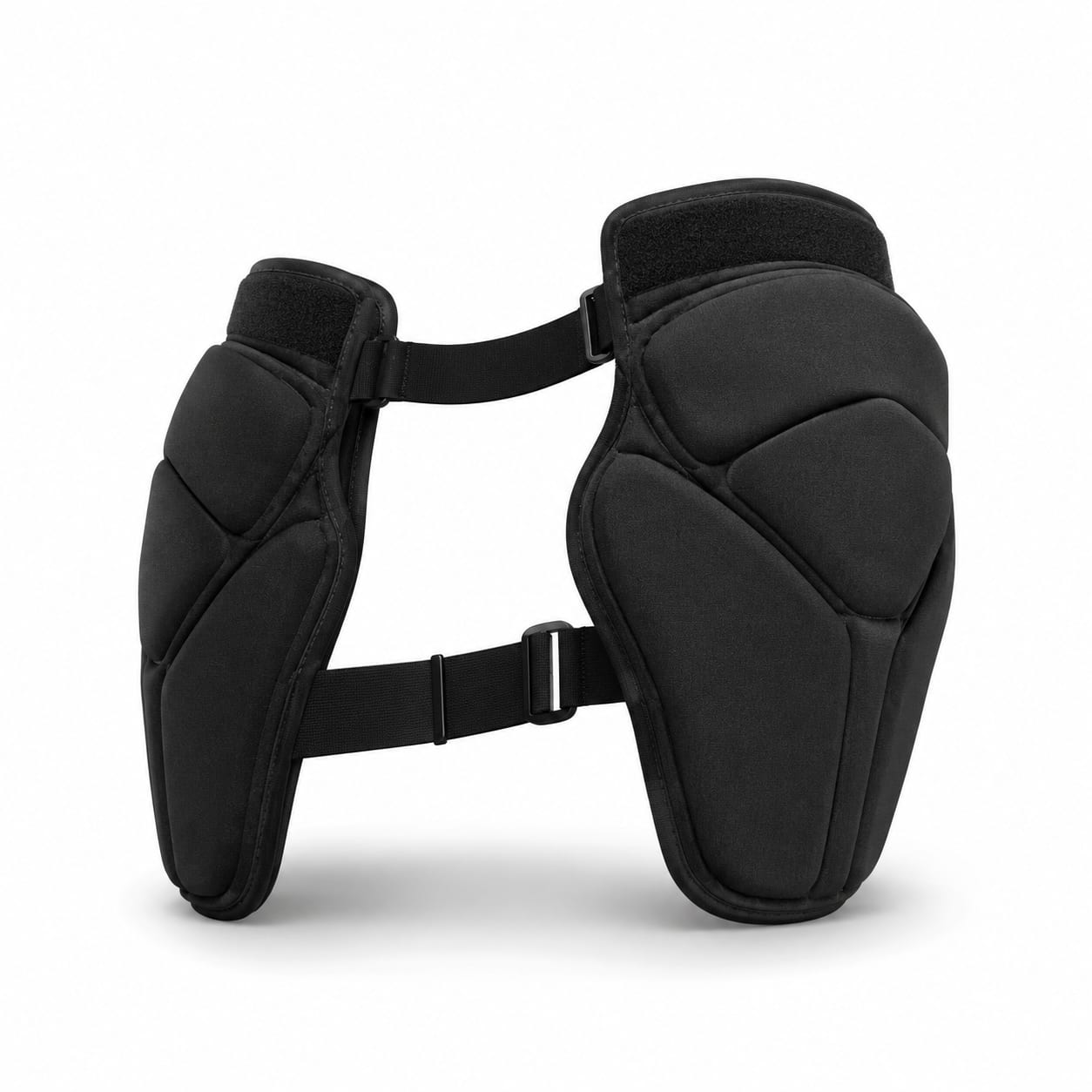
6 topics
Pick a question
Every answer links to the full subcategory guide and related gear types when it helps you decide.
Will standalone hip pads stay in place during active skiing?
Quality wrap/belt style standalone pads stay in place well when properly sized and tightened. The key is ensuring the belt is snug enough to prevent rotation during hip movement—test by doing deep knee bends and lateral lunges after putting them on. If pads shift significantly, try a smaller size. Avoid strap-on individual pads for skiing, as they are the most likely to shift during active use.
Read answer →02Can I wear standalone hip pads under tight ski pants?
Yes, this is one of their primary advantages. Smart foam pads (D3O, SAS-TEC) at 8-12mm thickness are barely noticeable under normal ski pants. However, very slim-fitting or stretch ski pants may show a slight outline. If you wear insulated or standard-fit ski pants, standalone pads should be virtually invisible. Try them on with your actual ski pants before a trip to verify compatibility.
Read answer →03Are standalone hip pads enough protection for a skier with osteoporosis?
It depends on the severity. For mild osteopenia, CE Level 1 standalone pads may be sufficient. For diagnosed osteoporosis, CE Level 2 protection (under 9 kN force transmission) is recommended, which is harder to find in standalone pad form. If you have severe osteoporosis, full impact shorts with CE Level 2 certification provide more reliable protection with better pad stability. Consult your doctor about the appropriate protection level for your bone density.
Read answer →04How do I know if the pads are positioned correctly over my hip joints?
The pads should cover the greater trochanter—the bony prominence on the outside of your upper thigh, roughly at the level of your hip crease when standing. You can feel this bone by pressing on the side of your upper thigh while rotating your leg. When wearing the protector, the center of each pad should sit directly over this bony point. Have someone check the positioning while you stand in a relaxed position, then again in a slight ski stance, as pads can shift when you bend your knees.
Read answer →05Can I wear standalone hip pads over my base layer?
Yes, and this is the most common and recommended way to wear them. The pads go over your base layer and under your ski pants. This allows your base layer to manage moisture against your skin while the pads provide protection on top. The belt should be snug against the base layer fabric, which actually helps prevent slipping compared to wearing against bare skin.
Read answer →06How often should I replace standalone hip pads?
Inspect the smart foam pads annually before each season. Replace them if the foam feels permanently compressed, has visible cracks, or has lost its soft-then-hard response when you squeeze it firmly. The belt and Velcro components should be replaced when the elastic loses its stretch or the Velcro no longer holds securely—typically every 2-3 seasons with regular use. Always replace after any major impact event, as smart foams are designed for single significant impacts.
Read answer →