
The pads should cover the greater trochanter—the bony prominence on the outside of your upper thigh, roughly at the level of your hip crease when standing. You can feel this bone by pressing on the side of your upper thigh while rotating your leg. When wearing the protector, the center of each pad should sit directly over this bony point. Have someone check the positioning while you stand in a relaxed position, then again in a slight ski stance, as pads can shift when you bend your knees.
Ski Hip Protectors · Standalone Hip Pads / Shields
How do I know if the pads are positioned correctly over my hip joints?
Related gear types
If this answer nudged you toward a different style, these guides compare specs and trade-offs.
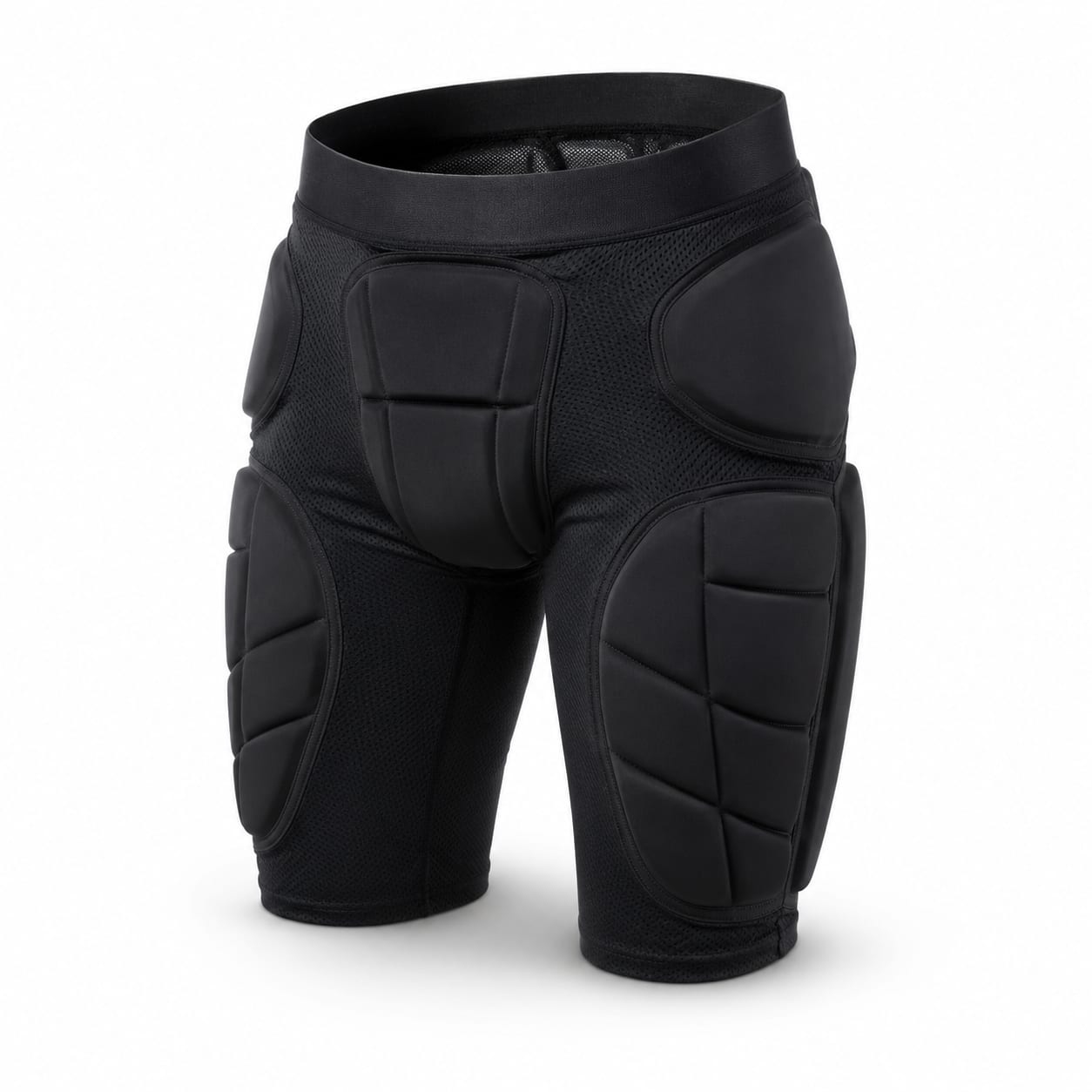
Impact Shorts / Crash Pants
$40 – $180
Full-length padded shorts providing multi-zone protection for hips, tailbone, and thighs.
Multi-zone paddingIntegrated short designRemovable or fixed pads
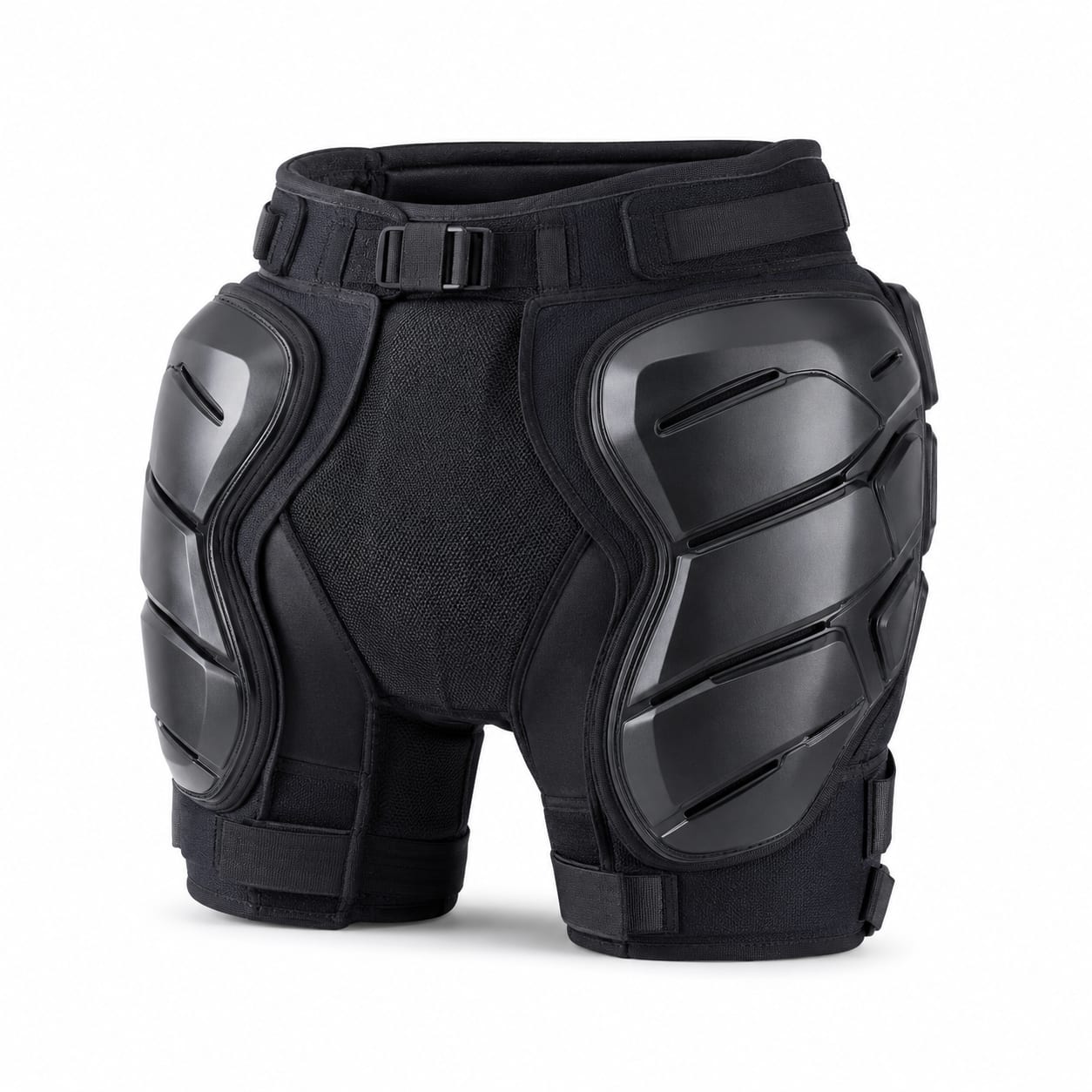
Hard Shell Hip Protectors
$50 – $200
Rigid plastic or composite shell hip protectors designed for maximum impact resistance and energy distribution.
Rigid outer shellWide impact distributionFoam inner layer
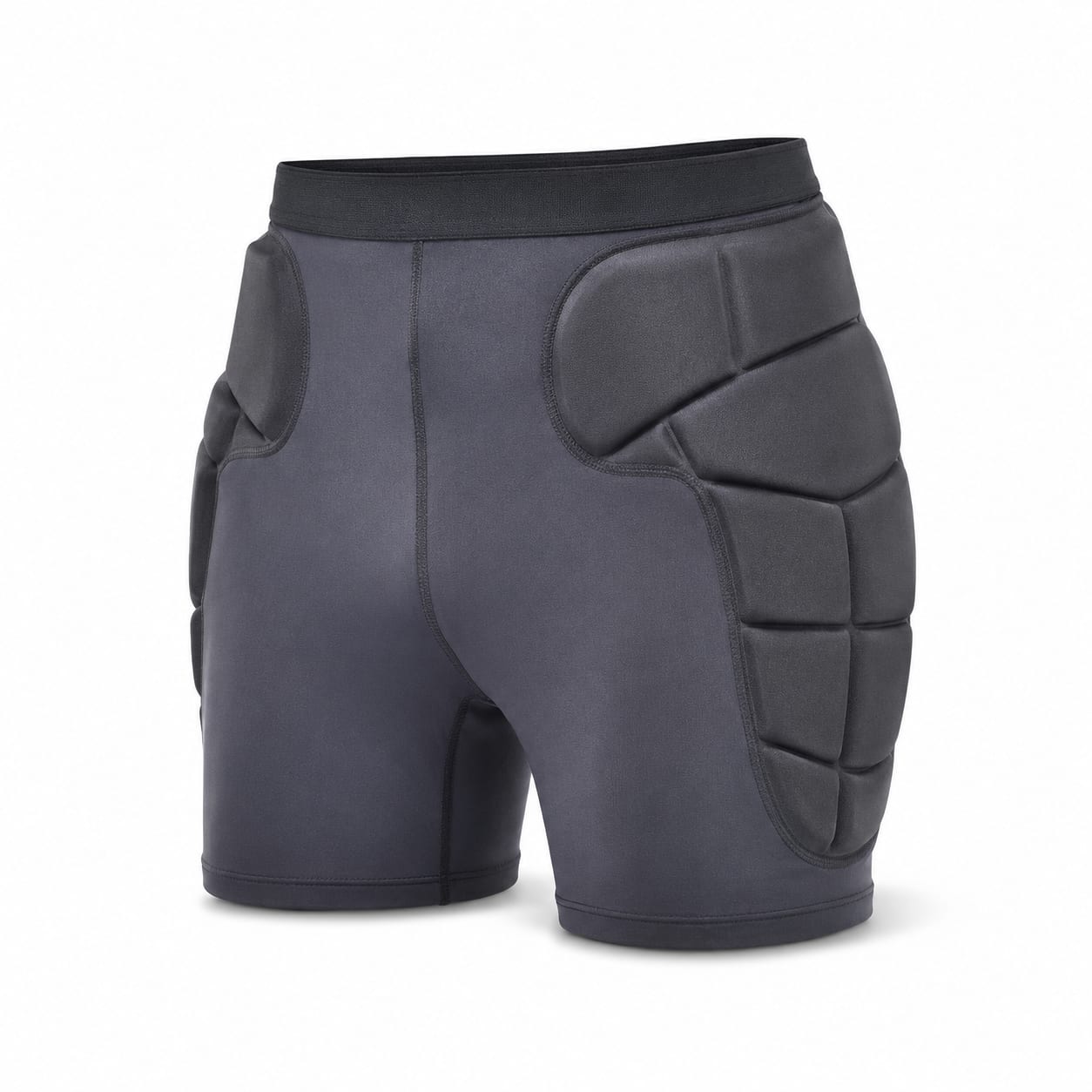
Soft Foam Hip Protectors
$25 – $90
Traditional flexible foam-padded hip protectors prioritizing comfort and everyday wearability.
EVA or PU foam paddingFlexible and comfortableLow profile
More questions
- Will standalone hip pads stay in place during active skiing?
- Can I wear standalone hip pads under tight ski pants?
- Are standalone hip pads enough protection for a skier with osteoporosis?
- Can I wear standalone hip pads over my base layer?