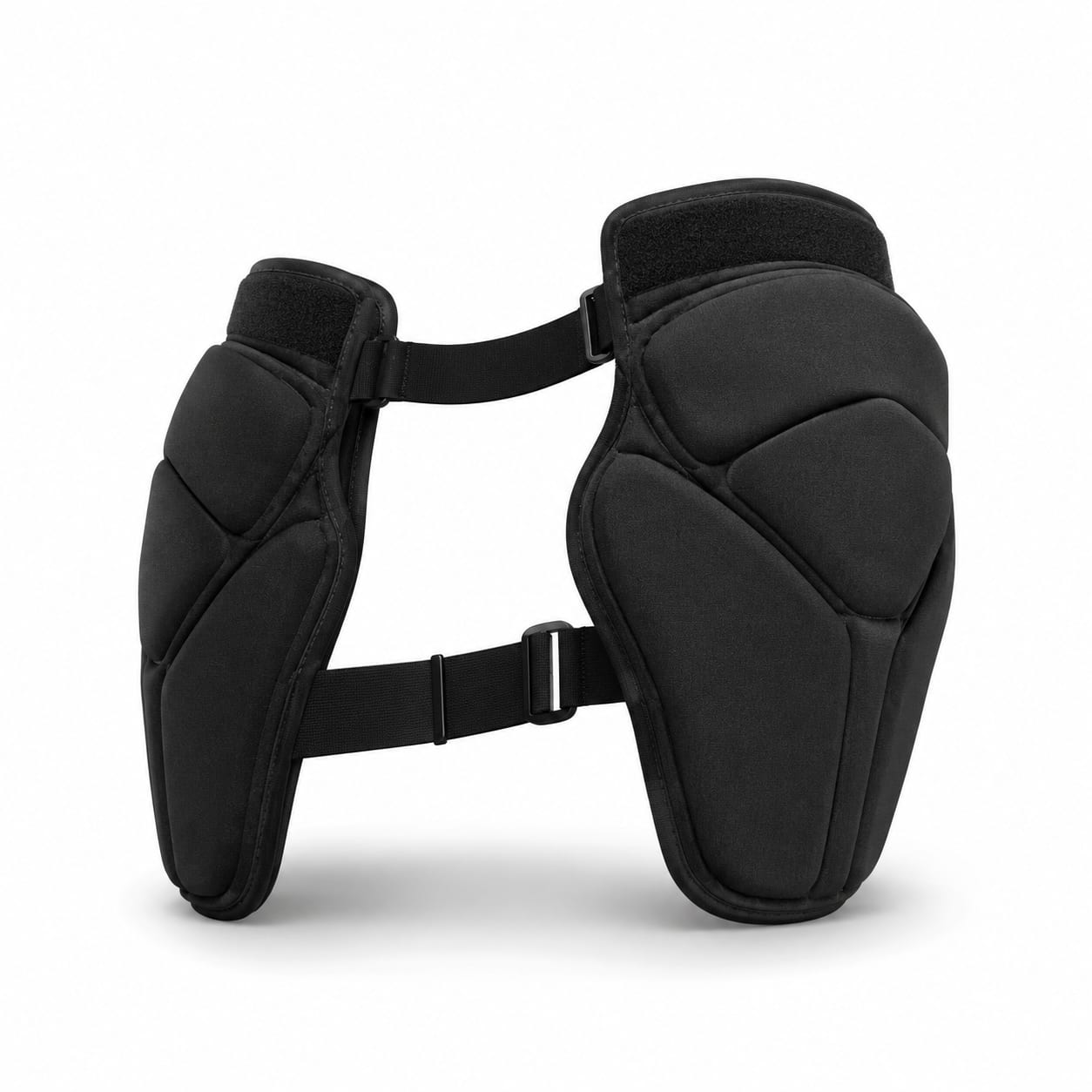
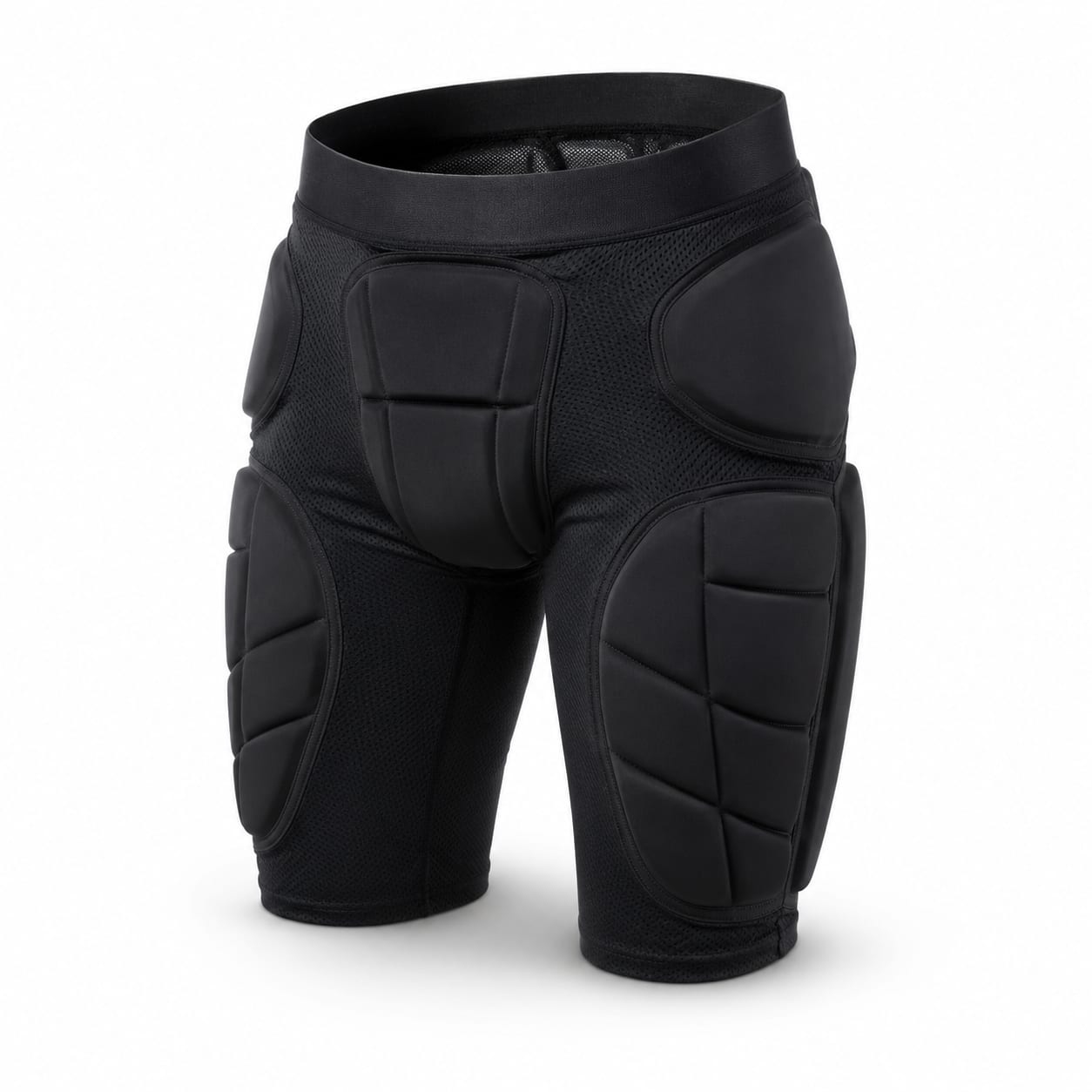
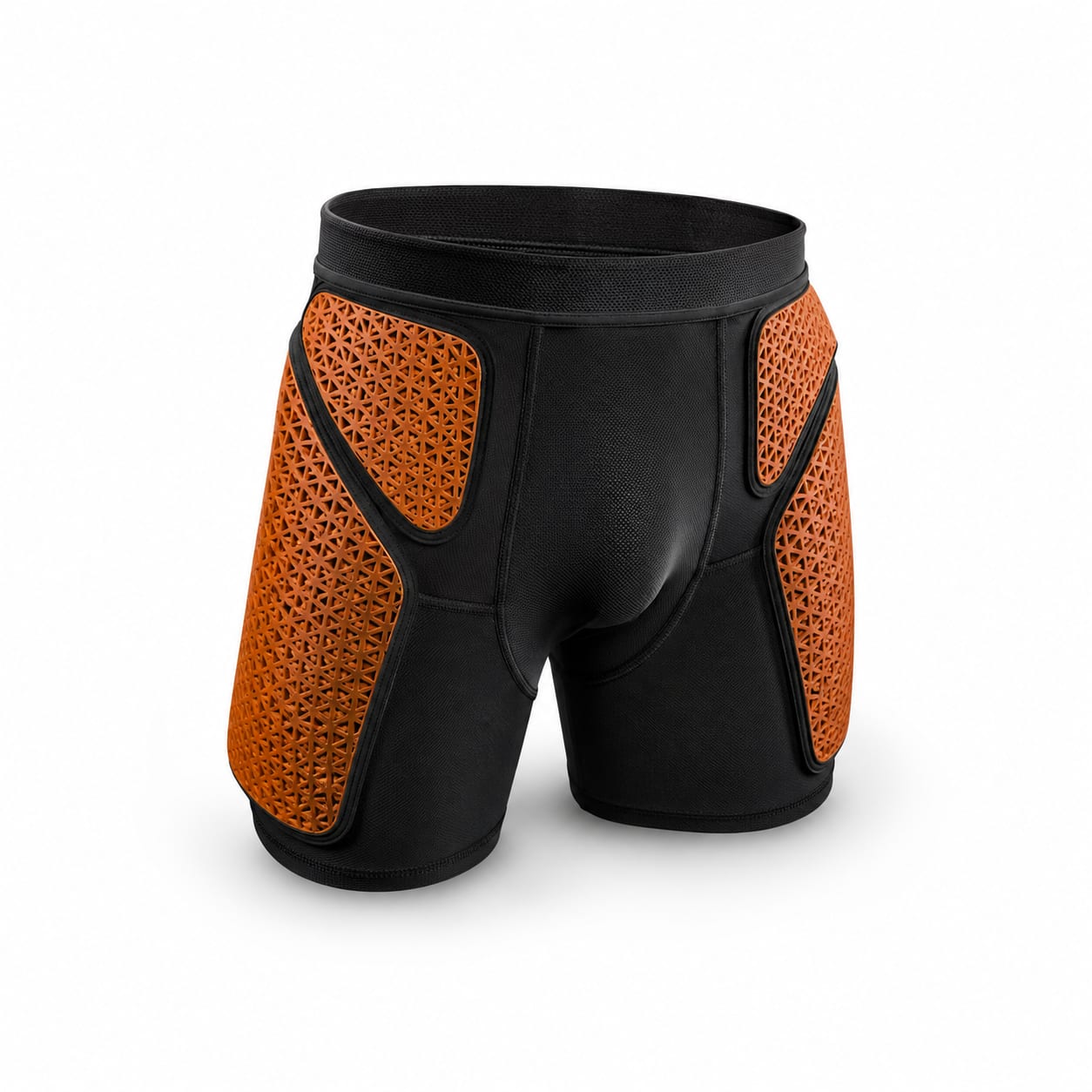
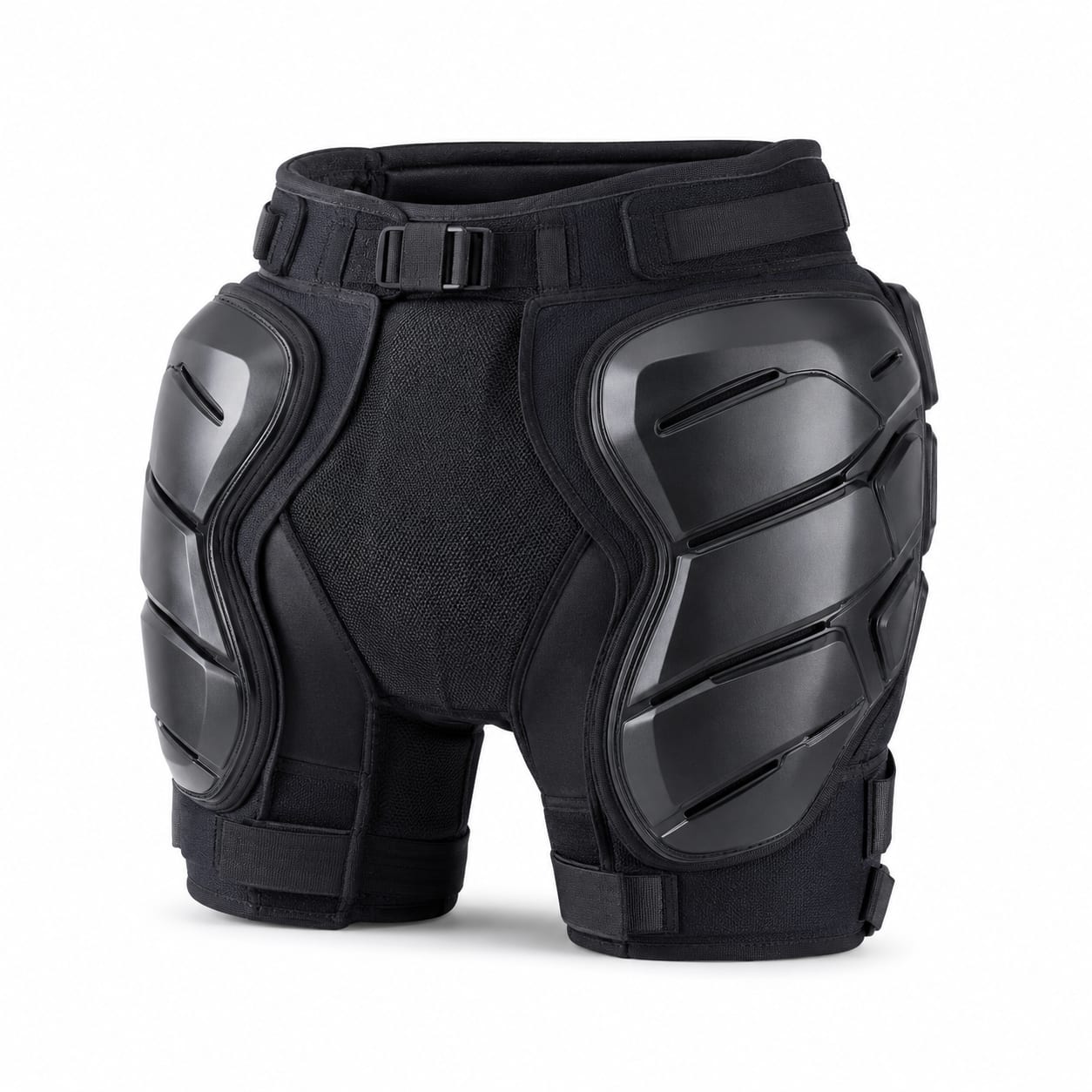
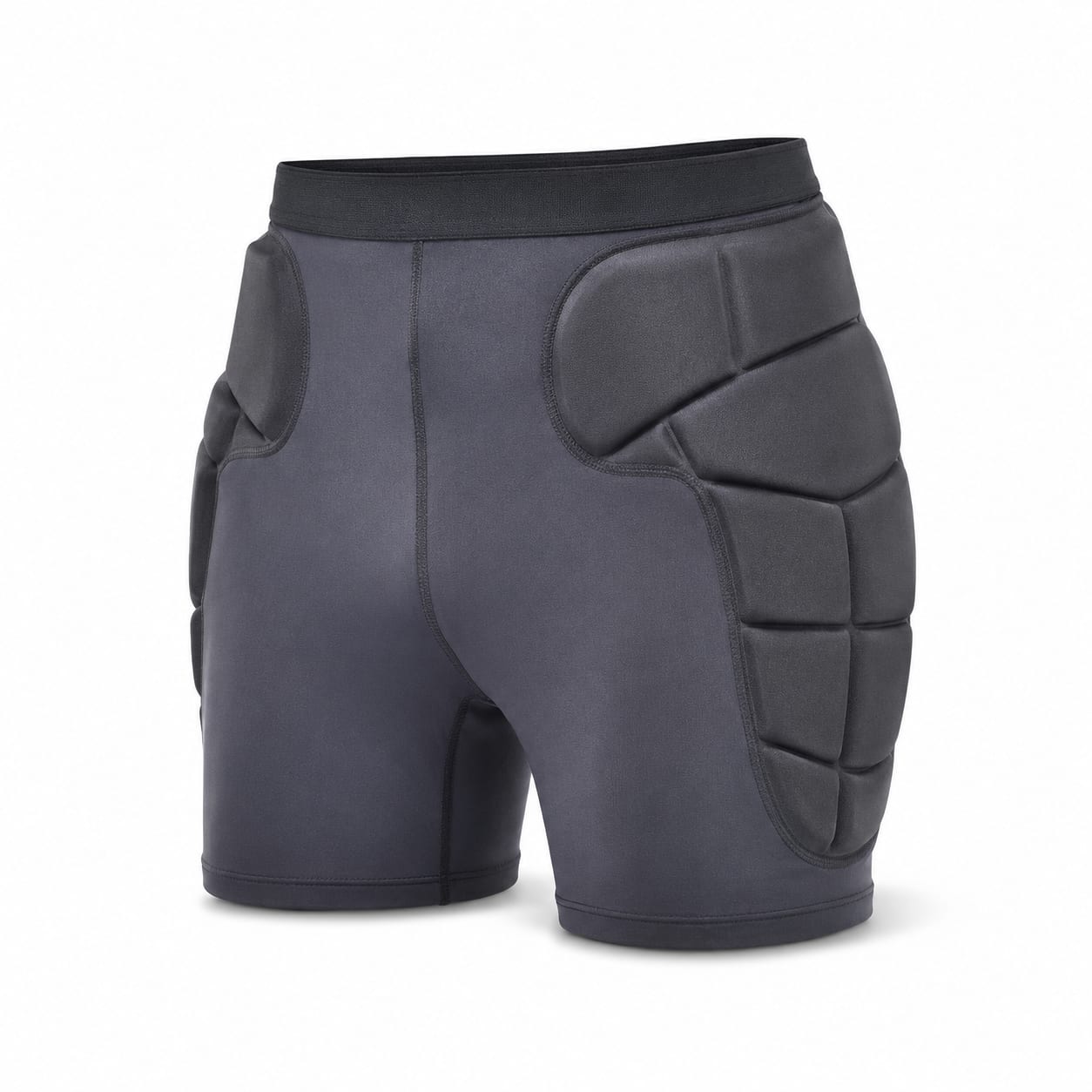
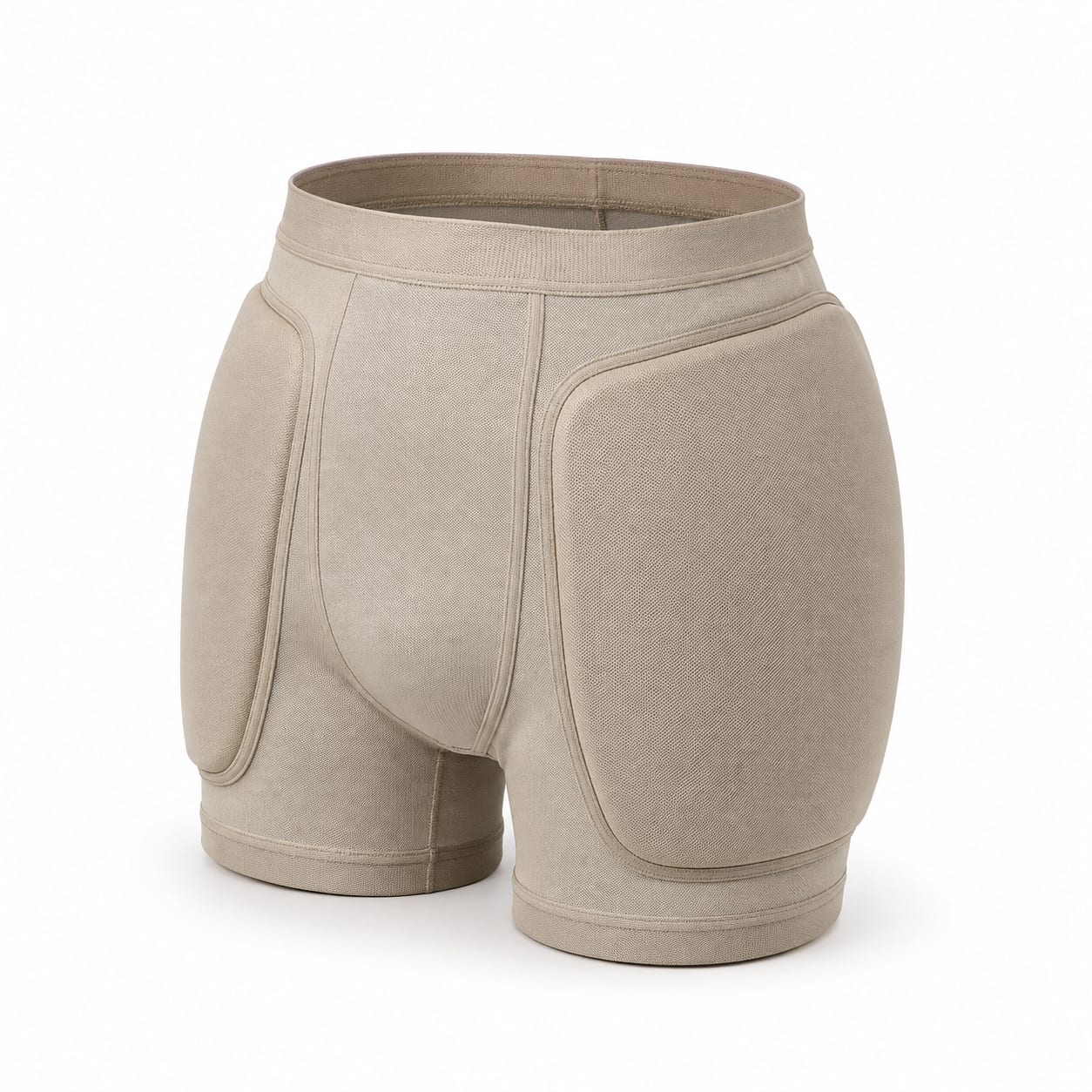
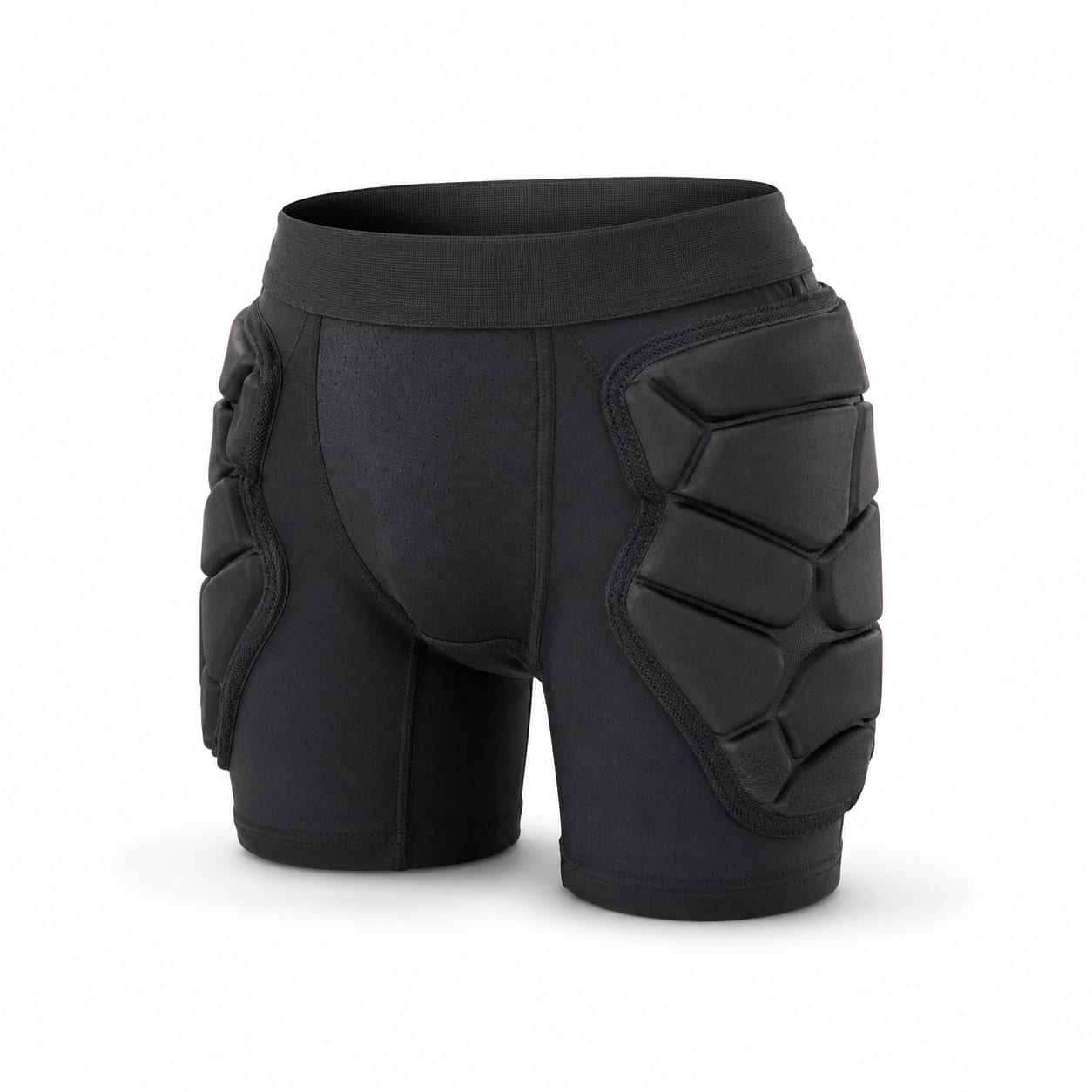
Standalone hip pads and shields are a streamlined approach to hip protection for skiing, designed for skiers who need focused coverage over the greater trochanter without the comprehensive coverage of full impact shorts. Unlike impact shorts that encase the lower torso and thighs in a compression garment, standalone pads attach directly to the body or a belt system, covering only the critical hip joint area where fractures most commonly occur. This subcategory includes wrap/belt styles with padded hip sections, strap-on individual pads, and shield-style protectors that secure around the waist and hips. The primary advantage is minimal bulk and warmth—these protectors are barely noticeable under ski pants and don't add an extra layer of insulation to your legs and rear. They are particularly popular among skiers who run hot, those wearing well-fitted ski pants that can't accommodate full impact shorts comfortably, and anyone who finds full padded shorts too restrictive or warm for all-day wear. The trade-off is that standalone pads provide no protection for the tailbone, thighs, or buttocks—areas that are also vulnerable in falls, especially for beginners. Additionally, because they lack the full compression short structure, pad positioning stability depends entirely on the closure system and fit quality, making proper sizing and secure attachment critical.
Standalone hip pads and shields occupy a unique niche in ski protection, offering a surgical approach to impact defense that prioritizes the most fracture-critical zone on the body: the greater trochanter of the femur. This bony prominence on the upper thigh is the most common site of hip fractures in falls, and it's the one area where protection can make the difference between a bruise and a life-altering injury. By focusing exclusively on this zone, standalone pads eliminate the unnecessary bulk, warmth, and restriction that comes with full impact shorts, making them the preferred choice for experienced skiers who rarely fall on their tailbone or thighs but want insurance against the most dangerous impact scenario.
The design philosophy behind standalone hip pads is rooted in the reality that many skiers simply won't wear full impact shorts consistently. Whether it's the extra warmth under already-insulated ski pants, the feeling of restriction during aggressive turns, or the aesthetic bulk that shows through fitted skiwear, full impact shorts often end up left in the lodge. Standalone pads address this compliance problem by being unobtrusive enough that you forget you're wearing them—until you need them. The best models use smart foam materials like D3O or SAS-TEC that remain soft and flexible during normal movement but instantly stiffen upon impact, providing CE-certified protection in a package that's often under 10mm thick.
However, the standalone design introduces a challenge that full impact shorts largely avoid: pad positioning stability. Without the full compression short structure holding everything in place, standalone pads rely on belts, wraps, or straps to maintain correct alignment over the greater trochanter. This makes proper sizing absolutely critical—a belt that's too loose allows pads to rotate out of position during active skiing, while one that's too tight can be uncomfortable and restrict breathing. The wrap/belt style has emerged as the most popular and effective standalone design, offering a secure adjustable fit that keeps pads positioned correctly while allowing the rest of your body to move freely in your normal base layers.
For skiers with medical risk factors such as osteoporosis, previous hip injuries, or age-related bone density concerns, standalone hip pads offer a practical daily solution that doesn't require changing your entire layering system. They can be worn over your preferred base layer and under your ski pants, adding protection without adding an entire garment. This modularity also makes them excellent for travel—they pack flat, weigh very little, and can be easily added to any ski outfit. The key limitation to understand is that standalone pads protect only the hips; if you're a beginner who falls backward frequently, or a freestyle skier who crashes in varied directions, the comprehensive coverage of full impact shorts may be more appropriate despite the extra bulk.