
Ski Poles · FAQ
Questions about Telemark Ski Poles
Straight answers on fit, specs, and when this type makes sense — each topic has its own page with links back to the buying guide.
Open Telemark Ski Poles guide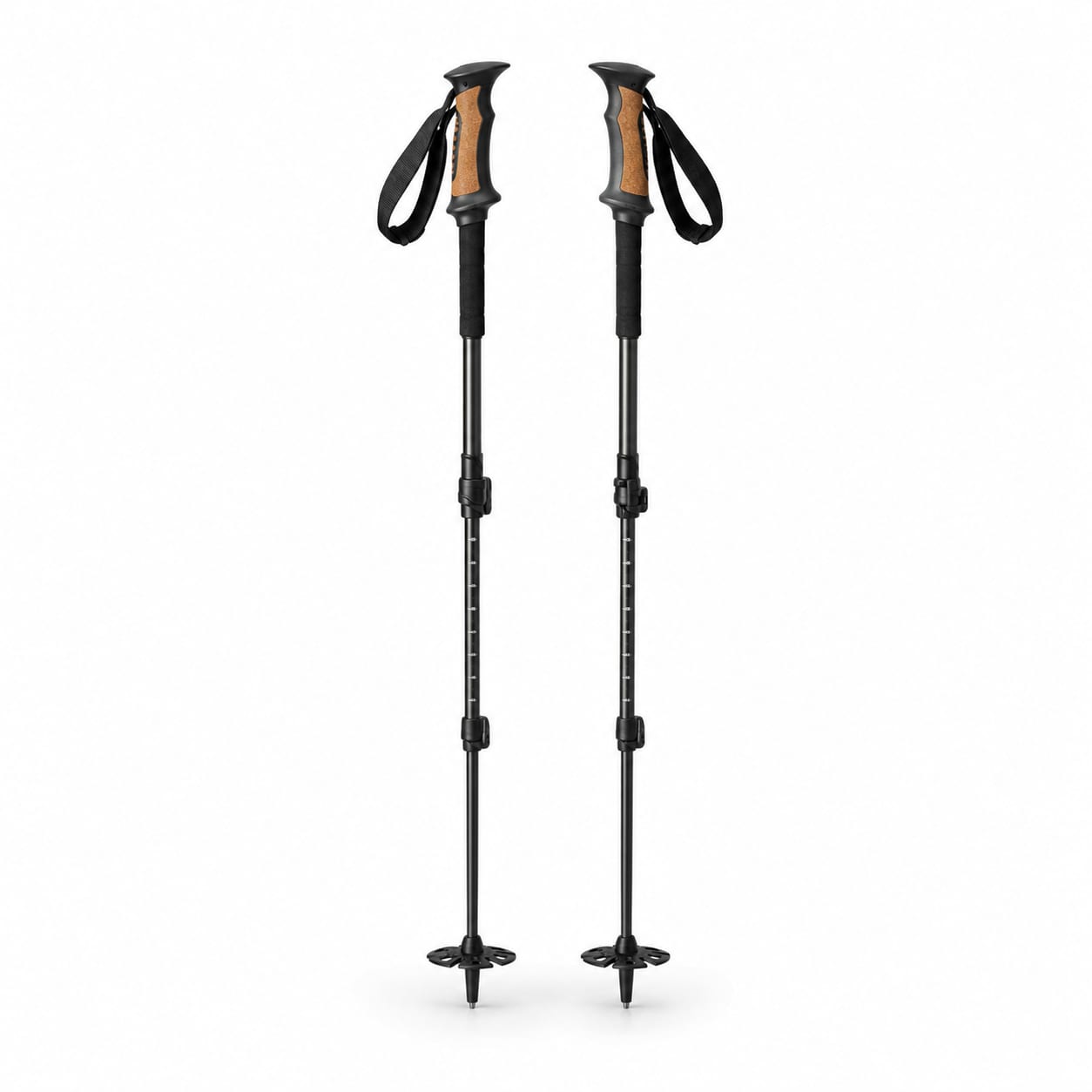
6 topics
Pick a question
Every answer links to the full subcategory guide and related gear types when it helps you decide.
How much longer should telemark poles be compared to my alpine poles?
Telemark poles should be 5–10 cm longer than your standard alpine pole length. The deeper lunge stance of telemark skiing places you lower to the snow, requiring more reach for effective pole plants. For example, if you use 115 cm alpine poles, try 120–125 cm telemark poles. When in doubt, start at the longer end of the range and trim down if needed—poles that are slightly too long are more forgiving than poles that are too short.
Read answer →02Do I need adjustable poles for telemark skiing?
Adjustable poles are highly recommended but not strictly required. They are valuable if you tour uphill on telemark gear (longer poles for ascending, shorter for descending), if you're still developing your technique and your ideal length may change, or if you share poles between users of different heights. If you exclusively ski lift-served telemark with an established stance, fixed-length poles offer simplicity, lower weight, and better durability. Most experienced telemark skiers who tour prefer adjustable poles.
Read answer →03Can I use regular touring poles for telemark skiing?
Yes, with one important caveat: ensure the poles extend long enough for your telemark downhill needs. Many touring poles max out at 125–130 cm, which may be too short for taller telemark skiers or those with a deep stance. Check that the adjustment range covers at least 5 cm beyond your ideal telemark pole length. Beyond length, touring poles share the features telemark needs: adjustability, powder baskets, lightweight construction, and reliable locking mechanisms.
Read answer →04Why do telemark skiers prefer powder baskets?
Telemark skiing has a strong tradition of off-piste and backcountry terrain where soft snow is common. Standard baskets (40–50 mm) punch through deep snow until the grip hits the surface, providing no support or balance—particularly problematic during the balance-sensitive telemark turn. Powder baskets (80–100 mm) keep the pole on the snow surface for reliable planting. Even lift-served telemark skiers benefit from powder baskets on powder days and in soft off-piste snow within the resort.
Read answer →05Are telemark-specific poles worth seeking out, or should I just buy good touring poles?
For most telemark skiers, high-quality touring poles work perfectly well and offer a much wider selection. The key is ensuring the poles are long enough and have the features you need (powder baskets, reliable adjustment, appropriate weight). True telemark-specific poles are rare and don't offer meaningful advantages over good touring poles with the right specifications. Focus on getting the correct length, weight, and features rather than searching for telemark branding.
Read answer →06What grip style works best for telemark skiing?
Ergonomic contoured grips are the most popular choice for telemark because they reduce hand fatigue during the frequent, forceful pole plants of telemark turns. If you ski steep terrain regularly, consider grips with an extended lower section (freeride-style) that lets you choke down for sidehill traverses without adjusting pole length. Cork material is preferred by many telemarkers for its moisture-wicking properties during sustained physical output. The best grip is ultimately the one that feels most comfortable in your hands during a full day of telemark turns.
Read answer →