Kitvore.com

Kitvore.com

Specs that matter. Gear that fits.

Ski Poles · Subcategory

Telemark Ski Poles

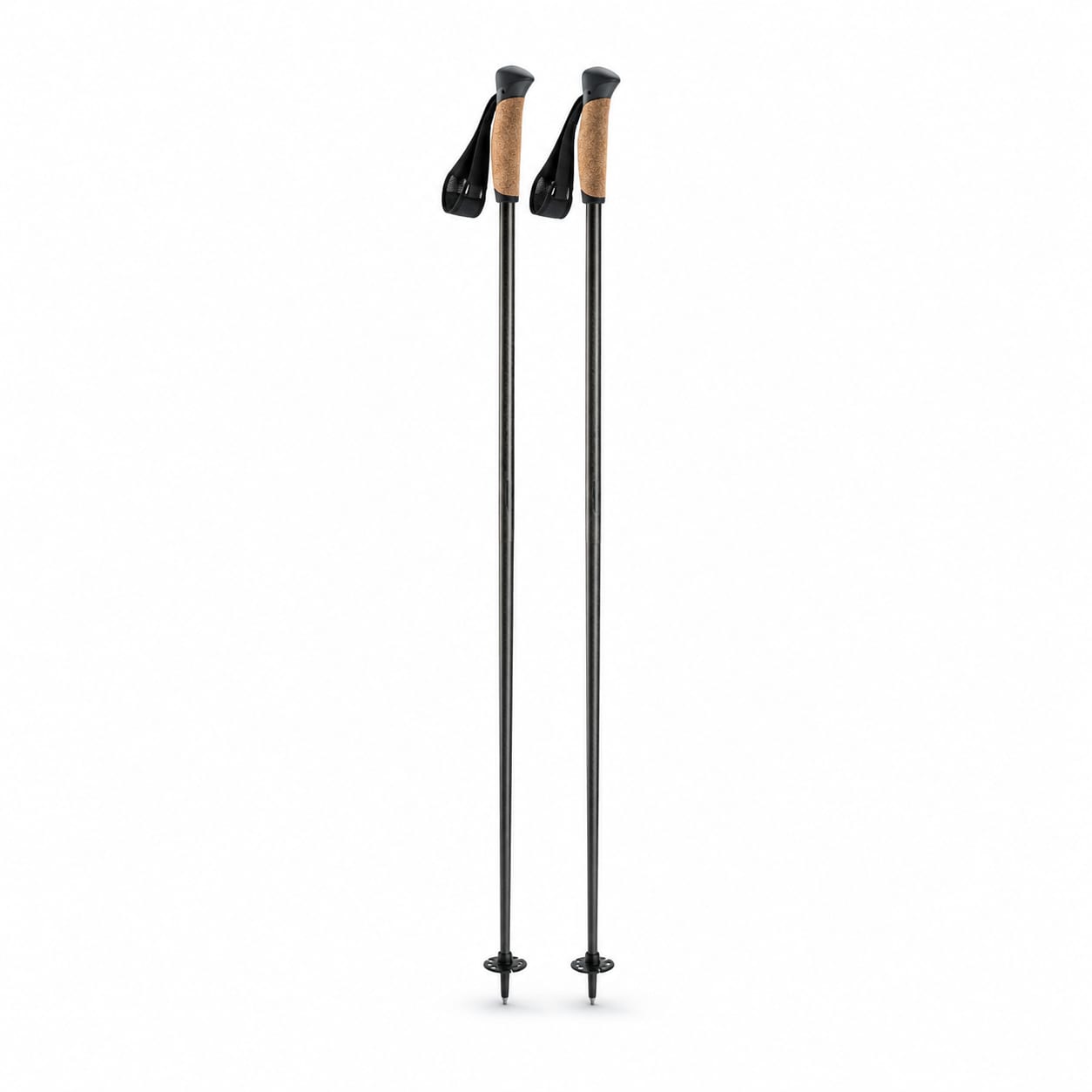
Longer, often adjustable poles designed for the low, dynamic stance and free-heel technique of telemark skiing.

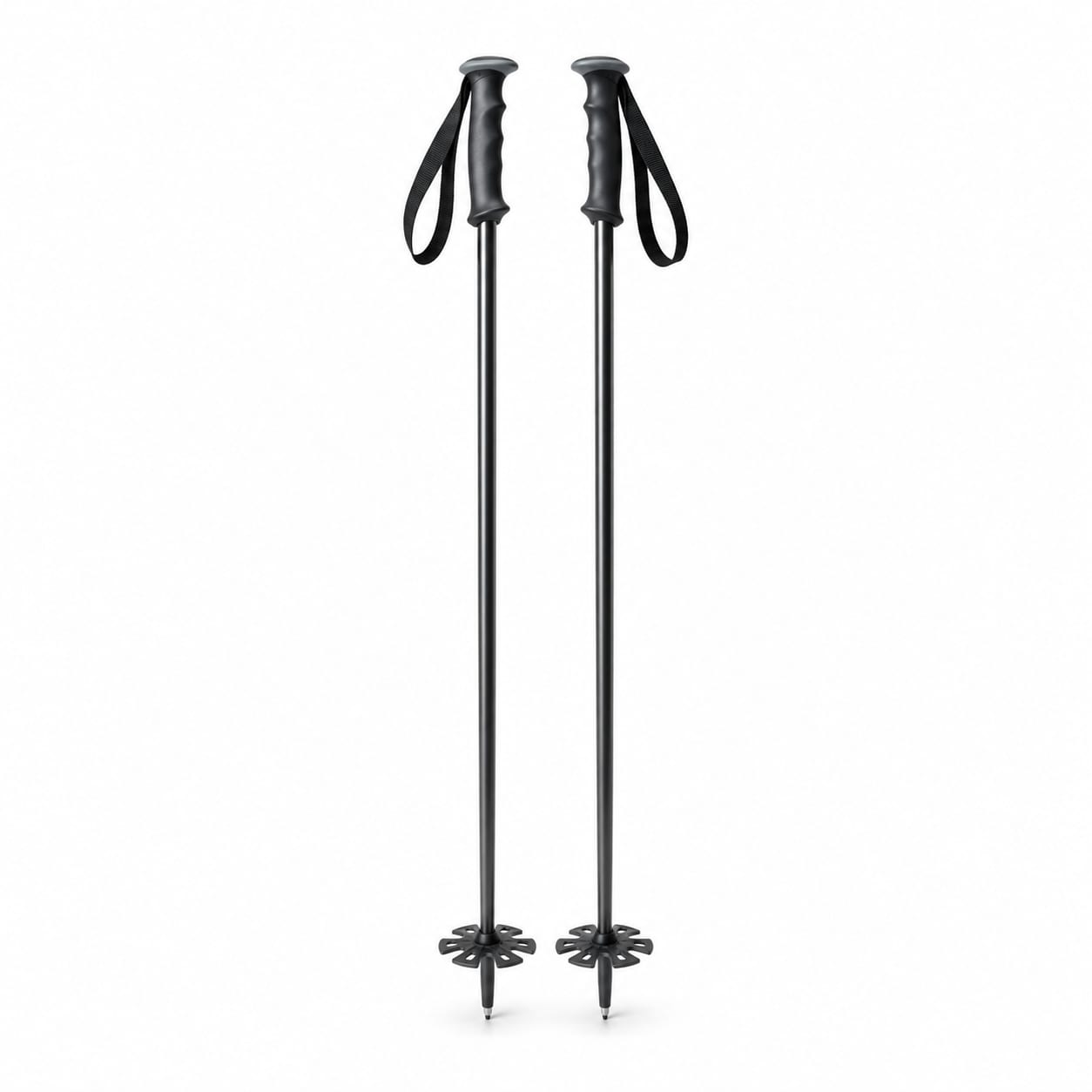
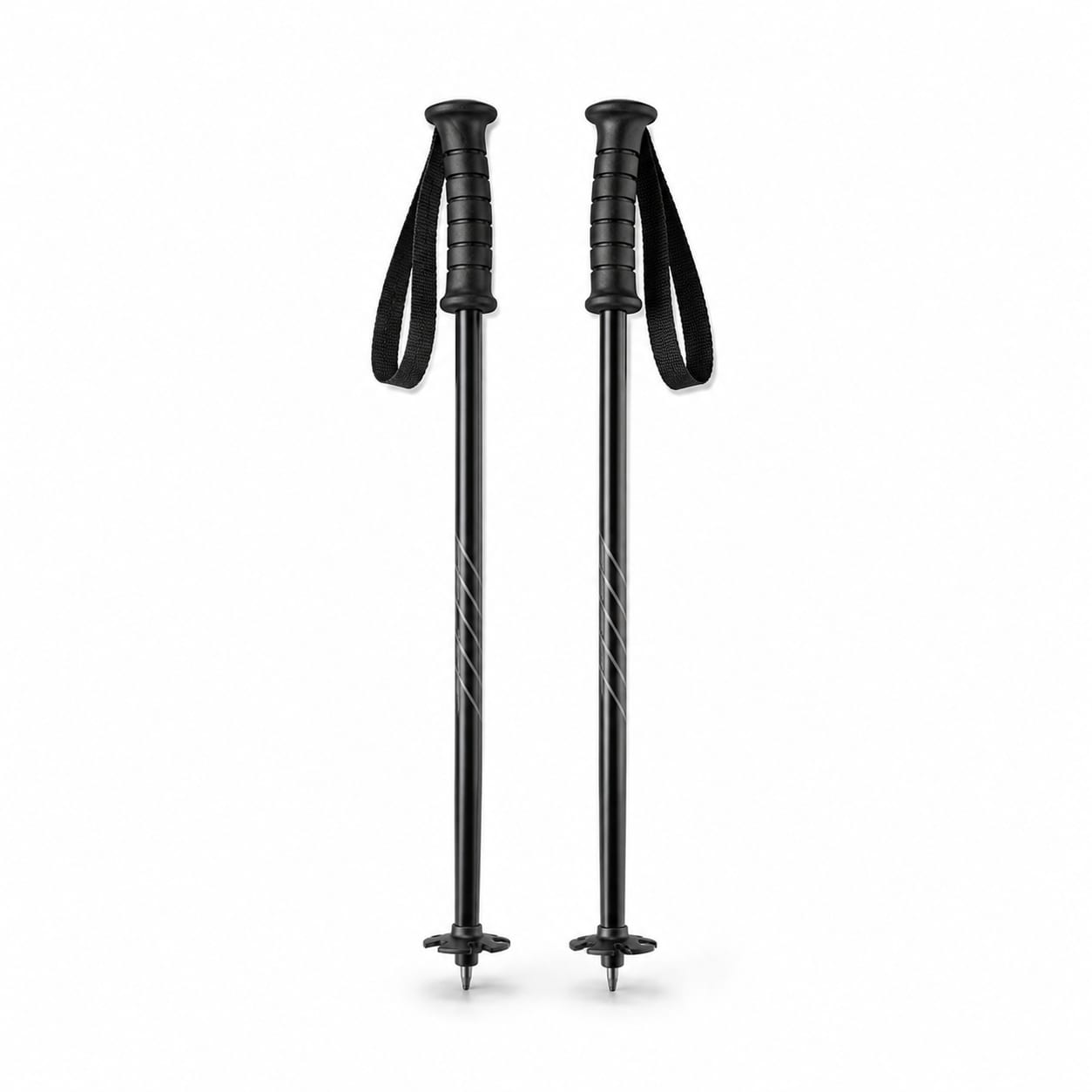
Telemark ski poles are purpose-built for the unique demands of free-heel telemark skiing, where a deep lunge stance and fluid turns require poles that are longer than standard alpine poles for proper reach and balance. Many telemarkers prefer adjustable poles to fine-tune length for uphill versus downhill, and for the asymmetric stance inherent to telemark turns. With features like powder baskets, ergonomic grips, and lightweight construction, telemark poles support the discipline's blend of touring efficiency and downhill grace.

$40 – $200mid tierintermediateadvancedexpert

Best known for

Longer length to accommodate the deep telemark lunge stanceAdjustability for varied terrain and uphill/downhill transitionsLightweight construction to reduce fatigue on demanding toursPowder baskets for off-piste soft snow performanceErgonomic grips for all-day comfort during dynamic turns
Telemark Ski Poles

Guide

Detailed overview

Telemark ski poles are a specialized subcategory designed specifically for the telemark skiing discipline, where the heel remains free and turns are executed through a deep lunge with alternating lead feet. This unique stance and technique demand poles that differ significantly from standard alpine poles. The most notable difference is length: telemark poles are typically 5–10 cm longer than a skier's standard alpine pole size because the lower stance requires greater reach to plant effectively and maintain balance. Many telemark skiers opt for adjustable telescopic poles, allowing them to lengthen poles for uphill skinning and shorten slightly for aggressive downhill turns. The adjustability also accommodates personal preference for asymmetric pole lengths during the telemark lead change. Telemark poles frequently feature powder baskets since the discipline has deep roots in off-piste and backcountry skiing, and ergonomic or extended grips that provide comfort and control during the sustained physical effort telemark skiing demands. Weight is a critical consideration, as telemark skiing is inherently more taxing than alpine skiing, making carbon fiber and composite shafts popular choices among dedicated practitioners.

Telemark skiing occupies a unique space in the ski world—combining the free-heel heritage of Nordic skiing with the downhill performance of alpine technique. The poles used for telemark reflect this hybrid nature, borrowing features from both touring and alpine disciplines while adding requirements specific to the telemark turn. Understanding these unique demands is essential for choosing the right pole.

The defining characteristic of telemark poles is their length. Because the telemark turn involves a deep lunge where the rear knee drops toward the snow, the skier's center of mass is significantly lower than in alpine skiing. This lower position requires longer poles to reach the snow effectively for pole plants that initiate and stabilize the turn. Most telemark skiers use poles 5–10 cm longer than their alpine pole length, with many experienced telemarkers preferring poles in the 120–135 cm range even for average heights. Using poles that are too short is a common beginner mistake that forces an upright posture and undermines the efficiency of the telemark turn.

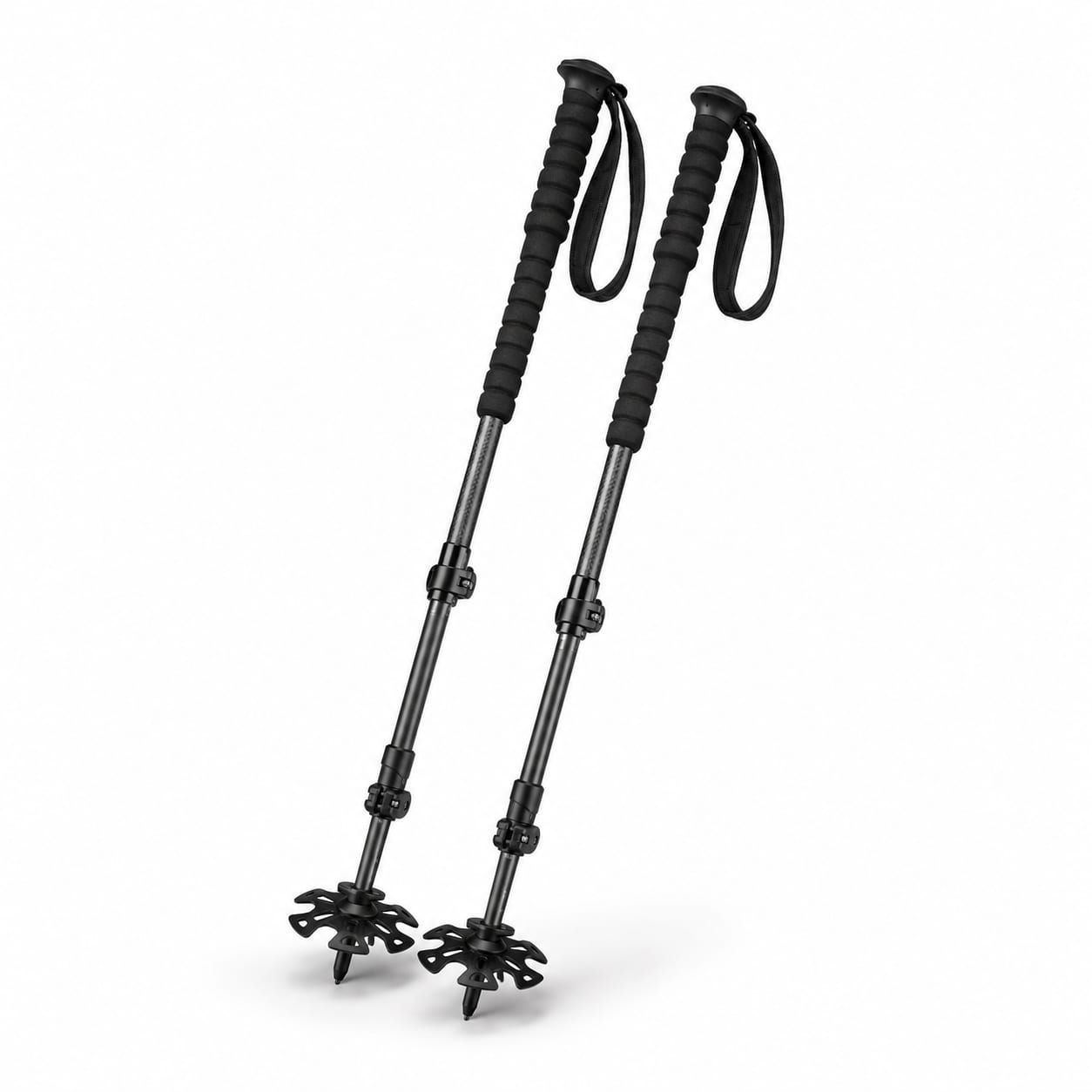
Adjustable poles have become increasingly popular in the telemark community, and for good reason. Telemark skiers frequently transition between uphill touring and downhill turning, and the optimal pole length differs for each. Longer poles provide better leverage and stride efficiency on the ascent, while slightly shorter poles offer quicker, more precise planting on the descent. Adjustable poles also allow experimentation with different lengths as technique evolves—many telemarkers find their preferred length changes as they become more proficient and their stance deepens. The tradeoff is weight and complexity, but modern adjustable poles have minimized these penalties.

Beyond length, telemark poles benefit from features that support the discipline's typical terrain and conditions. Powder baskets are near-essential since telemark skiing often ventures into untracked snow where standard baskets punch through and provide no support. Ergonomic grips reduce hand fatigue during long days of dynamic turns, and cork grip material wicks moisture from hands that work harder than in alpine skiing. Lightweight shaft materials—particularly carbon fiber—help offset the greater energy expenditure of the telemark technique. While telemark-specific poles exist from several manufacturers, many telemarkers successfully use high-quality adjustable touring poles, prioritizing the length and feature set over branding.

Quick facts

Primary purpose
Balance, rhythm, and support for telemark turning technique with drop-knee stance
Popular brands
Black DiamondLekiKomperdellG3Rossignol
Typical terrain
Resort runsBackcountryMixed terrainPowder

What makes it different

Length optimized for lower telemark stance; often overlap with backcountry adjustable poles; emphasis on swing weight for rhythmic alternating pole plants

Recommended ranges

How this type usually specs out

Each spec is explained in plain language, then we show what buyers usually look for on this type.

Length

Pole Length

What it means

The total length of the ski pole from tip to top of the grip, measured in centimeters. The most critical dimension for proper fit and performance.

Typical for this type

120–140 cm

Most common pick: 125 cm

In practice

Telemark poles are notably longer than standard alpine poles because the telemark lunge stance places the skier lower to the snow, requiring greater reach for effective pole plants. Most telemark skiers use poles 5–10 cm longer than their alpine pole size.

Compared to other types

Telemark poles are 5–10 cm longer than alpine all-mountain poles for the same skier height, and 10–15 cm shorter than Nordic cross-country poles. They are similar in length to backcountry touring poles set to their uphill position.

Why it matters: Proper length is critical in telemark skiing—poles that are too short force an upright stance that undermines turn mechanics, while poles that are too long can cause shoulder strain and sluggish plants. The deep lunge of the telemark turn makes this dimension more sensitive than in alpine skiing.

Material

Shaft Material

What it means

The primary material used in the pole shaft, which determines weight, durability, stiffness, vibration dampening, and price.

Typical for this type

Carbon Fiber Or Aluminum Carbon Mix

In practice

Carbon fiber is the most popular choice for dedicated telemark poles due to its low weight and vibration dampening, both valuable for the physically demanding telemark technique. Aluminum-carbon mix poles offer a durability compromise for skiers who are hard on equipment.

Compared to other types

Telemark poles favor carbon more heavily than alpine all-mountain poles (where aluminum dominates) due to weight sensitivity, similar to backcountry touring poles where every gram counts on the ascent.

Why it matters: Telemark skiing is more physically taxing than alpine skiing, making pole weight a more significant factor in fatigue management. Swing weight matters on every turn, and over a full day the difference between aluminum and carbon becomes very noticeable.

Weight (Pair)

Weight Per Pair

What it means

The total weight of a pair of ski poles measured in grams. Lighter poles reduce arm fatigue and improve swing dynamics.

Typical for this type

280–420 g

Most common pick: 340 g

In practice

Telemark poles typically weigh 280–420 g per pair, with carbon models at the lighter end and adjustable aluminum models at the heavier end. The physical intensity of telemark skiing makes lighter poles noticeably less fatiguing.

Compared to other types

Telemark poles are lighter on average than alpine all-mountain poles (which often weigh 400–550 g) but may be slightly heavier than pure race poles due to adjustable mechanisms and larger baskets. They are comparable to backcountry touring poles in weight priorities.

Why it matters: Every pole swing in a telemark turn requires lifting and re-planting the pole. Over hundreds of turns per day, even modest weight savings compound into significant fatigue reduction. This is amplified by the more frequent and dynamic pole plant timing in telemark versus alpine skiing.

Basket

Basket Type

What it means

The disc or cone near the pole tip that prevents the pole from sinking into soft snow. Basket size and shape affect performance in different snow conditions.

Typical for this type

Powder Or Interchangeable

In practice

Powder baskets (80–100 mm diameter) are the most common choice for telemark poles because the discipline frequently involves off-piste and backcountry terrain with soft snow. Interchangeable baskets offer versatility for skiers who also ski groomed runs.

Compared to other types

Telemark poles use powder baskets far more frequently than alpine all-mountain or racing poles (which use standard or cone baskets), similar to backcountry touring and freeride poles where soft snow performance is prioritized.

Why it matters: In deep snow, standard baskets allow the pole to plunge to the grip, providing no support or balance—critical problems during the already-balance-challenging telemark turn. Powder baskets keep the pole on the surface where it can provide reliable planting.

Grip

Grip Type

What it means

The design and shape of the pole grip which affects comfort, security, and technique. Grip ergonomics are crucial for all-day skiing comfort.

Typical for this type

Ergonomic Or Freeride Grip

In practice

Ergonomic contoured grips are popular for telemark poles because they reduce hand fatigue during the frequent, forceful pole plants of telemark turns. Freeride/extended grips are valuable for telemarkers who ski steep terrain and need to choke down on sidehill traverses.

Compared to other types

Telemark poles favor ergonomic and extended grips more than standard alpine poles (which often use simple cylindrical grips), reflecting the discipline's greater hand fatigue demands and frequent steep terrain.

Why it matters: Telemark skiing places greater and more sustained demand on the hands and wrists than alpine skiing due to the dynamic nature of pole plants in each turn. Grip comfort directly affects endurance and control over a full day.

Grip Material

Grip Material

What it means

The material covering the grip area, affecting comfort, insulation, grip security, and moisture management.

Typical for this type

Cork Or Rubber

In practice

Cork grips are very popular for telemark poles because they wick moisture from hard-working hands and mold to the hand over time for a custom feel. Rubber is the second most common choice, offering good grip security in all conditions.

Compared to other types

Telemark poles use cork more frequently than alpine all-mountain poles (where rubber dominates), similar to backcountry touring poles where moisture management during sustained effort is valued.

Why it matters: Telemark skiing generates more hand perspiration than typical alpine skiing due to the physical intensity of the technique. Moisture management keeps hands secure on the grip and reduces blistering on long days.

Strap

Strap Type

What it means

The design of the strap or loop that secures the pole to the skier's wrist, affecting security, comfort, and release characteristics.

Typical for this type

Standard Strap Or Trigger S

In practice

Standard nylon straps are the most common on telemark poles, providing reliable security and simple operation. Some telemarkers choose Leki Trigger systems for the injury-protection release feature, which is valuable given the fall frequency while learning telemark technique.

Compared to other types

Telemark poles use similar strap types to alpine all-mountain poles. The injury risk from straps may be slightly higher in telemark due to more frequent falls, making release systems like Trigger S potentially more valuable than in alpine skiing.

Why it matters: Proper strap use is essential in telemark skiing for effective pole planting and timing. The free-heel nature of telemark means falls can be more frequent, especially while learning, making strap release characteristics more safety-relevant than in alpine skiing.

Construction

Construction Type

What it means

Whether the pole is a fixed single shaft, telescoping adjustable, or folding design. Affects packability, versatility, and weight.

Typical for this type

Telescopic Or Fixed

In practice

Telescopic adjustable poles are the most popular choice for telemark skiing because they allow length adjustment for uphill versus downhill and accommodate technique evolution. Fixed-length poles are preferred by some experienced telemarkers who have settled on their ideal length and prioritize weight savings.

Compared to other types

Telemark poles use adjustable construction far more often than alpine all-mountain or racing poles (which are overwhelmingly fixed-length), similar to backcountry touring poles where adjustability is considered essential.

Why it matters: Telemark skiers often tour uphill and ski down in the same outing, requiring different pole lengths for each phase. Adjustable poles also let skiers experiment with length as their telemark stance deepens with improving technique—a common progression.

Tip Material

Tip Material

What it means

The material of the pole tip (point), which affects durability, grip on hard snow and ice, and longevity.

Typical for this type

Carbide

In practice

Carbide/tungsten tips are standard on quality telemark poles, providing the durability and hard-snow grip needed for the varied conditions telemark skiers encounter, from icy morning groomers to soft afternoon powder.

Compared to other types

Telemark poles use carbide tips at similar rates to other quality pole subcategories. The case for carbide over steel is stronger than for resort-only poles because telemark poles encounter more abrasive off-piste surfaces including rocks and dirt.

Why it matters: Telemark skiers often encounter harder snow conditions in the morning and softer snow as the day progresses. Carbide tips grip reliably across this full range and maintain their effectiveness over many seasons, which matters for poles that see varied off-piste use.

Shaft Diameter

Shaft Diameter

What it means

The diameter of the pole shaft, typically tapering from grip to tip. Affects swing weight, stiffness, and aerodynamics.

Typical for this type

15–18 mm grip end, 12–14 mm tip end

Most common pick: 16 mm (grip end), tapering to 13 mm (tip end)

In practice

Telemark poles follow standard shaft diameter conventions, with 16–18 mm at the grip tapering to 12–14 mm at the tip. Carbon models sometimes feature more aggressive tapering to reduce swing weight at the tip end.

Compared to other types

Telemark poles have similar shaft diameters to other pole subcategories. The emphasis on swing weight may favor slightly more aggressive tapering than standard aluminum all-mountain poles, similar to touring poles.

Why it matters: Shaft diameter affects swing weight and feel, which matters in telemark skiing due to the frequency and importance of pole plants. More aggressive tapering reduces weight at the tip where it most affects swing dynamics.

Vibration Dampening

Vibration Dampening

What it means

The pole's ability to absorb and reduce vibrations transmitted from the tip through the shaft to the grip. Affects comfort and feel on hard, choppy snow.

Typical for this type

High Or Moderate

In practice

High vibration dampening is preferred for telemark poles because the discipline involves long days with frequent pole plants on varied snow conditions. Carbon fiber shafts naturally provide excellent dampening.

Compared to other types

Telemark poles prioritize dampening more than racing poles (which prefer low dampening for snow feel) and similarly to backcountry touring poles where all-day comfort matters. They are more dampening-focused than basic aluminum all-mountain poles.

Why it matters: Telemark skiing keeps poles in near-constant use with every turn, meaning vibration exposure is sustained throughout the day. Good dampening reduces hand and arm fatigue, which is already elevated by the physical demands of the telemark technique.

Discipline

Intended Discipline

What it means

The primary skiing discipline the pole is designed for, which influences all other design choices from length to basket to material.

Typical for this type

Backcountry Touring And/Or Freeride Big Mountain

Most common pick: Backcountry Touring, Freeride Big Mountain

In practice

Telemark skiing spans backcountry touring and freeride/big mountain terrain, and telemark poles are designed with features from both disciplines. The discipline-specific enum does not include a telemark option, so these are the closest matches reflecting the touring capability and off-piste focus of telemark skiing.

Compared to other types

Telemark poles share discipline overlap with backcountry touring poles (adjustability, powder baskets, light weight) and freeride poles (extended grips, durable construction), but differ from alpine all-mountain and racing poles in nearly every design priority.

Why it matters: Matching pole features to terrain type ensures you have the right basket size, grip extension, adjustability, and durability for where you actually ski. Telemark skiers who primarily ski resorts still benefit from touring-oriented features due to the technique's demands.

Curved Shaft

Curved Shaft

What it means

Whether the pole shaft is straight or features a bend/curve, typically designed for aerodynamic tuck positions in racing.

Typical for this type

False Only

In practice

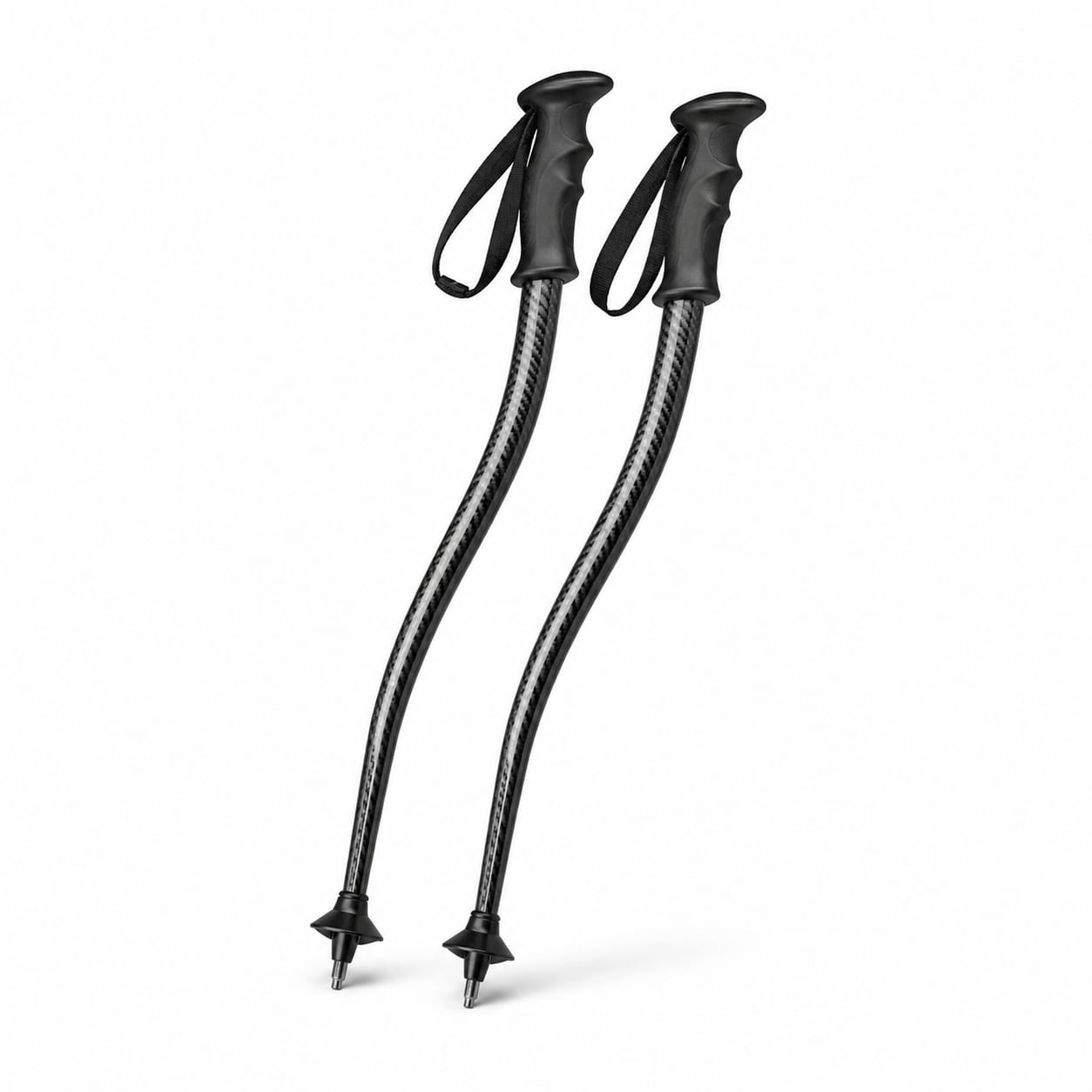
Telemark poles always have straight shafts. Curved shafts are an aerodynamic racing feature for GS and speed disciplines, providing no benefit for telemark skiing and interfering with the varied pole angles used in telemark turns.

Compared to other types

Like alpine all-mountain, freestyle, and backcountry poles, telemark poles use straight shafts. Only GS/speed racing poles use curved shafts.

Why it matters: A curved shaft would actively hinder telemark technique by altering the pole plant angle and making it harder to plant cleanly at the varied positions telemark turns require. This feature is exclusively for speed discipline racing.

Adjustment Range

Adjustment Range

What it means

The range of lengths an adjustable pole can be set to, relevant only for telescopic and folding poles.

Typical for this type

100–145 cm

Most common pick: 105–140 cm

In practice

For adjustable telemark poles, a range of 100–145 cm covers the needs of most skiers, allowing longer settings for uphill touring and shorter settings for downhill turns. The range should span at least 25–30 cm to provide meaningful adjustability.

Compared to other types

Telemark poles need similar adjustment ranges to backcountry touring poles, but the minimum length is typically longer than pure touring poles because telemark downhill technique requires longer poles than alpine downhill technique.

Why it matters: Adequate adjustment range allows telemark skiers to optimize pole length for each phase of their skiing—longer for efficient striding on the ascent, shorter for precise planting on the descent. Insufficient range negates the benefit of adjustable poles.

Lock Mechanism

Locking Mechanism

What it means

The type of mechanism used to secure adjustable poles at the desired length. Affects reliability, ease of use, and durability.

Typical for this type

External Clamp

In practice

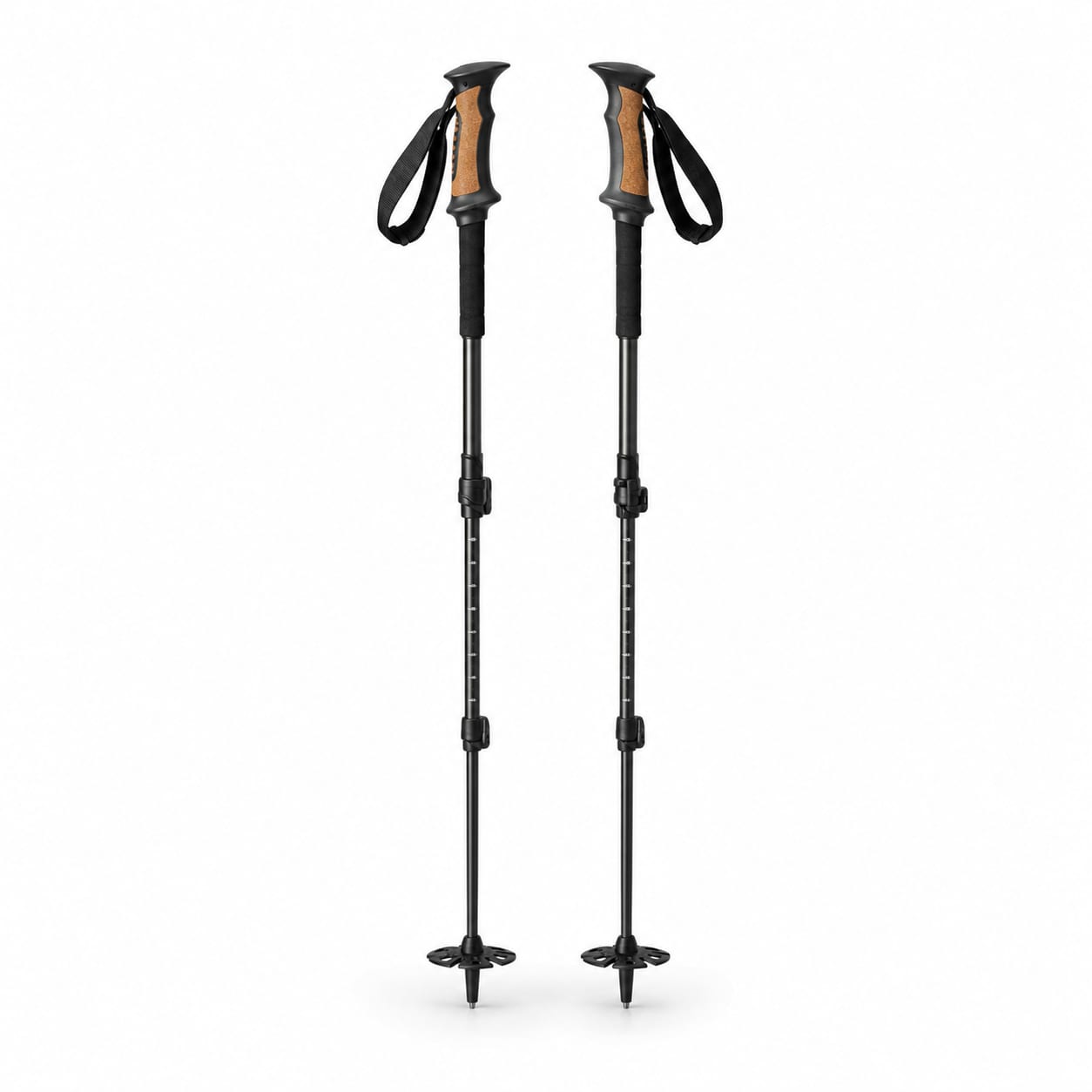
External clamp (Flicklock-style) mechanisms are the preferred choice for adjustable telemark poles because they are reliable in cold and wet conditions, easy to operate with gloves, and visually confirm when properly secured.

Compared to other types

Telemark poles share the external clamp preference with backcountry touring poles, where reliability in adverse conditions is paramount. This differs from budget adjustable poles that may use internal twist locks, which are less reliable in cold and wet conditions.

Why it matters: Telemark skiing often takes place in cold, wet backcountry conditions where locking mechanism reliability is safety-critical. A pole that collapses unexpectedly during a telemark turn can cause a fall. External clamps are the most dependable in these conditions.

Packed Length

Packed Length

What it means

The length of the pole when collapsed or folded to its minimum size. Relevant for travel and backcountry applications where poles need to fit in or on a pack.

Typical for this type

35–65 cm

Most common pick: 55 cm (telescopic collapsed)

In practice

Adjustable telemark poles typically collapse to 50–65 cm, while folding models can pack down to 35–45 cm. Packed length matters for travel and for stowing poles inside a pack during steep boot packs.

Compared to other types

Telemark poles have similar packed length needs to backcountry touring poles. This dimension is irrelevant for fixed-length alpine poles that never need to collapse.

Why it matters: Telemark skiers who venture into the backcountry sometimes need to stow poles on or in their pack for steep climbing sections or ski removal at ridgelines. Compact packed length enables inside-pack carry, which is more secure than external attachment.

Evaluation

Strengths and trade-offs

Pros

What this type does best

Optimized length for telemark stance

Critical

Telemark poles are longer than standard alpine poles, providing the reach needed for effective pole plants during the deep lunge of telemark turns. This correct length supports proper technique and balance.

Adjustability for touring and technique evolution

High

Many telemark poles are adjustable, allowing skiers to lengthen for uphill efficiency and shorten for downhill precision. This also accommodates the technique changes that come with skill progression.

Lightweight construction reduces fatigue

High

Telemark skiing is physically demanding, and lighter poles meaningfully reduce arm fatigue over a full day of dynamic turns. Carbon fiber construction makes this possible without sacrificing stiffness.

Powder baskets for off-piste versatility

High

Telemark poles typically come with powder baskets that prevent sinking in deep snow, supporting the discipline's strong connection to off-piste and backcountry terrain.

Ergonomic grips for sustained comfort

Medium

The frequent, forceful pole plants of telemark skiing demand comfortable grips. Ergonomic designs and cork material reduce hand fatigue and manage moisture during intense sessions.

Versatile across resort and backcountry

Medium

Telemark poles bridge the gap between resort and backcountry skiing, with features that perform well in both settings—unlike pure alpine poles that struggle off-piste or pure touring poles that feel imprecise on groomers.

Extended grip options for steep terrain

Medium

Some telemark poles feature extended grip sections below the main grip, allowing quick hand position adjustments on steep sidehill traverses without needing to adjust pole length.

Cons

Trade-offs to be aware of

Longer poles can feel awkward for beginners

Moderate

New telemark skiers may find the longer pole length unwieldy at first, especially if transitioning from alpine skiing. The reach feels exaggerated until the proper low stance becomes natural.

Adjustable mechanisms add weight and potential failure points

Moderate

Telescopic adjustment mechanisms increase pole weight by 30–60 g per pair compared to fixed-length poles and introduce the possibility of slippage or freezing in adverse conditions.

Limited telemark-specific product selection

Moderate

Few manufacturers produce poles specifically marketed for telemark skiing, meaning telemarkers often adapt touring or all-mountain poles and must independently verify that length and features meet their needs.

Higher cost for appropriate feature set

Minor

Getting the ideal combination of adjustability, carbon construction, powder baskets, and ergonomic grips typically requires purchasing premium poles, as budget options lack several of these features.

Powder baskets can catch in tight trees and moguls

Minor

The oversized powder baskets common on telemark poles can grab on branches, tree wells, and between mogul bumps, requiring awareness in tight terrain that standard baskets navigate more easily.

Best for

Terrain

Off-piste and backcountryVaried resort terrain including groomers and soft snowSteep chutes and bowlsTree runs with soft snow

Snow conditions

Soft snow and powderVariable snow conditionsMixed resort and backcountry daysSpring corn snow touring

Skill level

Intermediate telemark skiers developing techniqueAdvanced telemark skiers with established stanceExpert telemark skiers in demanding terrain

Riding style

Telemark free-heel skiingTelemark touring (uphill and downhill)Backcountry telemark

Rider profile

Telemark skiers who tour and ride inboundsFree-heel skiers seeking proper pole length for lunge stanceBackcountry telemark skiers needing adjustable lengthSkiers transitioning from alpine to telemark who want versatile poles

Not ideal for

Reasons

Telemark poles are too long for terrain park use where short poles keep clear of spins and grabsThe length and features are wrong for Nordic disciplines that require much longer poles for stridingAlpine racers need discipline-specific poles with curved shafts and cone baskets, not telemark featuresGroomed-only skiers pay for powder baskets and adjustability they will never use

Terrain

Dedicated terrain park and halfpipeFlat Nordic trailsGroomed-only resort skiing with no off-piste

Skill level

Complete beginners who have never skied beforePure alpine skiers with no interest in free-heel technique

Riding style

Alpine racingFreestyle park and pipeNordic classic or skate skiing

Compare

How it stacks up

This page

Telemark Ski Poles

Longer length supports proper telemark stance; adjustable options accommodate touring; powder baskets handle off-piste snow; lighter construction reduces fatigue in demanding technique.

Alternative

Alpine All-Mountain Poles

Simpler fixed-length construction is lighter and more durable; lower cost; standard baskets are less likely to catch in trees; no adjustment mechanism to maintain or fail.

Bottom line

Choose telemark poles if you ski telemark regularly—the length difference alone justifies dedicated poles. Alpine poles will feel too short and undermine your telemark technique.

This page

Telemark Ski Poles

Typically longer minimum length settings appropriate for telemark downhill stance; may include ergonomic grips better suited for dynamic pole planting in turns versus striding.

Alternative

Backcountry/Touring Poles

Wider selection of models from many manufacturers; folding options for compact packed size; may be optimized specifically for uphill efficiency with features like longer grip extensions.

Bottom line

High-quality touring poles work well for telemark if they extend long enough (at least 120–130 cm for most skiers). Ensure the adjustment range covers your telemark downhill length preference.

This page

Telemark Ski Poles

Adjustable length for touring capability; often lighter construction for sustained physical output; not limited to fixed-length designs.

Alternative

Freeride/Big Mountain Poles

Extended grips optimized specifically for steep choke-down situations; burly construction for aggressive lines; often feature bold styling preferred by freeride skiers.

Bottom line

Freeride poles work for lift-served telemark in big mountain terrain but lack adjustability for touring. If you tour on telemark gear, choose adjustable telemark or touring poles instead.

This page

Telemark Ski Poles

Shorter and sturdier for downhill control; proper baskets for variable snow; grips and straps designed for planting and turning, not striding.

Alternative

Nordic/Cross-Country Poles

Much longer for efficient striding propulsion; extremely lightweight; specialized straps for Nordic technique; optimized for flat and rolling terrain, not descending.

Bottom line

Never use Nordic poles for telemark downhill skiing—they are too long, too fragile, and lack the baskets and grip design needed for descending. These are completely different tools for different disciplines.

Shopping

Buying tips

  • 1

    Size telemark poles 5–10 cm longer than your standard alpine pole length. If you use 115 cm alpine poles, look for 120–125 cm telemark poles. The extra length compensates for your lower stance in the telemark lunge.

  • 2

    If buying adjustable poles, verify the maximum length extends at least 5 cm beyond your ideal fixed-length telemark pole size. This provides room to go longer for touring and ensures your preferred downhill length is well within the range.

  • 3

    Prioritize powder baskets or interchangeable basket systems. Telemark skiing's off-piste tendencies make standard baskets a liability in soft snow. If your poles come with standard baskets, check if they're removable and can be swapped.

  • 4

    Consider cork grips if you run hot hands or ski long days. The moisture-wicking property of cork is particularly valuable for telemark skiing's sustained physical output. Cork also molds to your hand shape over time for a custom fit.

  • 5

    If you are new to telemark skiing, adjustable poles are especially valuable because your ideal pole length will likely change as your stance deepens with improving technique. Fixed-length poles lock you into a length that may not suit you in six months.

  • 6

    For external clamp locking mechanisms, periodically clean the clamp interface and check that the clamp tightens firmly. Ice buildup and wear can reduce clamping force over time, leading to unwanted pole collapse.

  • 7

    If you primarily ski lift-served telemark and never tour, fixed-length carbon poles with powder baskets offer the best combination of low weight, reliability, and simplicity—without the weight and complexity penalty of adjustable mechanisms.

  • 8

    Test pole length by getting into your telemark lunge stance and simulating a pole plant. Your elbow should be slightly bent at the plant point, not fully extended. If your arm is locked straight, the pole is too long; if deeply bent, too short.

Care

Maintenance notes

  • For adjustable poles: regularly clean the telescoping sections and locking mechanism to prevent grit and ice buildup that causes slippage. Wipe down after each use in wet or icy conditions.
  • Inspect locking clamps before each touring day. Tighten any loose clamp screws and verify the pole holds firmly at your set length when weighted. A pole that collapses during a telemark turn can cause a dangerous fall.
  • Check basket attachment periodically. Powder baskets can loosen over time, especially on threaded interchangeable systems. A lost basket in deep snow makes the pole nearly useless until replaced.
  • Apply a small amount of silicone lubricant to telescoping sections once per season to ensure smooth adjustment. Avoid petroleum-based lubricants that can degrade plastic and rubber components.
  • Store adjustable poles fully extended when not in use to reduce stress on the locking mechanism and prevent internal corrosion or sticking.
  • Inspect carbide tips for wear annually. Dull tips reduce grip on hard snow and ice. While carbide lasts much longer than steel, it does eventually wear down and replacement tips are available for many pole models.
  • Check grip attachment security by twisting the grip firmly. Loose grips can rotate during use, which is both annoying and potentially dangerous if it shifts during a critical pole plant.

Progression

Skill development path

As telemark technique improves, skiers typically adopt a deeper, more committed lunge stance, which may require longer poles than when starting out. Beginners often ski with poles that are too short because they haven't fully committed to the low telemark position. As stance deepens and turns become more dynamic, pole timing becomes more critical and the benefits of proper length, light weight, and comfortable grips become increasingly apparent. Advanced telemark skiers often develop strong preferences for specific pole lengths and features, and many settle on fixed-length poles once their technique stabilizes, saving weight and eliminating adjustment complexity. The progression from adjustable to fixed-length poles often coincides with the transition from intermediate to advanced telemark skiing.

FAQ

Common questions

Each question has a dedicated page with a full answer and links to the buying guide.

How much longer should telemark poles be compared to my alpine poles?

Telemark poles should be 5–10 cm longer than your standard alpine pole length. The deeper lunge stance of telemark skiing places you lower to the snow, requiring more reach for effective pole plants. For example, if you use 115 cm alpine poles, try 120–125 cm telemark poles. When in doubt, start at the longer end of the range and trim down if needed—poles that are slightly too long are more forgiving than poles that are too short.

Do I need adjustable poles for telemark skiing?

Adjustable poles are highly recommended but not strictly required. They are valuable if you tour uphill on telemark gear (longer poles for ascending, shorter for descending), if you're still developing your technique and your ideal length may change, or if you share poles between users of different heights. If you exclusively ski lift-served telemark with an established stance, fixed-length poles offer simplicity, lower weight, and better durability. Most experienced telemark skiers who tour prefer adjustable poles.

Can I use regular touring poles for telemark skiing?

Yes, with one important caveat: ensure the poles extend long enough for your telemark downhill needs. Many touring poles max out at 125–130 cm, which may be too short for taller telemark skiers or those with a deep stance. Check that the adjustment range covers at least 5 cm beyond your ideal telemark pole length. Beyond length, touring poles share the features telemark needs: adjustability, powder baskets, lightweight construction, and reliable locking mechanisms.

Why do telemark skiers prefer powder baskets?

Telemark skiing has a strong tradition of off-piste and backcountry terrain where soft snow is common. Standard baskets (40–50 mm) punch through deep snow until the grip hits the surface, providing no support or balance—particularly problematic during the balance-sensitive telemark turn. Powder baskets (80–100 mm) keep the pole on the snow surface for reliable planting. Even lift-served telemark skiers benefit from powder baskets on powder days and in soft off-piste snow within the resort.