
Ski Socks · FAQ
Questions about Cross-Country Ski Socks
Straight answers on fit, specs, and when this type makes sense — each topic has its own page with links back to the buying guide.
Open Cross-Country Ski Socks guide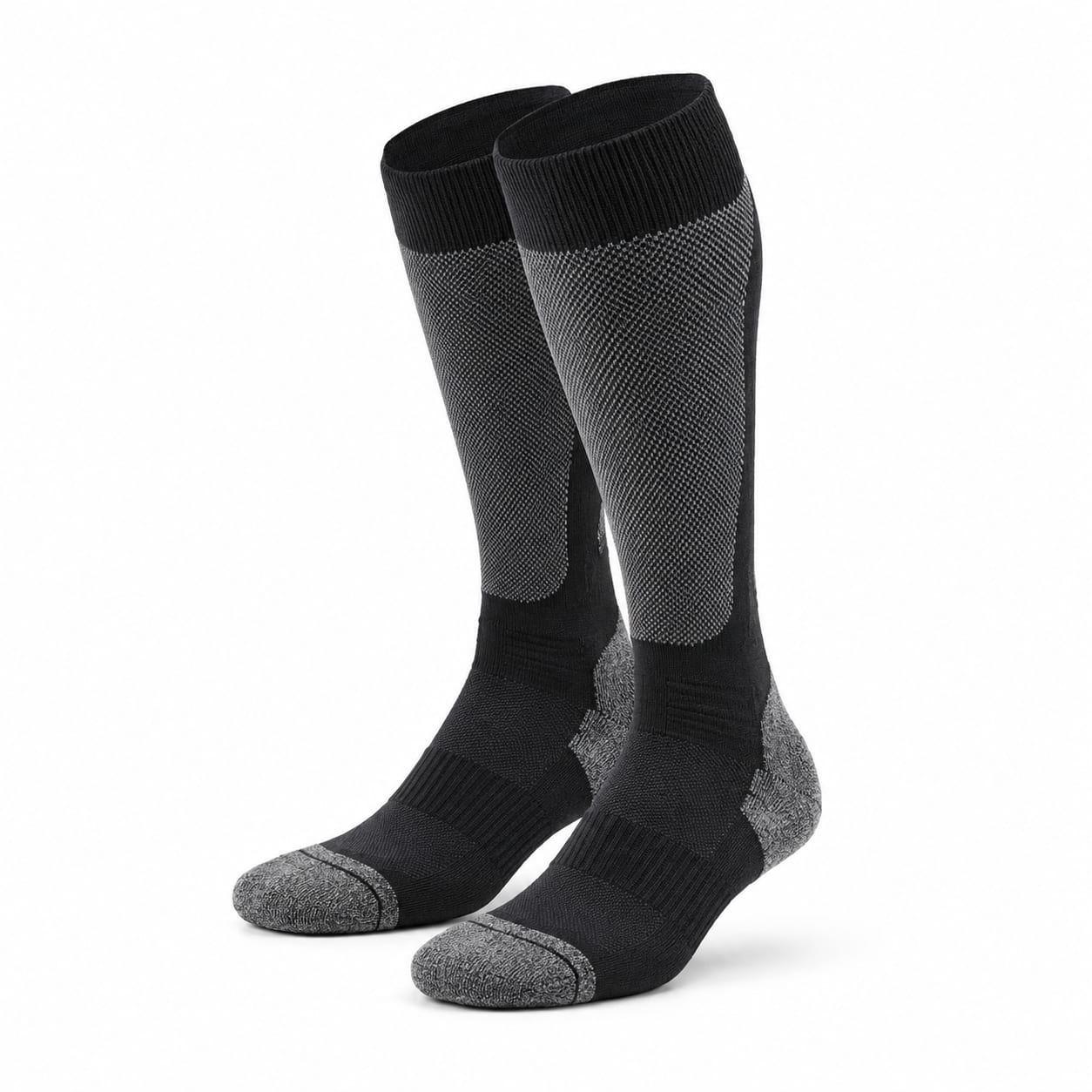
6 topics
Pick a question
Every answer links to the full subcategory guide and related gear types when it helps you decide.
Can I use my alpine ski socks for cross-country skiing?
It's not recommended. Alpine socks are typically thicker, warmer, and have more cushioning than cross-country socks need. In a Nordic boot, this extra bulk restricts foot flexion, causes overheating, and can lead to sweaty, then cold feet. The shin padding in alpine socks is also unnecessary with soft Nordic boots. If you only have one pair, a lightweight alpine sock is better than a thick one, but dedicated cross-country socks will be noticeably more comfortable.
Read answer →02Why are cross-country socks thinner than alpine socks if I'm exercising harder?
Exactly because you're exercising harder. The high aerobic output of cross-country skiing generates significant body heat, so your feet need less insulation and more breathability. Thick socks trap moisture against your skin during intense activity, leading to clammy discomfort and then cold feet when you stop. Thin, breathable socks with good moisture wicking keep feet drier and actually warmer over the course of a long Nordic session.
Read answer →03Do I need different socks for classic vs. skate skiing?
Not necessarily different models, but you may prefer different thickness levels. Skate skiing is typically higher intensity and generates more heat, so an ultralight or lightweight sock is ideal. Classic skiing, especially touring at a moderate pace in cold conditions, may benefit from a midweight sock for a bit more warmth. Many skiers own both weights and choose based on temperature and planned intensity rather than discipline alone.
Read answer →04What height sock do I need for cross-country skiing?
It depends on your boot height. Most Nordic boots have a lower cuff than alpine boots, so mid-calf socks often provide adequate coverage. However, over-the-calf socks are also common and preferred by skiers who want full lower-leg warmth and compression. The key rule is that the sock must extend above the boot cuff — any skin contact with the boot edge will cause chafing. Check where your boot cuff sits on your leg and choose accordingly.
Read answer →05How many pairs of cross-country socks should I own?
At minimum, two pairs so you always have a clean, dry option. If you ski frequently or do multi-day tours, three to four pairs are ideal — this allows time for proper air drying between uses (merino should not be tumble dried). Consider owning both a lightweight pair for high-intensity or mild days and a midweight pair for cold-weather touring. Competitive skiers may want a dedicated race-day pair that stays in top condition.
Read answer →06Will my feet be cold in such thin socks?
Surprisingly, thin cross-country socks often keep feet warmer than thick ones during active Nordic skiing. The reason is moisture management: thick socks trap sweat, and wet skin gets cold quickly, especially during rest stops. Thin merino socks wick moisture away from the skin, keeping feet dry and maintaining warmth. If your feet are cold in thin socks while actively skiing, the issue is more likely boot fit, circulation restriction, or insufficient overall insulation elsewhere — not the sock thickness.
Read answer →