
Surprisingly, thin cross-country socks often keep feet warmer than thick ones during active Nordic skiing. The reason is moisture management: thick socks trap sweat, and wet skin gets cold quickly, especially during rest stops. Thin merino socks wick moisture away from the skin, keeping feet dry and maintaining warmth. If your feet are cold in thin socks while actively skiing, the issue is more likely boot fit, circulation restriction, or insufficient overall insulation elsewhere — not the sock thickness.
Ski Socks · Cross-Country Ski Socks
Will my feet be cold in such thin socks?
Related gear types
If this answer nudged you toward a different style, these guides compare specs and trade-offs.
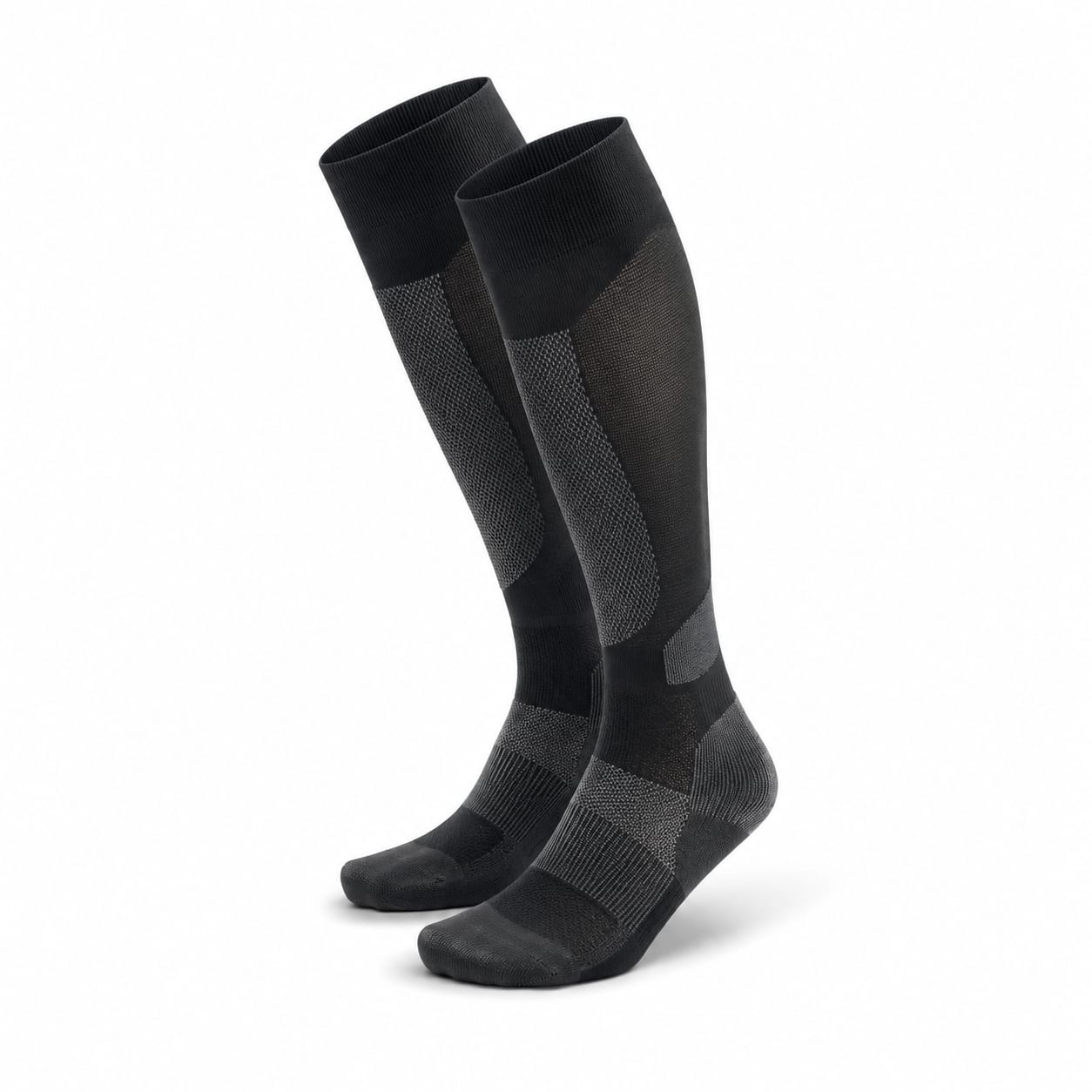
Lightweight Ski Socks
$15 – $38
Minimal-cushion ski socks designed for a responsive, close-to-boot fit with maximum feel and temperature regulation in mild conditions.
ultra-thin constructionminimal or no cushion zonesover-the-calf height
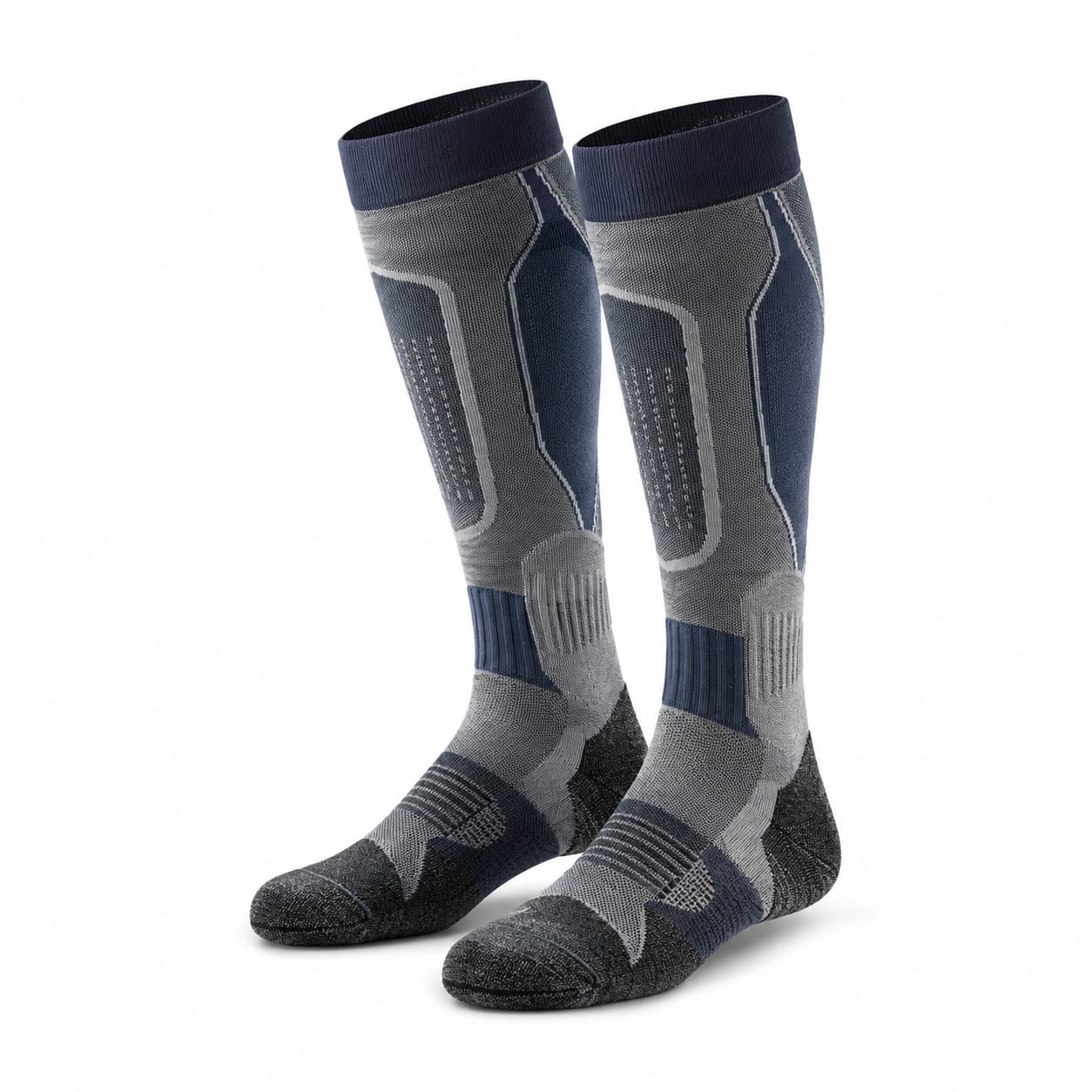
Backcountry / Touring Ski Socks
$20 – $48
Moisture-optimized ski socks designed for the dual demands of uphill skinning and downhill skiing in the backcountry.
enhanced moisture wickingventilation zonesmoderate cushioning
More questions
- Can I use my alpine ski socks for cross-country skiing?
- Why are cross-country socks thinner than alpine socks if I'm exercising harder?
- Do I need different socks for classic vs. skate skiing?
- What height sock do I need for cross-country skiing?