Kitvore.com

Kitvore.com

Specs that matter. Gear that fits.

Ski Socks · Subcategory

Cross-Country Ski Socks

Lightweight, highly breathable socks engineered for the high-output, aerobic demands of cross-country skiing.

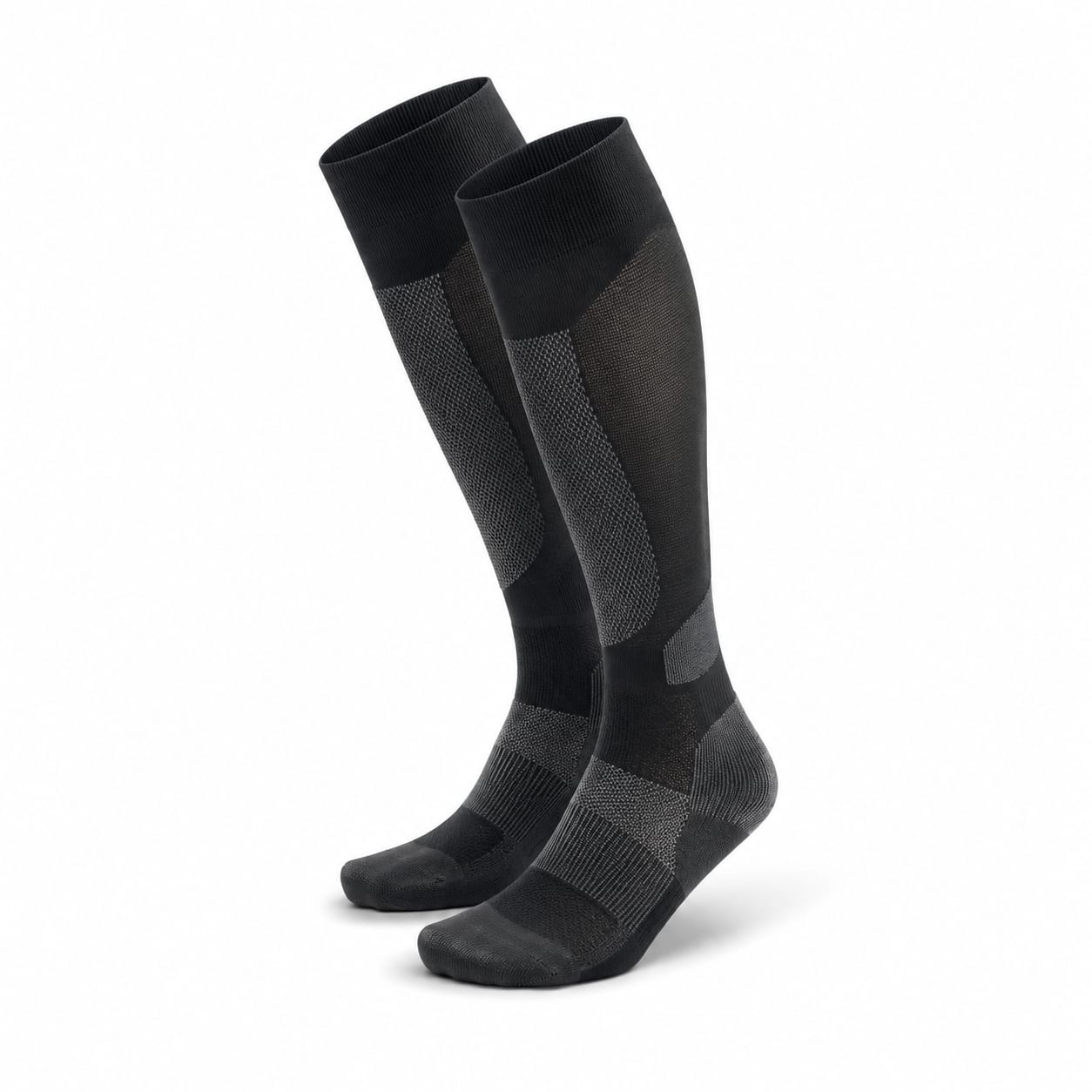
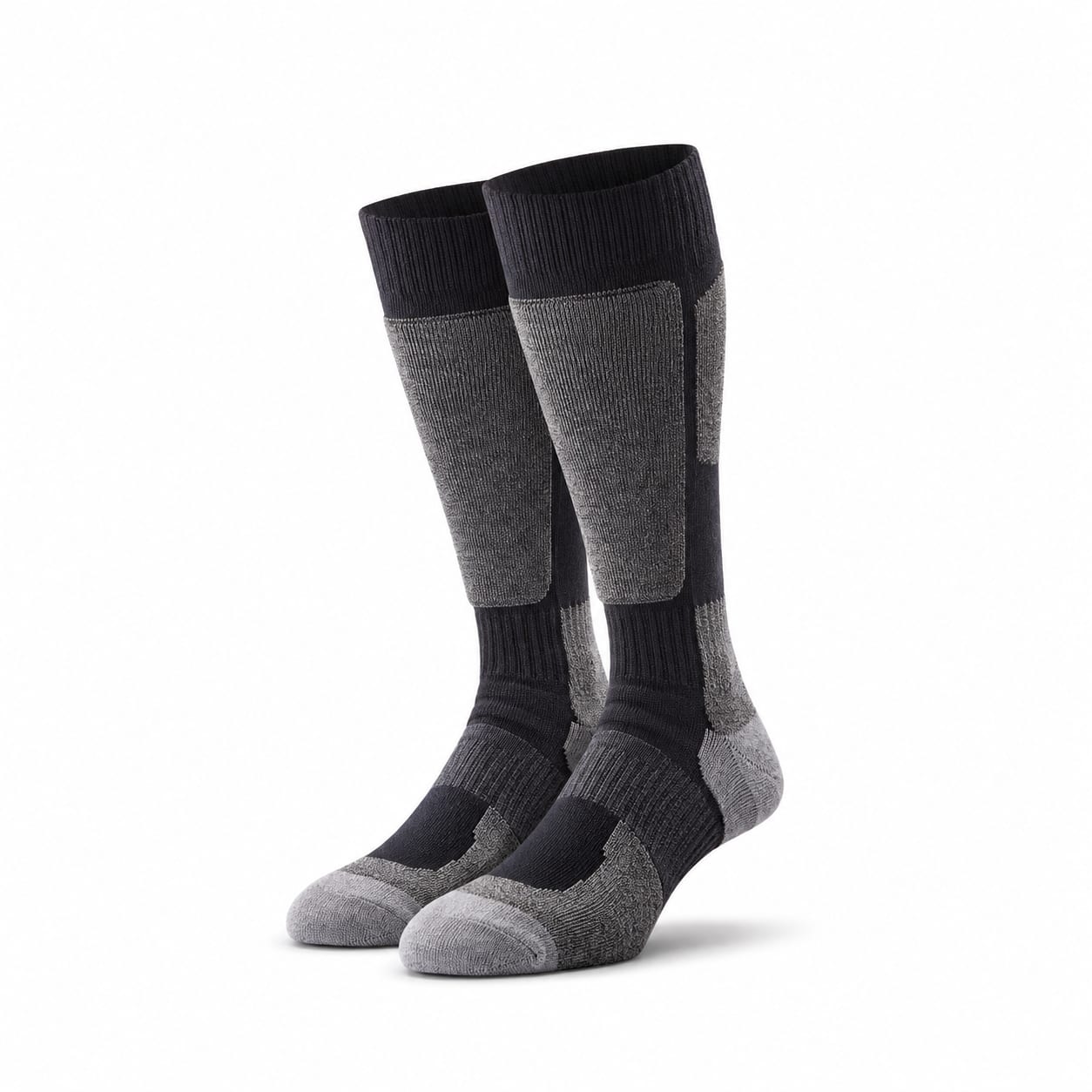
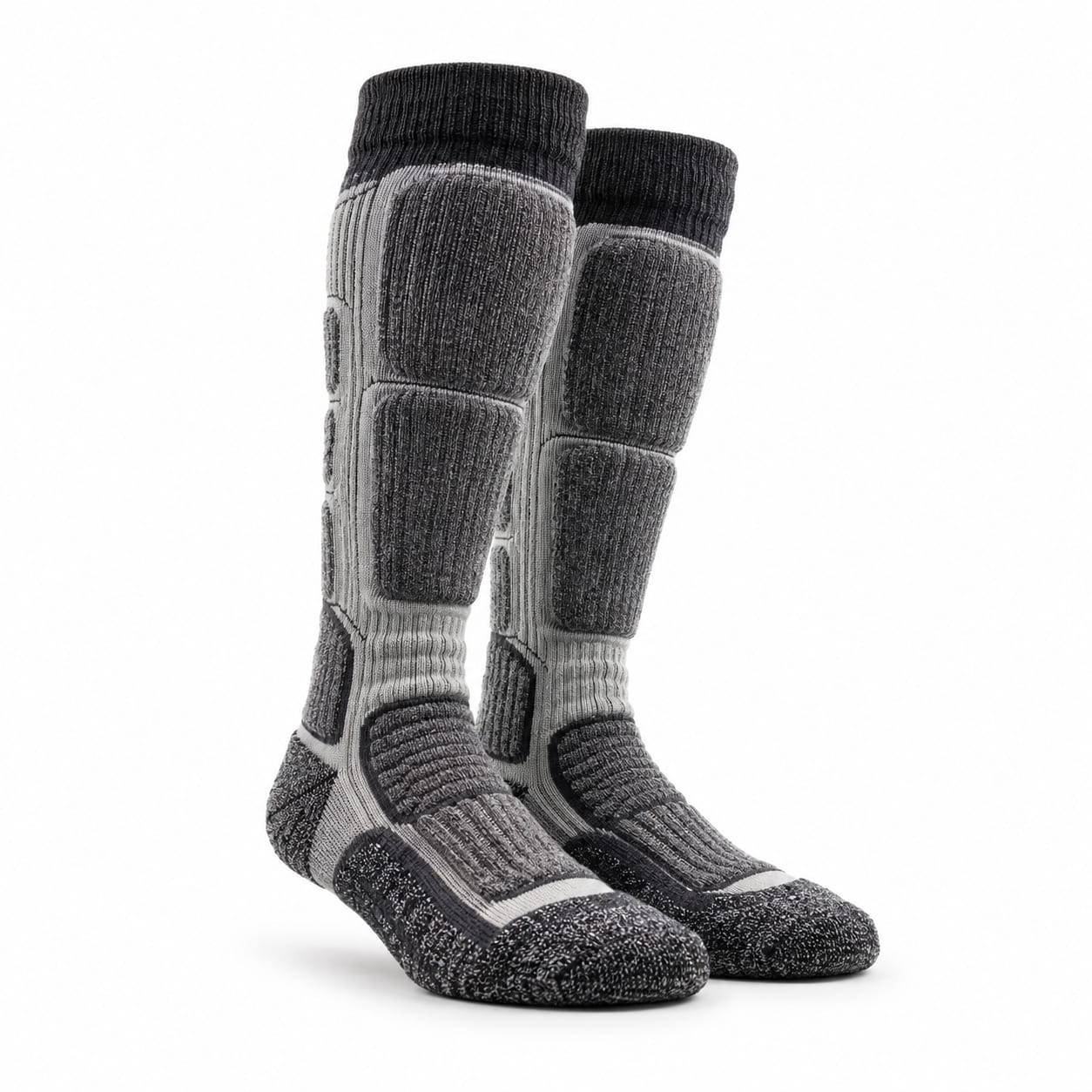
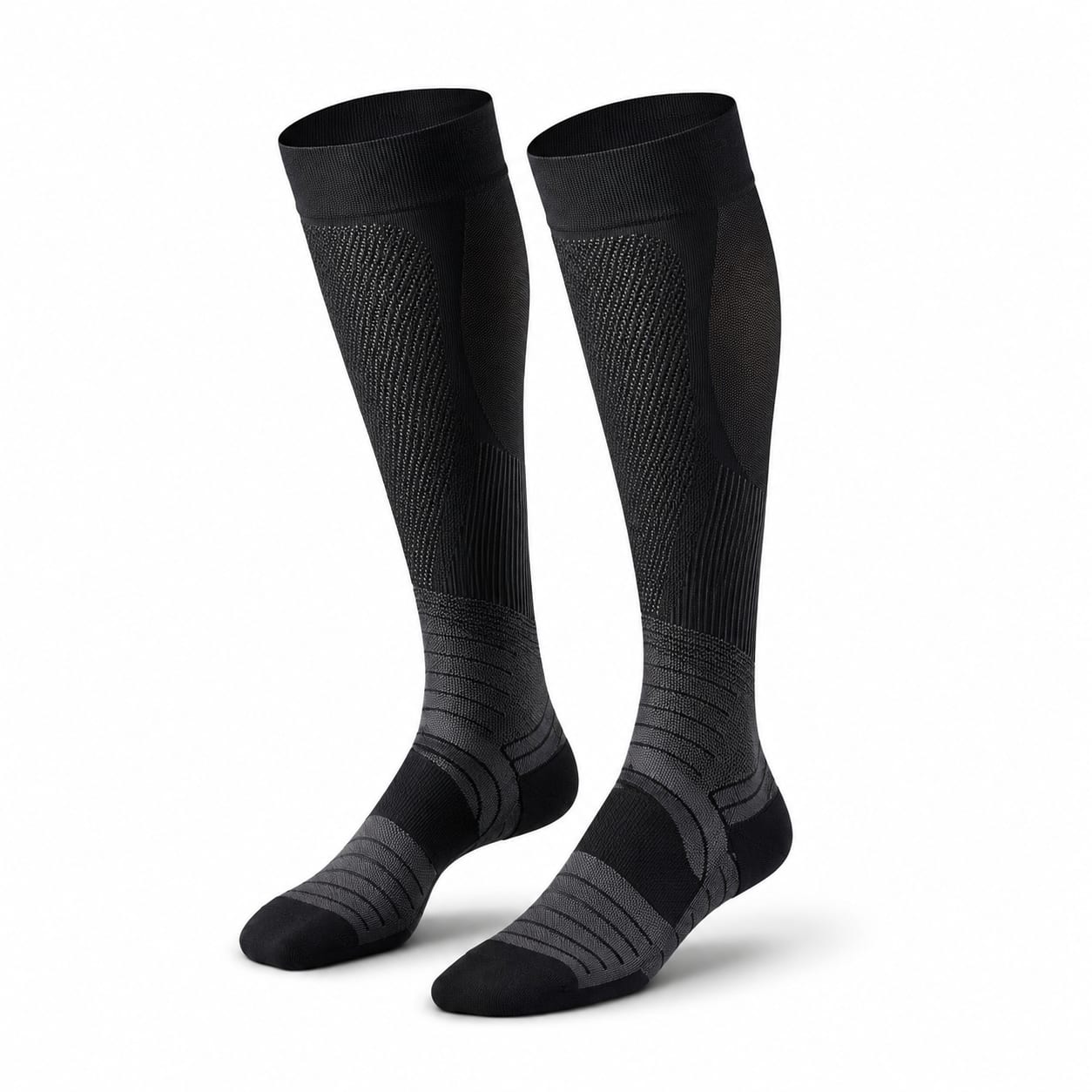
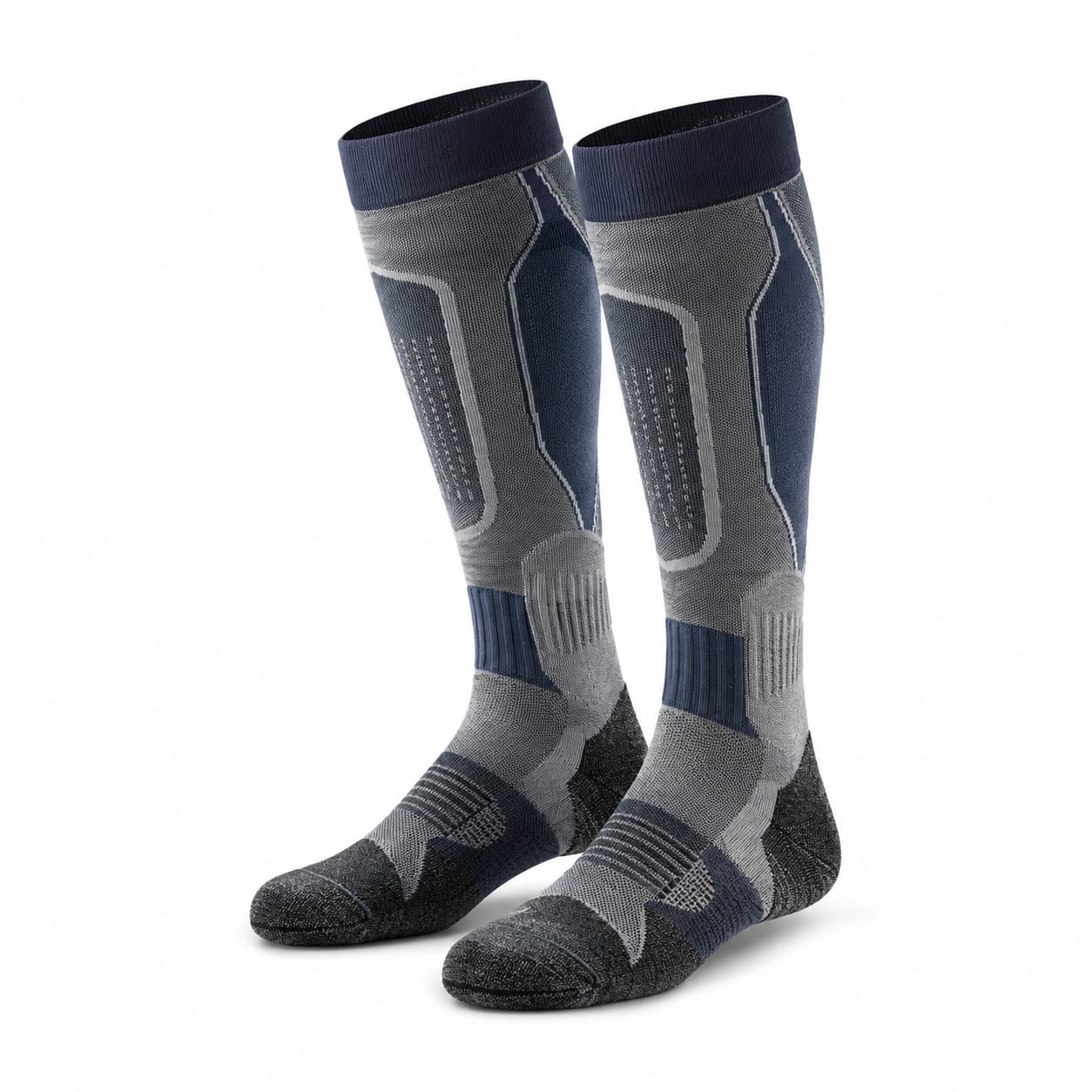
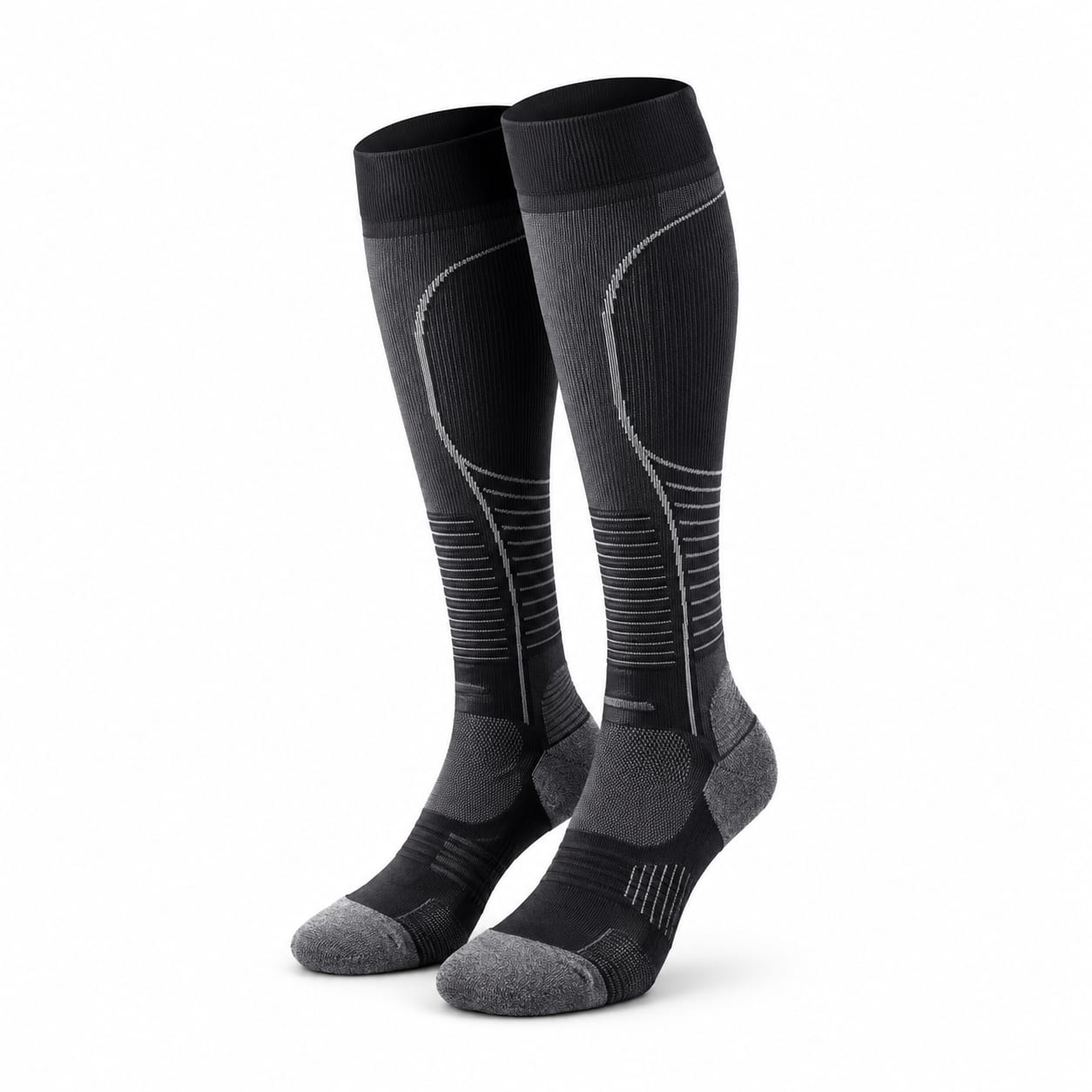
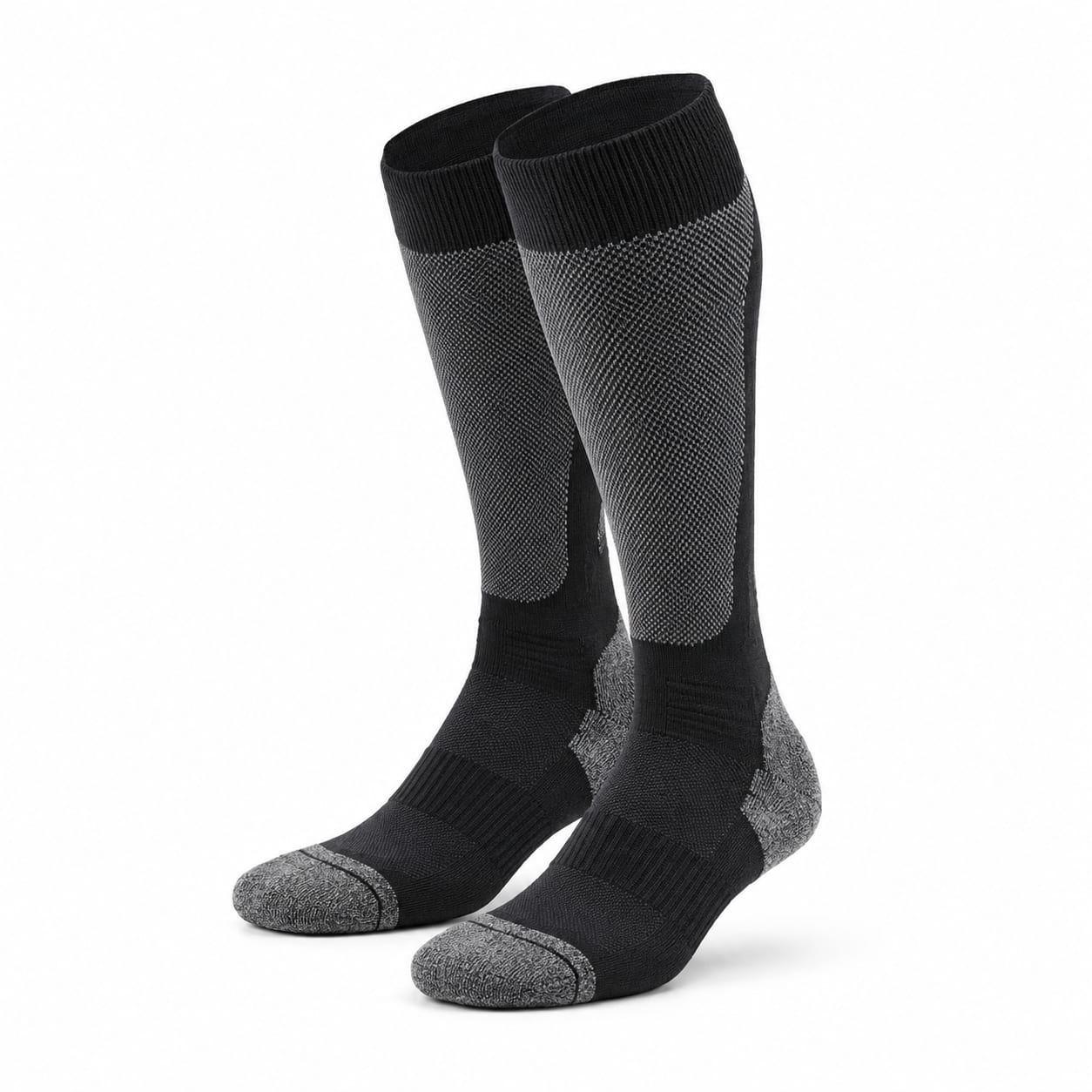
Cross-country ski socks are purpose-built for Nordic skiing's unique combination of intense aerobic output and low-profile, flexible boots. They prioritize moisture management, breathability, and a snug fit over bulk and heavy cushioning, keeping feet dry and comfortable during long tours, races, and training sessions where sweat management is the primary challenge.

$14 – $35mid tierbeginnerintermediateadvanced

Best known for

Exceptional moisture wicking for high-aerobic outputLightweight construction that pairs with low-profile Nordic bootsTargeted ventilation zones for breathability during touringSnug, low-bulk fit that prevents bunching in flexible boots
Cross-Country Ski Socks

Guide

Detailed overview

Cross-country ski socks are a specialized subcategory designed specifically for the demands of Nordic skiing, where the aerobic intensity far exceeds alpine skiing and the boot design is fundamentally different. Unlike alpine ski boots with rigid shells and high cuffs, cross-country boots are soft, flexible, and typically lower-cut, which means the sock must work with a completely different fit profile. The primary challenge in cross-country skiing is moisture management — skiers generate significant heat and sweat during sustained climbing and touring, and if that moisture isn't wicked away efficiently, feet become cold during descents or rest stops. Cross-country socks address this with thinner constructions, extensive ventilation zones, and moisture-wicking fibers like merino wool or merino-synthetic blends. Cushioning is minimal and strategically placed, as the soft boot construction doesn't create the same pressure points as alpine boots, and excess bulk restricts the foot flexion essential to the Nordic stride. The height typically ranges from mid-calf to over-the-calf, matching the lower cuff height of classic and skate boots while still providing enough coverage to prevent any skin contact with the boot edge.

Cross-country skiing is one of the most aerobically demanding winter sports, and your socks need to reflect that reality. Unlike alpine skiing where you're relatively static in a rigid boot, Nordic skiing demands constant foot flexion, toe-off, and weight transfer through a soft, flexible boot. This means your socks must move with your foot without bunching, sliding, or creating friction hot spots over thousands of strides. The best cross-country socks feel almost like a second skin — thin enough to maintain boot feel and foot articulation, but with enough strategic cushioning to prevent blistering during long tours.

Moisture is the number one enemy of the cross-country skier's foot. During a vigorous touring session or skate race, feet can produce significant sweat, and if that moisture stays trapped against the skin, it leads to cooling, blistering, and discomfort when you stop or descend. This is why cross-country socks prioritize breathability and wicking above all else. Merino wool is the dominant fiber choice because it can absorb up to 30% of its weight in moisture before feeling wet, and it retains its insulating properties even when damp. Merino-synthetic blends are equally popular, adding durability and faster dry times while maintaining wool's natural temperature regulation and odor resistance.

The fit of a cross-country sock is notably different from alpine socks. Nordic boots are lower-cut and more anatomically shaped, so the sock doesn't need to protect against a rigid shell or high cuff. However, this also means there's less room for error — any bunching or excess material in a close-fitting Nordic boot will be felt immediately with every stride. Anatomical left/right construction and light arch support become especially valuable for maintaining a smooth, wrinkle-free fit throughout long distances. Shin cushioning, while still present in some models, is far less critical than in alpine socks since the soft boot tongue doesn't create the same pressure.

Cross-country skiers should consider owning socks at different thickness levels to match conditions and intensity. A lightweight sock is ideal for high-intensity skate skiing, interval training, or milder temperatures where heat management is paramount. A midweight sock provides a bit more warmth for classic touring in colder conditions without sacrificing too much breathability. Having both options allows you to dial in comfort across the full range of Nordic skiing conditions, from early season crust cruising to mid-winter sub-zero marathons.

Quick facts

Primary purpose
Provide moisture management and comfort for high-output nordic skiing with flexibility for foot articulation
Popular brands
SmartwoolIcebreakerDarn ToughBridgedaleCraft
Typical terrain
nordic trailsgroomed trackbackcountry nordic

What makes it different

Designed for XC boot compatibility, not alpine boots; Prioritize flexibility over shin protection; Enhanced breathability for aerobic output

Recommended ranges

How this type usually specs out

Each spec is explained in plain language, then we show what buyers usually look for on this type.

Height

Sock Height

What it means

The height of the sock measured from the heel to the top of the cuff. Critical for preventing skin contact with the top of the ski boot shell.

Typical for this type

Mid Calf to Over The Calf

In practice

Cross-country boots have lower cuffs than alpine boots, so mid-calf height often provides sufficient coverage. Over-the-calf is also common and preferred by skiers who want full lower-leg coverage and warmth.

Compared to other types

Cross-country socks are more commonly found in mid-calf heights compared to alpine socks, which almost exclusively use over-the-calf. This reflects the lower boot cut of Nordic footwear.

Why it matters: The sock must extend above the boot cuff to prevent skin contact with the boot edge, but cross-country boots sit lower on the leg than alpine boots, making mid-calf a functional and popular choice.

Cushioning

Cushioning Level

What it means

The overall amount and density of padding built into the sock, affecting warmth, comfort, and boot fit. More cushioning means more warmth but less room in the boot.

Typical for this type

Ultralight to Light

In practice

Light cushioning with thin padding only in key impact zones is the standard for cross-country socks. The soft, flexible boot construction doesn't create the same pressure points as alpine boots, and excess cushioning restricts foot flexion.

Compared to other types

Significantly less cushioning than alpine or freeride socks, which often use medium to heavy cushioning. Cross-country socks prioritize feel and breathability over impact protection.

Why it matters: Cross-country skiing requires precise foot articulation for kick-and-glide or skate technique. Too much cushioning deadens feel and can cause the foot to move inside the boot, reducing technique efficiency.

Material

Primary Fiber Material

What it means

The dominant fiber type used in the sock construction, which determines moisture management, warmth, odor resistance, and durability.

Typical for this type

Merino Synthetic Blend Or Merino Wool

In practice

Merino-synthetic blends dominate cross-country socks because they combine merino's superior moisture management and temperature regulation with synthetic durability and shape retention during high-mileage use.

Compared to other types

Similar to alpine socks in merino preference, but the synthetic component is often slightly higher in cross-country socks to improve durability against the higher mileage and more frequent flexing.

Why it matters: The high aerobic output of cross-country skiing produces significant foot moisture. Merino wool manages this moisture better than any other fiber, keeping feet dry and comfortable across varying exertion levels.

Merino %

Merino Wool Content

What it means

The percentage of merino wool in the sock's fiber composition. Higher percentages provide more natural performance benefits but may reduce durability.

Typical for this type

35% to 65%

Most common pick: 45%

In practice

Cross-country socks typically contain 35-65% merino wool, with the remainder being nylon for durability and elastane for stretch. The slightly lower merino percentage compared to some alpine socks reflects the need for enhanced durability in high-flex applications.

Compared to other types

Slightly lower merino percentages than premium alpine socks, which may range up to 70%+. Cross-country socks sacrifice some merino content for durability in a higher-wear, higher-flex application.

Why it matters: Enough merino content ensures effective moisture wicking and odor resistance, while the synthetic component maintains sock shape and durability through thousands of flex cycles per session.

Compression

Compression Level

What it means

The degree of graduated compression built into the sock, measured in mmHg. Compression improves blood flow, reduces fatigue, and enhances proprioception.

Typical for this type

Light to Moderate

In practice

Light compression (8-15 mmHg) is common in cross-country socks, providing gentle support and improved circulation for endurance activity. Moderate compression is gaining popularity among competitive Nordic skiers.

Compared to other types

Compression is arguably more beneficial in cross-country than alpine skiing due to the sustained aerobic nature of the activity. Some performance cross-country socks feature more compression than typical alpine socks.

Why it matters: Cross-country skiing is an endurance sport where improved blood flow and reduced muscle vibration can meaningfully impact performance and fatigue over long distances. Compression also helps keep the sock in place during constant foot movement.

Thickness

Thickness Category

What it means

The overall thickness of the sock construction, which directly affects boot fit, warmth, and feel. Related to but distinct from cushioning level.

Typical for this type

Ultralight to Midweight

Most common pick: Lightweight

In practice

Lightweight is the standard thickness for cross-country socks, providing a thin, close fit that maintains boot feel and foot articulation. Ultralight is preferred for racing, while midweight suits cold-weather touring.

Compared to other types

Noticeably thinner than alpine socks on average. While alpine socks commonly range from lightweight to midweight, cross-country socks skew lighter, with ultralight being far more common in this subcategory.

Why it matters: Cross-country boots are designed for a close fit with minimal sock bulk. A thinner sock allows better foot flexion and technique feel while reducing moisture retention from excess material.

Left/Right Specific

Anatomical Fit Construction

What it means

Whether the sock is constructed with specific left and right foot shaping for improved fit and reduced bunching inside the boot.

Typical for this type

Anatomical Lr Preferred

In practice

Left/right anatomical construction is common and recommended in cross-country socks. The constant foot flexion and thousands of strides make any bunching or wrinkling a source of potential blisters.

Compared to other types

Anatomical fit is more prevalent in cross-country socks than in general alpine socks, reflecting the higher importance of a wrinkle-free fit during repetitive stride mechanics.

Why it matters: In a close-fitting Nordic boot, even minor bunching is felt with every stride. Anatomical construction eliminates excess material and provides a smoother, more consistent fit over long distances.

Shin Padding

Shin Cushioning

What it means

Dedicated cushioning zone on the front of the sock that protects the shin from ski boot pressure and impact. One of the most important zone-specific features.

Typical for this type

None to Light

In practice

Most cross-country socks have no dedicated shin cushioning or only light shin padding. The soft, flexible tongue of Nordic boots doesn't create the shin pressure common with alpine boots.

Compared to other types

Much less shin cushioning than alpine socks, where medium to heavy shin padding is standard. This is one of the most distinguishing dimensional differences between cross-country and alpine socks.

Why it matters: Adding unnecessary shin cushioning adds bulk and reduces breathability in an area that doesn't need protection in Nordic boots. Keeping this zone thin improves ventilation and comfort during high-output skiing.

Toe Seam Type

Toe Construction

What it means

How the toe area of the sock is constructed and seamed. Affects comfort and blister risk in the tight toe box of a ski boot.

Typical for this type

Seamless Or Hand Linked

In practice

Seamless toe construction is strongly preferred for cross-country socks. The repetitive toe-off motion in both classic and skate technique makes any toe seam a potential blister source over long distances.

Compared to other types

Equally important as in alpine socks, but the risk is arguably higher in cross-country due to the repetitive nature of the stride and the longer duration of continuous foot movement.

Why it matters: Cross-country skiing involves thousands of toe-off movements per session. A raised or rough toe seam can cause significant discomfort and blistering that worsens with each stride, potentially cutting a tour short.

Arch Support

Arch Support

What it means

Built-in compression or elastic support in the arch/instep area of the sock. Provides a more secure fit and can reduce foot fatigue.

Typical for this type

Light to Moderate

In practice

Light to moderate arch support helps keep the sock in place during the constant foot movement of Nordic skiing and provides subtle support during the push-off phase of each stride.

Compared to other types

Similar to alpine socks, though the constant foot movement in cross-country makes sock slippage a more acute concern, slightly elevating the importance of arch support for this subcategory.

Why it matters: The repetitive flexion and extension of the foot in cross-country skiing can cause socks to shift over time. Arch support keeps the sock locked in position, preventing bunching and maintaining cushioning alignment.

Ventilation

Ventilation Zones

What it means

Mesh or thinner-knit zones designed to increase breathability and moisture escape in high-heat areas like the top of the foot and between toes.

Typical for this type

Targeted to Extensive

In practice

Extensive ventilation zones are common and highly recommended for cross-country socks. The high aerobic output generates significant foot heat and moisture that must be managed actively through breathable mesh panels.

Compared to other types

Cross-country socks feature more extensive ventilation than alpine socks, which typically use only targeted ventilation. This reflects the much higher aerobic intensity and moisture production of Nordic skiing.

Why it matters: Cross-country skiing produces more foot perspiration than almost any other winter sport. Without effective ventilation, moisture accumulates, leading to cold feet during rest stops and increased blister risk during active skiing.

Odor Control

Antimicrobial Treatment

What it means

Whether the sock has an applied antimicrobial treatment (e.g., silver ions, Polygiene) to reduce odor-causing bacteria. Merino wool has natural antimicrobial properties.

Typical for this type

Either (Not Critical)

Most common pick: False

In practice

Most cross-country socks rely on merino wool's natural odor resistance rather than applied antimicrobial treatments. The high sweat production means socks should be washed after each use regardless of treatment.

Compared to other types

Less emphasis on antimicrobial treatment compared to alpine socks, possibly because cross-country skiers are more likely to wash socks between uses due to the higher sweat volume.

Why it matters: While odor control is always welcome, the heavy perspiration in cross-country skiing means socks need regular washing anyway. Merino's natural antimicrobial properties provide adequate odor resistance for typical use patterns.

Gender Fit

Gender-Specific Fit

What it means

Whether the sock is designed with gender-specific proportions. Women's-specific socks account for typically narrower heels, higher arches, and different calf proportions.

Typical for this type

Gender-Specific Fit Recommended

Most common pick: Womens

In practice

Cross-country socks are widely available in gender-specific fits. Women's-specific models account for narrower heels and different calf proportions, which is especially important in the close-fitting design of Nordic boots.

Compared to other types

Gender-specific fit is equally important as in alpine socks, and the close-fitting nature of Nordic boots may make it even more critical for comfort and performance.

Why it matters: Nordic boots are more form-fitting than alpine boots, making proper sock proportions even more critical. A women's-specific sock with a narrower heel prevents slippage and blistering during the repetitive stride motion.

Reinforced Areas

Reinforced Zones

What it means

Specific areas of the sock with extra-durable construction to resist wear from ski boot friction and extend sock life.

Typical for this type

Heel And Toe At Minimum

Most common pick: Heel, Toe

In practice

Heel and toe reinforcement are standard in quality cross-country socks. The heel experiences significant friction during the kick phase of classic technique, while the toe area flexes repeatedly during stride push-off.

Compared to other types

Similar reinforcement zones to alpine socks, but the wear pattern differs. Cross-country socks may wear through the toe flex zone faster due to the thousands of stride cycles per session.

Why it matters: Cross-country skiing puts unique wear patterns on socks — the constant flexing at the toe and the heel lock during kick-and-glide create more concentrated wear than typical alpine skiing. Reinforcement extends sock life significantly.

Warmth Level

Warmth Rating

What it means

The overall warmth category of the sock, determined by thickness, material, and construction. Indicates the temperature range the sock is designed for.

Typical for this type

Lightweight Warmth to All Season

In practice

Lightweight warmth is the default for cross-country socks because the high aerobic output generates substantial body heat. All-season warmth is used for cold-weather touring, but heavyweight warmth is rarely needed.

Compared to other types

Cross-country socks skew significantly lighter in warmth rating than alpine socks. While alpine skiers often use all-season to heavyweight warmth, cross-country skiers rarely need more than all-season, and lightweight warmth is the most common choice.

Why it matters: Over-insulating the feet in cross-country skiing leads to excessive sweating, which then leads to cold feet when moisture can't escape. The warmth rating must match the activity level — high output requires less insulation.

Size

Size Range

What it means

The sock size, which must correspond to the skier's shoe size for proper fit. Ill-fitting socks cause bunching, wrinkles, and discomfort in ski boots.

Typical for this type

Match Shoe Size Exactly Per Brand Chart

Most common pick: 5-14 US

In practice

Cross-country socks must fit precisely — even more so than alpine socks — because the close-fitting Nordic boot leaves no room for bunching from oversized socks or circulation restriction from undersized ones.

Compared to other types

Sizing precision is arguably more critical in cross-country than alpine socks due to the closer boot fit and the repetitive stride mechanics that amplify any fit issues over distance.

Why it matters: An improperly sized sock in a Nordic boot creates immediate problems: too large and it bunches under the foot with every stride; too small and it pulls tight across the toes, restricting circulation and causing cold feet.

Evaluation

Strengths and trade-offs

Pros

What this type does best

Superior Moisture Management

Critical

Cross-country socks are engineered with the highest breathability and wicking performance of any ski sock subcategory, keeping feet dry during intense aerobic output that would soak through alpine socks.

Optimized for Nordic Boot Fit

Critical

The low-profile, thin construction pairs perfectly with the close-fitting, flexible design of cross-country boots, maintaining foot articulation and technique feel without excess bulk.

Lightweight and Fast-Drying

High

Thinner construction and moisture-wicking fibers mean these socks dry quickly between sessions, making them practical for multi-day tours and training camps where laundry access is limited.

Enhanced Breathability

High

Extensive ventilation zones allow hot air and moisture to escape during high-output skiing, preventing the clammy, overheated feeling that thicker socks create during sustained climbing.

Reduced Fatigue Over Distance

Medium

Light to moderate compression and anatomical construction support the foot and lower leg during the repetitive motions of Nordic skiing, reducing fatigue over long tours and races.

Blister Prevention

High

Seamless toe construction, anatomical fit, and thin, smooth materials minimize friction points that cause blisters during the thousands of stride cycles in a typical Nordic session.

Cons

Trade-offs to be aware of

Not Warm Enough for Alpine Use

Moderate

The lightweight construction and extensive ventilation that make these socks great for Nordic skiing mean they provide insufficient insulation for sitting on cold chairlifts or standing around in alpine boots.

Insufficient Cushioning for Alpine Boots

Significant

The minimal cushioning designed for soft Nordic boots offers no protection against the rigid shell pressure and shin bang common in alpine ski boots.

Too Short for Some Alpine Boots

Moderate

Mid-calf height options may not extend above the cuff of tall alpine boots, causing skin contact and chafing at the boot top.

Less Durable Than Thicker Socks

Minor

The thin, lightweight construction wears faster than heavier socks, especially at high-flex points. Expect shorter lifespan with heavy use compared to midweight or heavyweight alpine socks.

Limited Cold-Weather Versatility

Moderate

These socks are designed for active heat generation. If you stop moving or ski in extreme cold, the minimal insulation may not be enough to keep feet warm without supplemental layers.

Best for

Terrain

Nordic ski trailsGroomed cross-country tracksBackcountry touring routesSkate skiing courses

Snow conditions

Cold to mild winter conditionsHigh-output aerobic skiingVariable touring conditionsSpring Nordic skiing

Skill level

BeginnerIntermediateAdvancedExpert/Racer

Riding style

Classic cross-countrySkate skiingNordic touringBackcountry Nordic

Rider profile

Nordic skiers who generate significant heat during activityRacers and fitness-oriented cross-country skiersLong-distance tourers who need all-day moisture managementSkiers who experience hot, sweaty feet in thicker socks

Not ideal for

Reasons

Insufficient cushioning and shin protection for rigid alpine bootsToo thin and ventilated for the low-activity, cold-exposure nature of lift-served skiingMay not extend high enough for alpine boot cuffsLacks the bulk needed to take up volume in loose-fitting alpine or rental boots

Terrain

Alpine ski resortsSteep downhill terrain requiring rigid bootsTerrain parks

Riding style

Alpine skiingFreeride skiingSki mountaineering with alpine boots

Compare

How it stacks up

This page

Cross-Country Ski Socks

Far superior breathability and moisture management for high-output activity. Thinner, more flexible construction allows better foot articulation for Nordic technique. Dries faster between sessions.

Alternative

Alpine Ski Socks

Better cushioning and shin protection for rigid alpine boots. Warmer for low-activity, cold-exposure situations. More versatile for general winter use beyond Nordic skiing.

Bottom line

Choose cross-country socks for Nordic skiing and alpine socks for lift-served skiing. Using the wrong type in either direction leads to discomfort — alpine socks overheat in Nordic boots, and cross-country socks lack protection in alpine boots.

This page

Cross-Country Ski Socks

Lighter and more breathable for sustained aerobic output. Less bulk for the close fit of Nordic touring boots. Better moisture management for the higher sweat rates of Nordic skiing.

Alternative

Backcountry Ski Socks

More versatile for mixed uphill/downhill use with AT boots. Better warmth for static situations like transitions and descents. More cushioning for the hybrid nature of backcountry skiing.

Bottom line

Choose cross-country socks for dedicated Nordic skiing with Nordic boots. Choose backcountry socks if you're using AT boots and doing ski touring with downhill descents, as the boot compatibility and cushioning needs differ significantly.

This page

Cross-Country Ski Socks

More versatile for training and touring, not just race day. Better moisture management for longer sessions. Available in a wider range of warmth levels for varying conditions.

Alternative

Ski Racing Socks

Ultralight, close-fitting construction for maximum boot feel and responsiveness in alpine race boots. FIS-legal thickness compliance. Maximum compression for race-day performance.

Bottom line

Choose cross-country socks for all Nordic skiing. Choose alpine racing socks only if you're competing in alpine races with race-fit boots — they're too thin and specialized for general use.

This page

Cross-Country Ski Socks

Better height coverage for Nordic boots that extend above the ankle. More targeted cushioning for boot-specific pressure points. Compression designed for skiing motions rather than running stride.

Alternative

Winter Running Socks

Even lighter and more breathable for pure running. Lower profile for running shoes. Often less expensive. May work for the shortest Nordic boot styles.

Bottom line

Cross-country socks are the better choice for Nordic skiing due to proper height, boot-specific cushioning, and ski-optimized compression. Winter running socks can work in a pinch for short sessions with low-cut Nordic boots, but lack the coverage and features for dedicated use.

Shopping

Buying tips

  • 1

    Prioritize merino wool or merino-synthetic blends — the moisture management is essential for the high sweat rates of cross-country skiing. Avoid cotton entirely.

  • 2

    Choose lightweight thickness as your default — you can always go to midweight for cold days, but starting too thick leads to overheating and sweaty feet.

  • 3

    Look for extensive ventilation zones, especially on the top of the foot and between toes. This is where heat accumulates most during high-output Nordic skiing.

  • 4

    If you ski both classic and skate, consider owning two pairs: a lighter sock for high-intensity skate sessions and a slightly warmer midweight sock for classic touring in colder conditions.

  • 5

    Don't overpay for shin cushioning — Nordic boots have soft tongues that don't create the shin pressure common in alpine boots. Focus your budget on moisture management and fit features instead.

  • 6

    Ensure the sock height matches your boot height. Mid-calf works for most Nordic boots, but if your boots have a higher cuff, choose over-the-calf to prevent skin contact.

  • 7

    Size precisely — in a close-fitting Nordic boot, even a slightly oversized sock will bunch under the foot and cause discomfort with every stride. When between sizes, size down.

  • 8

    Consider anatomical left/right construction if you're doing longer tours or races. The elimination of bunching becomes more valuable as distance increases.

Care

Maintenance notes

  • Wash after every use — cross-country socks absorb significant sweat and should not be re-worn without washing, even with merino's odor resistance.
  • Wash inside-out on a gentle, cool cycle (30°C/86°F max) to preserve the merino fibers and ventilation zone construction.
  • Never use fabric softener — it coats merino fibers and destroys their moisture-wicking capability, which is the primary performance feature of these socks.
  • Air dry flat or hang dry. Avoid tumble drying, which shrinks merino wool and breaks down elastic fibers faster.
  • Inspect toe and heel reinforcement zones regularly — these are the first areas to wear through due to the repetitive flex cycles of Nordic skiing.
  • Store clean and dry. Merino wool can be attacked by moths if stored with organic residue, so ensure socks are clean before seasonal storage.
  • Replace socks when they lose elasticity or develop thin spots at the toe flex zone. Stretched-out socks no longer provide the close fit that Nordic boots require.

Progression

Skill development path

Beginner cross-country skiers should start with a lightweight merino-synthetic blend sock with light cushioning and targeted ventilation — this provides the best balance of comfort and moisture management while learning technique. As you progress to longer tours and higher-intensity skating, you may prefer ultralight socks with extensive ventilation and anatomical construction for maximum performance. Advanced and competitive Nordic skiers often own multiple pairs at different thickness levels, selecting based on temperature, intensity, and discipline (classic vs. skate). The key progression is moving from thinking about socks as just something to wear, to understanding them as a critical component of your moisture management system that directly impacts comfort and performance over distance.

FAQ

Common questions

Each question has a dedicated page with a full answer and links to the buying guide.

Can I use my alpine ski socks for cross-country skiing?

It's not recommended. Alpine socks are typically thicker, warmer, and have more cushioning than cross-country socks need. In a Nordic boot, this extra bulk restricts foot flexion, causes overheating, and can lead to sweaty, then cold feet. The shin padding in alpine socks is also unnecessary with soft Nordic boots. If you only have one pair, a lightweight alpine sock is better than a thick one, but dedicated cross-country socks will be noticeably more comfortable.

Why are cross-country socks thinner than alpine socks if I'm exercising harder?

Exactly because you're exercising harder. The high aerobic output of cross-country skiing generates significant body heat, so your feet need less insulation and more breathability. Thick socks trap moisture against your skin during intense activity, leading to clammy discomfort and then cold feet when you stop. Thin, breathable socks with good moisture wicking keep feet drier and actually warmer over the course of a long Nordic session.

Do I need different socks for classic vs. skate skiing?

Not necessarily different models, but you may prefer different thickness levels. Skate skiing is typically higher intensity and generates more heat, so an ultralight or lightweight sock is ideal. Classic skiing, especially touring at a moderate pace in cold conditions, may benefit from a midweight sock for a bit more warmth. Many skiers own both weights and choose based on temperature and planned intensity rather than discipline alone.

What height sock do I need for cross-country skiing?

It depends on your boot height. Most Nordic boots have a lower cuff than alpine boots, so mid-calf socks often provide adequate coverage. However, over-the-calf socks are also common and preferred by skiers who want full lower-leg warmth and compression. The key rule is that the sock must extend above the boot cuff — any skin contact with the boot edge will cause chafing. Check where your boot cuff sits on your leg and choose accordingly.