
Ski Socks · FAQ
Questions about Lightweight Ski Socks
Straight answers on fit, specs, and when this type makes sense — each topic has its own page with links back to the buying guide.
Open Lightweight Ski Socks guide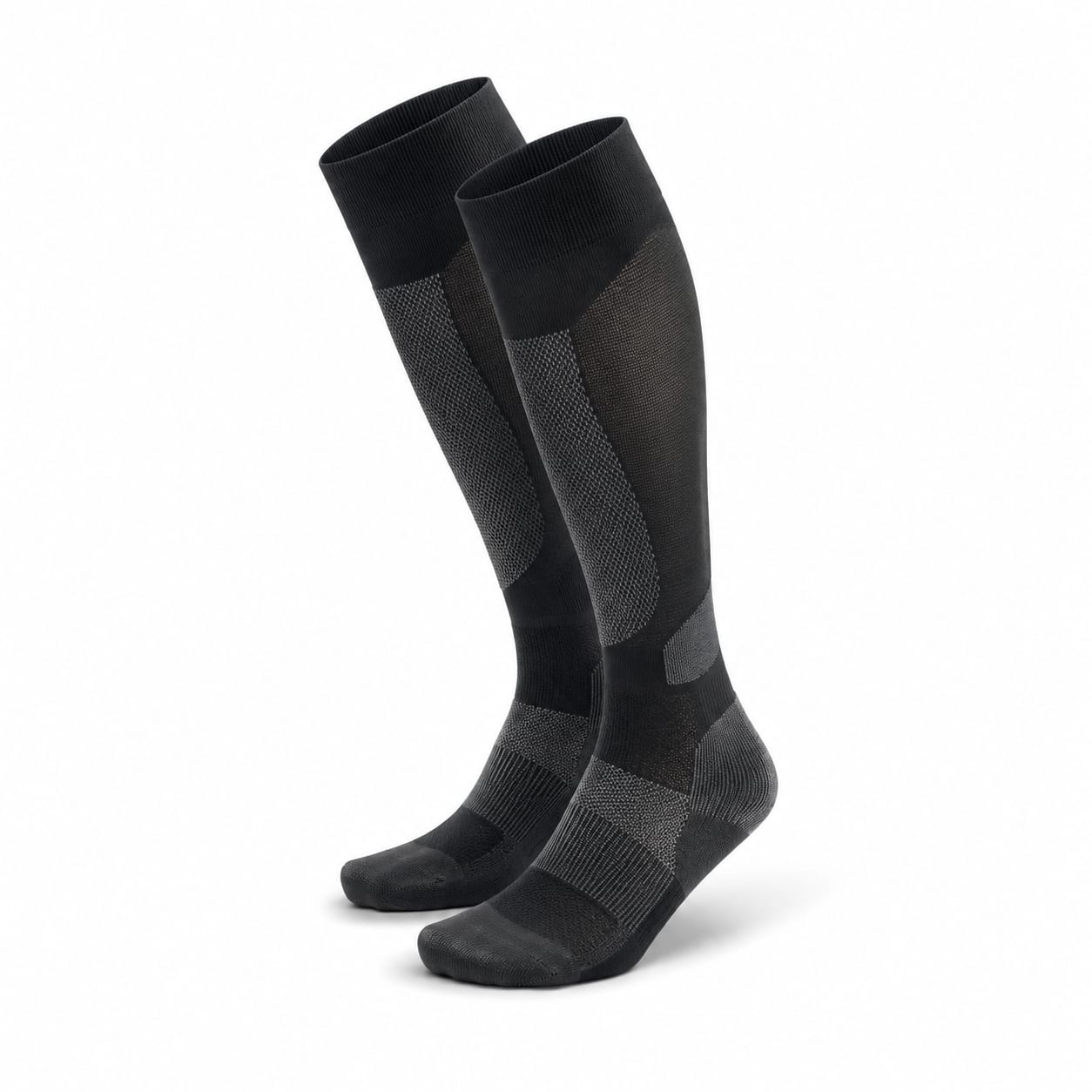
6 topics
Pick a question
Every answer links to the full subcategory guide and related gear types when it helps you decide.
Are lightweight ski socks warm enough for winter skiing?
Yes, for most winter resort conditions (15-32°F / -9 to 0°C), lightweight merino wool socks keep feet warm by managing moisture effectively and avoiding the circulation restriction that thick socks cause in snug boots. Dry feet are warm feet. If your boots fit properly, lightweight socks are often warmer than thick ones. For temperatures consistently below 10°F (-12°C) or if you have genuine cold sensitivity unrelated to circulation, consider midweight socks.
Read answer →02Why do my feet get colder in thick socks than thin ones?
Thick socks in properly fitted ski boots compress your foot, restricting blood flow to your toes. Reduced circulation means colder feet, regardless of how much insulation the sock provides. Additionally, thick socks retain more sweat, and damp skin loses heat dramatically faster than dry skin. Lightweight socks avoid both problems by allowing natural circulation and wicking moisture efficiently. This is the most common revelation for skiers who switch to lightweight socks.
Read answer →03Can I wear lightweight ski socks with rental boots?
It depends on the rental boot fit. If the rental boot fits snugly, lightweight socks work well. However, rental boots often fit loosely, and in that case, midweight or even heavyweight socks may be more comfortable because they fill excess volume and prevent heel lift. If you're renting, try lightweight first but bring a midweight backup pair in case the boots are roomy.
Read answer →04Should I wear liner socks under lightweight ski socks for extra warmth?
Generally no. Layering socks creates wrinkles, restricts circulation, and reduces the precise boot feel that lightweight socks are designed to provide. If you need more warmth, switch to a midweight sock rather than layering. The one exception is silk or ultralight merino liner socks under lightweight socks in extremely cold conditions, but this should only be done if your boots have enough volume to accommodate both layers without compression.
Read answer →05How long do lightweight ski socks last compared to thicker ones?
Lightweight socks typically last 1-2 seasons of regular use (30-50 ski days), which is somewhat shorter than midweight (2-3 seasons) or heavyweight (2-4 seasons) socks. The thinner material wears through faster, especially at the heel and toe. Look for reinforced zones to extend lifespan. Replace lightweight socks when cushioning packs out, elastic loses recovery, or you see thinning at high-wear areas.
Read answer →06What merino wool percentage should I look for in lightweight ski socks?
Aim for 40-65% merino wool content. Below 40%, you lose too much of merino's moisture management and odor resistance. Above 65%, the sock may lack the durability and stretch needed at lightweight thicknesses. The remaining content should be nylon (for durability and abrasion resistance) and elastane/spandex (for stretch and shape retention). A blend of approximately 50% merino / 45% nylon / 5% elastane is the sweet spot for most lightweight ski socks.
Read answer →