
Thick socks in properly fitted ski boots compress your foot, restricting blood flow to your toes. Reduced circulation means colder feet, regardless of how much insulation the sock provides. Additionally, thick socks retain more sweat, and damp skin loses heat dramatically faster than dry skin. Lightweight socks avoid both problems by allowing natural circulation and wicking moisture efficiently. This is the most common revelation for skiers who switch to lightweight socks.
Ski Socks · Lightweight Ski Socks
Why do my feet get colder in thick socks than thin ones?
Related gear types
If this answer nudged you toward a different style, these guides compare specs and trade-offs.
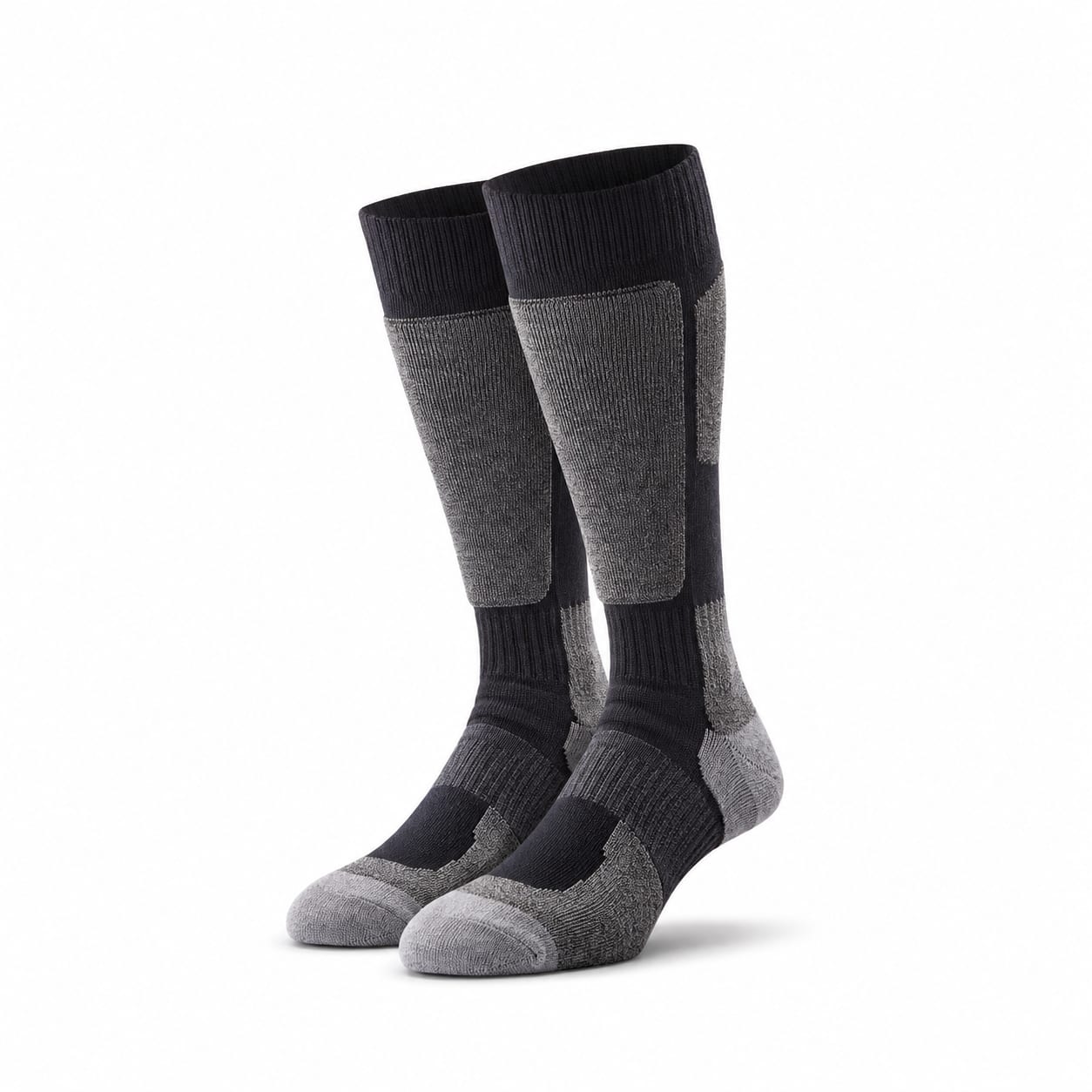
Medium Cushion Ski Socks
$16 – $42
Versatile all-around ski socks with balanced cushioning in key impact zones for comfort and warmth on most days and terrain.
strategic cushion zonesshin paddingover-the-calf height
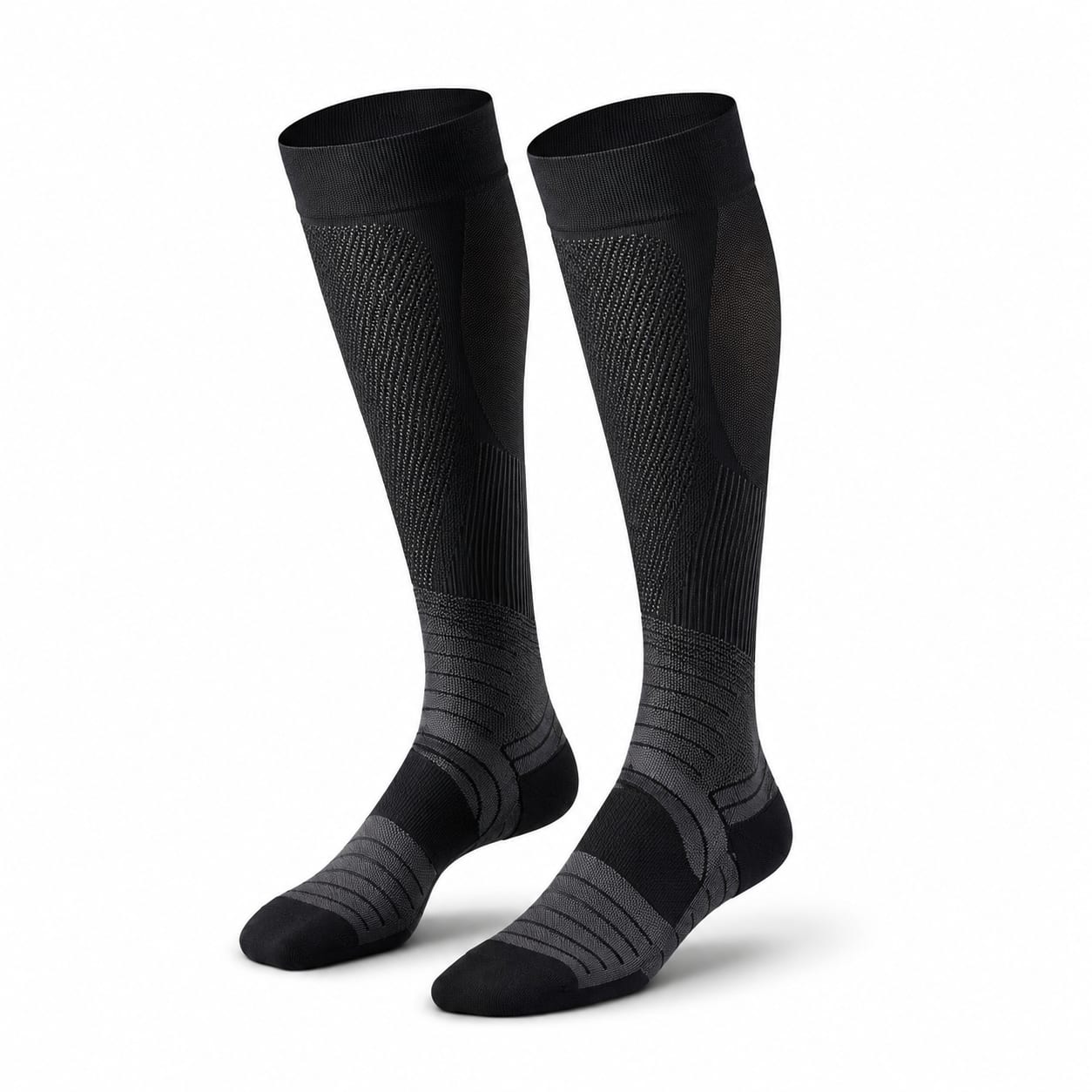
Race Ski Socks
$25 – $60
Ultra-thin, precision-fit ski socks engineered for competitive racers requiring maximum power transmission and boot sensitivity.
ultra-thin constructionanatomical left/right fitcompression zones
More questions
- Are lightweight ski socks warm enough for winter skiing?
- Can I wear lightweight ski socks with rental boots?
- Should I wear liner socks under lightweight ski socks for extra warmth?
- How long do lightweight ski socks last compared to thicker ones?