Kitvore.com

Kitvore.com

Specs that matter. Gear that fits.

Ski Socks · Subcategory

Lightweight Ski Socks

Thin, low-bulk ski socks designed for precise boot feel and moisture management in moderate to warm conditions.

Lightweight ski socks are the go-to choice for skiers with well-fitted boots who prioritize responsiveness and moisture control over maximum insulation. Their slim profile maximizes boot feel and prevents the circulation-restricting bulk that actually makes feet colder, making them surprisingly versatile across a wide range of conditions when paired with proper merino wool construction.

$15 – $38mid tierintermediateadvancedexpert

Best known for

Maximum boot feel and responsivenessSuperior moisture management in warm conditionsPreventing circulation restriction in snug-fitting bootsSpring skiing and high-intensity skiing
Lightweight Ski Socks

Guide

Detailed overview

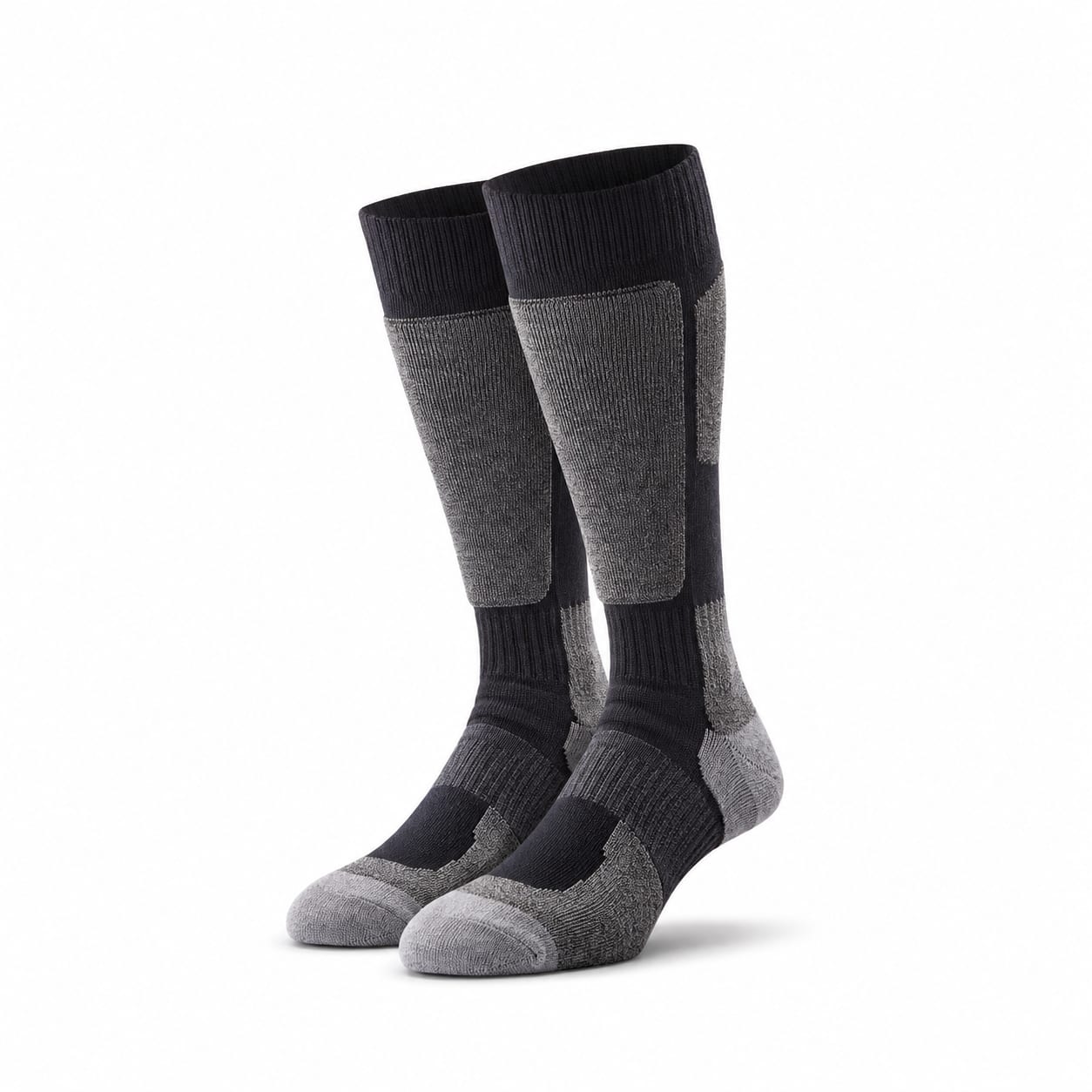
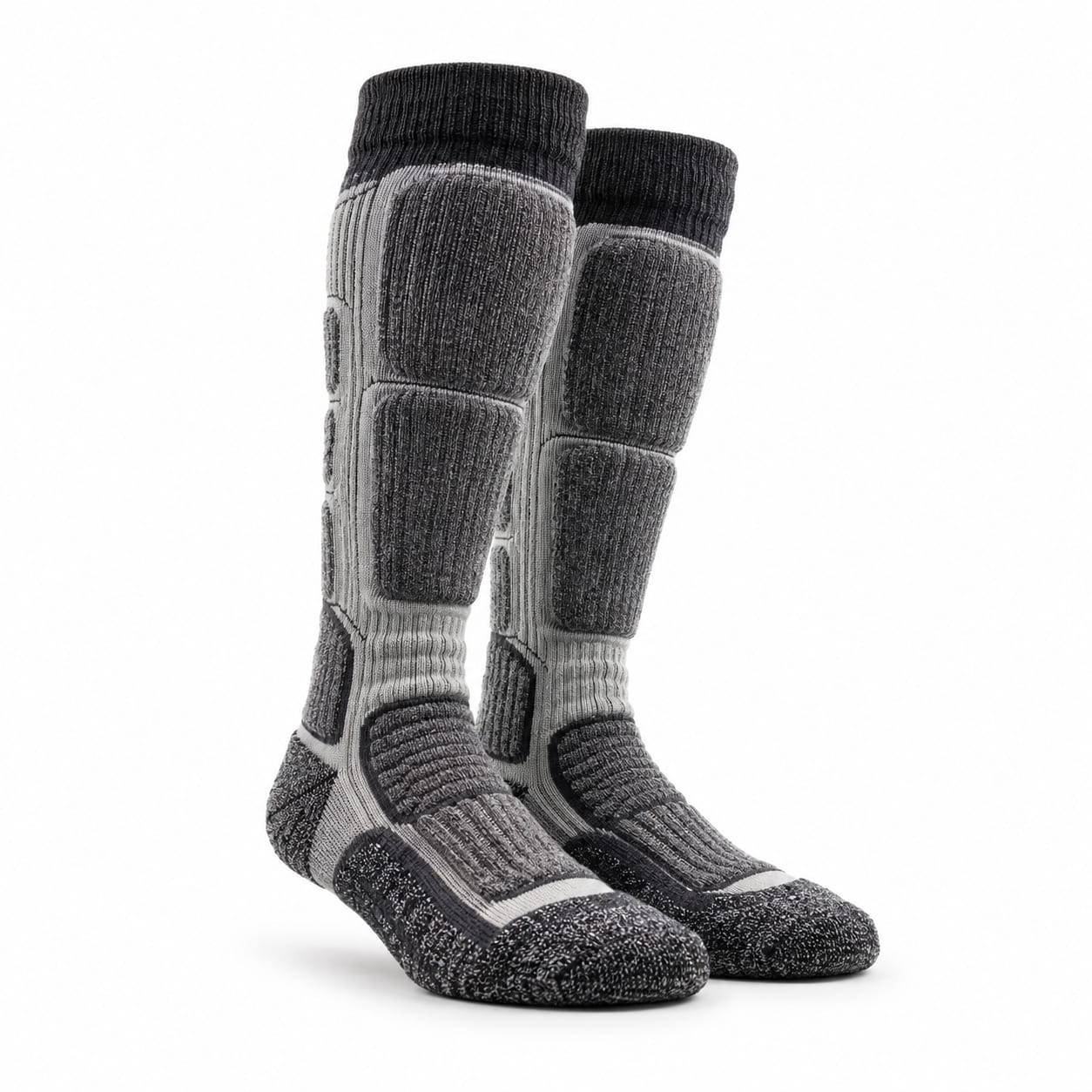
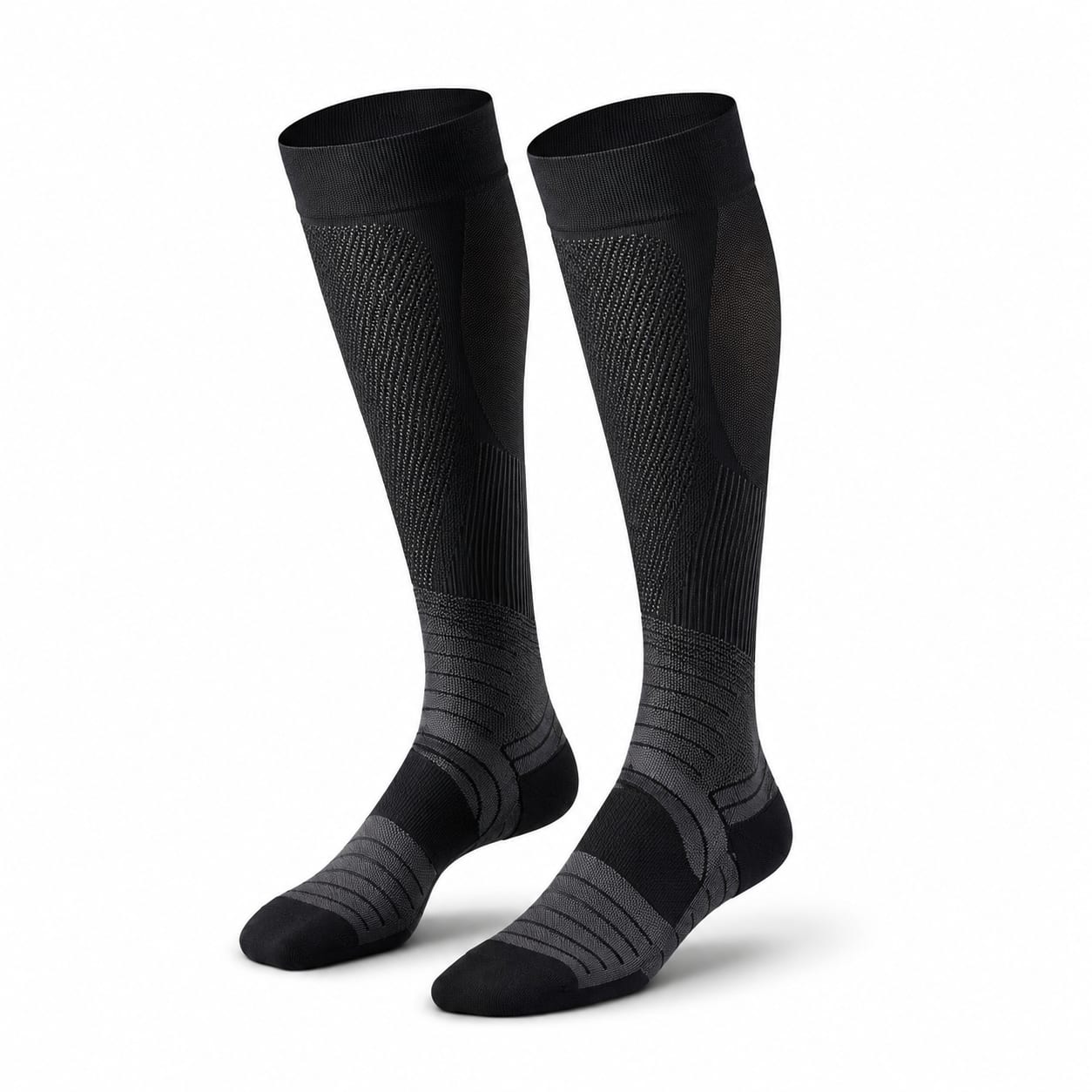
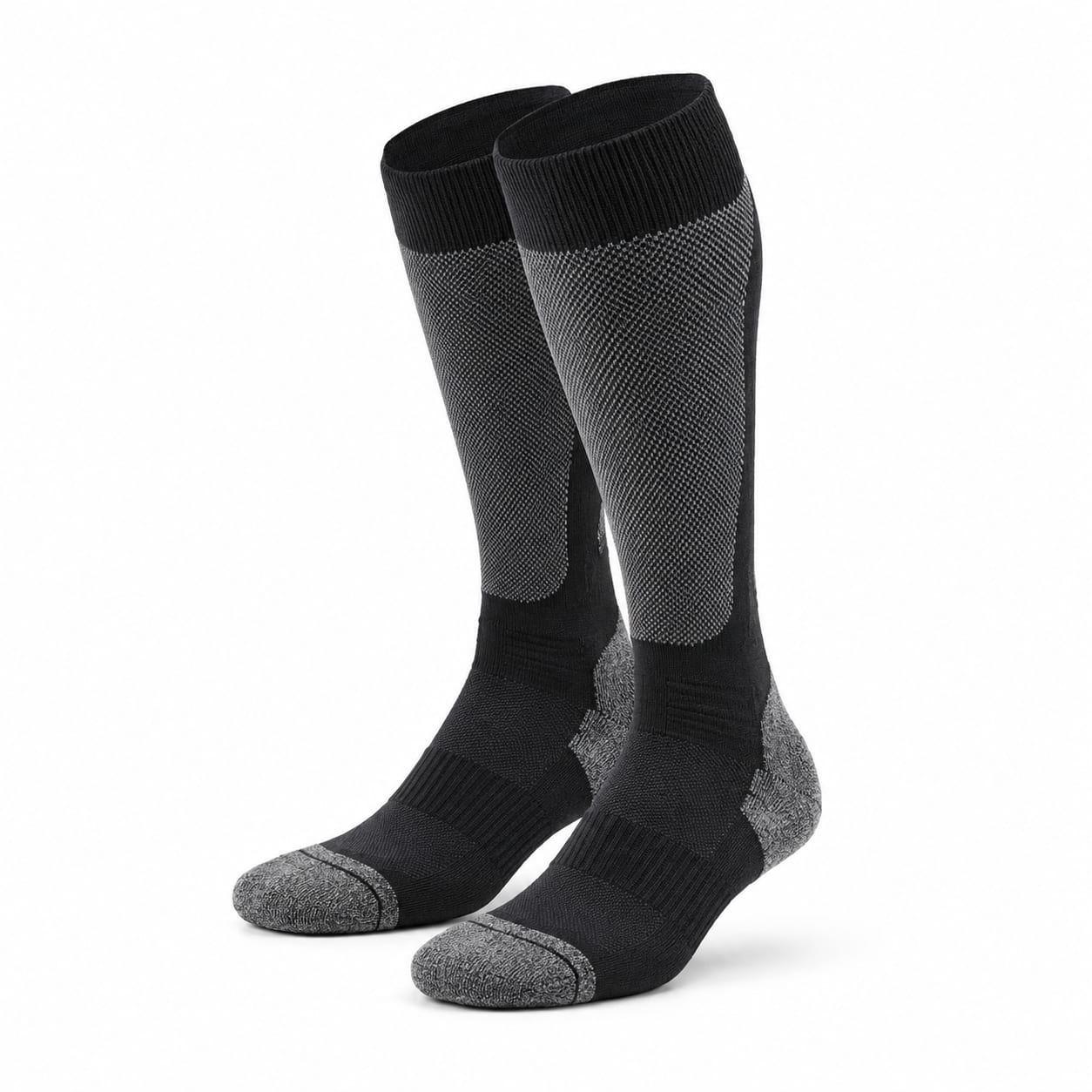
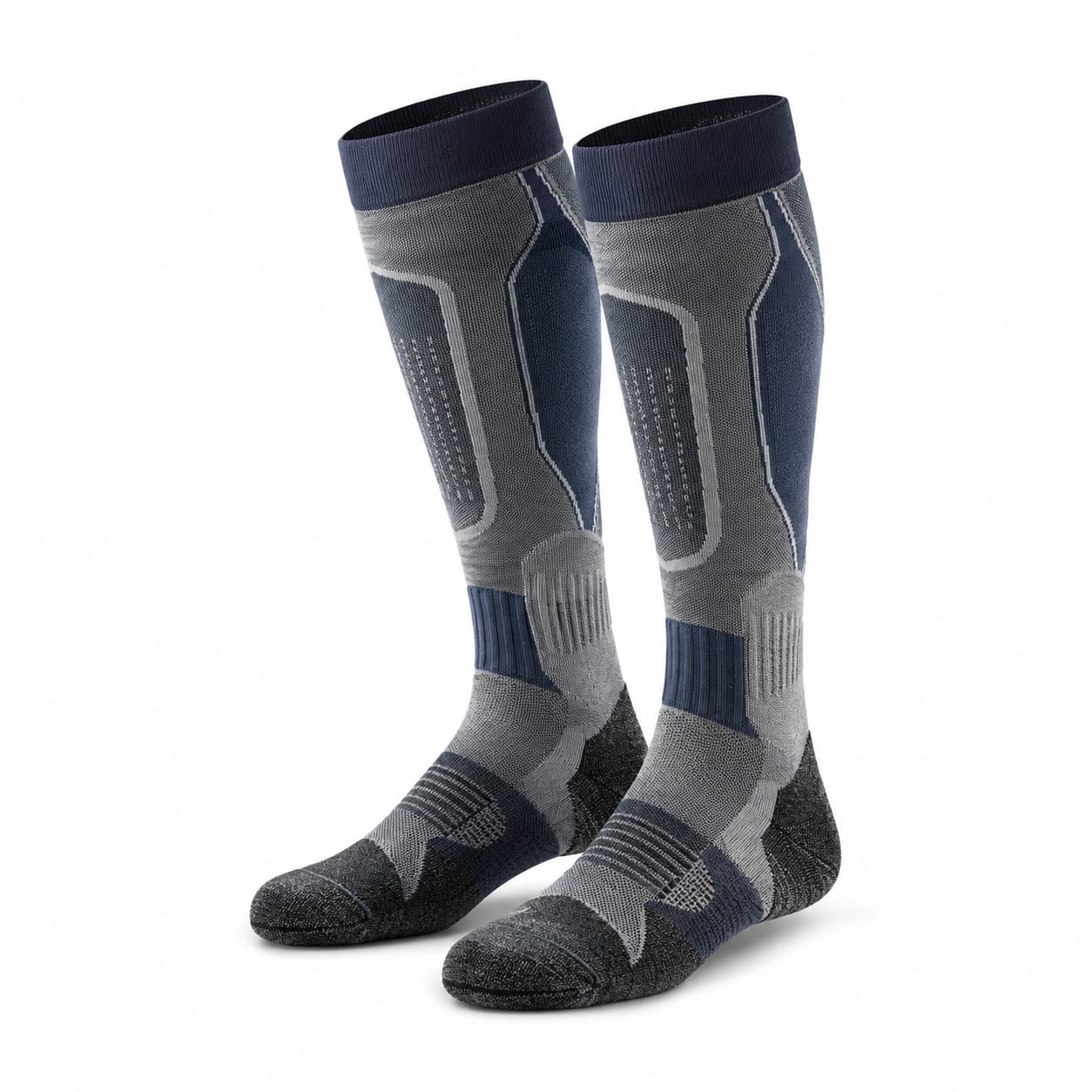
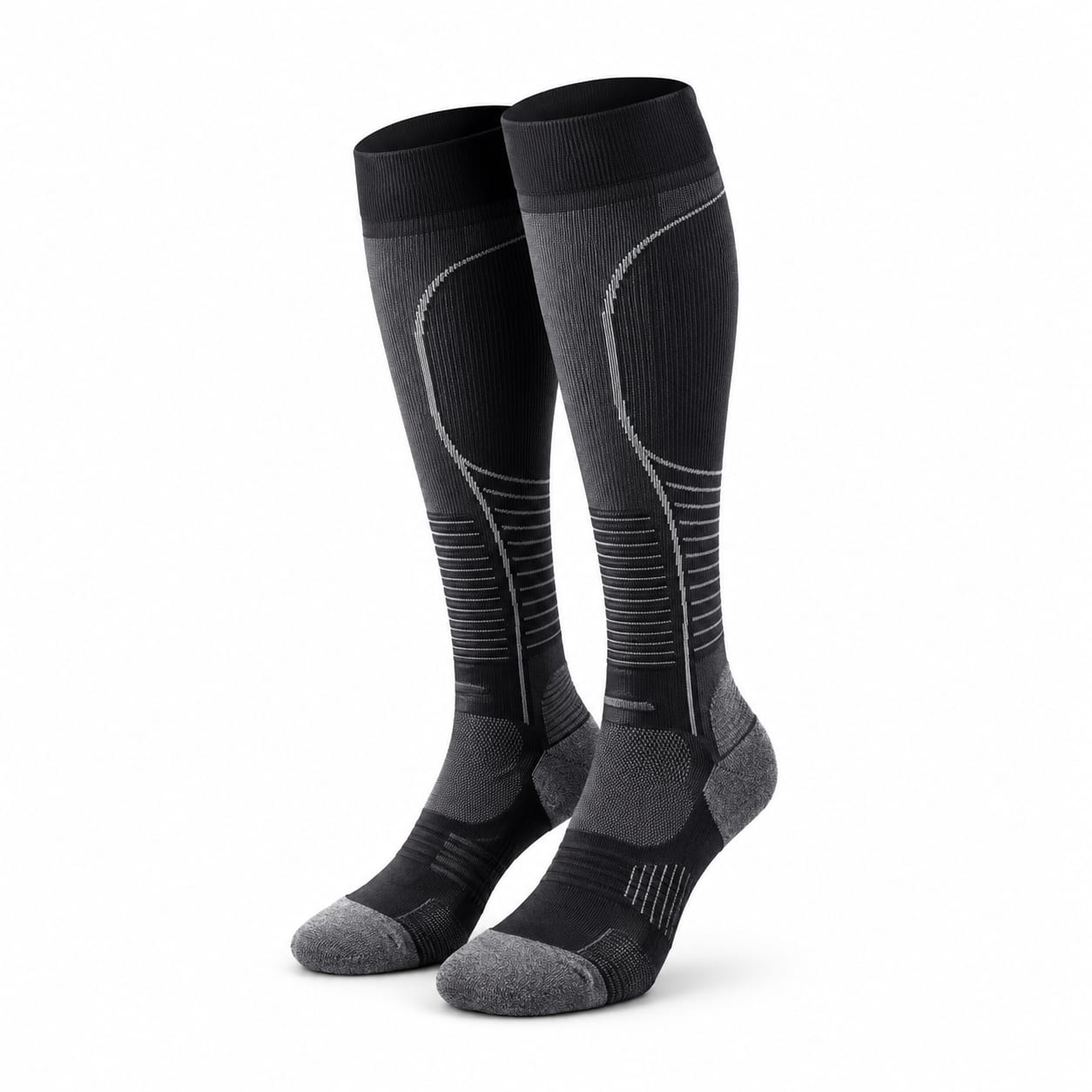
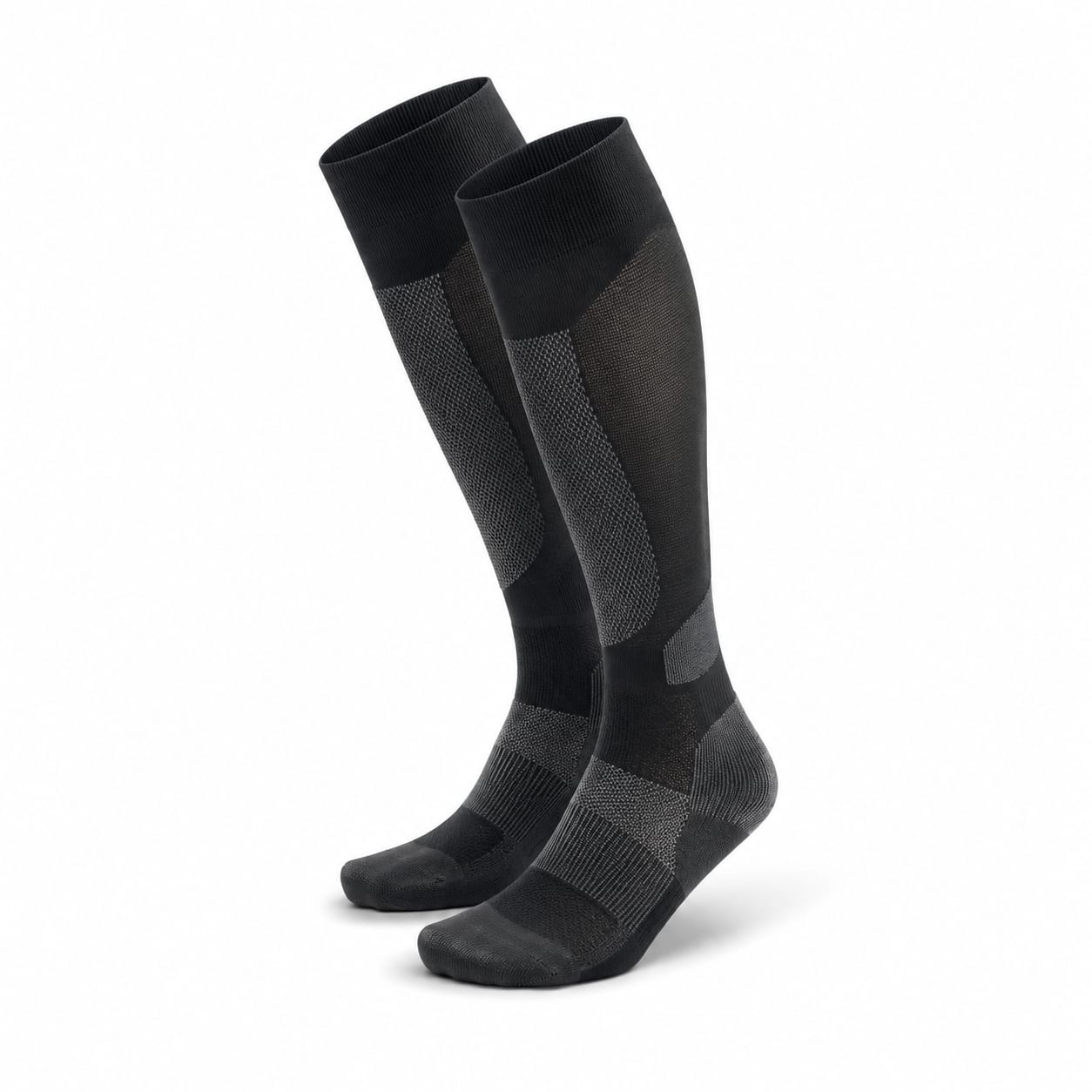
Lightweight ski socks are thin-profile socks engineered for skiers who need precise boot contact and efficient moisture management over maximum insulation. They feature minimal cushioning — typically just light padding in high-impact zones like the shin and heel — with thinner construction throughout the foot and leg. This low-bulk design allows the ski boot liner to conform closely to the foot, enhancing power transmission and edge control. Lightweight does not mean low-quality; in fact, many premium ski socks fall into this category because they rely on advanced merino wool blends and targeted construction rather than sheer bulk for performance. The reduced material also means less sweat retention and faster drying, which paradoxically keeps feet warmer in many conditions because dry skin insulates better than damp skin. Lightweight ski socks are the preferred choice for racers, advanced skiers with properly fitted boots, spring skiing, and anyone who runs warm or skis aggressively enough to generate significant heat.

Lightweight ski socks occupy a unique position in the ski sock lineup because they challenge the common assumption that thicker means warmer. In reality, a thin merino wool sock that efficiently wicks moisture away from the skin will keep your feet warmer than a thick sock that traps sweat and creates a damp, cold environment inside your boot. This is especially true for skiers with snug-fitting performance boots, where adding thick sock material compresses the foot, restricts circulation, and guarantees cold toes by the end of the day. Lightweight socks avoid this trap entirely, allowing natural blood flow while managing moisture effectively.

The construction of quality lightweight ski socks is anything but simple. Despite their thin profile, they incorporate sophisticated zone-specific knitting: slightly denser panels over the shin and heel for durability and modest cushioning, mesh ventilation channels across the top of the foot for breathability, and compression zones through the arch for support and to prevent the sock from migrating inside the boot. The best lightweight socks use merino-synthetic blends — typically 40-60% merino wool for moisture and odor management, with nylon and elastane for durability, stretch, and shape retention. This blend ratio is critical because pure merino at this thinness would lack the structural integrity needed for ski boot use.

Lightweight ski socks truly shine in three scenarios: spring skiing when temperatures rise and overheating becomes the primary concern, high-intensity skiing where aggressive turns and mogul runs generate substantial body heat, and performance skiing with tight-fitting boots where every millimeter of volume affects responsiveness. They are also the secret weapon for skiers who suffer from cold feet in thick socks — the counterintuitive reality is that many cold-feet sufferers find relief by switching to thinner socks that don't compress their feet inside the boot. If your toes go numb in heavy cushion socks, try lightweight before reaching for something thicker.

The primary limitation of lightweight ski socks is their minimal insulation, which becomes noticeable on very cold days (below 10°F/-12°C) or during long, cold chairlift rides where your feet are stationary and not generating heat. They also offer less impact protection than midweight or heavyweight options, so skiers prone to shin bang or those skiing aggressively in moguls may want more shin cushioning than lightweight socks typically provide. However, for the majority of resort skiing days in typical winter conditions (15-32°F / -9 to 0°C), lightweight socks paired with a well-fitted boot are often the optimal choice.

When shopping for lightweight ski socks, prioritize merino wool content (at least 40%), seamless or flat-knit toe construction, and over-the-calf height. Avoid the temptation to size up for extra warmth — a properly fitted lightweight sock should feel snug without being tight, with no excess material to bunch inside the boot. Many skiers benefit from owning both lightweight and midweight pairs, using lightweight for warmer days and snugger boots, and midweight for colder conditions or slightly roomier fits.

Quick facts

Primary purpose
Provide moisture management and minimal friction protection while maintaining maximum boot sensitivity and feel
Popular brands
SmartwoolDarn ToughIcebreakerFalke
Typical terrain
groomed runsall-mountainspring conditions

What makes it different

Thinnest construction in ski sock category; Emphasis on boot feel over padding; Often feature mesh ventilation zones

Recommended ranges

How this type usually specs out

Each spec is explained in plain language, then we show what buyers usually look for on this type.

Height

Sock Height

What it means

The height of the sock measured from the heel to the top of the cuff. Critical for preventing skin contact with the top of the ski boot shell.

Typical for this type

Over The Calf

In practice

Lightweight ski socks are overwhelmingly constructed in over-the-calf height to ensure the boot cuff never contacts bare skin, which is especially important with thin socks where there is no cushioning buffer.

Compared to other types

Consistent with midweight and heavyweight ski socks — OTC is the standard across all cushion levels. Some ultralight racing socks may offer knee-high options, but lightweight almost always uses OTC.

Why it matters: Even with lightweight construction, OTC height is non-negotiable for skiing. A short sock under a ski boot cuff causes immediate chafing and discomfort that no amount of thinness can compensate for.

Cushioning

Cushioning Level

What it means

The overall amount and density of padding built into the sock, affecting warmth, comfort, and boot fit. More cushioning means more warmth but less room in the boot.

Typical for this type

Ultralight to Light

In practice

Lightweight ski socks feature light cushioning, with thin padding only in key impact zones (shin, heel, toe) and minimal bulk throughout the foot and leg. This preserves the close boot contact that defines the category.

Compared to other types

Significantly less cushioning than midweight (medium) or heavyweight (heavy) socks. Slightly more than ultralight/racing socks which may have no cushioning at all. The light cushion level is what distinguishes this subcategory.

Why it matters: Light cushioning provides just enough impact protection for comfort without altering boot fit or reducing the responsiveness that lightweight socks are designed to deliver.

Material

Primary Fiber Material

What it means

The dominant fiber type used in the sock construction, which determines moisture management, warmth, odor resistance, and durability.

Typical for this type

Merino Synthetic Blend Or Merino Wool

In practice

Merino-synthetic blends (typically 40-60% merino with nylon and elastane) dominate lightweight ski socks because the synthetic components provide the durability and stretch needed at thin gauges, while merino delivers moisture management and odor resistance.

Compared to other types

Similar to midweight and heavyweight socks in blend preference. Ultralight racing socks may use silk blends. Lightweight socks particularly benefit from synthetic content because their thin construction is more vulnerable to wear.

Why it matters: At lightweight thicknesses, pure merino would lack durability and shape retention. The blend ensures the sock survives ski boot friction while maintaining merino's critical moisture-wicking performance.

Merino %

Merino Wool Content

What it means

The percentage of merino wool in the sock's fiber composition. Higher percentages provide more natural performance benefits but may reduce durability.

Typical for this type

40-65%

Most common pick: 45-60%

In practice

Most quality lightweight ski socks contain 45-60% merino wool, with the remainder being nylon (30-40%) for durability and elastane/spandex (2-5%) for stretch and recovery.

Compared to other types

Similar merino percentages to midweight socks. Heavyweight socks may push higher (55-70%) because their thicker construction provides more structural support. Ultralight socks may go slightly lower (35-50%) to prioritize durability at extreme thinness.

Why it matters: At least 40% merino is needed for meaningful moisture management and odor resistance. Going above 65% at lightweight thickness risks durability issues since there is less material overall to resist abrasion.

Compression

Compression Level

What it means

The degree of graduated compression built into the sock, measured in mmHg. Compression improves blood flow, reduces fatigue, and enhances proprioception.

Typical for this type

Light to Moderate

In practice

Light compression (8-15 mmHg) is most common in lightweight ski socks, providing gentle support and improved circulation without the constrictive feel that can be uncomfortable in thin socks.

Compared to other types

Similar to midweight socks. Heavyweight socks may use moderate compression more frequently. Ultralight performance socks sometimes feature moderate to firm compression for racing applications. Lightweight socks benefit from at least light compression to prevent the thin material from shifting.

Why it matters: Light compression helps the thin sock stay in place inside the boot, prevents sagging, and provides mild circulatory benefits that reduce foot fatigue during long ski days.

Thickness

Thickness Category

What it means

The overall thickness of the sock construction, which directly affects boot fit, warmth, and feel. Related to but distinct from cushioning level.

Typical for this type

Lightweight

In practice

By definition, lightweight ski socks fall into the lightweight thickness category — thin but with some substance, featuring slight padding in key areas and a slim overall profile.

Compared to other types

Thicker than ultralight (racing) socks but noticeably thinner than midweight, which is the most popular category. Significantly less bulk than heavyweight socks. This middle-ground thinness makes lightweight socks versatile for performance skiing.

Why it matters: The lightweight thickness is the defining characteristic of this subcategory, enabling close boot fit, maximum feel, and efficient moisture management with minimal bulk.

Left/Right Specific

Anatomical Fit Construction

What it means

Whether the sock is constructed with specific left and right foot shaping for improved fit and reduced bunching inside the boot.

Typical for this type

Anatomical Lr Preferred

In practice

Many premium lightweight ski socks feature left/right anatomical construction because the thin material leaves no room for bunching or excess fabric that universal fit might create.

Compared to other types

Anatomical fit is more common in lightweight and ultralight socks than in midweight or heavyweight, where the extra material can absorb minor fit imperfections. Performance-oriented lightweight socks almost always use anatomical construction.

Why it matters: With less material to work with, any bunching from a universal fit becomes more noticeable and uncomfortable. Anatomical fit ensures the thin fabric conforms precisely to each foot without wrinkles.

Shin Padding

Shin Cushioning

What it means

Dedicated cushioning zone on the front of the sock that protects the shin from ski boot pressure and impact. One of the most important zone-specific features.

Typical for this type

Light to Medium

In practice

Lightweight ski socks typically feature light shin cushioning — enough to take the edge off boot tongue pressure without adding noticeable bulk that would compromise boot fit or feel.

Compared to other types

Less shin cushioning than midweight (medium) or heavyweight (heavy) socks. More than ultralight/racing socks which may have none. Skiers with significant shin bang issues should consider medium shin cushioning in a midweight sock instead.

Why it matters: Even performance-oriented skiers need some shin protection from boot tongue pressure. Light cushioning provides a comfort buffer while maintaining the close boot contact that lightweight socks are designed for.

Toe Seam Type

Toe Construction

What it means

How the toe area of the sock is constructed and seamed. Affects comfort and blister risk in the tight toe box of a ski boot.

Typical for this type

Seamless Or Hand Linked

In practice

Seamless toe construction is standard in quality lightweight ski socks because the tight fit of performance boots makes any toe seam more noticeable and potentially painful.

Compared to other types

Seamless toes are equally important across all ski sock weights but are especially critical in lightweight socks where there is no cushioning to buffer any seam irregularity. Premium midweight and heavyweight socks also typically use seamless construction.

Why it matters: In the close-fitting environment of a performance ski boot, a raised toe seam can cause blisters and significant discomfort. Seamless construction eliminates this friction point entirely.

Arch Support

Arch Support

What it means

Built-in compression or elastic support in the arch/instep area of the sock. Provides a more secure fit and can reduce foot fatigue.

Typical for this type

Light to Moderate

In practice

Light arch support is typical in lightweight ski socks, providing subtle compression through the midfoot that keeps the sock in place and offers mild support without the constrictive feel of firmer options.

Compared to other types

Similar to midweight socks. Heavyweight socks may feature moderate arch support more frequently. Ultralight socks may have minimal or no arch support to reduce bulk. Lightweight socks benefit from at least light arch compression for stability.

Why it matters: Arch support prevents the thin sock from sliding around inside the boot, which is particularly important with lightweight construction that has less friction and grip against the foot.

Ventilation

Ventilation Zones

What it means

Mesh or thinner-knit zones designed to increase breathability and moisture escape in high-heat areas like the top of the foot and between toes.

Typical for this type

Targeted to Extensive

In practice

Lightweight ski socks commonly feature targeted ventilation zones — mesh or thinner-knit panels on top of the foot and sometimes between toes — to maximize the moisture management advantage of their thin construction.

Compared to other types

More ventilation than midweight or heavyweight socks, which may have minimal or no ventilation zones to prioritize warmth. Similar to ultralight socks. Some lightweight socks designed for spring skiing feature extensive ventilation panels.

Why it matters: Ventilation zones complement the lightweight design philosophy of maximizing moisture transport. They help hot, moist air escape from the foot area, keeping feet drier and more comfortable during high-output skiing.

Odor Control

Antimicrobial Treatment

What it means

Whether the sock has an applied antimicrobial treatment (e.g., silver ions, Polygiene) to reduce odor-causing bacteria. Merino wool has natural antimicrobial properties.

Typical for this type

True Or False (Merino Provides Natural Odor Resistance)

In practice

Many lightweight ski socks include antimicrobial treatments (silver ions, Polygiene, etc.) as a supplementary odor-fighting measure, though the merino wool content already provides significant natural odor resistance.

Compared to other types

Similar prevalence across all subcategories. More relevant for synthetic-heavy lightweight socks that lack merino's natural odor resistance. Less critical for high-merino-content blends where natural properties are sufficient.

Why it matters: Antimicrobial treatment extends the odor-free wear time, which is useful for multi-day ski trips. However, it is not essential since merino wool naturally resists odor-causing bacteria effectively.

Gender Fit

Gender-Specific Fit

What it means

Whether the sock is designed with gender-specific proportions. Women's-specific socks account for typically narrower heels, higher arches, and different calf proportions.

Typical for this type

Choose Gender-Specific Fit For Optimal Performance

Most common pick: Varies: Mens, Womens, Unisex All Available

In practice

Lightweight ski socks are available in men's, women's, and unisex fits. Women's-specific lightweight socks account for narrower heels, higher arches, and smaller calf circumference, which is especially important in thin socks where fit precision matters more.

Compared to other types

Gender-specific fit is equally important across all ski sock weights but arguably more noticeable in lightweight socks where there is less material to compensate for proportional mismatches.

Why it matters: With less material to absorb fit imperfections, getting the right gender-specific proportions becomes more important in lightweight socks. A loose heel pocket in a thin sock creates noticeable slippage.

Reinforced Areas

Reinforced Zones

What it means

Specific areas of the sock with extra-durable construction to resist wear from ski boot friction and extend sock life.

Typical for this type

Heel And Toe Minimum; Shin And Sole As Bonus

Most common pick: Heel, Toe

In practice

Quality lightweight ski socks reinforce the heel and toe areas with denser knitting to resist the high-friction environment of ski boots, which is especially important at thin gauges where there is less material to wear through.

Compared to other types

Same reinforcement zones as midweight and heavyweight socks, but arguably more important in lightweight construction because the base material is thinner and wears through faster without reinforcement.

Why it matters: Lightweight socks are more vulnerable to wear-through than thicker options because there is less material to begin with. Reinforced heel and toe zones significantly extend sock life without adding noticeable bulk.

Warmth Level

Warmth Rating

What it means

The overall warmth category of the sock, determined by thickness, material, and construction. Indicates the temperature range the sock is designed for.

Typical for this type

Lightweight Warmth

In practice

Lightweight ski socks carry a lightweight warmth rating, designed for mild conditions, high-output skiing, or skiers who prioritize moisture management and boot feel over maximum insulation.

Compared to other types

Less warmth than all-season/midweight or heavyweight warmth socks. Equivalent to ultralight/racing socks. However, many skiers find lightweight socks keep their feet warmer than expected because the thin construction avoids the circulation restriction that thick socks can cause in tight boots.

Why it matters: The lightweight warmth rating sets expectations correctly — these socks will not provide the insulation of midweight or heavyweight options in extreme cold, but they will keep feet drier and more comfortable in moderate conditions.

Size

Size Range

What it means

The sock size, which must correspond to the skier's shoe size for proper fit. Ill-fitting socks cause bunching, wrinkles, and discomfort in ski boots.

Typical for this type

Match Shoe Size Exactly; Size Down If Between Sizes

Most common pick: Standard Brand-Specific Size Ranges

In practice

Lightweight ski socks come in standard size ranges that correspond to shoe size. Proper sizing is especially critical because excess material in a thin sock will bunch and create pressure points, while a too-small sock will stretch thin and lose its cushioning and compression properties.

Compared to other types

Sizing is equally important across all ski sock weights but the consequences of poor sizing are more immediately felt in lightweight socks where there is less material to absorb fit issues.

Why it matters: With lightweight socks, there is no thick cushioning to hide sizing errors. A sock that's too large will wrinkle and cause hot spots; one that's too small will fit too thinly and wear out faster.

Evaluation

Strengths and trade-offs

Pros

What this type does best

Maximum Boot Feel and Responsiveness

Critical

The thin construction allows the boot liner to conform closely to the foot, providing superior power transmission to the ski edges and a more connected, responsive feel.

Superior Moisture Management

Critical

Less material means less sweat retention and faster drying. Lightweight socks keep feet drier, which actually keeps them warmer than damp thick socks in many conditions.

Prevents Circulation Restriction

High

In properly fitted boots, lightweight socks avoid the volume that compresses the foot and restricts blood flow — the leading cause of cold feet in thick socks.

Versatile Across Temperature Ranges

High

When made with quality merino wool, lightweight socks regulate temperature effectively and work well from spring conditions down to typical winter temperatures with proper boot fit.

Comfortable for All-Day Wear

Medium

The low-bulk construction reduces fatigue from excess material compression and feels less constrictive over long ski days, especially for skiers with snug boots.

Faster Drying After Washing

Medium

Thin construction means lightweight socks dry significantly faster than midweight or heavyweight options, making them practical for multi-day ski trips with limited drying time.

Ideal for High-Intensity Skiing

Medium

Aggressive skiers generate substantial heat, and lightweight socks provide the moisture management needed without the insulation that causes overheating and sweaty feet.

Cons

Trade-offs to be aware of

Minimal Cold-Weather Insulation

Moderate

Lightweight socks lack the insulation needed for very cold days (below 10°F/-12°C) or long, cold chairlift rides where feet are stationary and not generating heat.

Less Impact Protection

Moderate

The thin cushioning provides minimal shock absorption, which can be noticeable in moguls, terrain parks, or for skiers prone to shin bang and foot bruising.

Less Forgiving of Boot Fit Issues

Moderate

Lightweight socks cannot fill volume in loose boots or compensate for pressure points the way thicker socks can. They require a well-fitted boot to perform well.

Potentially Shorter Lifespan

Minor

With less material to wear through, lightweight socks may develop holes and thin spots faster than midweight or heavyweight options, especially without reinforced zones.

May Feel Too Thin for Some Preferences

Minor

Skiers accustomed to thick, cushiony socks may find lightweight socks uncomfortably minimal at first, perceiving them as insufficient even when they perform well.

Best for

Terrain

Groomed runsAll-mountainMogulsTerrain parksSpring corn snow

Snow conditions

Spring skiing (35-50°F / 2-10°C)Typical winter resort conditions (15-32°F / -9 to 0°C)Indoor snow domesHigh-intensity skiing in any temperatureWarm-climate skiing

Skill level

IntermediateAdvancedExpert

Riding style

Performance all-mountainCarvingRacing (training)FreestyleBackcountry touring

Rider profile

Skiers with properly fitted performance bootsSkiers who run warm or sweat heavilySkiers who experience cold feet in thick socks due to circulation restrictionAggressive skiers generating significant body heatRacers and performance-oriented skiersBackcountry skiers managing moisture on ascents

Not ideal for

Reasons

Loose or poorly fitted boots that need volume-filling socksConsistently cold feet unrelated to circulation restrictionVery cold conditions (below 10°F / -12°C) where maximum insulation is neededShin bang issues requiring heavy cushioningBeginners in rental boots who benefit from thicker socks filling excess volume

Terrain

Extreme cold backcountry expeditionsLong exposed ridge traverses with cold lift rides

Skill level

First-time beginners with rental boots (often loose-fitting)

Riding style

Extreme cold-weather freerideCasual cruising in deep cold

Compare

How it stacks up

This page

Lightweight Ski Socks

Better boot feel, less bulk, superior moisture management, and no circulation restriction in snug boots. More versatile for warm conditions and high-intensity skiing.

Alternative

Midweight Ski Socks

More cushioning and warmth for cold days, better impact protection, more forgiving of boot fit issues, and the most popular/versatile category for average skiers.

Bottom line

Choose lightweight if you have well-fitted boots and prioritize feel and moisture management. Choose midweight if you want more cushioning, ski in colder conditions, or have average boot fit. Many skiers benefit from owning both.

This page

Lightweight Ski Socks

Dramatically better boot feel and responsiveness, no circulation restriction, superior moisture management, and no overheating. Lightweight socks keep feet warmer in properly fitted boots by avoiding the compression that thick socks cause.

Alternative

Heavyweight Ski Socks

Maximum warmth for extreme cold, maximum impact protection, and ability to fill volume in loose or rental boots. Better for skiers who consistently have cold feet unrelated to circulation issues.

Bottom line

Choose lightweight for performance skiing with fitted boots. Choose heavyweight only for extreme cold, loose boots, or genuine cold-sensitivity issues. If your feet are cold in thick socks, try lightweight — the problem may be circulation restriction, not insulation.

This page

Lightweight Ski Socks

Slightly more cushioning and durability than ultralight, making lightweight socks more comfortable for all-day skiing and more versatile across conditions. Better value and longer lifespan.

Alternative

Ultralight / Racing Ski Socks

Maximum possible boot feel and minimal bulk for racing applications. Lighter weight and less material for the absolute closest boot contact. Preferred by competitive racers.

Bottom line

Choose lightweight for performance all-mountain skiing and general use. Choose ultralight only if you are a competitive racer or have extremely tight-fitting race boots that cannot accommodate even lightweight cushioning.

Shopping

Buying tips

  • 1

    Prioritize merino wool content of at least 40% — below this threshold, you lose most of merino's moisture management and odor resistance benefits that make lightweight socks effective.

  • 2

    If your feet get cold in thick socks, try lightweight before reaching for heavier options. Circulation restriction from excess bulk is the most common cause of cold feet in ski boots.

  • 3

    Check for reinforced heel and toe zones — lightweight socks are more vulnerable to wear, and reinforcement significantly extends their lifespan without adding bulk.

  • 4

    Size down rather than up if you're between sizes. Excess material in a lightweight sock will bunch and create pressure points, while a slightly snug fit will stretch to conform to your foot.

  • 5

    Consider women's-specific socks if you have narrower feet or calves, regardless of gender. The proportional fit matters more in lightweight socks where there is less material to absorb fit imperfections.

  • 6

    Look for seamless or flat-knit toe construction — in the tight environment of a ski boot, a raised toe seam is more noticeable and problematic with thin socks than thick ones.

  • 7

    Buy at least two pairs so you can rotate and always have a dry pair. Lightweight socks dry faster, but having a backup is essential for multi-day trips.

  • 8

    Match your sock to your boot fit, not the temperature alone. A snug performance boot needs a lightweight sock regardless of how cold it is — the boot's insulation handles warmth, the sock handles moisture.

Care

Maintenance notes

  • Wash lightweight ski socks inside-out in cold or warm water (not hot) to preserve the merino wool fibers and elastic recovery.
  • Never use fabric softener — it coats merino fibers and destroys their moisture-wicking and odor-resistant properties.
  • Air dry or tumble dry on low heat only. High heat shrinks merino wool and degrades elastic, both of which are critical for lightweight sock performance.
  • Inspect for thinning at the heel and toe after each season — lightweight socks wear through faster than thicker options and should be replaced when cushioning packs out or fabric becomes visibly thin.
  • Store clean and dry; avoid storing damp socks which can degrade elastic and promote mildew, especially in the thinner material of lightweight construction.
  • Rotate between at least two pairs to allow elastic recovery and extend the lifespan of each pair. Lightweight socks lose shape faster than heavier options if worn consecutive days.

Progression

Skill development path

Lightweight ski socks are most appreciated by intermediate-to-advanced skiers who have invested in properly fitted boots and understand the relationship between sock bulk, boot fit, and foot warmth. Beginners in rental boots often start with midweight or heavyweight socks to fill volume, then transition to lightweight as they develop better technique, acquire custom-fitted boots, and learn that moisture management matters more than bulk for foot comfort. The progression typically goes: beginner (heavy/midweight with rental boots) → intermediate (midweight with owned boots) → advanced (lightweight with fitted boots). Racers and performance skiers may further progress to ultralight socks. The key insight that unlocks the lightweight transition is understanding that tight boots + thin socks = warmer feet than loose boots + thick socks.

FAQ

Common questions

Each question has a dedicated page with a full answer and links to the buying guide.

Are lightweight ski socks warm enough for winter skiing?

Yes, for most winter resort conditions (15-32°F / -9 to 0°C), lightweight merino wool socks keep feet warm by managing moisture effectively and avoiding the circulation restriction that thick socks cause in snug boots. Dry feet are warm feet. If your boots fit properly, lightweight socks are often warmer than thick ones. For temperatures consistently below 10°F (-12°C) or if you have genuine cold sensitivity unrelated to circulation, consider midweight socks.

Why do my feet get colder in thick socks than thin ones?

Thick socks in properly fitted ski boots compress your foot, restricting blood flow to your toes. Reduced circulation means colder feet, regardless of how much insulation the sock provides. Additionally, thick socks retain more sweat, and damp skin loses heat dramatically faster than dry skin. Lightweight socks avoid both problems by allowing natural circulation and wicking moisture efficiently. This is the most common revelation for skiers who switch to lightweight socks.

Can I wear lightweight ski socks with rental boots?

It depends on the rental boot fit. If the rental boot fits snugly, lightweight socks work well. However, rental boots often fit loosely, and in that case, midweight or even heavyweight socks may be more comfortable because they fill excess volume and prevent heel lift. If you're renting, try lightweight first but bring a midweight backup pair in case the boots are roomy.

Should I wear liner socks under lightweight ski socks for extra warmth?

Generally no. Layering socks creates wrinkles, restricts circulation, and reduces the precise boot feel that lightweight socks are designed to provide. If you need more warmth, switch to a midweight sock rather than layering. The one exception is silk or ultralight merino liner socks under lightweight socks in extremely cold conditions, but this should only be done if your boots have enough volume to accommodate both layers without compression.