
Ski Underwear · FAQ
Questions about Heavyweight Base Layers
Straight answers on fit, specs, and when this type makes sense — each topic has its own page with links back to the buying guide.
Open Heavyweight Base Layers guide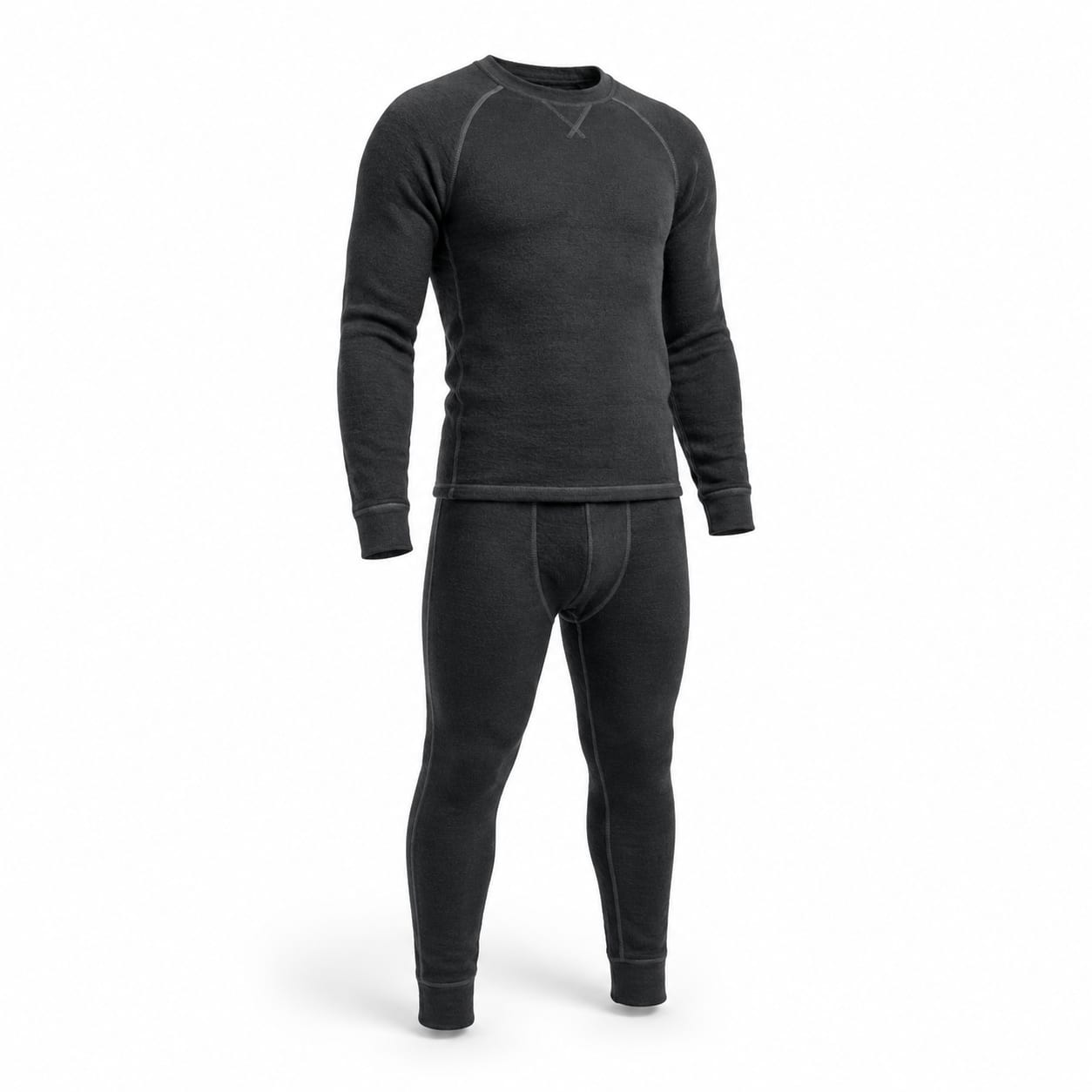
6 topics
Pick a question
Every answer links to the full subcategory guide and related gear types when it helps you decide.
When should I choose heavyweight over midweight base layers?
Choose heavyweight when you regularly ski in temperatures below 0°F (-18°C), when you spend long periods stationary on lifts or at patrol stations, or when you naturally run very cold and midweight layers leave you shivering. If midweight keeps you comfortable on typical winter days, heavyweight is unnecessary and will cause overheating. A good test: if you're wearing midweight and still feel cold on the lift with a proper mid-layer and insulated jacket, heavyweight is the right choice.
Read answer →02Can I wear heavyweight base layers for backcountry touring?
Only in extreme cold (below 0°F) and only if you're doing a low-output approach. Heavyweight base layers will cause rapid overheating during the sustained climbing of backcountry touring, leading to sweat saturation that can be dangerous when you stop moving. For most backcountry touring, lightweight or midweight layers with good ventilation are safer choices. If you need heavyweight warmth, wear it for the descent and carry a lighter layer for the climb.
Read answer →03Is pure merino or a wool blend better for heavyweight base layers?
Wool blends (typically 60–80% merino with polyester or nylon) are generally the better choice for heavyweight base layers. The thick merino fabric is more prone to pilling, seam stress, and sagging than lighter weights, and the synthetic component in blends addresses these issues while preserving most of merino's warmth and odor resistance. Pure merino heavyweight has a slightly softer hand feel and marginally better odor resistance, but the durability trade-off is significant at this thickness.
Read answer →04How do I prevent overheating in heavyweight base layers?
Three strategies: First, choose a half-zip or quarter-zip top so you can dump heat quickly during exertion. Second, look for body-mapped construction with ventilation zones under the arms and along the back. Third, use the 'start cold' principle—when you step outside, you should feel slightly chilly in your heavyweight layer. You'll warm up within 5–10 minutes of activity. If you're comfortable standing in the parking lot, you'll be overheating on the first run.
Read answer →05Do I need heavyweight bottoms or just the top?
For most skiers, a heavyweight top paired with midweight bottoms is the optimal combination. Your legs generate substantial heat during skiing and are less vulnerable to cold than your core. Heavyweight bottoms are worth it only if you run very cold, ski in extreme wind chill, or spend long periods stationary (like ski patrol). The top is where heavyweight insulation makes the biggest difference for core warmth and comfort.
Read answer →06How do heavyweight base layers fit into a complete layering system?
With a heavyweight base layer, you can often run a simpler mid-layer system. In extreme cold, pair heavyweight base + light fleece mid + insulated shell jacket. In moderate cold with heavyweight base, you may skip the mid-layer entirely and go heavyweight base + insulated jacket. The key is accounting for the heavyweight base's extra warmth when choosing your other layers—don't stack a heavyweight base with a heavy mid-layer and a heavily insulated jacket, or you'll overheat even in extreme cold.
Read answer →