Kitvore.com

Kitvore.com

Specs that matter. Gear that fits.

Ski Underwear · Subcategory

Heavyweight Base Layers

Maximum-warmth base layers designed for sub-zero temperatures and low-output cold-weather skiing.

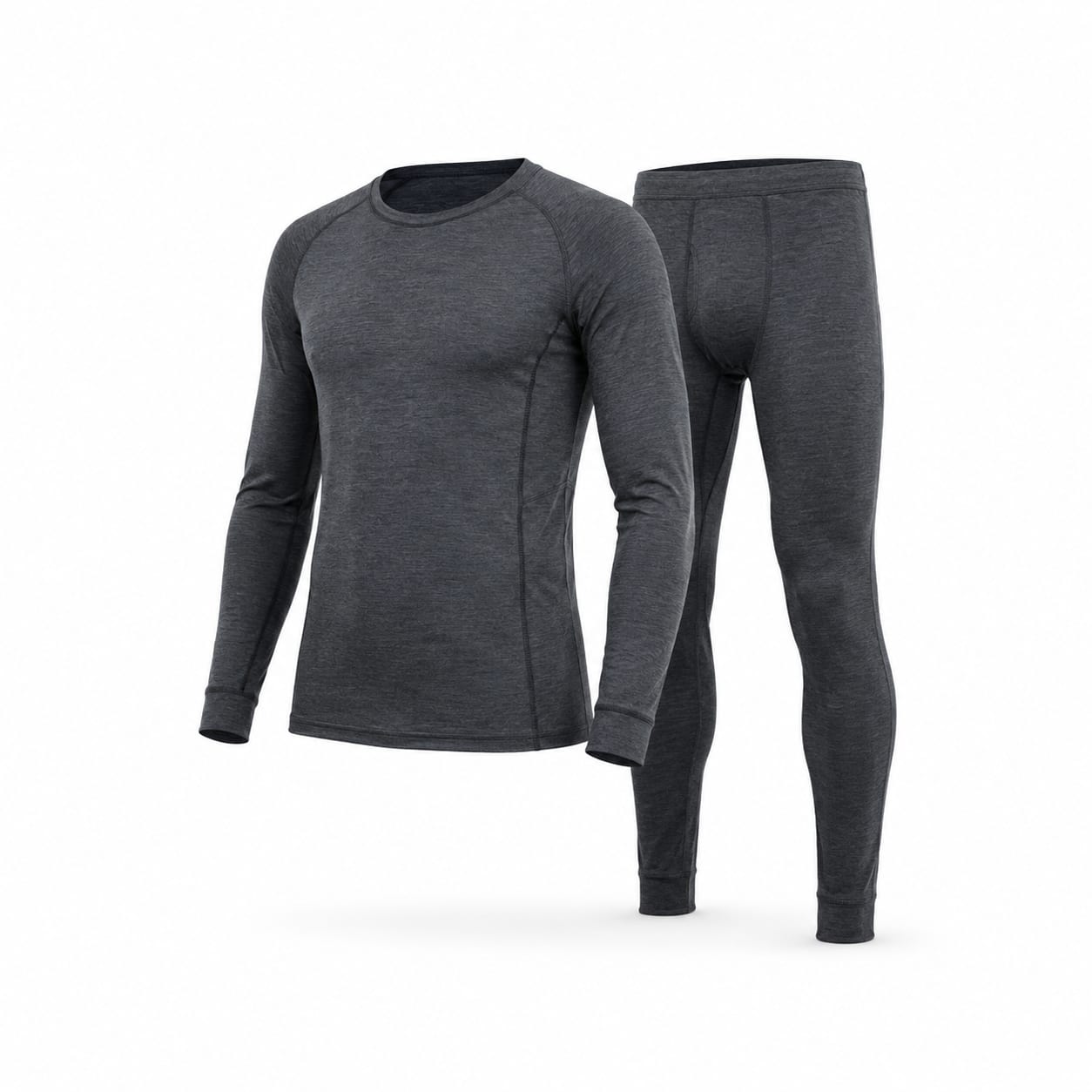
Heavyweight base layers are the warmest tier of ski underwear, built with thick 260–350 g/m² fabric to insulate your core in the most extreme cold conditions. They excel when temperatures plummet below 0°F (-18°C) and you're spending more time sitting on lifts than generating heat through aggressive skiing. If you run cold, work ski patrol, or face legitimately frigid days, heavyweight is your survival layer.

$45 – $160mid tierbeginnerintermediateadvanced

Best known for

Maximum insulation for sub-zero temperaturesKeeping lift riders warm during long, cold chairlift ridesExpedition-grade warmth for ice climbing and ski patrolPlush, comfortable fabric feel against the skin
Heavyweight Base Layers

Guide

Detailed overview

Heavyweight base layers represent the upper end of ski underwear warmth, utilizing thick 260–350 g/m² fabric to trap maximum body heat in extreme cold. These garments are purpose-built for conditions where standard midweight layers simply cannot keep up—think sub-zero Fahrenheit temperatures, bitter wind chill, and long periods of physical inactivity on chairlifts or at patrol stations. The fabric is noticeably thicker and often has a plush, brushed interior that feels luxurious against the skin while creating dead air space for insulation. Heavyweight base layers are not a universal solution; they are a specialized tool for specific conditions and rider types. Wearing them during active skiing in moderate temperatures will lead to rapid overheating and sweat saturation, which defeats the purpose of a base layer entirely. They shine brightest for riders who run cold naturally, those who ski in extremely cold climates, and professionals who spend extended time outdoors in harsh conditions. The trade-off for this warmth is reduced breathability, more bulk under layers, and potential restriction of movement compared to lighter options.

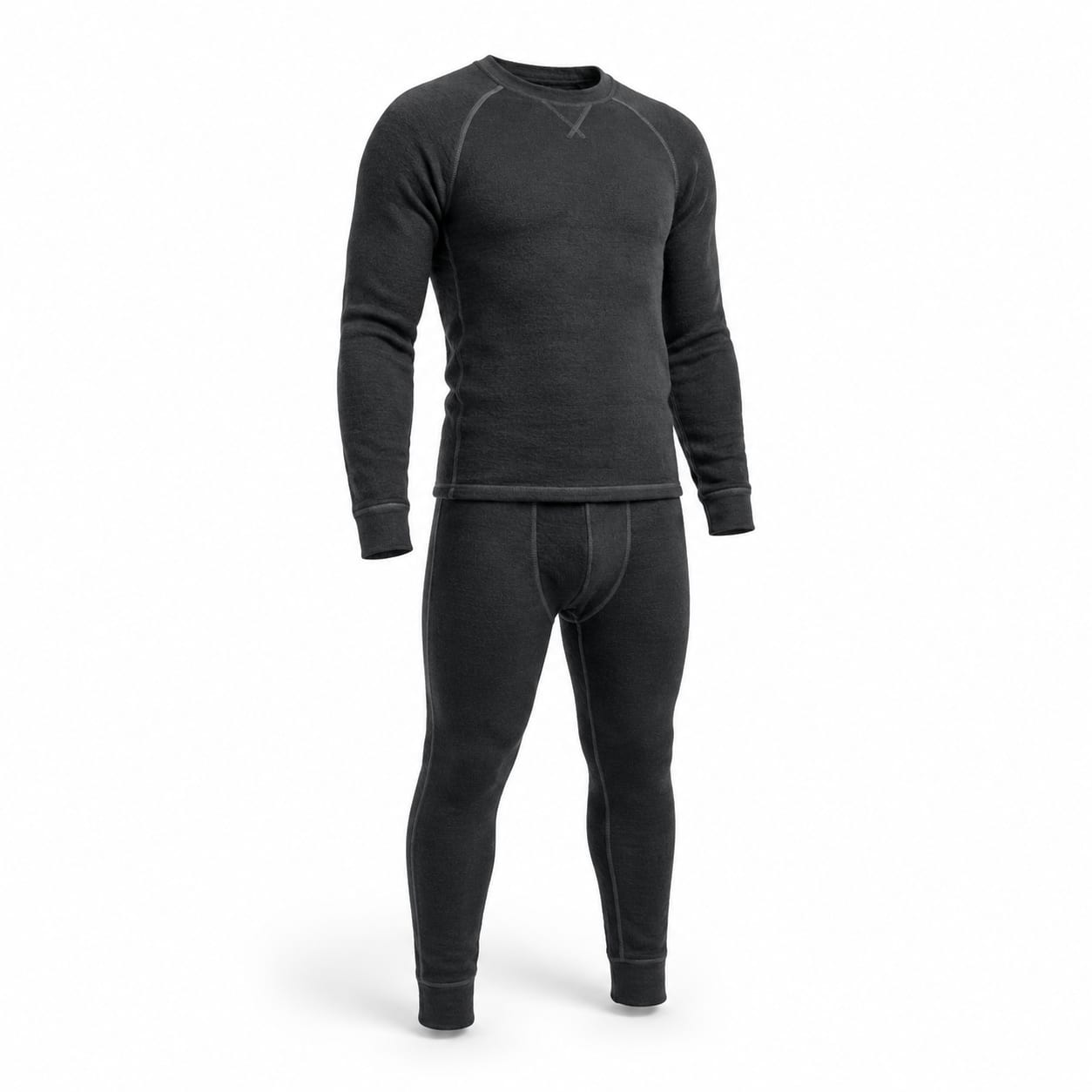
Heavyweight base layers occupy a critical niche in the ski layering system: they are the last line of thermal defense when conditions turn genuinely dangerous. With fabric weights ranging from 260 to 350 g/m², these garments are substantially thicker than the midweight options most skiers default to, and the difference is immediately apparent both in hand feel and on-body warmth. The interior surface is typically brushed or fleeced to create a soft, high-loft structure that traps warm air against the skin, while the exterior face is often a tighter knit to resist wind penetration and improve durability.

The primary audience for heavyweight base layers is narrower than for other weight classes. These are not everyday layers for the typical resort skier—they are specialized equipment for extreme cold. If you regularly ski in places like interior British Columbia, the Canadian Rockies, northern New England, or the Alps during cold snaps, heavyweight base layers can transform a miserable, shivering day into a comfortable one. They are equally valued by ski patrol professionals who stand at exposed stations for hours, backcountry skiers making early-morning approaches in negative temperatures, and ice climbers who generate little body heat while stationary on routes.

Material choice becomes especially important at heavyweight levels. Merino wool dominates this category because its natural crimp and fiber structure create exceptional dead air space for insulation, and it retains roughly 80% of its insulating value even when damp—a critical safety advantage in extreme cold. However, pure merino at this weight can be fragile and prone to pilling, so many of the best heavyweight options use wool-synthetic blends that add durability without sacrificing the warmth and odor resistance merino provides. Synthetic heavyweight options exist but are less common; they dry faster but feel clammy against the skin when you inevitably sweat, and their odor retention is a real drawback for multi-day use.

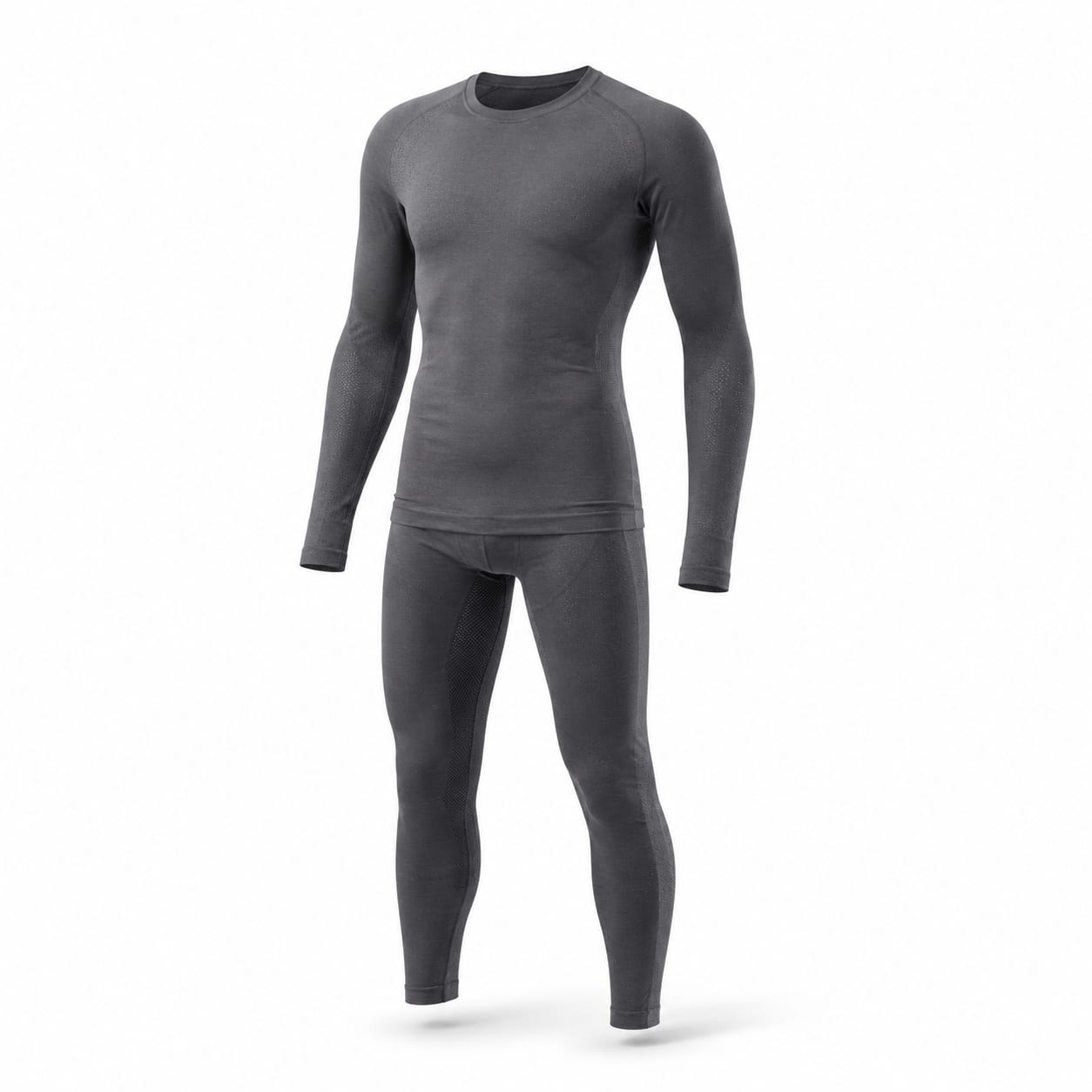
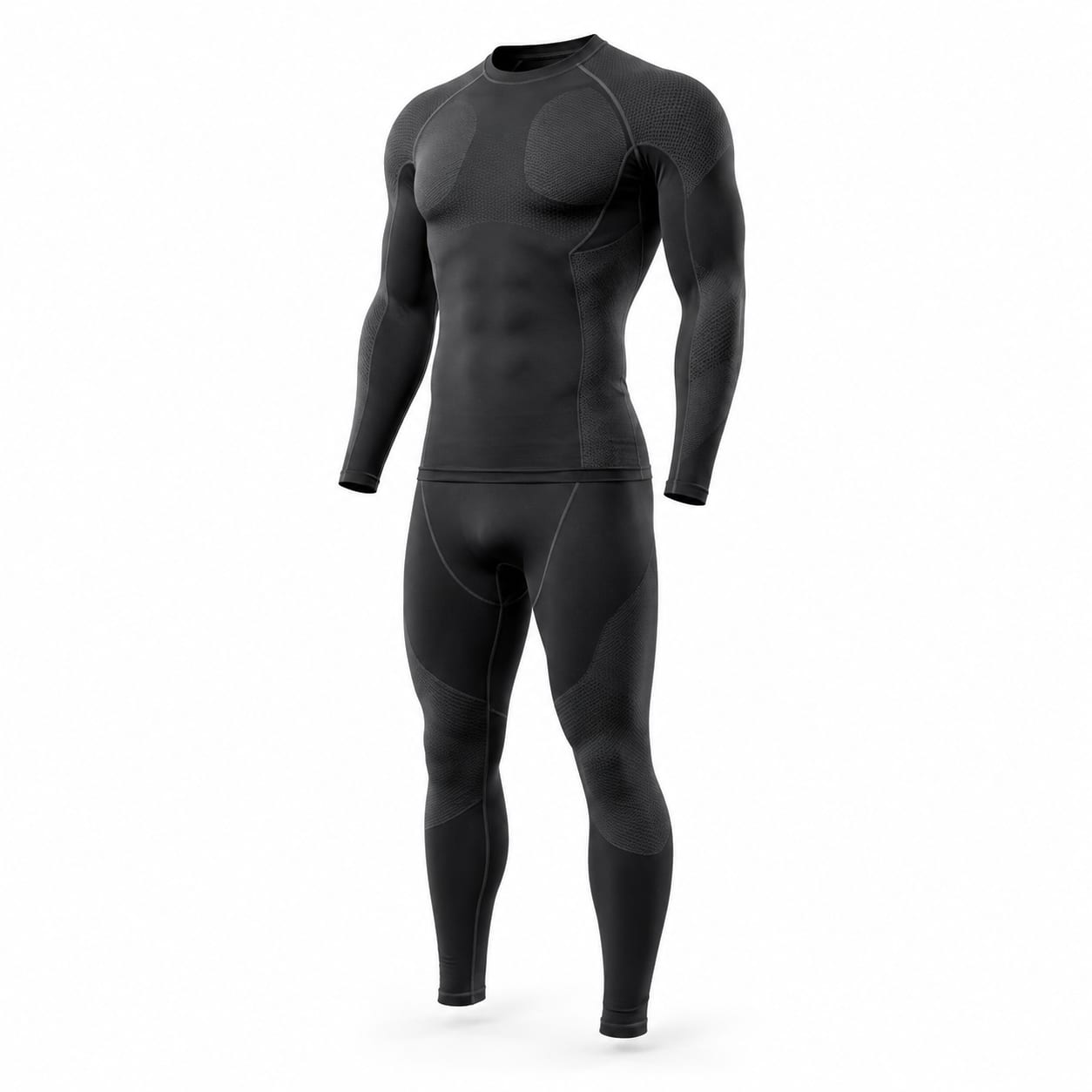
Fit considerations change at heavyweight levels. The thicker fabric means less natural conformability, so features like 4-way stretch (typically from 3–5% elastane content) become more important for maintaining mobility. Body-mapped construction is particularly valuable here, allowing manufacturers to place lighter, more breathable mesh zones under the arms and along the back while keeping heavy insulation at the core, kidneys, and thighs. Without these ventilation zones, heavyweight base layers can create a sauna effect during any period of exertion, leading to sweat accumulation that freezes when you stop moving. The best designs balance maximum warmth with strategic breathability, recognizing that even in extreme cold, the human body generates significant heat during active skiing.

Quick facts

Primary purpose
Maximum thermal insulation for extreme cold conditions and low-activity or cold-sensitive skiers
Popular brands
SmartwoolIcebreakerMinus33Hot ChillysDuofold
Typical terrain
extreme cold conditionsdeep winter resort skiinghigh altitude

What makes it different

Maximum warmth in the base layer category; sacrifices some breathability for insulation

Recommended ranges

How this type usually specs out

Each spec is explained in plain language, then we show what buyers usually look for on this type.

Material Type

Material Type

What it means

The primary fabric composition of the base layer, which determines moisture management, odor resistance, warmth, durability, and care requirements.

Typical for this type

Merino Wool Or Wool Blend

In practice

Heavyweight base layers are most commonly made from merino wool or wool-synthetic blends. Merino's natural crimp creates exceptional dead air space at higher fabric weights, and its ability to retain warmth when damp is a critical safety feature in extreme cold. Wool blends (typically 60–80% merino with polyester or nylon) add durability that pure merino lacks at these thicknesses.

Compared to other types

Lightweight and midweight base layers have more viable synthetic options because their thinner fabric dries quickly enough to offset synthetics' clammy feel. At heavyweight levels, merino's warm-when-wet property becomes significantly more valuable, making it the dominant material choice.

Why it matters: At heavyweight levels, pure merino is more prone to pilling and seam failure due to the thicker, heavier fabric. Blends mitigate this while preserving most of merino's warmth and odor resistance. Pure synthetic heavyweight options exist but are less common and less comfortable when damp.

Weight Class

Weight Class

What it means

The fabric weight category, which correlates with warmth, bulk, and intended temperature range. Measured in grams per square meter (g/m²) of fabric.

Typical for this type

260–350 g/m²

Most common pick: Heavyweight

In practice

Heavyweight base layers use fabric in the 260–350 g/m² range, which is substantially thicker and warmer than all other categories. This fabric weight provides maximum insulation for base layer applications and is intended for temperatures below 0°F (-18°C).

Compared to other types

Midweight base layers (180–260 g/m²) are the most common ski-specific weight and cover the 0–20°F range. Lightweight (130–180 g/m²) covers 20–35°F. Heavyweight is the only option that provides adequate base layer warmth below 0°F without relying entirely on mid-layer insulation.

Why it matters: The heavy fabric weight is what defines this subcategory and enables its extreme cold performance. However, it also means reduced breathability and more bulk—this weight is too warm for active skiing above roughly 10°F without exceptional ventilation.

Fit Type

Fit Type

What it means

How closely the garment conforms to the body, affecting moisture wicking efficiency, layering compatibility, and freedom of movement.

Typical for this type

Slim Or Regular

In practice

Heavyweight base layers are most commonly offered in slim or regular fits. The thicker fabric naturally creates more bulk than lighter weights, so a slim fit helps maintain efficient skin contact for moisture wicking while still allowing room for the fabric's loft. Some brands default to regular fit at this weight to avoid feeling restrictive.

Compared to other types

Lightweight and midweight base layers almost always use slim or compression fits because their thin fabric conforms easily. Heavyweight's bulk makes compression fits impractical and can make slim fits feel snugger than expected—consider sizing up if between sizes.

Why it matters: Fit is a balancing act at heavyweight levels—too tight and the fabric's insulating loft gets compressed, reducing warmth; too loose and air gaps reduce wicking efficiency and create cold spots. Slim with stretch is the ideal combination.

Top Style

Top Style

What it means

The neckline and design of the upper-body base layer, affecting ventilation, layering, and comfort.

Typical for this type

Zip Neck Half Or Hooded

In practice

Half-zip mock necks are the most common top style for heavyweight base layers because they provide crucial adjustable ventilation—even in extreme cold, you will overheat during exertion and need to dump heat quickly. Hooded options are also popular in this weight class for maximum warmth coverage.

Compared to other types

Lightweight base layers often use crew necks because overheating is less of a concern. Midweight layers favor half-zips. Heavyweight uniquely benefits from both half-zip (for ventilation) and hooded (for maximum coverage) options, depending on whether the rider prioritizes temperature regulation or total warmth.

Why it matters: The ability to unzip for ventilation is more important in heavyweight base layers than any other category because the risk of overheating is highest. A hooded style adds significant warmth for the head and neck, which is valuable in extreme cold but requires helmet compatibility consideration.

Bottom Style

Bottom Style

What it means

The length and design of the lower-body base layer, affecting coverage, layering, and boot compatibility.

Typical for this type

Full Length Or Three Quarter

In practice

Full-length bottoms are the default for heavyweight base layers because maximum leg coverage is the priority in extreme cold. However, 3/4 length remains a viable option for skiers concerned about boot fit, since ski socks will cover the exposed lower calf.

Compared to other types

Lightweight and midweight bottoms are increasingly offered in 3/4 length as skiers prioritize boot comfort. Heavyweight skews toward full length because the extreme-cold use case prioritizes maximum coverage over boot convenience.

Why it matters: In sub-zero conditions, every inch of exposed skin matters. Full-length bottoms with stirrups ensure no gap between your base layer and socks. However, if you have sensitive feet or boot fit issues, the 3/4 length eliminates potentially problematic bunching inside the boot.

Moisture Wicking

Moisture Wicking

What it means

The garment's ability to pull perspiration away from the skin and spread it across the fabric surface for evaporation. Critical for staying dry and warm during active skiing.

Typical for this type

Good Or Moderate

In practice

Heavyweight base layers typically offer good moisture wicking, though not the excellent rating of thinner synthetics. The thicker fabric absorbs more moisture before transporting it, and the denser knit structure slows capillary action compared to lightweight grid fabrics. Merino heavyweight layers absorb moisture into the fiber rather than just transporting it, which feels less clammy but means the garment holds more water.

Compared to other types

Lightweight synthetics achieve excellent moisture wicking through thin, open fabric structures. Heavyweight layers sacrifice some wicking speed for insulation—the trade-off is inherent to the category. This is why ventilation features (half-zips, body mapping) are more critical at this weight.

Why it matters: Moisture management is the Achilles' heel of heavyweight base layers. During active skiing, you will sweat into this thick fabric, and if the moisture isn't managed effectively, you'll be wearing a cold, damp layer when you sit on the lift. Body-mapped ventilation zones help mitigate this.

Odor Resistance

Odor Resistance

What it means

The garment's ability to resist bacterial growth and associated odors over multiple wears. Affects how many days you can wear the base layer between washes on multi-day trips.

Typical for this type

Excellent Or Good

In practice

Heavyweight base layers achieve excellent odor resistance when made from merino wool, which is the dominant material in this category. The natural antimicrobial properties of merino are especially valuable at heavyweight levels because the thick fabric holds more moisture and creates a better environment for bacterial growth—yet merino still resists odor effectively for 5+ days of wear.

Compared to other types

All merino base layers offer excellent odor resistance regardless of weight class. However, the practical impact is greatest for heavyweight layers because they're used in the most demanding multi-day scenarios and their thickness makes packing spares more burdensome.

Why it matters: Heavyweight base layers are often used on multi-day cold-weather trips (backcountry huts, ski patrol weeks, extended resort stays) where laundry isn't available. Excellent odor resistance means you can pack fewer heavy layers and still stay comfortable in close quarters.

Seam Construction

Seam Construction

What it means

The type and placement of seams, which affect chafing potential, durability, and comfort under layers and gear.

Typical for this type

Flatlock Or Seamless

In practice

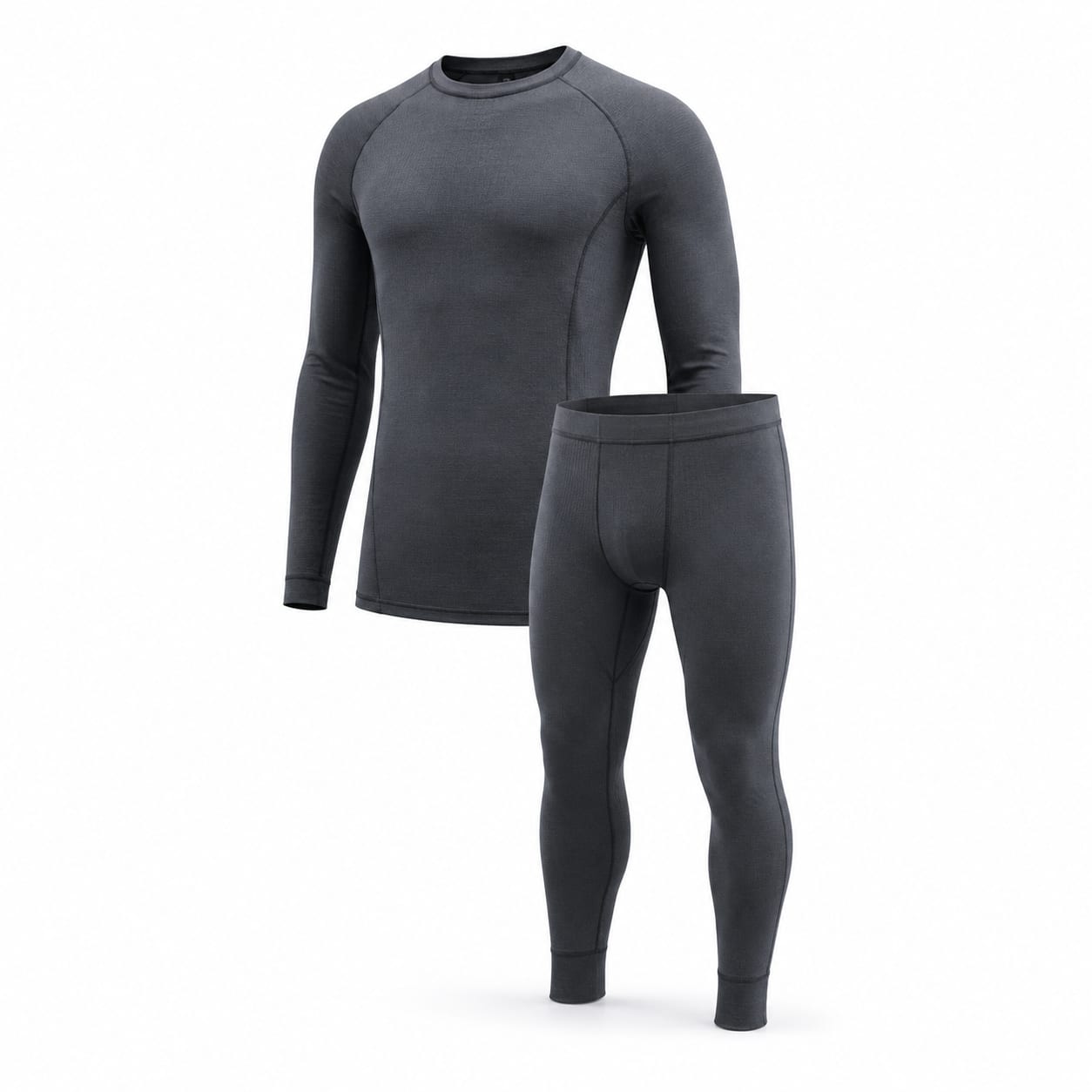
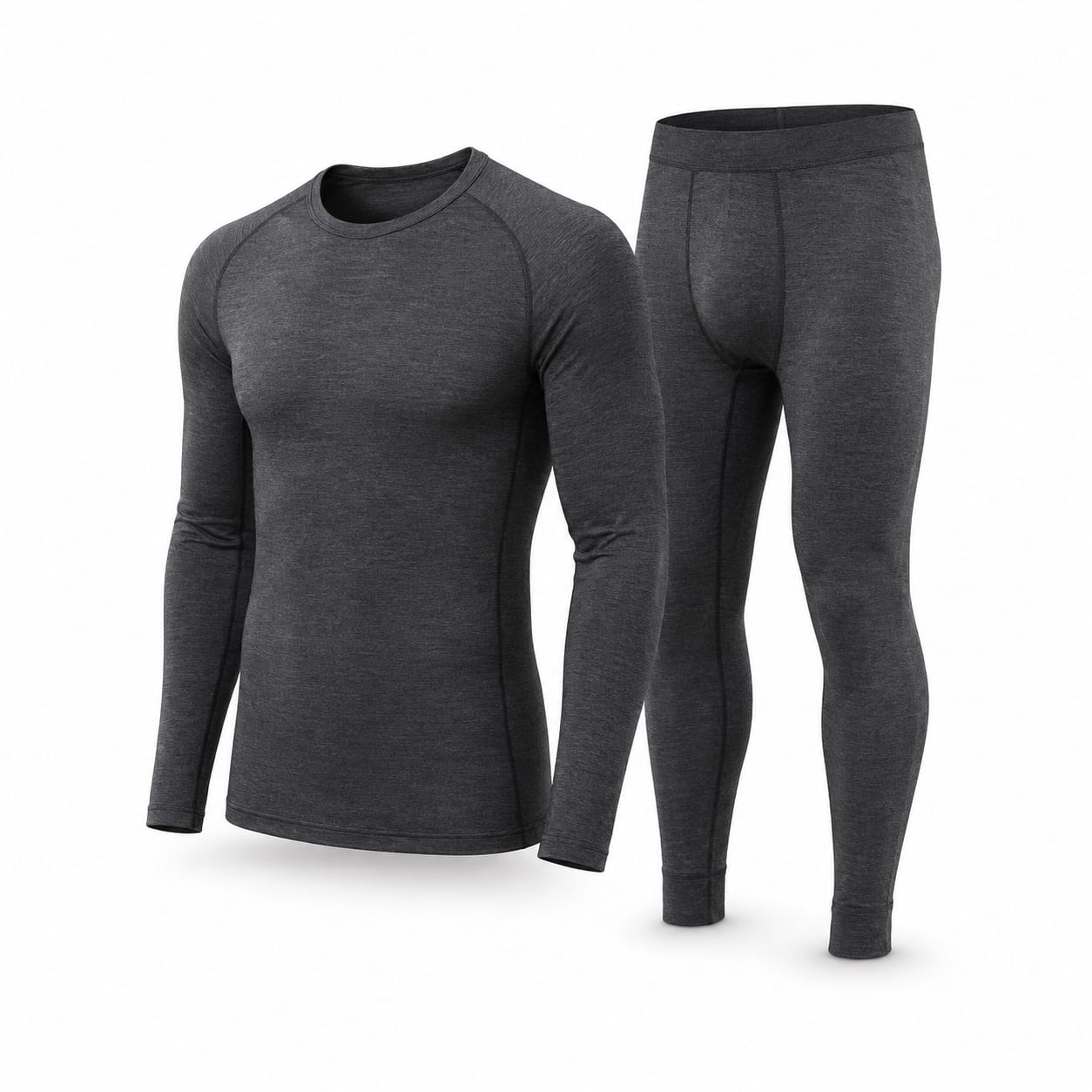
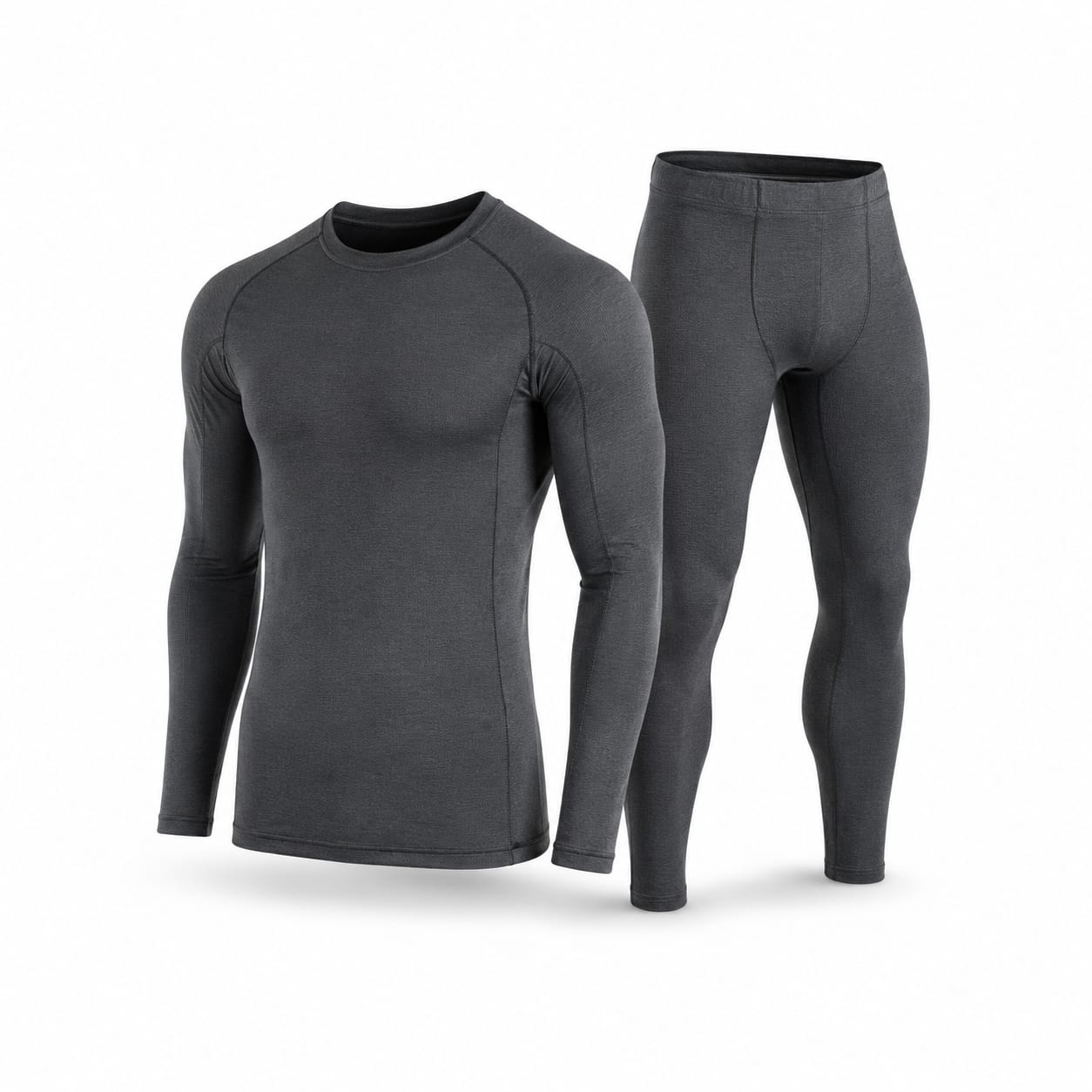
Flatlock seams are the standard for quality heavyweight base layers. The thicker fabric makes seam bulk more noticeable than in lightweight layers, so flatlock's low-profile construction is important for comfort under additional layers. Seamless construction is available in some premium heavyweight options and eliminates chafing entirely.

Compared to other types

Seam construction matters more at heavyweight levels because the fabric itself is thicker, making any seam more prominent. Lightweight layers can sometimes get away with simpler seam construction because the thin fabric creates less bulk at stitch lines.

Why it matters: At heavyweight thickness, seam bulk is amplified—overlock seams that might be tolerable in lightweight fabric become genuinely uncomfortable under the pressure of ski pants, boots, and pack straps. Flatlock or better is essential.

Stretch

Stretch

What it means

The garment's ability to stretch and recover, affecting freedom of movement and long-term fit retention.

Typical for this type

Four Way Or Two Way

In practice

Heavyweight base layers most commonly feature 2-way stretch, though premium options increasingly offer 4-way stretch via elastane blends (typically 3–5%). The thick fabric has less natural give than lighter weights, so added stretch is more important for maintaining mobility. Pure merino heavyweight without stretch tends to bag out significantly by end of day.

Compared to other types

Lightweight base layers often achieve adequate mobility through thin, flexible fabric alone. Midweight layers benefit from stretch but can function without it. Heavyweight layers genuinely need stretch to perform well—the thick fabric has too little natural give for skiing movements without it.

Why it matters: The combination of thick fabric and dynamic skiing movements means stretch is more critical in heavyweight layers than the fabric weight alone would suggest. Without stretch, heavyweight base layers can feel restrictive during deep turns, moguls, or any activity requiring full range of motion. Elastane content also helps the garment recover its shape after a day of wear.

Gender

Gender

What it means

The intended gender fit of the garment, which affects cut, proportions, and anatomical features.

Typical for this type

Gender-Specific (Mens Or Womens)

In practice

Heavyweight base layers should always be purchased in gender-specific fits. The thick fabric makes poor fit more consequential—bunching, gaps, and restricted movement are all amplified by the fabric's bulk. Women's-specific cuts with proper hip and waist proportions are especially important because heavyweight fabric doesn't drape or conform as readily as thinner materials.

Compared to other types

Fit precision matters at every weight class, but the consequences of poor fit are more severe in heavyweight layers because the fabric is less forgiving and the cold conditions it's designed for are less tolerant of any gap or bunching.

Why it matters: A heavyweight base layer that doesn't fit properly at the hips, waist, or shoulders will create cold gaps that defeat the purpose of the extreme warmth rating. The thick fabric can't simply be squeezed into place like a lightweight layer.

Warmth Rating

Warmth Rating

What it means

The perceived warmth level of the garment, combining material, weight, and construction into a single comparative metric.

Typical for this type

Extreme Or High

In practice

Heavyweight base layers deliver extreme warmth, which is their defining characteristic and primary reason for existence. The combination of thick 260–350 g/m² fabric, plush interior loft, and full body coverage creates the warmest possible base layer insulation. This is expedition-grade warmth for the coldest conditions.

Compared to other types

Lightweight provides light warmth for mild conditions, midweight provides moderate warmth for typical winter days, and high-warmth midweight covers cold days. Heavyweight's extreme rating is in a separate category entirely—it's too warm for most resort skiing above 10°F unless you're stationary or run very cold.

Why it matters: The extreme warmth rating is exactly what you need below 0°F, but it becomes a liability above roughly 15°F during any active skiing. Understanding this rating helps you match the layer to conditions—heavyweight is a specialized tool, not an upgrade from midweight for normal cold days.

Thumbholes

Thumbholes

What it means

Whether the top includes thumbholes at the cuff to keep sleeves in place and provide hand coverage during layering.

Typical for this type

True Preferred

In practice

Thumbholes are more common and more valuable in heavyweight base layers than in any other weight class. In extreme cold, the wrist is a vulnerable gap between glove and sleeve, and thumbholes ensure continuous coverage. They also prevent sleeve ride-up when pulling on mid-layers and jackets over the thick fabric.

Compared to other types

Thumbholes are a nice-to-have in lightweight and midweight layers but approach essential status in heavyweight base layers used in extreme cold. The combination of vulnerable wrist exposure and thick-sleeve management makes them significantly more valuable at this weight.

Why it matters: In sub-zero conditions, any exposed skin at the wrist becomes painfully cold quickly. Thumbholes eliminate this gap and add a surprising amount of perceived warmth. They also keep the heavy sleeves anchored when layering, which is more of an issue with thick fabric that tends to bunch.

Gusseted Crotch

Gusseted Crotch

What it means

Whether the bottom base layer includes a diamond or triangular fabric panel at the crotch for enhanced mobility and reduced seam stress.

Typical for this type

True Strongly Recommended

In practice

Gusseted crotches are particularly important in heavyweight base layer bottoms because the thick fabric restricts movement more than lighter weights. The diamond-shaped gusset panel eliminates the 4-seam intersection point that creates both restriction and chafing, and it allows a wider range of motion without stretching the fabric to its limits.

Compared to other types

Gusseted crotches benefit all base layer weights but are most impactful in heavyweight layers where the fabric's thickness creates more restriction. In lightweight layers, the thin fabric often has enough natural give to compensate. In heavyweight, the gusset is genuinely necessary for comfortable movement.

Why it matters: Heavyweight fabric has less natural give, so any restriction at the crotch seam is magnified. A gusset provides the extra fabric needed for deep bends, sitting on chairlifts, and snowboard-specific movements without stressing seams or restricting circulation.

Fly Type

Fly Type

What it means

The type of front opening on men's base layer bottoms, affecting convenience and comfort.

Typical for this type

Vertical Fly Or Horizontal Fly

In practice

Vertical fly openings are standard on men's heavyweight base layer bottoms, though horizontal flies are increasingly common in performance-oriented models for their lower profile under layers. The thick fabric makes fly bulk more noticeable than in lighter weights, so the horizontal fly's flat construction is a meaningful upgrade.

Compared to other types

Fly type has minimal performance impact across weight classes, but the bulk difference between vertical and horizontal flies is slightly more noticeable in heavyweight fabric due to the fabric's inherent thickness.

Why it matters: At heavyweight thickness, any additional fabric bulk at the front is more pronounced under ski pants and can create pressure points against a harness or tight waistband. Horizontal flies minimize this bulk, though the difference is subtle.

Body-Mapped Construction

Body-Mapped Construction

What it means

Whether the garment uses strategically placed fabric zones with different weights, textures, or knit structures to optimize warmth and breathability where needed.

Typical for this type

True Strongly Recommended

In practice

Body-mapped construction is more valuable in heavyweight base layers than in any other weight class because the risk of overheating during exertion is highest. Strategic mesh or lighter-weight zones under the arms, along the back, and behind the knees allow heat to escape during active skiing while maintaining heavy insulation at the core, kidneys, and thighs during rest periods.

Compared to other types

Body mapping is a nice upgrade in lightweight and midweight layers but approaches essential in heavyweight. The extreme warmth of heavyweight fabric makes unventilated zones a real problem, whereas lighter weights can dissipate heat more readily through the thinner fabric itself.

Why it matters: Without body mapping, a heavyweight base layer is a uniform sauna—you'll overheat during any exertion and then freeze when the sweat cools. Body mapping creates a more intelligent garment that provides warmth where you need it and ventilation where you sweat most. This feature can make the difference between a heavyweight layer being usable versus unbearable during active skiing.

UPF Rating

UPF Rating

What it means

Ultraviolet Protection Factor rating indicating how effectively the fabric blocks UV radiation. Relevant for high-altitude spring skiing.

Typical for this type

None Rated Acceptable

In practice

Most heavyweight base layers do not carry a UPF rating because they are designed for deep winter use when UV exposure is minimal. The thick, dense fabric naturally provides substantial UV protection by virtue of its density, but this is rarely formally rated. Merino wool at this weight inherently blocks most UV radiation.

Compared to other types

Lightweight base layers used for spring skiing benefit more from UPF ratings because they're worn in high-UV conditions at altitude. Heavyweight layers are a winter-only tool where UV is a minor concern.

Why it matters: UPF rating is largely irrelevant for heavyweight base layers because they're used in the coldest, shortest-day conditions when UV intensity is lowest. If you're skiing in extreme cold, sun protection is handled by sunscreen on exposed skin and UV-rated outer layers.

Waistband Type

Waistband Type

What it means

The style and construction of the waistband on bottom base layers, affecting comfort under layers and during movement.

Typical for this type

Wide Yoga Or Elastic

In practice

Wide yoga-style waistbands are increasingly common in heavyweight base layer bottoms because they distribute the pressure of the thick fabric more comfortably and lay flat under ski pants. Traditional elastic bands can dig in more noticeably at heavyweight thickness, creating discomfort under layers and a visible line under fitted ski pants.

Compared to other types

Waistband comfort matters at all weight classes, but the heavier fabric of heavyweight bottoms makes waistband quality more noticeable. A narrow elastic band that works fine with lightweight fabric may dig in or roll under the weight of 300 g/m² fabric.

Why it matters: The thick fabric of heavyweight bottoms creates more downward pull on the waistband, making a comfortable, secure waistband more important. Wide yoga bands distribute this pressure and prevent the rolling that elastic bands can experience under heavy fabric.

Evaluation

Strengths and trade-offs

Pros

What this type does best

Maximum insulation for extreme cold

Critical

Heavyweight base layers provide the highest warmth output of any base layer category, making them essential for sub-zero temperatures where all other layers would leave you shivering. The thick, plush fabric traps exceptional dead air space against the skin.

Warm even when damp

Critical

Merino-dominated heavyweight layers retain roughly 80% of their insulating value when wet, which is a critical safety advantage in extreme cold. Unlike synthetics that feel clammy and cold when damp, merino heavyweight continues to insulate.

Superior comfort for long lift rides

High

The plush, brushed interior of heavyweight base layers feels luxurious against the skin and provides consistent warmth during long, cold chairlift rides where you're generating minimal body heat. This is where heavyweight truly outperforms all other options.

Excellent odor resistance for multi-day use

High

Because heavyweight layers are predominantly merino, they offer 5+ days of odor-free wear—essential for multi-day backcountry hut trips, extended patrol shifts, or week-long ski vacations without daily laundry access.

Can replace a mid-layer in some systems

Medium

In extreme cold with a well-insulated jacket, a heavyweight base layer can sometimes eliminate the need for a separate mid-layer, simplifying your layering system and reducing bulk. This is especially true with body-mapped heavyweight designs.

Emergency warmth margin

Medium

Even if conditions don't require heavyweight warmth all day, having it available provides a safety margin for unexpected weather changes, equipment failures, or injury situations where you're immobilized in the cold.

Cons

Trade-offs to be aware of

Overheating during active skiing

Significant

Heavyweight base layers will cause rapid overheating during any sustained physical activity above roughly 10°F. The extreme warmth that makes them essential in sub-zero conditions becomes a liability during active skiing, leading to sweat saturation that can freeze when you stop.

Bulk under layers

Moderate

The thick 260–350 g/m² fabric adds noticeable bulk under mid-layers and ski pants, which can restrict movement, make layering difficult, and create a stiff feeling compared to sleeker lightweight or midweight options. This is especially noticeable in the knees and elbows.

Slow drying time

Moderate

Heavyweight base layers absorb significantly more moisture than lighter options and take considerably longer to dry. A sweat-soaked heavyweight merino layer may not dry overnight at room temperature, making it difficult to reuse the next day on multi-day trips.

Limited versatility

Moderate

Heavyweight base layers are appropriate for a narrow range of conditions—roughly below 10°F for active skiing or below 20°F for sedentary riding. Outside these conditions, they're too warm, making them a specialized tool rather than an everyday piece.

Higher cost

Minor

Heavyweight base layers use substantially more fabric than lighter options, and the dominant merino wool material is already premium-priced. Expect to pay 30–50% more than equivalent midweight options from the same brand.

Durability concerns with pure merino

Minor

Pure merino wool at heavyweight thickness is more prone to pilling, seam stress, and fabric breakdown than synthetic or blended alternatives. The weight of the fabric puts more stress on seams, and the thick wool fibers are more susceptible to abrasion.

Best for

Terrain

Interior British Columbia and Canadian RockiesNorthern New England resortsHigh-altitude Alpine skiingBackcountry hut tripsIce climbing approaches

Snow conditions

Sub-zero temperatures (<0°F / -18°C)Extreme wind chillLong, exposed chairlift ridesEarly morning pre-dawn startsStationary observation or instruction

Skill level

Intermediate riders who run coldAdvanced skiers in extreme conditionsProfessional ski patrolBackcountry guides

Riding style

Slow-paced scenic skiingLift-focused resort ridingBackcountry touring in extreme coldSki patrol and professional outdoor work

Rider profile

Riders who run cold naturallySki patrol professionalsBackcountry skiers on multi-day tripsOlder skiers with lower metabolic heat productionParents standing at the base watching kids' lessons

Not ideal for

Reasons

Will overheat rapidly during high-output activitiesToo warm for any skiing above 20°F if you run hotBulk restricts the dynamic movement needed for park and mogulsSlow drying means sweat accumulation becomes a real problem during aggressive skiingCost is hard to justify for occasional extreme-cold use

Terrain

Spring skiing conditionsWarm coastal resorts (Pacific Northwest, California)Indoor ski facilities

Skill level

Beginners who are working hard and sweating heavilyAggressive experts who generate high body heat

Riding style

Park and pipe ridingCompetitive racingHigh-output backcountry touring in moderate tempsMogul skiing

Compare

How it stacks up

This page

Heavyweight Base Layers

Significantly warmer for sub-zero conditions; plush interior feels more comfortable against the skin; better warmth retention when damp; eliminates the need for a mid-layer in some layering systems.

Alternative

Midweight Base Layers

Far more versatile across normal winter temperatures (0–20°F); better breathability during active skiing; less bulk under layers; faster drying; lower cost; appropriate for a wider range of conditions and activity levels.

Bottom line

Choose midweight unless you regularly ski in temperatures below 0°F or run exceptionally cold. Midweight is the right choice for 80%+ of skiers. Reserve heavyweight for genuinely extreme conditions.

This page

Heavyweight Base Layers

Dramatically warmer for cold conditions; provides actual insulation rather than just moisture management; comfortable during long periods of inactivity; essential safety equipment for extreme cold exposure.

Alternative

Lightweight Base Layers

Far superior breathability and moisture wicking; minimal bulk under layers; dries very quickly; appropriate for a wider temperature range (20–35°F+); lower cost; better for active skiing and hot sweaters.

Bottom line

These serve completely different purposes. Lightweight is for moisture management in moderate temps; heavyweight is for maximum insulation in extreme cold. Most skiers benefit from owning both and choosing based on conditions.

This page

Heavyweight Base Layers

Provides genuine insulation rather than just wicking; warm enough for cold lift rides; comfortable against the skin with plush interior; suitable for standalone use in cold conditions.

Alternative

Ultralight Base Layers

Maximum breathability for high-output activities; virtually no bulk under layers; packs down to nothing for travel; fastest drying; appropriate for spring skiing and touring.

Bottom line

Ultralight and heavyweight are opposites on the spectrum. Ultralight is for when you generate more heat than the environment steals; heavyweight is for when the environment steals heat faster than you generate it. Choose based on your typical conditions and activity level.

This page

Heavyweight Base Layers

Substantially warmer for extreme cold; thicker fabric provides more consistent insulation; better for sedentary activities in cold conditions; more robust warmth margin for safety.

Alternative

Wool-Synthetic Blend Midweight

Better balance of warmth and breathability; more durable than pure merino heavyweight options; faster drying; more versatile across temperature ranges; good compromise for riders who sometimes encounter cold but don't want dedicated extreme-cold gear.

Bottom line

If you ski in conditions that are sometimes very cold but not consistently sub-zero, a wool-blend midweight may be the smarter single purchase. Add heavyweight only if you regularly face extreme cold that midweight can't handle.

Shopping

Buying tips

  • 1

    Choose merino or merino-blend over pure synthetic for heavyweight layers—the warm-when-wet property is critical at this thickness and the odor resistance is essential for multi-day extreme-cold trips.

  • 2

    Prioritize body-mapped construction with ventilation zones under the arms and along the back. Without these, you'll overheat during any exertion and the layer becomes unusable for active skiing.

  • 3

    Get a half-zip or quarter-zip top for adjustable ventilation. The ability to dump heat quickly is more important in heavyweight than any other category because the overheating risk is highest.

  • 4

    Look for 3–5% elastane content for stretch. Heavyweight fabric without stretch feels noticeably restrictive and will bag out by end of day, losing its insulating fit.

  • 5

    Consider sizing up if you're between sizes, especially in pure merino. Heavyweight fabric fits snugger than equivalent sizes in lighter weights, and some shrinkage is possible with merino if not washed carefully.

  • 6

    If you only encounter extreme cold occasionally, consider a heavyweight top paired with a midweight bottom—your legs generate more heat during skiing and are less vulnerable to cold than your core.

  • 7

    Thumbholes are worth having in heavyweight tops. They prevent the thick sleeves from riding up when layering and seal the vulnerable wrist gap in extreme cold.

  • 8

    Check the return policy before buying heavyweight base layers online. The fit and warmth level are highly personal, and you may find that heavyweight is too warm for your typical conditions.

Care

Maintenance notes

  • Wash merino heavyweight base layers in cold water on a gentle cycle. Hot water will cause shrinkage, and the thick fabric is more susceptible because there's more wool fiber to contract.
  • Never put merino heavyweight layers in the dryer—always lay flat to dry. The thick fabric takes longer to dry but tumble drying will cause irreversible shrinkage and damage the plush interior loft.
  • Turn garments inside out before washing to protect the exterior face and reduce pilling. The brushed interior is durable, but the outer knit can pill from abrasion during washing.
  • Use a wool-specific detergent without enzymes, which can break down merino fibers over time. Regular detergent is acceptable for synthetic and blend options.
  • Store heavyweight base layers folded rather than hanging—the weight of the thick fabric can stretch garments over time, especially at the shoulders and waistband.
  • Address pilling promptly with a fabric shaver. Heavyweight merino is more prone to pilling than lighter weights, and pills can mat the fabric, reducing its insulating loft.
  • For multi-day trips, air out heavyweight layers between uses rather than stuffing them in a pack. The thick fabric holds moisture longer and needs more time to dry completely.
  • Consider having two heavyweight base layers for week-long trips if you're a heavy sweater—the slow drying time means a single layer may not dry overnight.

Progression

Skill development path

Heavyweight base layers are not tied to skiing skill level—they're tied to conditions and personal physiology. A beginner who runs cold and skis in Minnesota needs heavyweight more than an expert who runs hot and skis in Colorado. The key progression is learning to read your own thermal needs honestly. Many skiers buy heavyweight thinking 'warmer is better,' only to discover they overheat during active skiing. Start with midweight for your first season and add heavyweight only when you can articulate specific conditions where midweight leaves you cold. As you gain experience, you'll develop a personal temperature map that tells you exactly when to reach for heavyweight versus midweight, and you'll learn to use ventilation features (zips, body mapping) to manage the overheating that inevitably comes with this warmth level during transitions between active and sedentary periods.

FAQ

Common questions

Each question has a dedicated page with a full answer and links to the buying guide.

When should I choose heavyweight over midweight base layers?

Choose heavyweight when you regularly ski in temperatures below 0°F (-18°C), when you spend long periods stationary on lifts or at patrol stations, or when you naturally run very cold and midweight layers leave you shivering. If midweight keeps you comfortable on typical winter days, heavyweight is unnecessary and will cause overheating. A good test: if you're wearing midweight and still feel cold on the lift with a proper mid-layer and insulated jacket, heavyweight is the right choice.

Can I wear heavyweight base layers for backcountry touring?

Only in extreme cold (below 0°F) and only if you're doing a low-output approach. Heavyweight base layers will cause rapid overheating during the sustained climbing of backcountry touring, leading to sweat saturation that can be dangerous when you stop moving. For most backcountry touring, lightweight or midweight layers with good ventilation are safer choices. If you need heavyweight warmth, wear it for the descent and carry a lighter layer for the climb.

Is pure merino or a wool blend better for heavyweight base layers?

Wool blends (typically 60–80% merino with polyester or nylon) are generally the better choice for heavyweight base layers. The thick merino fabric is more prone to pilling, seam stress, and sagging than lighter weights, and the synthetic component in blends addresses these issues while preserving most of merino's warmth and odor resistance. Pure merino heavyweight has a slightly softer hand feel and marginally better odor resistance, but the durability trade-off is significant at this thickness.

How do I prevent overheating in heavyweight base layers?

Three strategies: First, choose a half-zip or quarter-zip top so you can dump heat quickly during exertion. Second, look for body-mapped construction with ventilation zones under the arms and along the back. Third, use the 'start cold' principle—when you step outside, you should feel slightly chilly in your heavyweight layer. You'll warm up within 5–10 minutes of activity. If you're comfortable standing in the parking lot, you'll be overheating on the first run.