
Wool blends (typically 60–80% merino with polyester or nylon) are generally the better choice for heavyweight base layers. The thick merino fabric is more prone to pilling, seam stress, and sagging than lighter weights, and the synthetic component in blends addresses these issues while preserving most of merino's warmth and odor resistance. Pure merino heavyweight has a slightly softer hand feel and marginally better odor resistance, but the durability trade-off is significant at this thickness.
Ski Underwear · Heavyweight Base Layers
Is pure merino or a wool blend better for heavyweight base layers?
Related gear types
If this answer nudged you toward a different style, these guides compare specs and trade-offs.
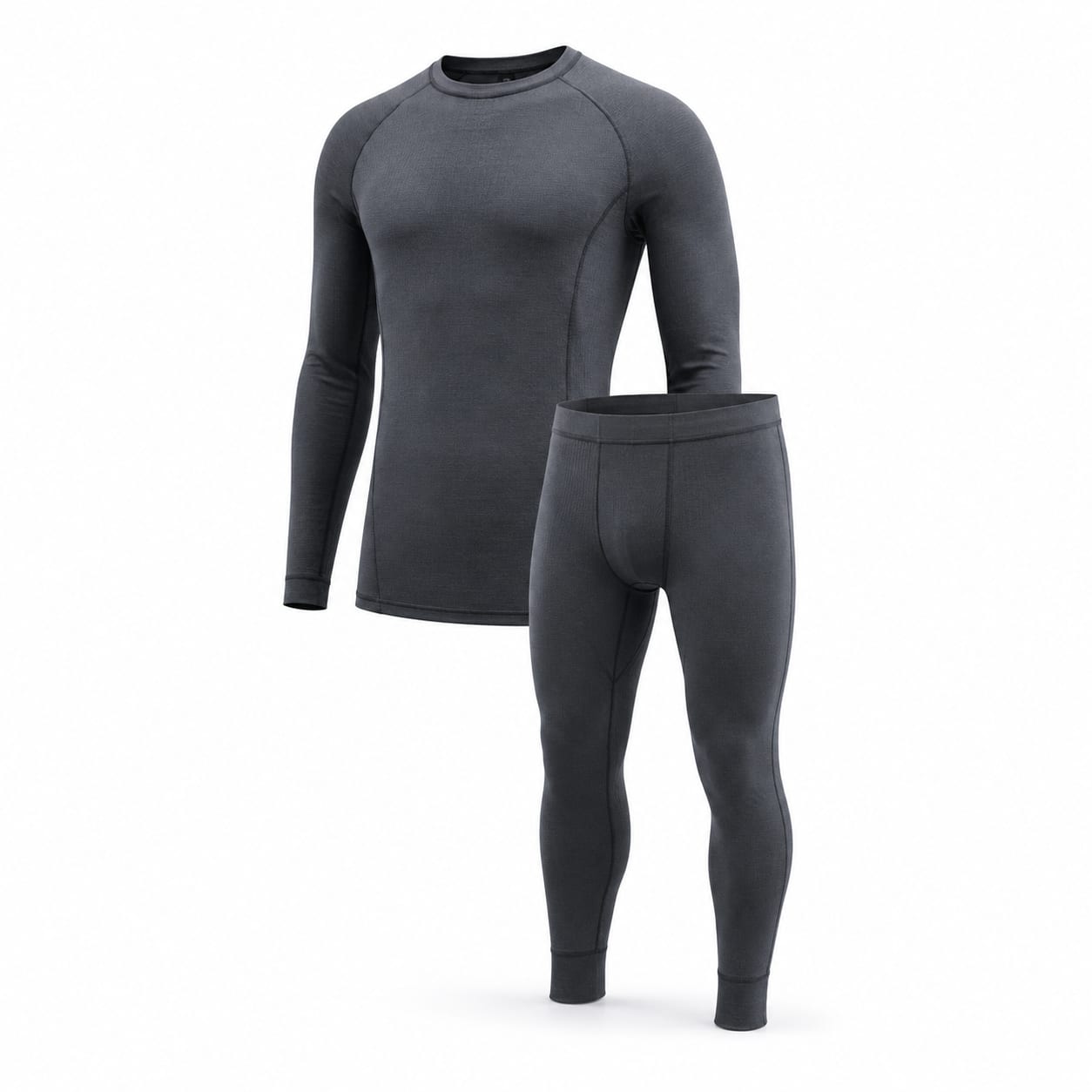
Midweight Base Layers
$35 – $130
Versatile, moderately insulated base layers that are the most popular choice for typical winter skiing conditions.
moderate insulationgood breathabilityeffective moisture wicking
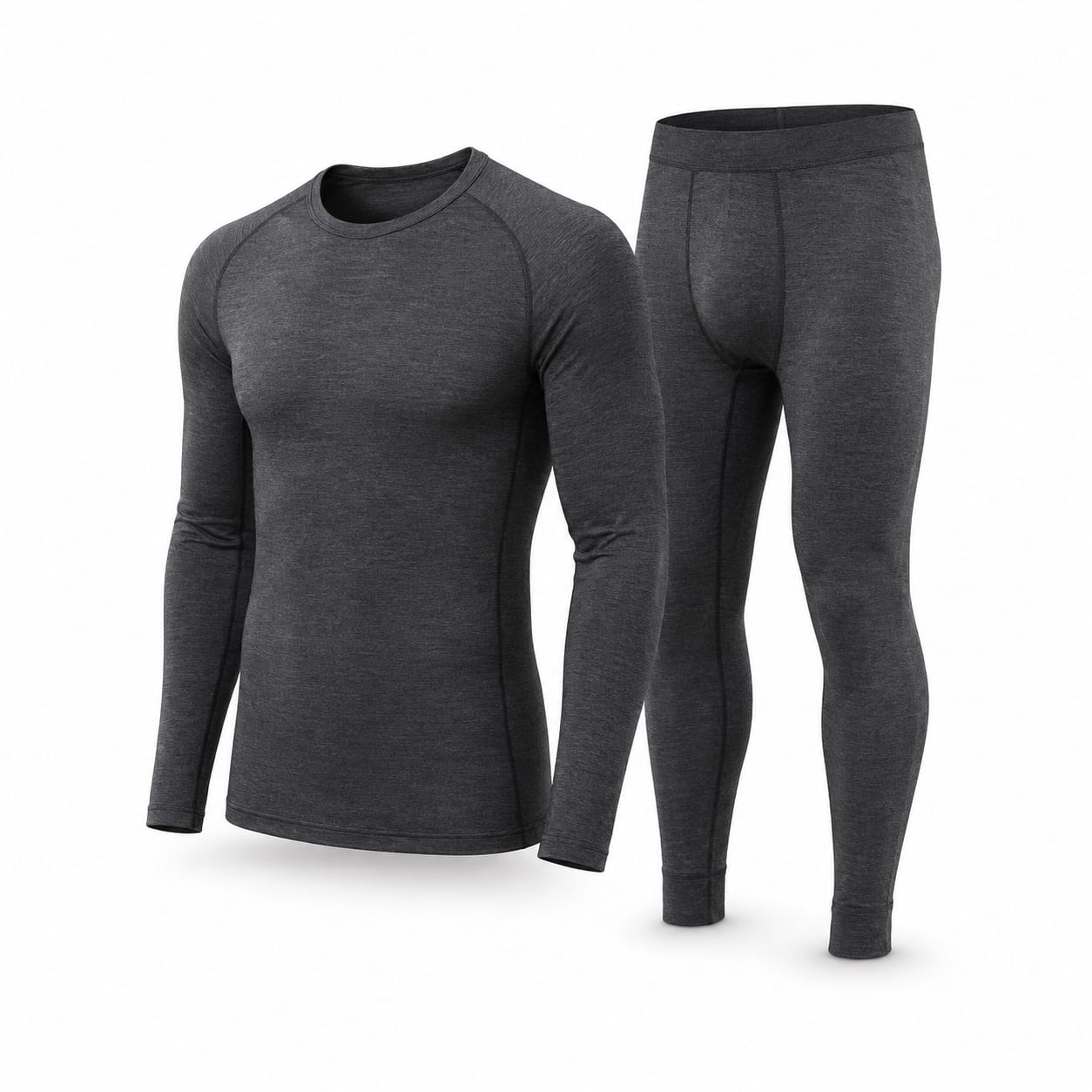
Merino Wool Base Layers
$50 – $200
Premium natural-fiber base layers prized for odor resistance, temperature regulation, and next-to-skin comfort.
natural odor resistanceexcellent thermoregulationsoft next-to-skin feel
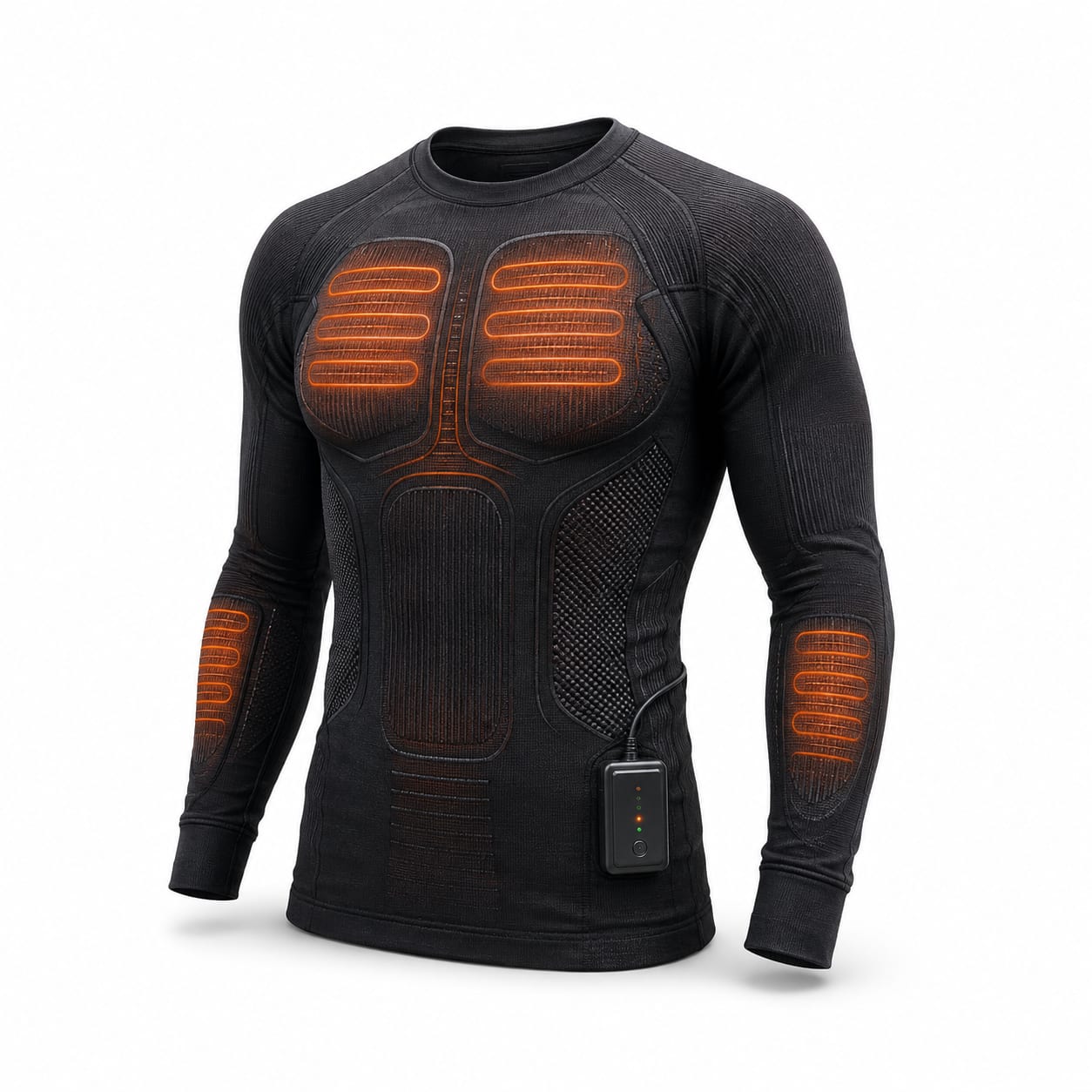
Heated Base Layers
$80 – $300
Battery-powered base layers with integrated heating elements for adjustable, on-demand warmth.
integrated heating elementsrechargeable batteryadjustable heat settings
More questions
- When should I choose heavyweight over midweight base layers?
- Can I wear heavyweight base layers for backcountry touring?
- How do I prevent overheating in heavyweight base layers?
- Do I need heavyweight bottoms or just the top?