
Ski Underwear · FAQ
Questions about Merino-Synthetic Blend Base Layers
Straight answers on fit, specs, and when this type makes sense — each topic has its own page with links back to the buying guide.
Open Merino-Synthetic Blend Base Layers guide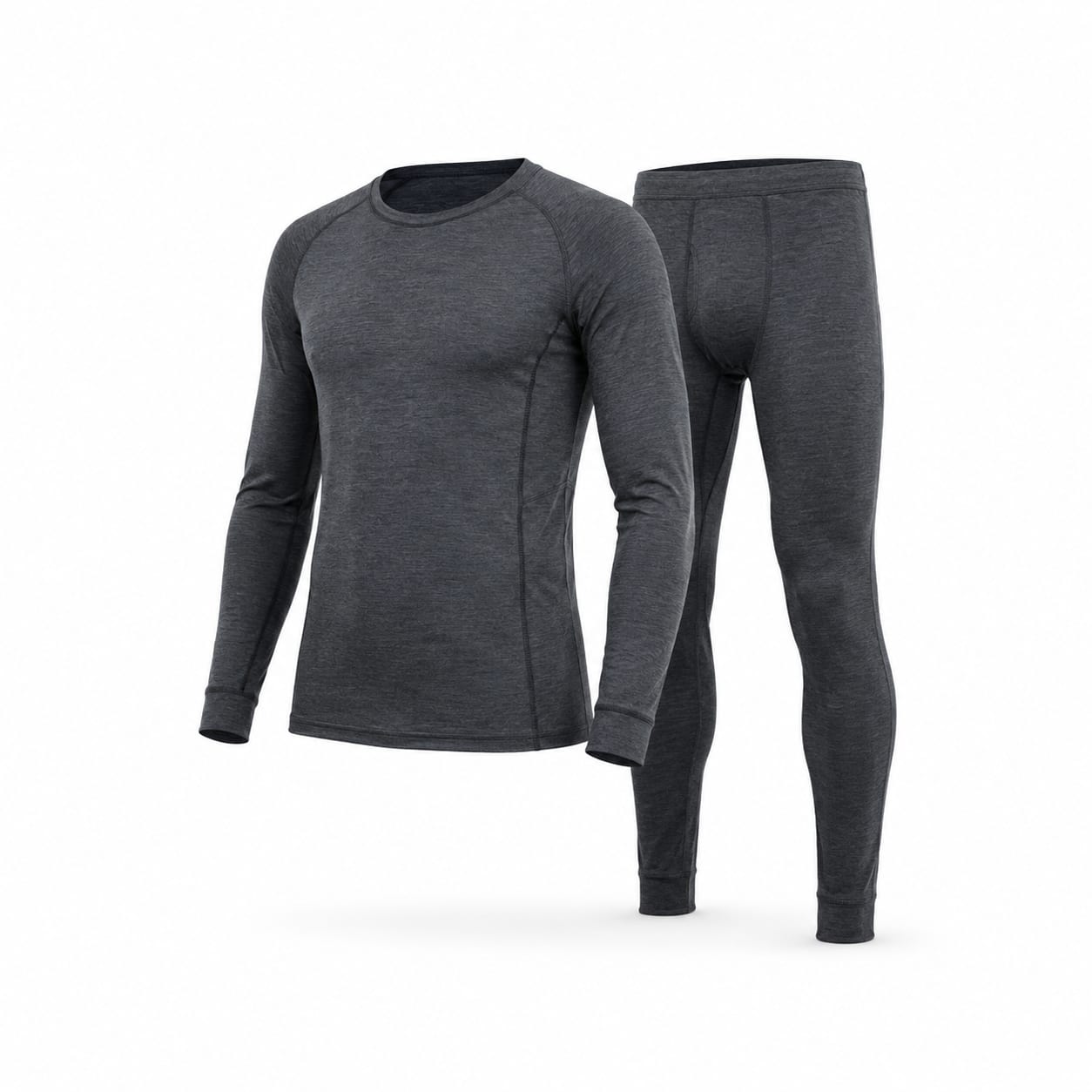
6 topics
Pick a question
Every answer links to the full subcategory guide and related gear types when it helps you decide.
What's the ideal merino-to-synthetic ratio for ski base layers?
For most skiers, a 50/50 to 55/45 merino-to-synthetic ratio offers the best balance. This provides enough merino for effective odor resistance (3–4 days) while the synthetic component ensures durability and wicking speed. If you prioritize odor resistance for multi-day trips, lean toward 60% merino. If durability and fast drying matter more, a 45% merino blend works well. Always check for 2–5% elastane content for stretch.
Read answer →02Can I wear a merino-synthetic blend base layer for a week-long ski trip without washing?
It's not recommended. Most blend base layers provide 3–4 days of effective odor resistance before becoming noticeable. For a week-long trip, pack two blend base layers and alternate them, allowing each to air out between wears. Alternatively, choose a pure merino base layer for trips exceeding 4 days, as it can go 5+ days before odor becomes an issue.
Read answer →03Are blend base layers worth the extra cost over basic synthetics?
If you ski 15+ days per season, yes. The odor resistance alone justifies the premium for multi-day trips—you can pack fewer base layers and avoid the social discomfort of synthetic odor. The durability advantage also means blends often have a lower cost-per-wear over their lifetime despite the higher upfront price. For occasional skiers (under 10 days per season), basic synthetics may be sufficient.
Read answer →04How do blend base layers compare to pure merino for people with sensitive skin?
Most people with sensitive skin find blend base layers comfortable, but pure merino is slightly softer against the skin due to its finer fiber structure. If you have very sensitive skin or wool sensitivity, test the blend against your inner arm before a full day of wear. Modern merino fibers in blends are typically ≤21 microns, which is below the itch threshold for most people. If pure merino feels comfortable, a quality blend likely will too.
Read answer →05Do blend base layers lose their odor resistance over time?
The merino component's natural antimicrobial properties are permanent—they come from the fiber's structure, not a chemical treatment. However, if detergent residue or fabric softener builds up on the fibers, it can reduce the merino's ability to manage moisture and odor. Washing with appropriate detergent and avoiding fabric softeners preserves odor resistance for the garment's lifetime. This is an advantage over synthetic base layers with silver-ion treatments, which do diminish with washing.
Read answer →06Should I choose a different weight class for blend base layers compared to pure merino or synthetic?
Generally, choose the same weight class you would in other materials. However, because blends regulate temperature slightly better than pure synthetics (due to merino's thermoregulation), some skiers find they can go one weight class lighter in a blend compared to pure synthetic. If you typically wear midweight synthetics, a lightweight blend might be sufficient. When in doubt, start with midweight—it's the most versatile option for typical winter skiing.
Read answer →