
For most skiers, a 50/50 to 55/45 merino-to-synthetic ratio offers the best balance. This provides enough merino for effective odor resistance (3–4 days) while the synthetic component ensures durability and wicking speed. If you prioritize odor resistance for multi-day trips, lean toward 60% merino. If durability and fast drying matter more, a 45% merino blend works well. Always check for 2–5% elastane content for stretch.
Ski Underwear · Merino-Synthetic Blend Base Layers
What's the ideal merino-to-synthetic ratio for ski base layers?
Related gear types
If this answer nudged you toward a different style, these guides compare specs and trade-offs.
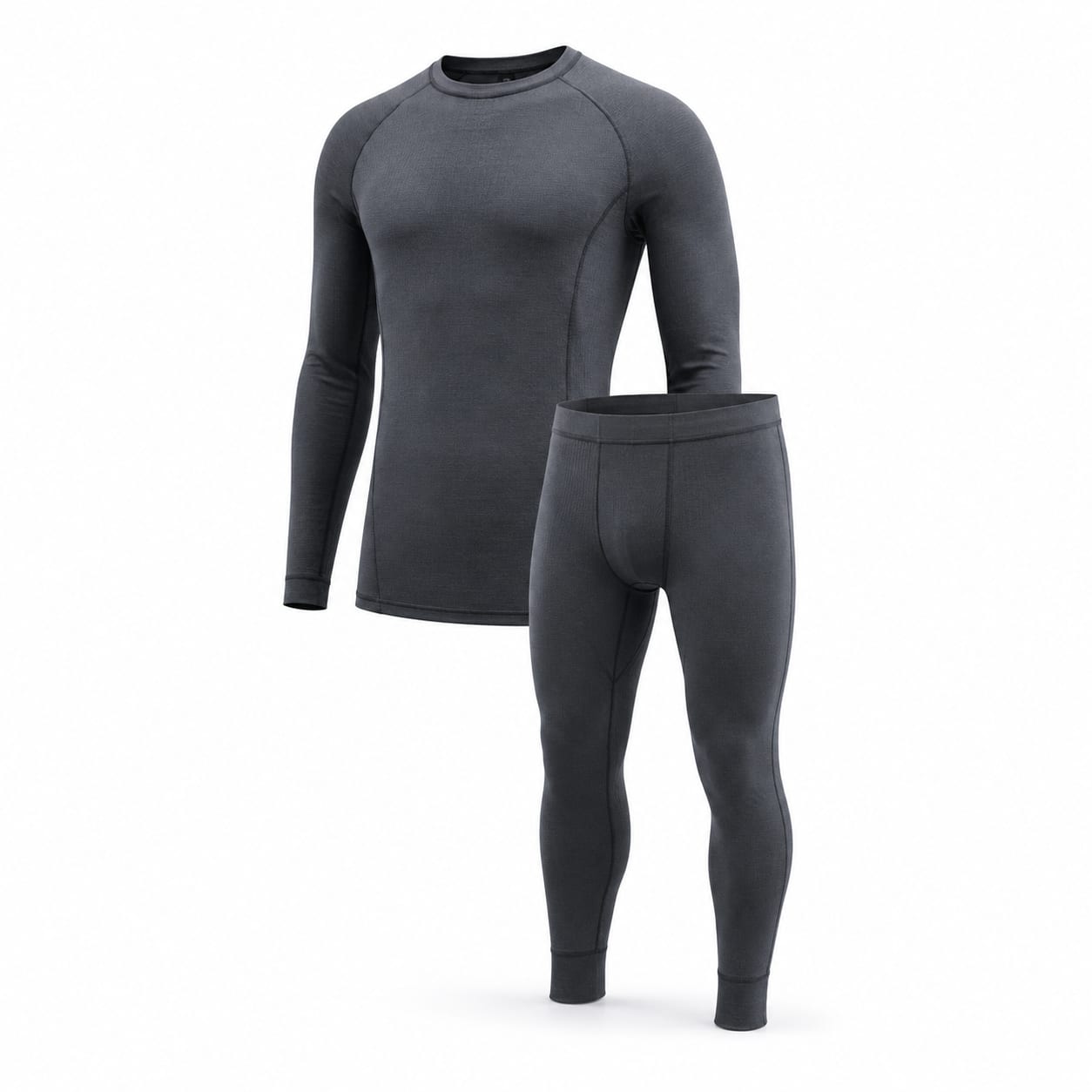
Midweight Base Layers
$35 – $130
Versatile, moderately insulated base layers that are the most popular choice for typical winter skiing conditions.
moderate insulationgood breathabilityeffective moisture wicking
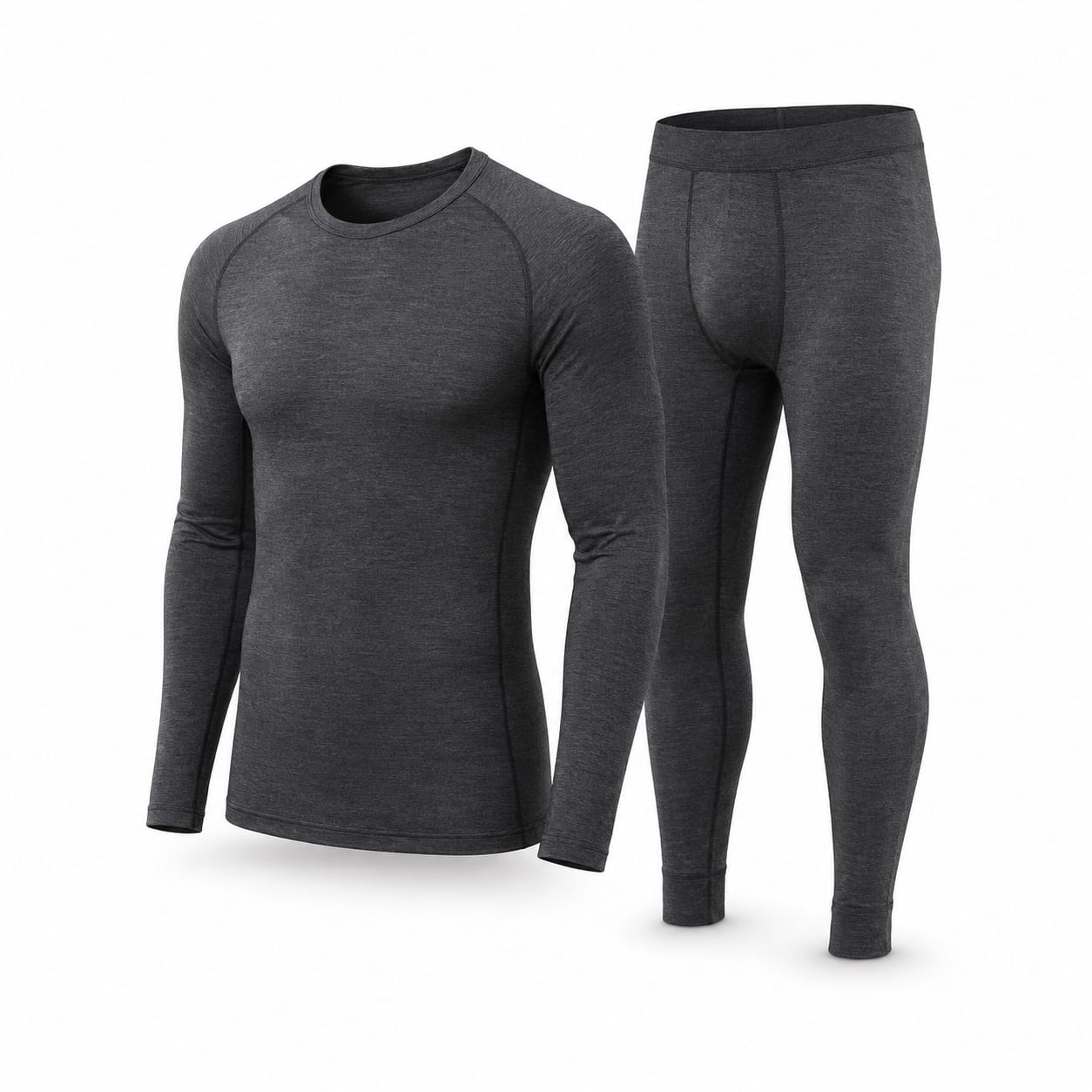
Merino Wool Base Layers
$50 – $200
Premium natural-fiber base layers prized for odor resistance, temperature regulation, and next-to-skin comfort.
natural odor resistanceexcellent thermoregulationsoft next-to-skin feel
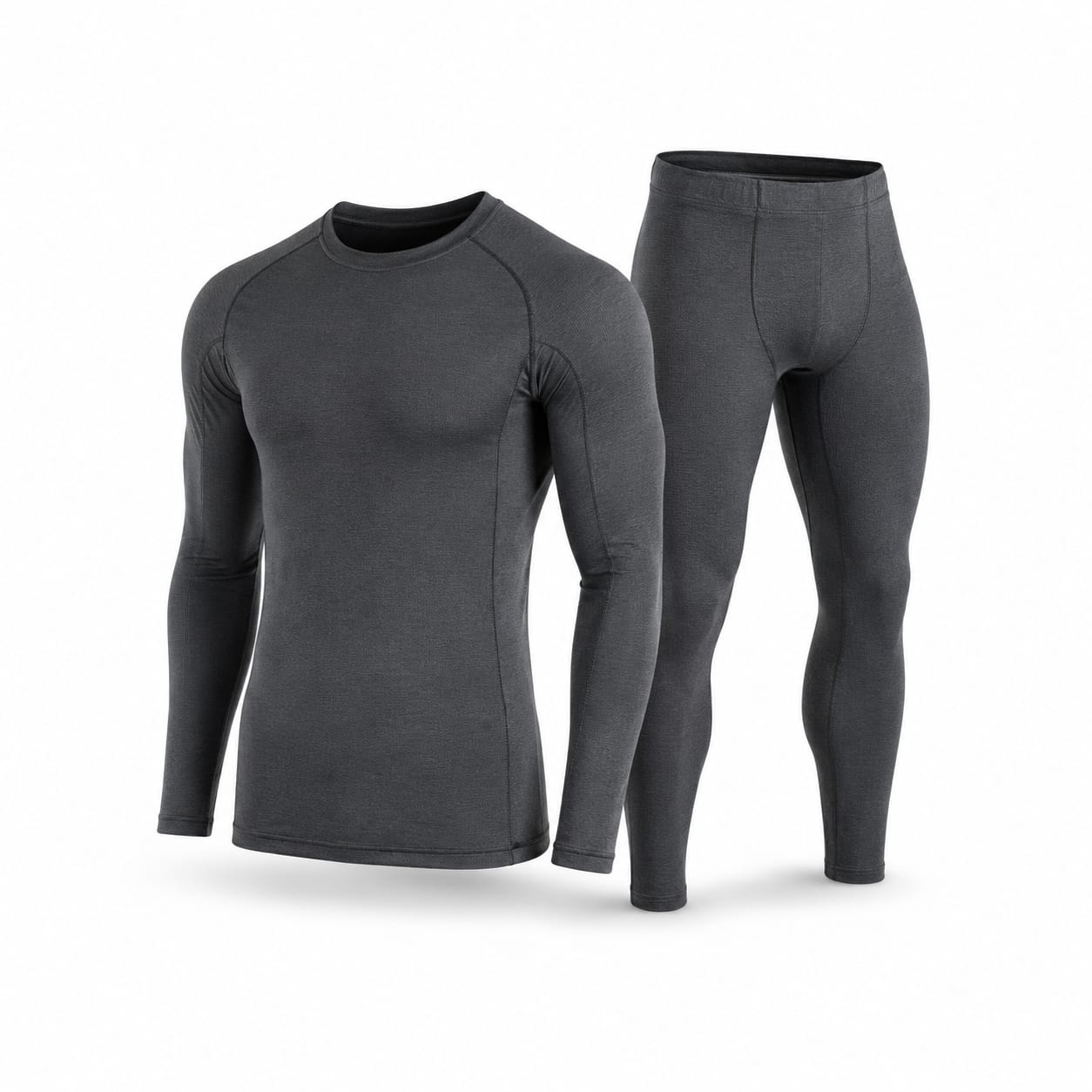
Synthetic Base Layers
$20 – $80
Budget-friendly, quick-drying base layers made from polyester or polypropylene for reliable moisture management.
rapid dryinghighly durableaffordable
More questions
- Can I wear a merino-synthetic blend base layer for a week-long ski trip without washing?
- Are blend base layers worth the extra cost over basic synthetics?
- How do blend base layers compare to pure merino for people with sensitive skin?
- Do blend base layers lose their odor resistance over time?