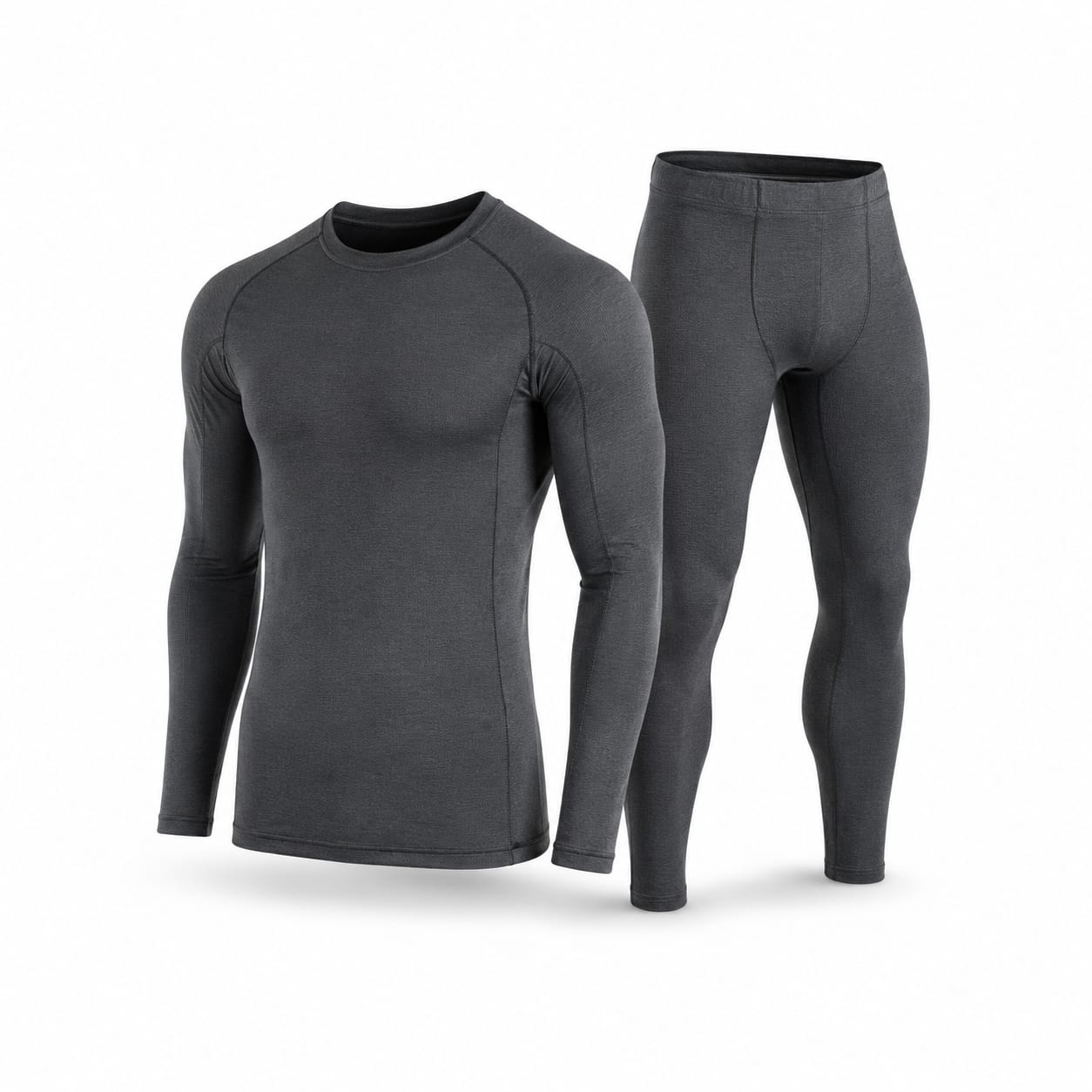
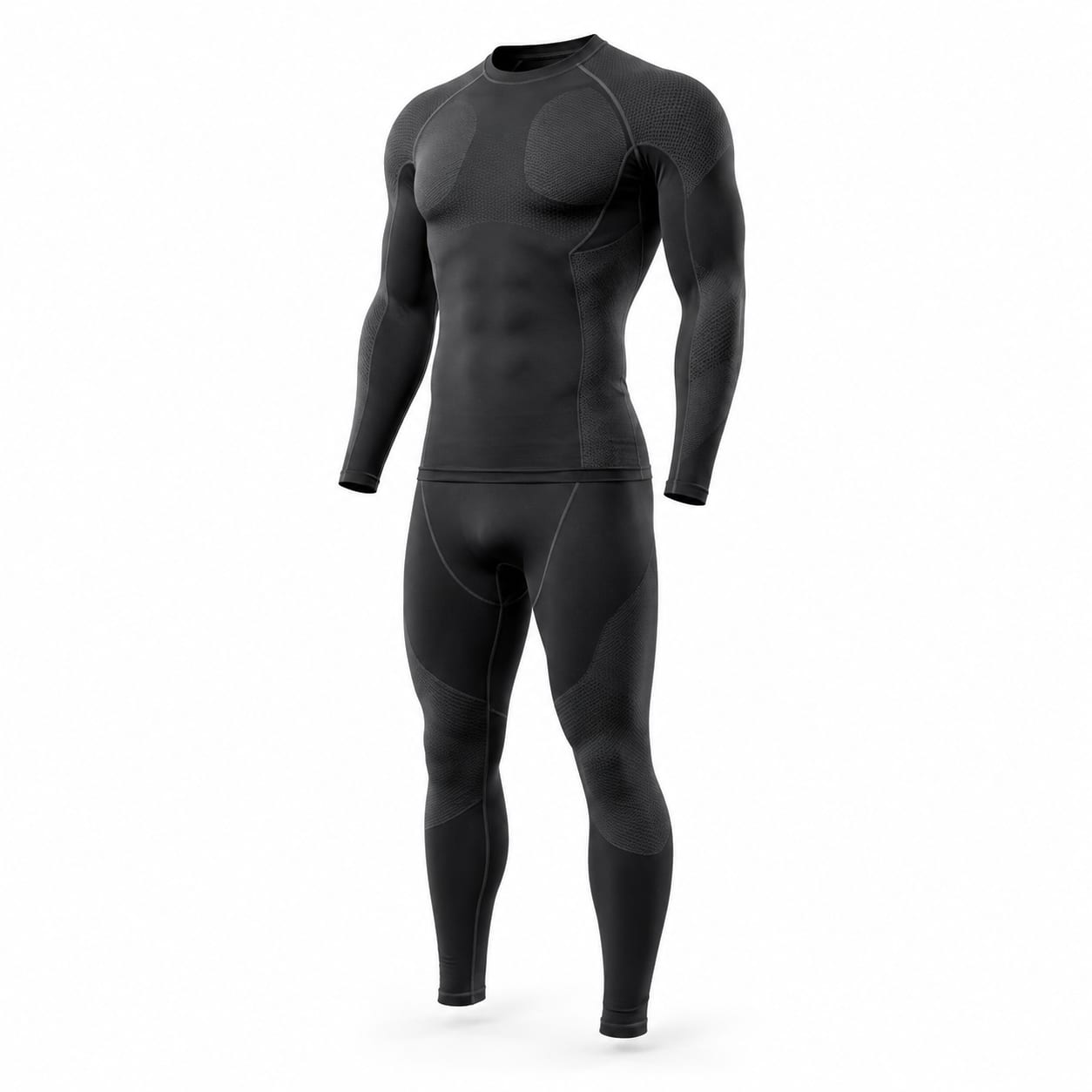
Kitvore.com

Kitvore.com

Specs that matter. Gear that fits.

Ski Underwear · Subcategory

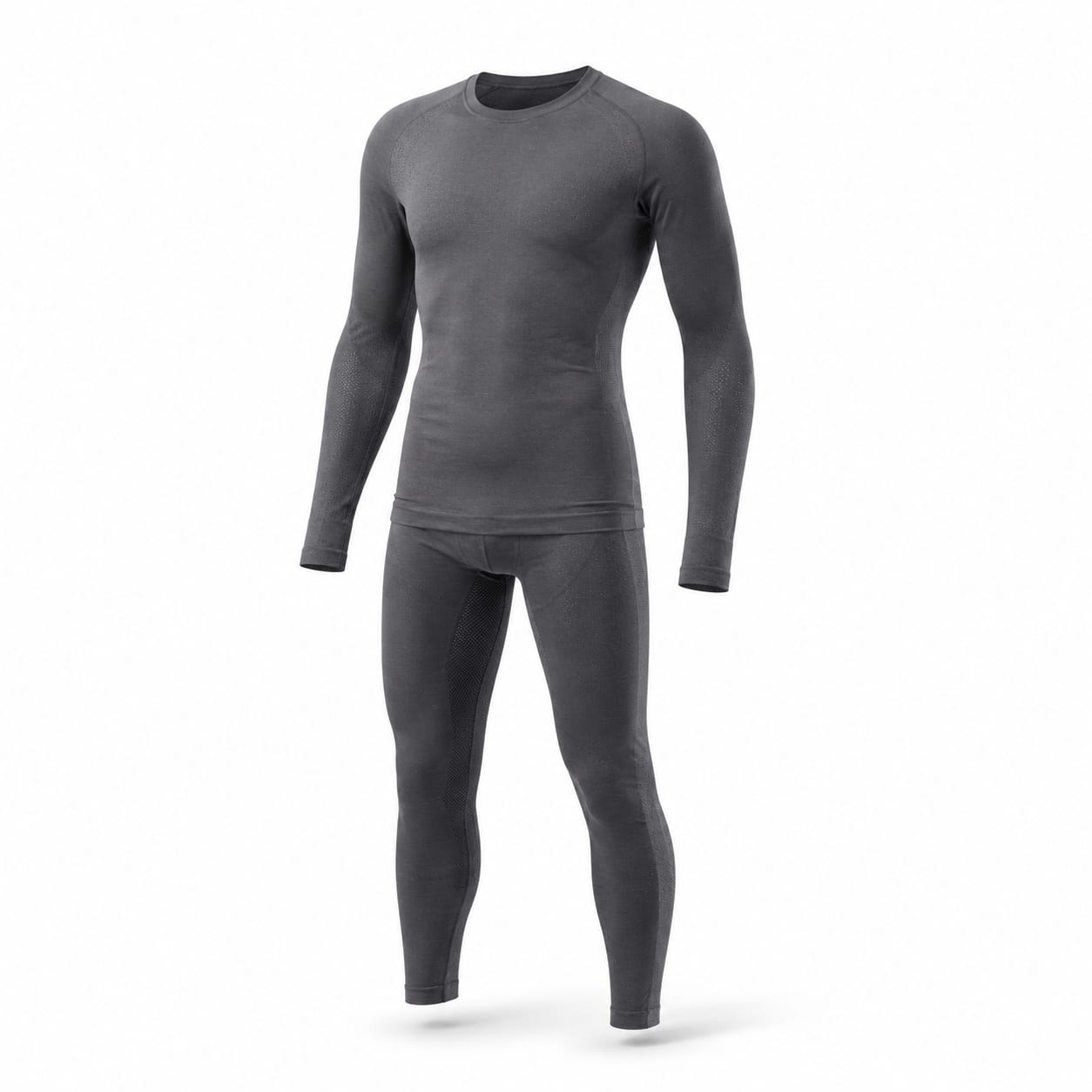
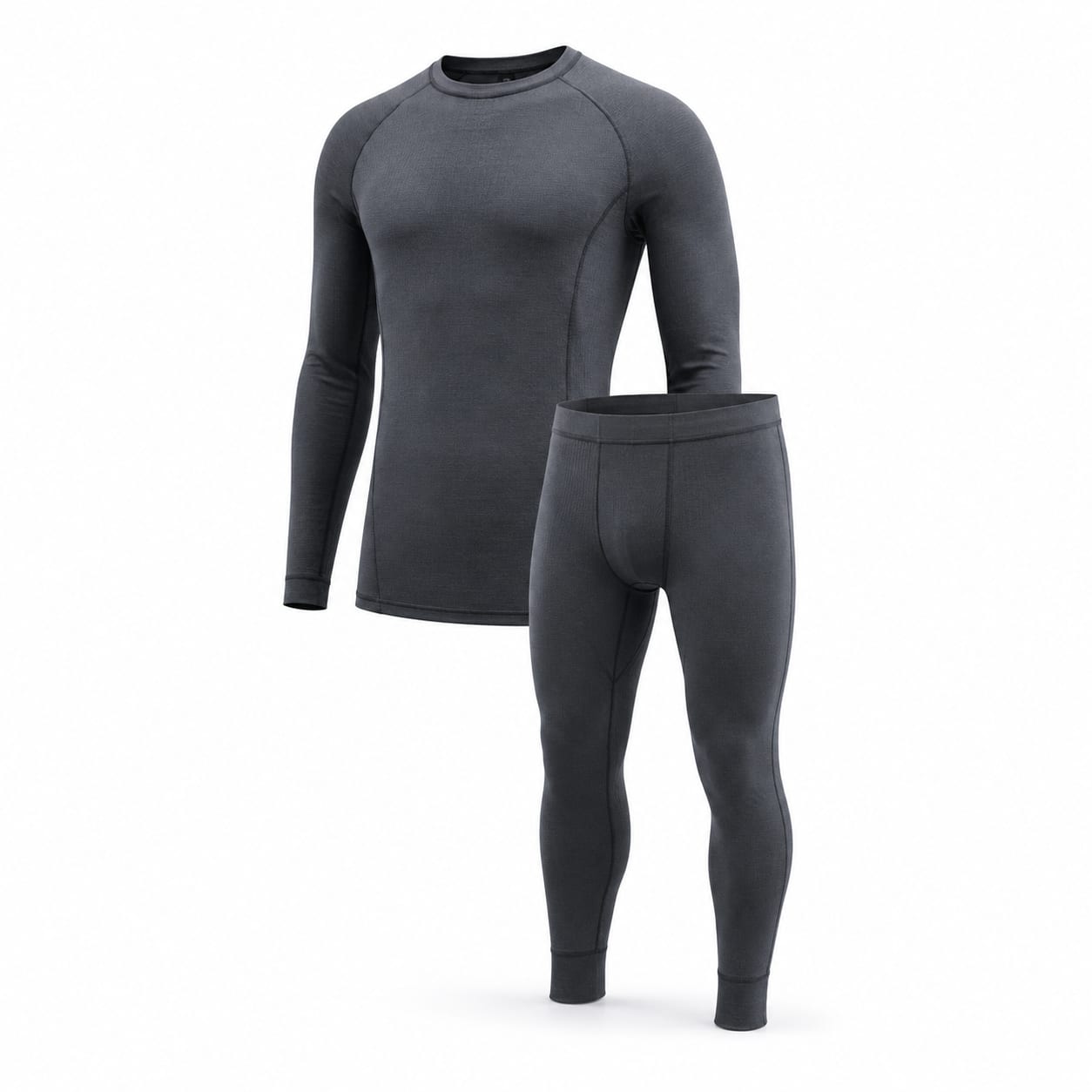
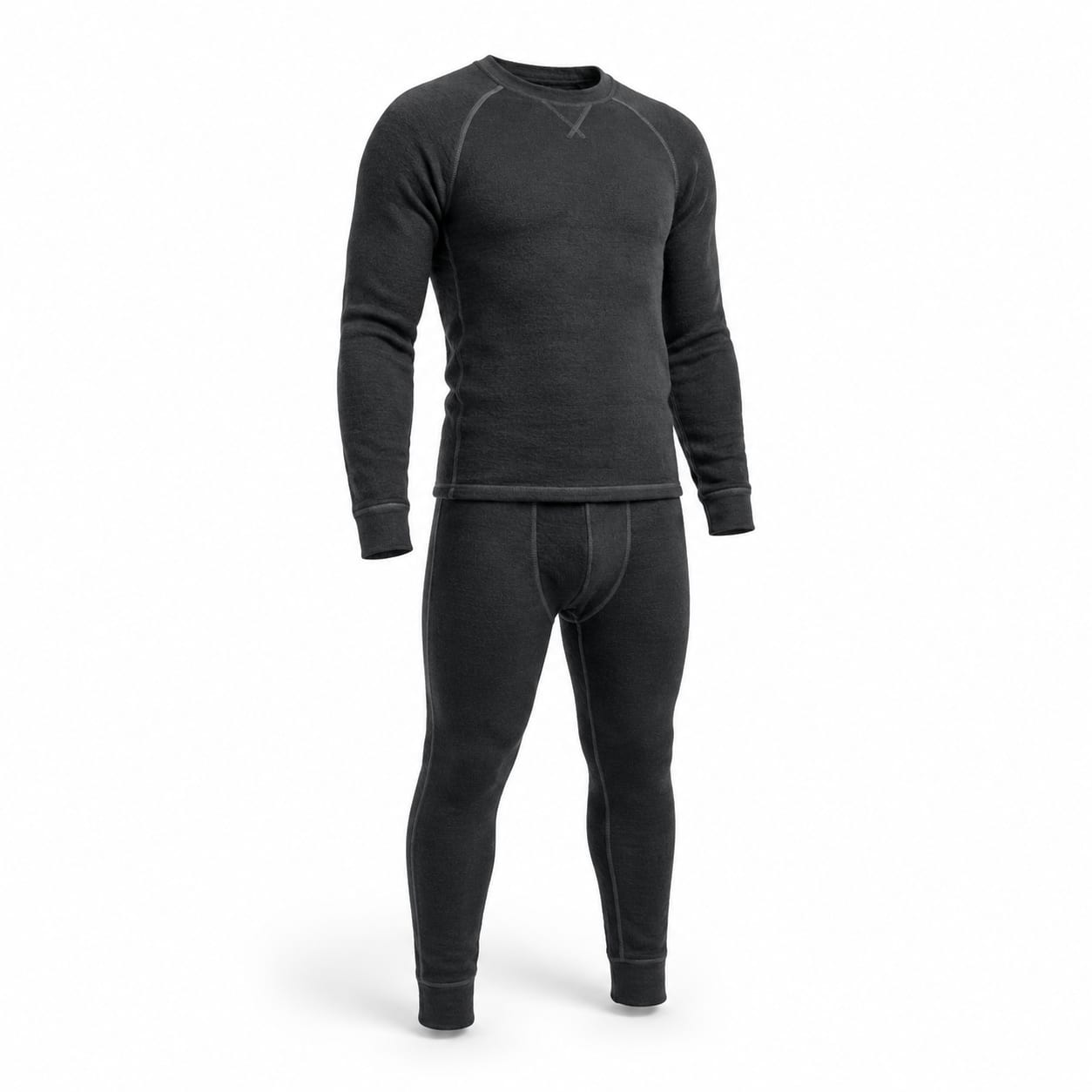
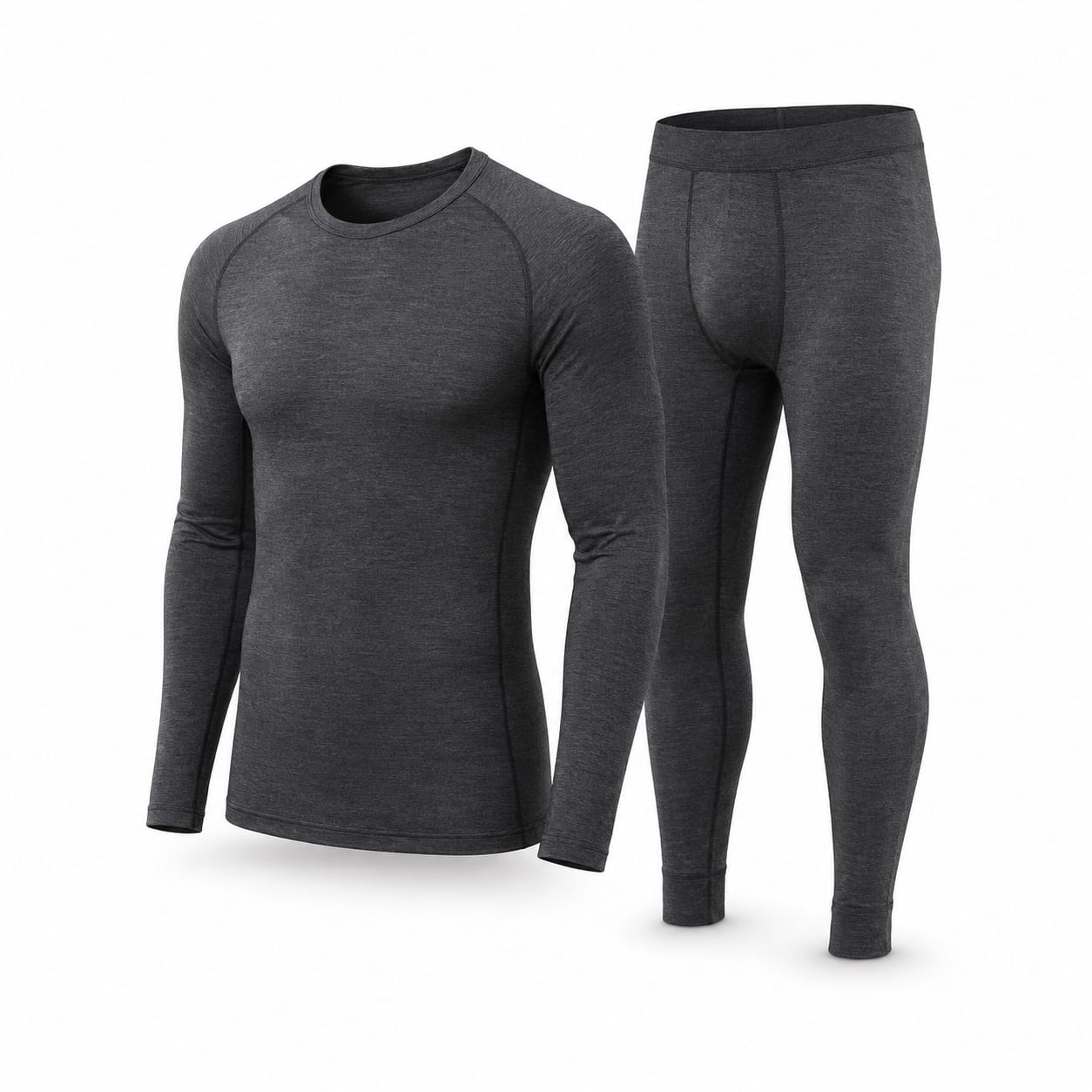
Merino-Synthetic Blend Base Layers

The best-of-both-worlds base layer combining merino's odor resistance with synthetic durability and wicking speed.

Merino-synthetic blend base layers merge the natural benefits of merino wool—odor control, temperature regulation, and soft-next-to-skin feel—with the performance advantages of synthetic fibers—rapid moisture wicking, stretch recovery, and long-term durability. These hybrids are ideal for skiers who want multi-day odor resistance without sacrificing the ruggedness needed for regular resort or backcountry use.

$40 – $140mid tierbeginnerintermediateadvanced

Best known for

Balancing odor resistance with durabilityVersatile performance across conditionsFaster drying than pure merinoBetter shape retention over timeAll-around resort and backcountry use
Merino-Synthetic Blend Base Layers

Guide

Detailed overview

Merino-synthetic blend base layers represent the most versatile category in ski underwear, combining merino wool (typically 40–60% of fabric composition) with synthetic fibers like polyester or nylon (30–50%) and often a small percentage of elastane (2–5%) for stretch. The merino component provides natural odor resistance, thermoregulation, and a soft hand feel, while the synthetic component adds durability, faster drying times, and better shape retention through repeated washing and wearing. This hybrid approach addresses the primary weaknesses of each pure material: merino's tendency to wear thin and develop holes, and synthetic's rapid odor buildup and clammy-wet feel. The result is a base layer that performs well across the widest range of skiing conditions and use patterns, making it the go-to choice for riders who want one quiver-worthy base layer system.

Merino-synthetic blend base layers have become the most popular choice for serious skiers precisely because they eliminate the compromise that pure-material options force. Pure merino wool excels at odor resistance and feels incredibly comfortable against the skin, but it's notoriously fragile—developing holes at friction points, losing shape over a day of wear, and requiring careful washing to avoid shrinkage. Pure synthetics dry faster and last forever, but they develop odor within hours and feel clammy against the skin when damp. The blend captures roughly 70–80% of each material's benefits while mitigating their worst drawbacks.

The typical blend ratio ranges from 50/50 merino-to-synthetic up to 60/40 merino-dominant compositions. Higher merino percentages prioritize odor resistance and natural feel, while higher synthetic percentages emphasize durability and wicking speed. Most skiers will find a 50/50 or 55/45 blend offers the best balance. The inclusion of 2–5% elastane in most modern blends is a game-changer, providing 4-way stretch that pure merino cannot match without sagging. This means your base layer maintains its slim, body-hugging fit from first chair to last run.

In real-world skiing conditions, blend base layers shine on variable-output days where you alternate between high-exertion runs and sedentary lift rides. The synthetic component moves sweat away from your skin quickly during aggressive skiing, while the merino component prevents the cold-clammy feeling that pure synthetics create when you sit still on a windy chairlift. You get the drying speed of synthetic with the warm-when-damp character of wool. For multi-day ski trips, you can typically wear a blend base layer for 3–4 days before odor becomes noticeable—shorter than pure merino's 5+ days but far better than synthetic's same-day odor development.

Durability is where blends truly separate themselves from pure merino. The synthetic fibers reinforce high-wear areas, resisting the pilling, thinning, and hole formation that plagues 100% merino garments, especially at the elbows, seat, and underarm areas. Most blend base layers can withstand 100+ wash cycles without significant degradation, compared to 40–60 cycles for pure merino. This durability advantage makes blends particularly appealing for skiers who hit the slopes 30+ days per season and need their base layers to last multiple seasons.

The primary trade-off with blends is that you don't get the full premium experience of either pure material. The hand feel is slightly less luxurious than high-quality pure merino, and the odor resistance, while good, isn't at the level that lets you wear a garment for a week-long hut trip without concern. Blends also tend to be priced in the middle-to-upper range—more expensive than basic synthetics but comparable to or slightly less than premium pure merino. For most skiers, this is a worthwhile exchange for a base layer that performs reliably across all conditions without requiring special care or frequent replacement.

Quick facts

Primary purpose
Combined odor resistance and durability in a single garment with balanced performance
Popular brands
SmartwoolIcebreakerStoicREI Co-opBlack Diamond
Typical terrain
all terrainresortbackcountry

What makes it different

Combines merino softness and odor control with synthetic durability; mid-range price between pure options

Recommended ranges

How this type usually specs out

Each spec is explained in plain language, then we show what buyers usually look for on this type.

Material Type

Material Type

What it means

The primary fabric composition of the base layer, which determines moisture management, odor resistance, warmth, durability, and care requirements.

Typical for this type

50–60% merino wool / 35–45% polyester or nylon / 2–5% elastane

Most common pick: Wool Blend

In practice

Merino-synthetic blends typically use 40–60% merino wool combined with polyester or nylon and a small percentage of elastane for stretch. The merino provides odor resistance and thermoregulation while the synthetic adds durability and wicking performance.

Compared to other types

Unlike pure merino (100% wool) which prioritizes odor resistance above all, or pure synthetic which prioritizes wicking and durability, blends aim for the optimal middle ground—roughly 75% of each material's peak performance.

Why it matters: The blend ratio directly determines the balance between odor resistance and durability. Higher merino content improves odor control but reduces durability; higher synthetic content improves wicking speed and longevity but increases odor buildup.

Weight Class

Weight Class

What it means

The fabric weight category, which correlates with warmth, bulk, and intended temperature range. Measured in grams per square meter (g/m²) of fabric.

Typical for this type

Lightweight (150–180 g/m²) to Midweight (180–260 g/m²)

Most common pick: Midweight

In practice

Blend base layers are most commonly found in lightweight to midweight constructions. Midweight (around 200 g/m²) is the most popular for ski-specific blend base layers, providing enough warmth for lift rides without overheating during active skiing.

Compared to other types

Blend base layers are available across all weight classes, similar to pure merino and synthetic options. However, the blend's superior thermoregulation means a midweight blend often feels more comfortable across a wider temperature range than a midweight pure synthetic.

Why it matters: Weight class determines the warmth-to-breathability ratio. Since blends are often chosen as versatile all-around options, midweight hits the sweet spot for most winter skiing conditions (10–30°F / -12–-1°C).

Fit Type

Fit Type

What it means

How closely the garment conforms to the body, affecting moisture wicking efficiency, layering compatibility, and freedom of movement.

Typical for this type

Slim / Form-Fitting

Most common pick: Slim

In practice

Slim fit is the most common and recommended fit for merino-synthetic blend base layers. The inclusion of elastane in most blends allows the garment to hug the body comfortably while maintaining full range of motion.

Compared to other types

Blend base layers with elastane maintain their slim fit better throughout the day compared to pure merino, which tends to bag out and lose shape. They offer similar fit options to pure synthetics but with less clammy feel against the skin.

Why it matters: A slim fit ensures efficient moisture wicking by maintaining skin contact, while the blend's stretch components prevent the restrictive feeling that can occur with non-stretch slim-fit pure merino.

Top Style

Top Style

What it means

The neckline and design of the upper-body base layer, affecting ventilation, layering, and comfort.

Typical for this type

Half-Zip Mock Neck Or Crew Neck

Most common pick: Zip Neck Half

In practice

Half-zip mock necks are the most popular style for blend base layers because they offer adjustable ventilation for variable-output skiing. The zip allows you to dump heat on warm runs or high-exertion moments and seal up on cold lift rides.

Compared to other types

Blend base layers are available in all the same styles as pure merino and synthetic options. The half-zip is particularly well-suited to blends because the synthetic component's faster drying means vented sweat evaporates quickly when you zip up.

Why it matters: The half-zip design maximizes the blend's versatility advantage—you can regulate temperature without adding or removing layers, which is especially valuable on days with fluctuating temperatures or mixed sun/cloud conditions.

Bottom Style

Bottom Style

What it means

The length and design of the lower-body base layer, affecting coverage, layering, and boot compatibility.

Typical for this type

3/4 Length (Calf) or Full Length (Ankle)

Most common pick: Three Quarter

In practice

3/4 length bottoms are increasingly popular for blend base layers because they eliminate fabric bunching inside ski boots. Full length remains common and works well for snowboarders or skiers without boot fit concerns.

Compared to other types

Blend base layers offer the same bottom styles as other material types. The 3/4 length is particularly recommended for blends since these are often chosen by serious skiers who care about boot fit and all-day comfort.

Why it matters: The 3/4 length prevents the discomfort and circulation restriction that can occur when full-length base layers bunch inside tight-fitting ski boots. This is especially important for performance-oriented skiers who spend all day in their boots.

Moisture Wicking

Moisture Wicking

What it means

The garment's ability to pull perspiration away from the skin and spread it across the fabric surface for evaporation. Critical for staying dry and warm during active skiing.

Typical for this type

Good to Excellent

Most common pick: Good

In practice

Merino-synthetic blends offer good to excellent moisture wicking, sitting between pure merino (good) and pure synthetic (excellent). The synthetic component rapidly pulls moisture away from the skin while the merino component absorbs and buffers some moisture without feeling clammy.

Compared to other types

Blends wick moisture faster than pure merino due to the synthetic component's hydrophobic nature, but not quite as fast as pure synthetic grid fabrics. However, the merino component absorbs some moisture without feeling wet against the skin, which many skiers find more comfortable than pure synthetic's rapid-but-clammy wicking.

Why it matters: Effective moisture wicking is critical for maintaining warmth during rest periods after high-exertion skiing. Blends wick faster than pure merino and feel less clammy than pure synthetics when damp—giving you the best practical wicking experience for variable-output skiing.

Odor Resistance

Odor Resistance

What it means

The garment's ability to resist bacterial growth and associated odors over multiple wears. Affects how many days you can wear the base layer between washes on multi-day trips.

Typical for this type

Good (3–4 days)

Most common pick: Good

In practice

Blend base layers provide good odor resistance, typically lasting 3–4 days of active wear before odor becomes noticeable. The merino component's natural antimicrobial properties inhibit bacterial growth, though not as effectively as pure merino.

Compared to other types

Blends offer significantly better odor resistance than pure synthetics (which develop odor within hours) but fall short of pure merino's 5+ day capability. For most weekend and 3–4 day trips, blend odor resistance is sufficient. For week-long hut trips, pure merino may be preferable.

Why it matters: Good odor resistance means you can pack fewer base layers for multi-day ski trips and avoid the social discomfort of wearing a strongly odorous garment in close quarters like lift lines, gondolas, or après-ski venues.

Seam Construction

Seam Construction

What it means

The type and placement of seams, which affect chafing potential, durability, and comfort under layers and gear.

Typical for this type

Flatlock Or Seamless

Most common pick: Flatlock

In practice

Flatlock seams are the standard construction for mid-range to premium blend base layers, providing low-profile seams that layer well and minimize chafing. Premium blend options may feature seamless or bonded construction for maximum comfort.

Compared to other types

Blend base layers use the same seam construction options as pure merino and synthetic garments. Flatlock is the most common across all material types at the mid-range price point. The blend's slight thickness compared to ultralight synthetics makes flatlock seam comfort particularly important.

Why it matters: Flatlock seams prevent the chafing that can occur under pack straps, hip belts, or tight-fitting outerwear—common pressure points during a full day of skiing. Seamless construction eliminates this concern entirely but comes at a higher price.

Stretch

Stretch

What it means

The garment's ability to stretch and recover, affecting freedom of movement and long-term fit retention.

Typical for this type

4-Way Stretch (with 2–5% elastane)

Most common pick: Four Way

In practice

Most modern merino-synthetic blends include 2–5% elastane, providing 4-way stretch that pure merino cannot match. This is one of the blend's key advantages—full mobility with shape retention throughout the day.

Compared to other types

This is a major advantage over pure merino, which typically has minimal or no stretch and tends to bag out with wear. Blends match pure synthetics in stretch capability while offering superior odor resistance and next-to-skin comfort.

Why it matters: 4-way stretch allows unrestricted movement during dynamic skiing maneuvers and prevents the sagging and bagging that pure merino develops over a day of wear. The garment maintains its slim, body-hugging fit from morning to last run.

Gender

Gender

What it means

The intended gender fit of the garment, which affects cut, proportions, and anatomical features.

Typical for this type

Gender-Specific Fits (Men'S Or Women'S)

Most common pick: Mens And Womens

In practice

Merino-synthetic blend base layers are widely available in both men's and women's specific fits, with women's cuts featuring narrower shoulders, wider hips, and contoured waists. Unisex options exist but are less common in the blend category.

Compared to other types

Blend base layers are offered in the same gender-specific options as pure merino and synthetic alternatives. The blend category tends to have more gender-specific options than budget synthetic lines, reflecting the blend's positioning as a premium, performance-oriented choice.

Why it matters: Gender-specific fits ensure proper body mapping and layering performance. Women's-specific cuts prevent sagging at the waist and gaping at the hips, while men's cuts accommodate broader shoulders and longer torsos.

Warmth Rating

Warmth Rating

What it means

The perceived warmth level of the garment, combining material, weight, and construction into a single comparative metric.

Typical for this type

Moderate to High

Most common pick: Moderate

In practice

Most blend base layers fall in the moderate warmth category, providing noticeable insulation balanced with breathability. The merino component retains warmth even when damp, while the synthetic component helps manage moisture to prevent overheating.

Compared to other types

Blend base layers at a given weight class feel slightly warmer than equivalent pure synthetics due to merino's superior insulation properties, but slightly less warm than pure merino at the same weight. The practical difference is small, and the blend's better moisture management often makes it feel more comfortable across varying conditions.

Why it matters: Moderate warmth is the sweet spot for most skiing conditions (15–30°F / -9–-1°C), and the blend's thermoregulation makes this warmth rating effective across a wider temperature range than the same rating in pure synthetic.

Thumbholes

Thumbholes

What it means

Whether the top includes thumbholes at the cuff to keep sleeves in place and provide hand coverage during layering.

Typical for this type

Yes (Preferred For Cold Weather)

Most common pick: True

In practice

Thumbholes are increasingly common on blend base layer tops, especially in midweight and heavyweight options. They prevent sleeve ride-up when putting on jackets and add wrist warmth—a vulnerable area for heat loss.

Compared to other types

Thumbholes are equally available across merino, synthetic, and blend base layers. The feature is more common in premium options regardless of material type. Blend base layers with thumbholes benefit from the fabric's stretch, making the thumbholes easier to use and less likely to feel tight.

Why it matters: Thumbholes keep sleeves anchored during the layering process and provide a seamless transition between base layer and glove cuffs, eliminating exposed skin at the wrist. This is particularly valuable on cold, windy days.

Gusseted Crotch

Gusseted Crotch

What it means

Whether the bottom base layer includes a diamond or triangular fabric panel at the crotch for enhanced mobility and reduced seam stress.

Typical for this type

Yes (Especially For Snowboarders And Aggressive Skiers)

Most common pick: True

In practice

Many performance-oriented blend base layer bottoms include gusseted crotches, which add a diamond-shaped fabric panel to eliminate the 4-seam intersection point. This enhances mobility and reduces chafing during deep bends.

Compared to other types

Gusseted crotches are more common in blend and synthetic base layers than in pure merino, where the fabric's natural give is sometimes considered sufficient. However, the blend's stretch plus gusset design offers the best mobility of any option.

Why it matters: A gusseted crotch provides greater freedom of movement for snowboarders who frequently bend deep, and reduces seam stress and chafing for all riders during long days on the mountain. It's a small design detail that significantly improves comfort.

Fly Type

Fly Type

What it means

The type of front opening on men's base layer bottoms, affecting convenience and comfort.

Typical for this type

Vertical Fly Or Horizontal Fly (Men'S)

Most common pick: Vertical Fly

In practice

Men's blend base layer bottoms most commonly feature a vertical fly, though horizontal flies are becoming more popular in performance-oriented models for their lower profile under layers. Women's models typically have no fly.

Compared to other types

Fly type options are consistent across merino, synthetic, and blend base layers. The choice is purely personal preference and doesn't affect the material's performance characteristics.

Why it matters: Fly type is primarily a convenience feature. Horizontal flies lie flatter under layers and create less bulk, which can be noticeable under tight-fitting ski pants. Vertical flies are more familiar and intuitive to use.

Body-Mapped Construction

Body-Mapped Construction

What it means

Whether the garment uses strategically placed fabric zones with different weights, textures, or knit structures to optimize warmth and breathability where needed.

Typical for this type

Yes (In Premium Models)

Most common pick: True

In practice

Body-mapped construction is increasingly common in premium blend base layers, using tighter knit structures at the core for warmth and more open mesh structures under the arms and on the back for ventilation. The blend fabric's versatility makes it particularly well-suited to body-mapped designs.

Compared to other types

Body mapping is available across all material types but is particularly effective in blends because the merino component can be concentrated in warmth zones while the synthetic component is used in ventilation zones. This material-specific zoning isn't possible with pure merino or pure synthetic garments.

Why it matters: Body mapping provides warmth where you need it (core, kidneys, lower back) and breathability where you sweat most (underarms, upper back). This zoned approach maximizes the blend's inherent versatility, making it effective across an even wider range of conditions.

UPF Rating

UPF Rating

What it means

Ultraviolet Protection Factor rating indicating how effectively the fabric blocks UV radiation. Relevant for high-altitude spring skiing.

Typical for this type

UPF 30 Or Not Rated

Most common pick: None Rated

In practice

Most blend base layers do not carry a formal UPF rating, though the fabric density of midweight blends provides inherent sun protection. Some premium models are rated UPF 30 or higher, particularly those intended for spring skiing.

Compared to other types

Merino wool naturally provides good UV protection due to its fiber structure and fabric density. Blends retain some of this benefit, though the synthetic component doesn't inherently block UV. Pure synthetics vary widely in UV protection based on fabric density and color.

Why it matters: UV protection is relevant for high-altitude spring skiing where radiation is intense and reflects off snow. While not critical for mid-winter skiing, a UPF rating adds value for skiers who ski late season or at high elevations.

Waistband Type

Waistband Type

What it means

The style and construction of the waistband on bottom base layers, affecting comfort under layers and during movement.

Typical for this type

Wide Yoga-Style Band Or Elastic Band

Most common pick: Elastic

In practice

Elastic bands are the most common waistband type on blend base layer bottoms, though wide yoga-style bands are increasingly popular in women's models for their superior comfort under layers. Premium options may feature integrated knit-in waistbands.

Compared to other types

Waistband options are consistent across material types. The blend category's premium positioning means you'll find more wide yoga-style and integrated waistband options compared to budget synthetic lines, which typically use simple elastic bands.

Why it matters: The waistband sits under your ski pants and potentially a mid-layer, so a low-profile, comfortable waistband prevents pressure points, rolling, and visible lines. Wide yoga-style bands distribute pressure most evenly.

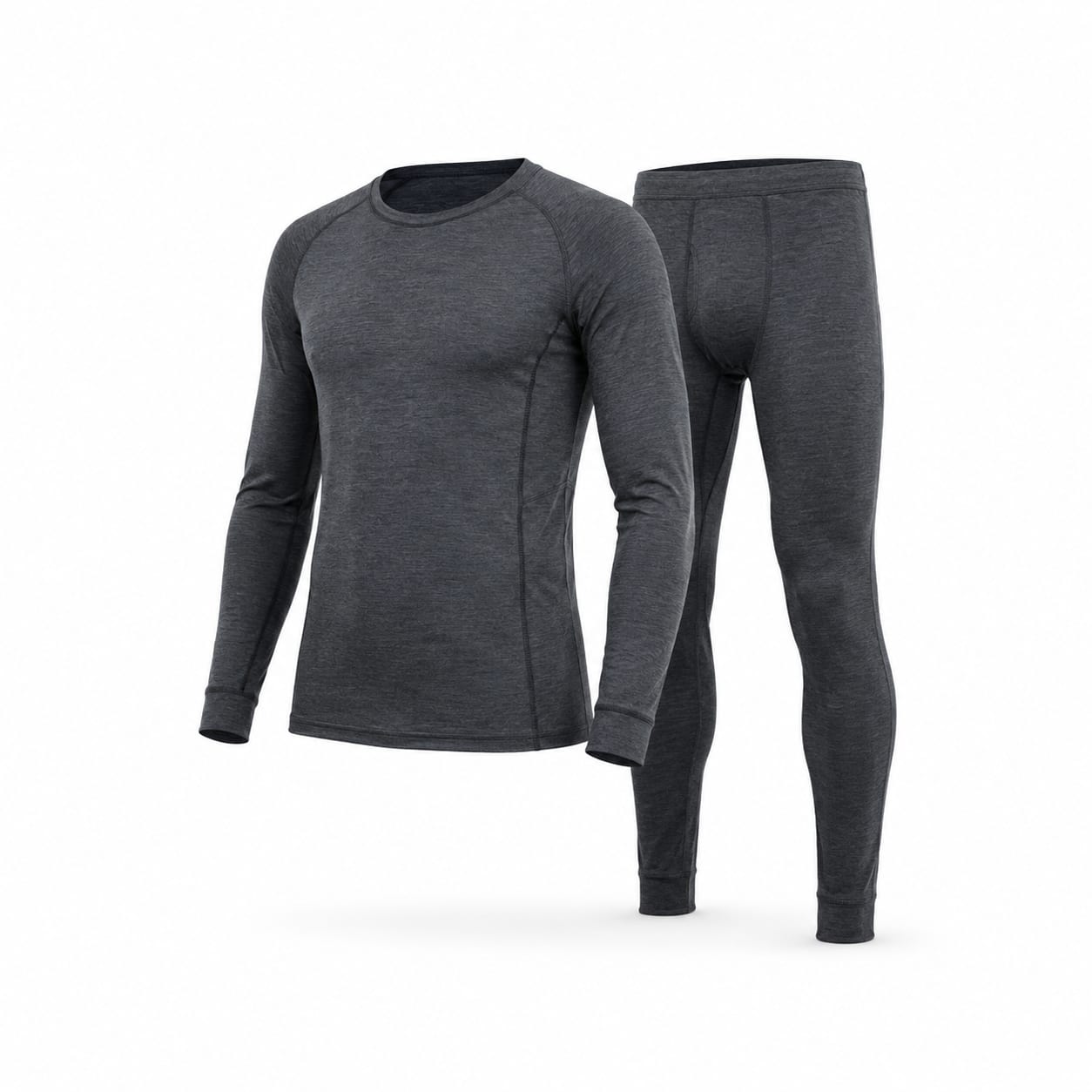
Evaluation

Strengths and trade-offs

Pros

What this type does best

Best All-Around Versatility

Critical

Blends perform well across the widest range of conditions, output levels, and trip durations. They're the one base layer you can grab without worrying about whether it's the right choice for the day.

Superior Durability vs. Pure Merino

Critical

The synthetic reinforcement significantly reduces pilling, thinning, and hole formation at friction points. Most blends last 2–3 seasons with regular use, compared to 1–2 seasons for pure merino.

4-Way Stretch with Shape Retention

High

The elastane content provides full mobility and prevents the sagging and bagging that pure merino develops throughout the day. Your base layer fits as well at last run as it did at first chair.

Good Odor Resistance for Multi-Day Trips

High

The merino component provides 3–4 days of odor resistance—enough for most weekend trips and short backcountry excursions without needing to pack multiple base layers.

Faster Drying Than Pure Merino

High

The synthetic component accelerates moisture evaporation, meaning your base layer dries faster after high-exertion runs or overnight in a lodge. This reduces the risk of starting the day in a damp garment.

Warm When Damp

Medium

The merino component retains warmth even when the fabric is damp from sweat, unlike pure synthetics which feel cold and clammy against the skin when wet. This is crucial during the transition from active skiing to sitting on a cold lift.

Easier Care Than Pure Merino

Medium

Blends are more tolerant of washing machine variations and are less prone to shrinkage than pure merino. Many can be machine washed on gentle cycle and laid flat to dry without special detergent.

Cost-Effective Over Time

Medium

While blends cost more upfront than basic synthetics, their superior durability means a lower cost-per-wear over the garment's lifetime compared to pure merino, which needs more frequent replacement.

Cons

Trade-offs to be aware of

Not the Best at Any Single Attribute

Moderate

Blends compromise on the peak performance of both materials. They don't wick as fast as pure synthetics, resist odor as long as pure merino, or feel as soft as premium merino against the skin.

Higher Price Than Basic Synthetics

Moderate

Blend base layers typically cost 30–50% more than comparable synthetic options. While they're often similarly priced to or slightly less than premium pure merino, they represent a significant investment over budget synthetics.

Slightly Less Soft Than Pure Merino

Minor

The synthetic component reduces the luxurious hand feel that high-quality pure merino provides. While still comfortable, blends don't have quite the same soft-next-to-skin sensation, especially after multiple washes.

Odor Resistance Falls Short for Extended Trips

Moderate

While good for 3–4 days, blend odor resistance isn't sufficient for week-long backcountry hut trips where you can't wash or change base layers. Pure merino remains the better choice for these scenarios.

Blend Ratios Vary Significantly Between Brands

Minor

There's no standardization in blend ratios, making it difficult to compare products. A 'merino blend' could be 40% wool or 60% wool, with very different performance characteristics. Reading fabric specifications carefully is essential.

Potential for Pilling at Merino-Dominant Ratios

Minor

Blends with higher merino content (55%+) may still pill at friction points, though less severely than pure merino. The synthetic component helps but doesn't completely eliminate this issue at higher wool percentages.

Best for

Terrain

All-mountain resortGroomed runsBackcountry touringMixed terrain

Snow conditions

Variable temperatures (10–30°F / -12–-1°C)Mixed sun and cloud daysModerate to cold winter conditionsSpring skiing with temperature fluctuations

Skill level

IntermediateAdvancedExpert

Riding style

All-mountain skiingFreerideBackcountry touringAggressive resort skiing

Rider profile

Skiers who want one versatile base layer systemMulti-day trip takers who need odor resistanceRiders who have worn out pure merino too quicklySkiers who alternate between high-exertion and rest periodsThose who find pure synthetics too clammyRiders who want low-maintenance care requirements

Not ideal for

Reasons

Beginners may not notice enough performance difference to justify the price premium over basic syntheticsRacers prefer the compression and wicking speed of pure synthetic base layersWeek-long backcountry trips where pure merino's superior odor resistance is neededBudget-conscious buyers who ski fewer than 10 days per season

Terrain

Extremely cold environments (<-10°F / -23°C) without additional layers

Skill level

Beginners who may not notice the performance difference

Riding style

Racing (where compression-fit pure synthetics are preferred)Extremely casual skiing (where budget synthetics suffice)

Compare

How it stacks up

This page

Merino-Synthetic Blend Base Layers

Significantly better durability (2–3 seasons vs. 1–2), 4-way stretch with shape retention, faster drying, easier care, and lower cost-per-wear over time.

Alternative

Merino Wool Base Layers

Superior odor resistance (5+ days vs. 3–4), softer hand feel against the skin, fully natural fiber, and slightly better warmth-to-weight ratio.

Bottom line

Choose blends for regular resort skiing and trips up to 4 days where durability and versatility matter most. Choose pure merino for extended backcountry trips where odor resistance is critical or if you have sensitive skin that prefers natural fibers.

This page

Merino-Synthetic Blend Base Layers

Dramatically better odor resistance (3–4 days vs. same-day), warmer feel when damp, more comfortable next-to-skin sensation, and better thermoregulation across temperature swings.

Alternative

Synthetic Base Layers

Fastest moisture wicking and drying speed, lowest price point, maximum durability, and availability of compression fits for racing. Pure synthetics are also lighter for the same warmth level.

Bottom line

Choose blends for all-around skiing where you want odor resistance and comfort across multiple days. Choose pure synthetics for high-output backcountry touring where maximum wicking speed matters, or for racing where compression fit is desired, or if you're on a tight budget.

This page

Merino-Synthetic Blend Base Layers

Far superior moisture wicking, much better durability, significantly warmer at the same weight, better odor resistance, and more appropriate for cold-weather skiing.

Alternative

Silk Base Layers

Silk offers a more luxurious hand feel, superior packability for travel, and a smoother surface that layers exceptionally well under tight-fitting outerwear. Silk is also lighter and less bulky.

Bottom line

Choose blends for any serious cold-weather skiing where performance matters. Silk is only appropriate for mild spring skiing, travel layering, or casual resort days where packability and feel matter more than technical performance.

This page

Merino-Synthetic Blend Base Layers

Much better odor resistance, more comfortable against the skin, safer (polypropylene can melt under high heat), easier to care for, and more widely available in various styles.

Alternative

Polypropylene Base Layers

Polypropylene offers the absolute best moisture transport for extreme high-output activities and is the most hydrophobic option available. It's also extremely lightweight for its warmth level.

Bottom line

Choose blends for 95% of skiing applications. Polypropylene is a niche choice for extreme cold combined with very high output (e.g., ski mountaineering racing) or military/professional applications where maximum moisture transport is essential.

Shopping

Buying tips

  • 1

    Check the exact blend ratio on the label—a 'merino blend' could be anywhere from 30–65% wool. For skiing, aim for 45–60% merino content for the best balance of odor resistance and durability.

  • 2

    Look for blends that include 2–5% elastane for 4-way stretch. This small addition dramatically improves fit retention and mobility compared to non-stretch blends.

  • 3

    If you're between sizes, size down rather than up. Base layers must maintain skin contact for effective wicking, and the stretch in blends accommodates a snugger fit comfortably.

  • 4

    Prioritize flatlock or seamless construction over overlock seams. The small price premium is worth it for all-day comfort under layers and pack straps.

  • 5

    Consider 3/4 length bottoms if you have any boot fit concerns—they eliminate the most common base-layer-related comfort issue (fabric bunching inside ski boots).

  • 6

    A half-zip mock neck is the most versatile top style for blend base layers, giving you temperature regulation without removing layers. If you always wear a neck gaiter, a crew neck works fine.

  • 7

    Don't assume a higher price means a better blend—compare fabric specifications. A $80 blend with 55% merino and 5% elastane may outperform a $120 blend with 40% merino and no stretch.

  • 8

    Wash new blend base layers before your first ski day—factory treatments can affect moisture wicking performance until the first wash.

Care

Maintenance notes

  • Machine wash on gentle cycle in cold or warm water (not hot—max 30°C/86°F for merino-dominant blends). Hot water can cause shrinkage and damage wool fibers.
  • Use a mild detergent without enzymes or bleach. Enzyme-based detergents can break down wool fibers over time, reducing the garment's lifespan and odor resistance.
  • Avoid fabric softeners—they coat the fibers and significantly reduce moisture wicking performance. This applies to both the merino and synthetic components.
  • Lay flat to dry whenever possible. If you must use a dryer, use the lowest heat setting only. High heat can shrink the merino component and damage elastane fibers.
  • Turn garments inside out before washing to protect the outer surface and clean the side that contacts your skin most directly.
  • Store clean and completely dry—damp storage can lead to mildew and permanent odor in the synthetic component. Never store in a compressed stuff sack long-term.
  • Address stains promptly but avoid aggressive rubbing, which can pill the merino fibers. Blot gently with cold water and mild soap.
  • Expect some initial pilling on higher-merino blends—this is normal and typically subsides after 2–3 washes. Using a fabric shaver can restore appearance if needed.
  • Wash after every 2–3 days of active use to maintain odor resistance. While blends can go 3–4 days, regular washing extends the merino's antimicrobial effectiveness.

Progression

Skill development path

Merino-synthetic blend base layers are an excellent choice for intermediate-to-advanced skiers who have moved beyond basic synthetic underwear and understand the value of technical layering. Beginners may not notice the performance difference over budget synthetics, but as you ski more days per season and encounter varied conditions, the blend's versatility becomes increasingly valuable. Advanced and expert skiers who ski 30+ days per season will appreciate the durability and consistent performance, especially if they've experienced the frustration of pure merino wearing out mid-season. The blend is particularly well-suited for skiers progressing from resort-only skiing to mixed resort-and-backcountry use, where the garment needs to perform across a wider range of output levels and conditions.

FAQ

Common questions

Each question has a dedicated page with a full answer and links to the buying guide.

What's the ideal merino-to-synthetic ratio for ski base layers?

For most skiers, a 50/50 to 55/45 merino-to-synthetic ratio offers the best balance. This provides enough merino for effective odor resistance (3–4 days) while the synthetic component ensures durability and wicking speed. If you prioritize odor resistance for multi-day trips, lean toward 60% merino. If durability and fast drying matter more, a 45% merino blend works well. Always check for 2–5% elastane content for stretch.

Can I wear a merino-synthetic blend base layer for a week-long ski trip without washing?

It's not recommended. Most blend base layers provide 3–4 days of effective odor resistance before becoming noticeable. For a week-long trip, pack two blend base layers and alternate them, allowing each to air out between wears. Alternatively, choose a pure merino base layer for trips exceeding 4 days, as it can go 5+ days before odor becomes an issue.

Are blend base layers worth the extra cost over basic synthetics?

If you ski 15+ days per season, yes. The odor resistance alone justifies the premium for multi-day trips—you can pack fewer base layers and avoid the social discomfort of synthetic odor. The durability advantage also means blends often have a lower cost-per-wear over their lifetime despite the higher upfront price. For occasional skiers (under 10 days per season), basic synthetics may be sufficient.

How do blend base layers compare to pure merino for people with sensitive skin?

Most people with sensitive skin find blend base layers comfortable, but pure merino is slightly softer against the skin due to its finer fiber structure. If you have very sensitive skin or wool sensitivity, test the blend against your inner arm before a full day of wear. Modern merino fibers in blends are typically ≤21 microns, which is below the itch threshold for most people. If pure merino feels comfortable, a quality blend likely will too.