
Ski Underwear · FAQ
Questions about Merino Wool Base Layers
Straight answers on fit, specs, and when this type makes sense — each topic has its own page with links back to the buying guide.
Open Merino Wool Base Layers guide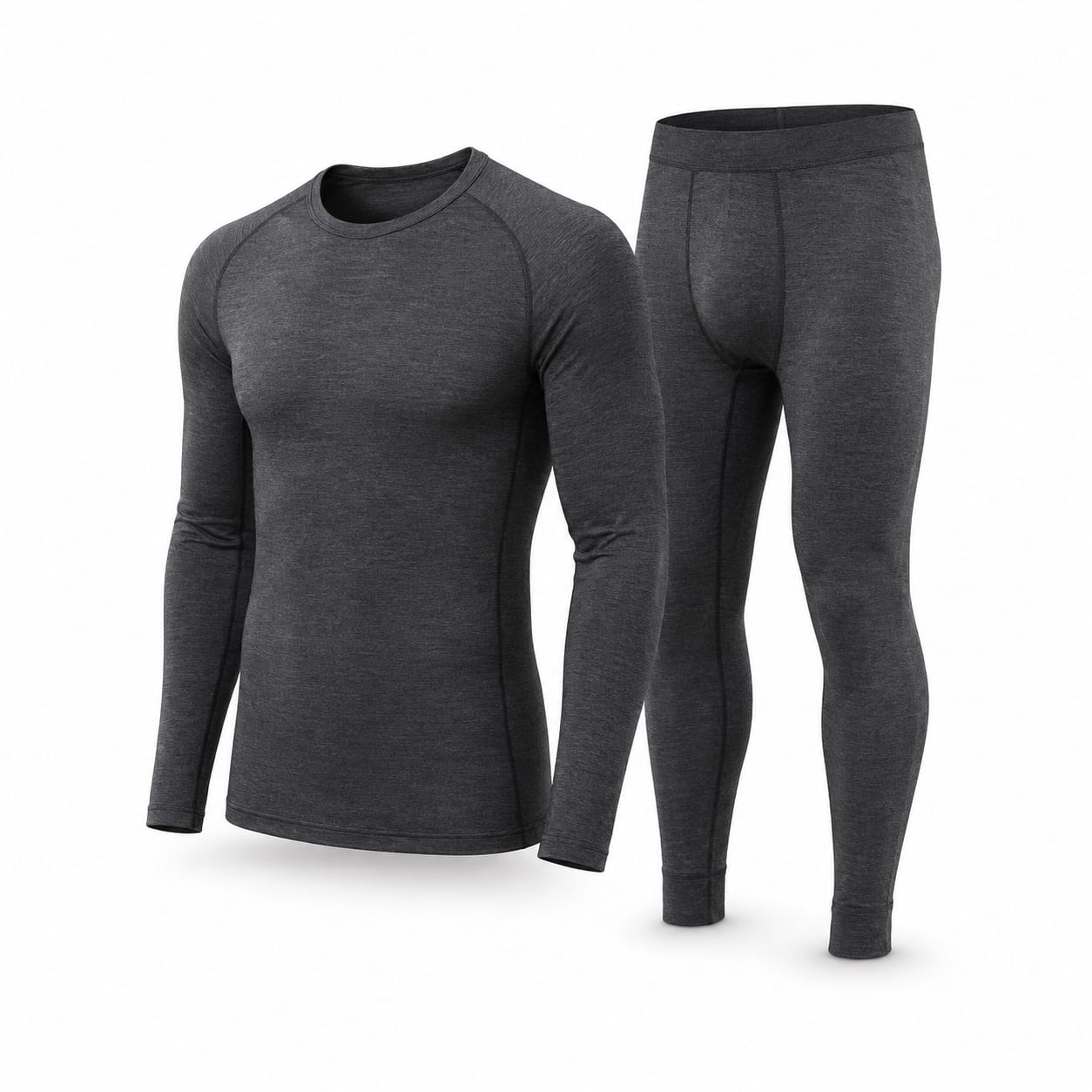
6 topics
Pick a question
Every answer links to the full subcategory guide and related gear types when it helps you decide.
Doesn't merino wool itch against the skin?
Quality merino wool used in base layers does not itch. Merino fibers are ultra-fine—typically 18.5–19.5 microns in diameter—compared to traditional wool fibers at 30+ microns. These fine fibers bend when they contact skin, rather than poking like thicker wool fibers. If you've had an itchy experience with 'merino,' it was likely either low-quality wool with higher micron count or a blend with coarse synthetic fibers. Stick to reputable brands specifying micron count under 20.
Read answer →02How many days can I really wear a merino base layer before it smells?
Most quality merino base layers can be worn 5–7 days of active skiing before developing noticeable odor, compared to 1 day (or less) for untreated synthetics. This varies with individual body chemistry, activity level, and the specific garment. Merino-synthetic blends typically manage 3–4 days. The key is airing the garment between wears—hanging it up overnight rather than crumpling it in a pile allows the fiber to release absorbed moisture and odor compounds.
Read answer →03Is merino really worth the higher price compared to synthetic base layers?
It depends on how you ski. For multi-day trips, merino's odor resistance means packing one base layer instead of three, which saves luggage weight and bulk that often exceeds the cost difference. For day trips with laundry access, the value proposition is purely about comfort—merino feels better against skin and manages temperature more smoothly, but you can achieve adequate performance with synthetics at half the price. If you ski 20+ days per year or take multi-day trips, merino is worth the investment. For occasional day trips, synthetics are the pragmatic choice.
Read answer →04Can I put my merino base layer in the dryer?
Technically yes, on the lowest heat setting only, but air drying flat is strongly recommended. Even low dryer heat can cause gradual shrinkage over multiple cycles, and any mistake with heat settings can cause irreversible damage. The safest approach is to lay the garment flat on a clean towel, roll it up to remove excess water, then lay it flat to dry. If you must use a dryer, use the air-fluff (no heat) setting and check frequently. Never use medium or high heat.
Read answer →05Should I choose pure merino or a merino-synthetic blend?
For most skiers, a merino-synthetic blend (typically 80/20 to 60/40) is the practical choice. Blends retain 60–80% of merino's odor resistance while offering significantly better durability, faster drying, and better shape retention. Pure merino makes sense if odor resistance is your absolute top priority (e.g., extended backcountry trips) and you're willing to handle the garment carefully. If you're hard on gear, ski very frequently, or prefer low-maintenance care, blends are the smarter investment.
Read answer →06Will my merino base layer shrink if I wash it correctly?
If washed in cold water on a gentle cycle and air-dried, quality merino base layers should not shrink. However, even one wash in warm or hot water, or one trip through a hot dryer, can cause permanent shrinkage of 5–15%. Some brands pre-wash their merino to prevent further shrinkage, but this isn't universal. When in doubt, assume the garment hasn't been pre-shrunk and follow cold-water care religiously. Also note that merino can temporarily stretch during wear and return to its original size after proper washing.
Read answer →