
For most skiers, a merino-synthetic blend (typically 80/20 to 60/40) is the practical choice. Blends retain 60–80% of merino's odor resistance while offering significantly better durability, faster drying, and better shape retention. Pure merino makes sense if odor resistance is your absolute top priority (e.g., extended backcountry trips) and you're willing to handle the garment carefully. If you're hard on gear, ski very frequently, or prefer low-maintenance care, blends are the smarter investment.
Ski Underwear · Merino Wool Base Layers
Should I choose pure merino or a merino-synthetic blend?
Related gear types
If this answer nudged you toward a different style, these guides compare specs and trade-offs.
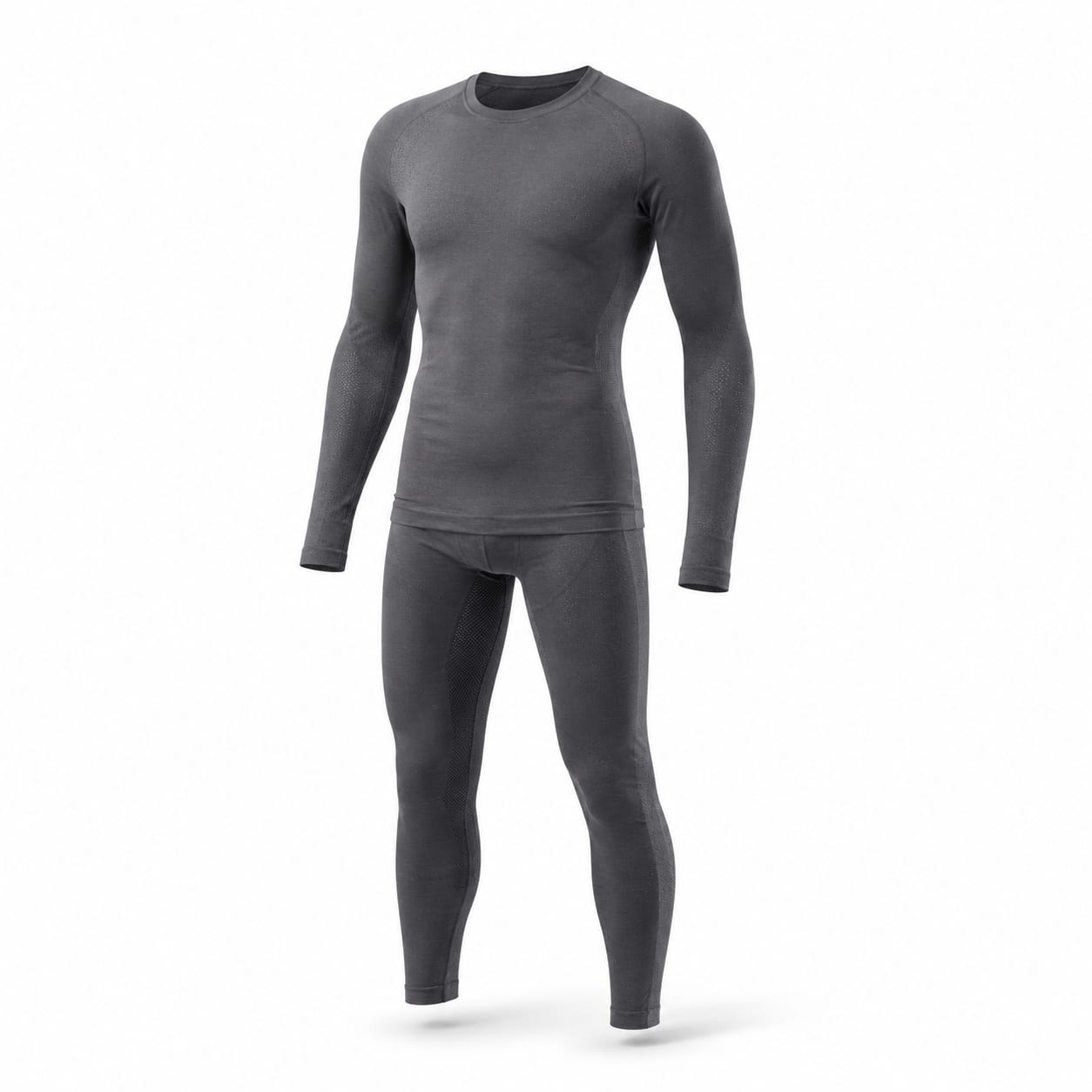
Lightweight Base Layers
$25 – $90
Thin, highly breathable base layers for high-output skiing in mild conditions or warm-skinned individuals.
ultra-thin fabrichigh breathabilityrapid moisture wicking
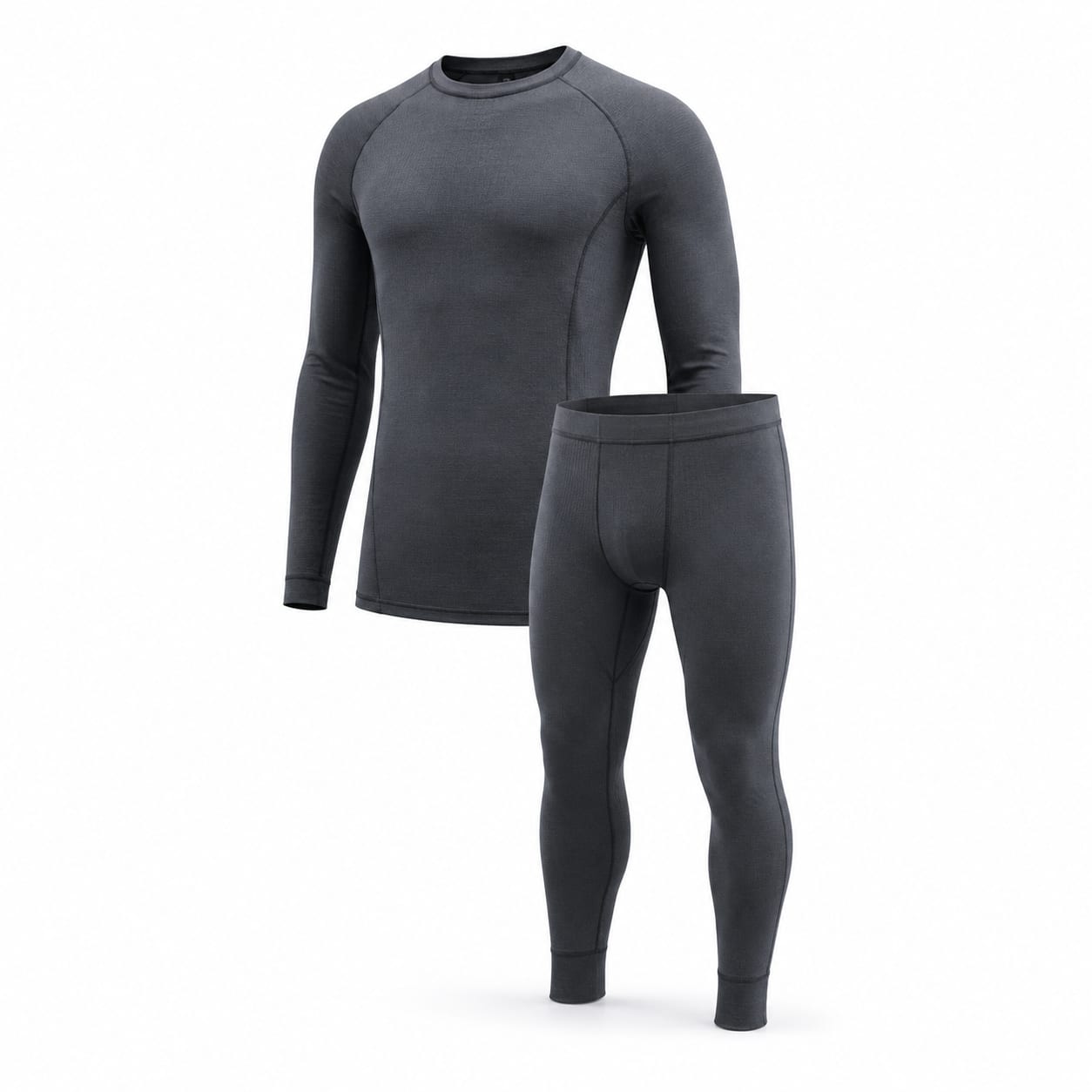
Midweight Base Layers
$35 – $130
Versatile, moderately insulated base layers that are the most popular choice for typical winter skiing conditions.
moderate insulationgood breathabilityeffective moisture wicking
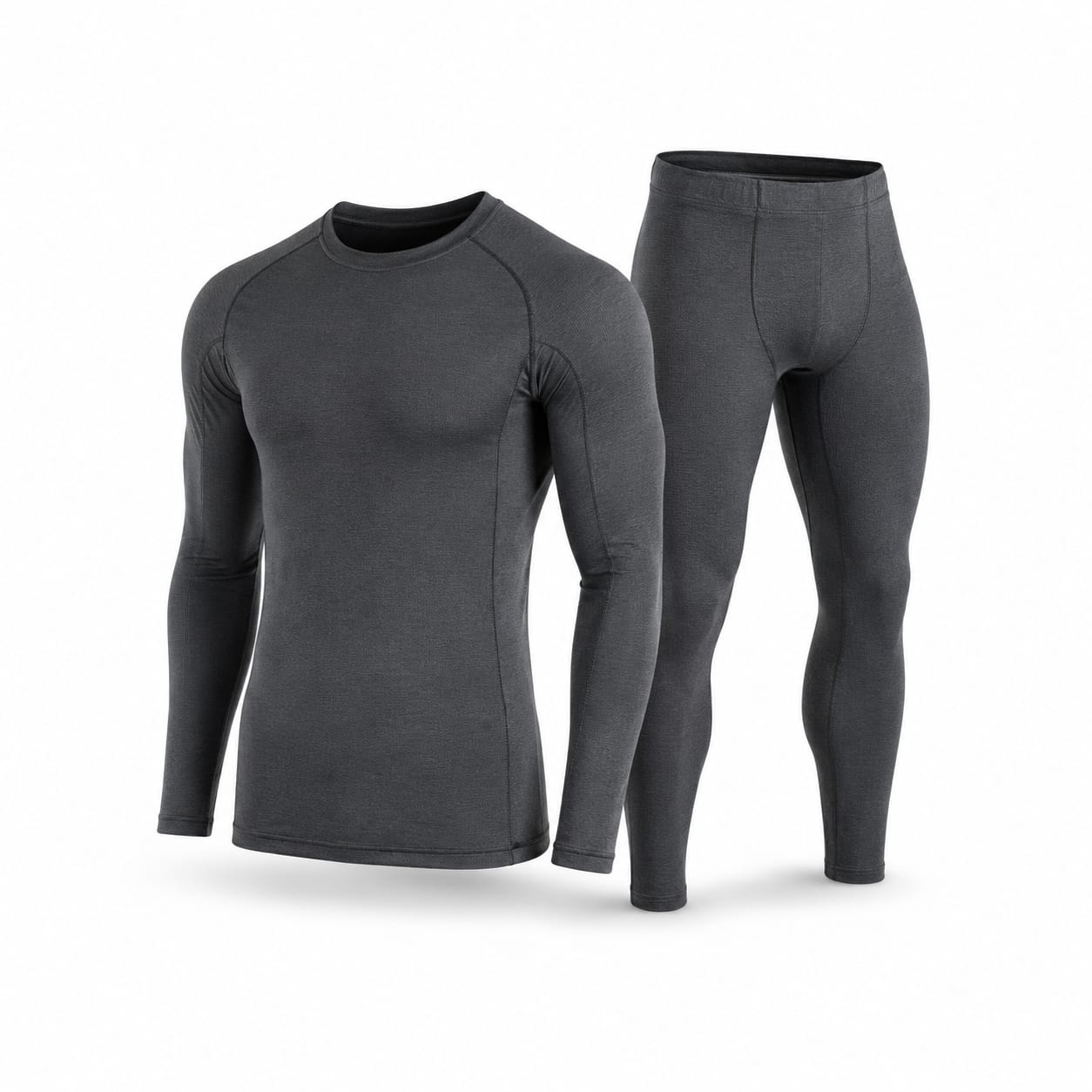
Synthetic Base Layers
$20 – $80
Budget-friendly, quick-drying base layers made from polyester or polypropylene for reliable moisture management.
rapid dryinghighly durableaffordable
More questions
- Doesn't merino wool itch against the skin?
- How many days can I really wear a merino base layer before it smells?
- Is merino really worth the higher price compared to synthetic base layers?
- Can I put my merino base layer in the dryer?