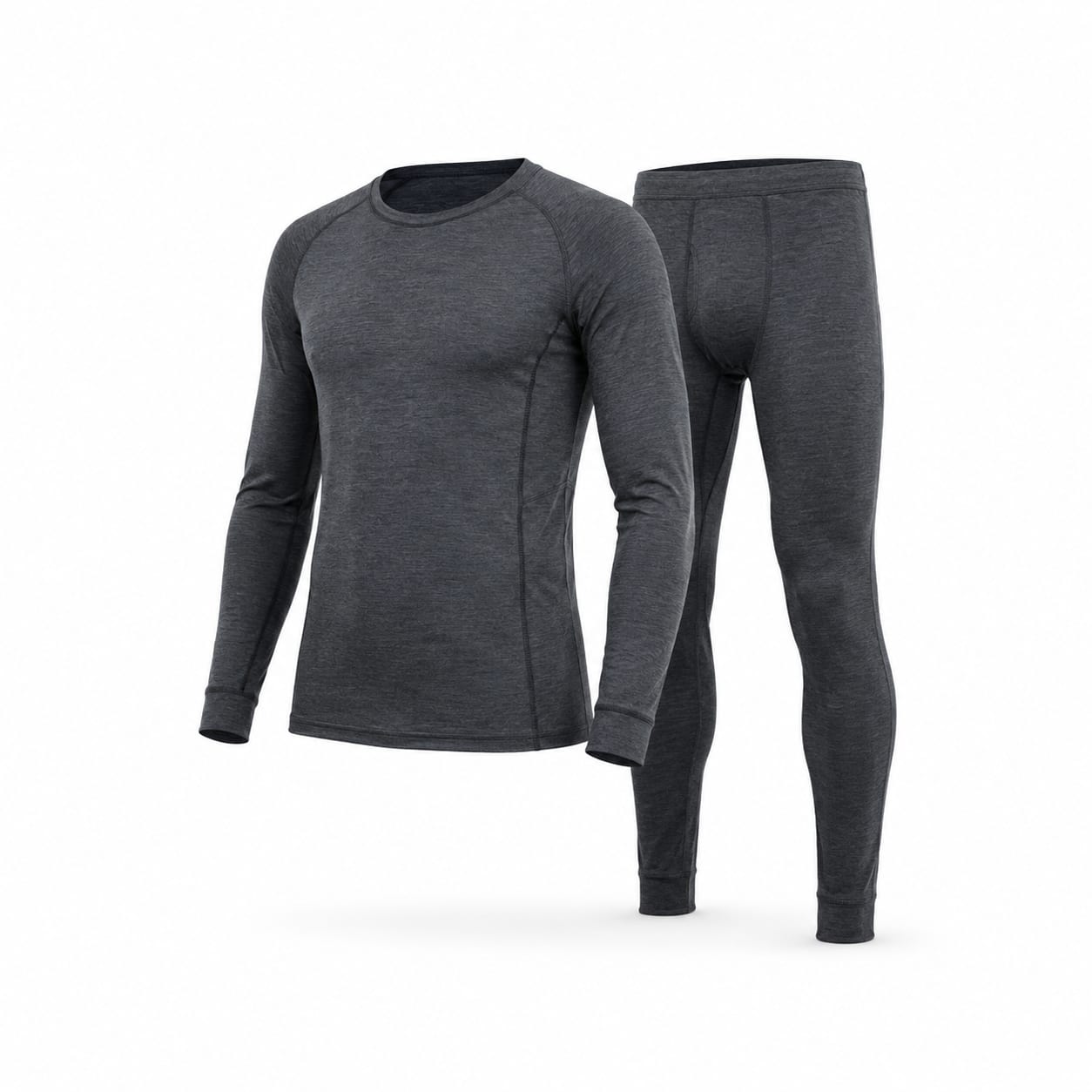
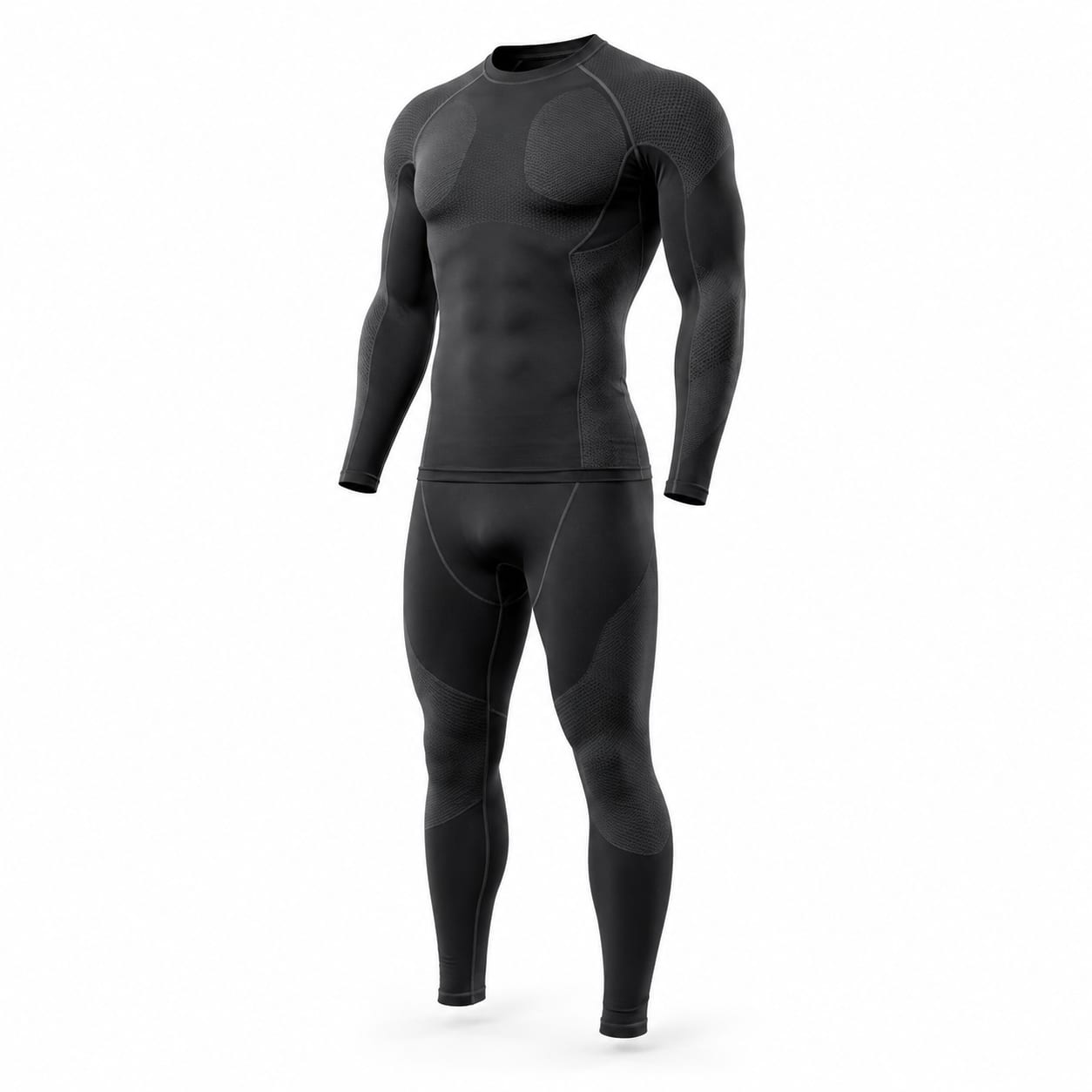
Kitvore.com

Kitvore.com

Specs that matter. Gear that fits.

Ski Underwear · Subcategory

Merino Wool Base Layers

Natural-fiber base layers prized for exceptional odor resistance and comfortable thermoregulation across multi-day ski trips.

Merino wool base layers are the gold standard for skiers who want stay-fresh comfort over multiple days on the mountain. The ultra-fine wool fibers naturally regulate temperature, resist odor-causing bacteria, and manage moisture without the clammy feel synthetics can produce. While less durable and slower to dry than polyester alternatives, merino's unmatched comfort and odor control make it the preferred choice for resort weekends, hut trips, and travel where laundry isn't available.

$50 – $200premium tierbeginnerintermediateadvanced

Best known for

Exceptional odor resistance lasting 5+ days without washingWarm-when-wet performance that feels less clammy than syntheticsNatural thermoregulation across a wide temperature rangeUltra-soft next-to-skin comfort from fine merino fibers (≤21 microns)
Merino Wool Base Layers

Guide

Detailed overview

Merino wool base layers are constructed from the fleece of merino sheep, bred for centuries to produce the finest and softest wool fibers available. Unlike traditional wool that many people associate with itchiness, merino fibers are ultra-fine—typically 17–21 microns in diameter—allowing them to bend against the skin without triggering itch receptors. This makes merino base layers remarkably comfortable as a next-to-skin layer during active skiing. The natural crimp of merino fibers creates tiny air pockets that trap warm air while still allowing moisture vapor to pass through, giving merino its legendary ability to regulate temperature across varying conditions and activity levels.

Merino wool's most celebrated attribute in the skiing context is its natural odor resistance. The fiber's complex structure and slight antimicrobial properties inhibit the bacteria responsible for breaking down sweat into smelly compounds. In practice, this means a quality merino base layer can be worn for five or more consecutive ski days without developing noticeable odor—a game-changer for multi-day hut trips, resort vacations, or backcountry expeditions where laundry access is limited. Synthetic base layers, by contrast, often develop noticeable smell after just one active day.

The second key advantage is merino's relationship with moisture. While synthetic fibers wick liquid sweat faster across the fabric surface, merino absorbs moisture vapor into the fiber itself—up to 35% of its weight before feeling wet. This hygroscopic quality means that during moderate activity, sweat is absorbed and released as vapor before it ever becomes liquid on your skin. The result is a less clammy, more comfortable feel during the transition between high-output skiing and sedentary lift rides. When merino does get wet, it retains approximately 80% of its insulating properties, whereas most insulation loses effectiveness when damp.

The trade-offs are real and should be understood before purchasing. Merino wool is less durable than synthetic alternatives, particularly at high-friction points like under pack straps or where ski pants rub. Pure merino garments can develop small holes after a season or two of regular use, and the fabric is prone to pilling if not cared for properly. Merino also dries noticeably slower than polyester—sometimes taking twice as long to fully dry after a saturated day. Washing requires cold water and gentle cycles, and machine drying can cause irreversible shrinkage. These care requirements are a genuine inconvenience compared to the throw-it-in-any-load simplicity of synthetics.

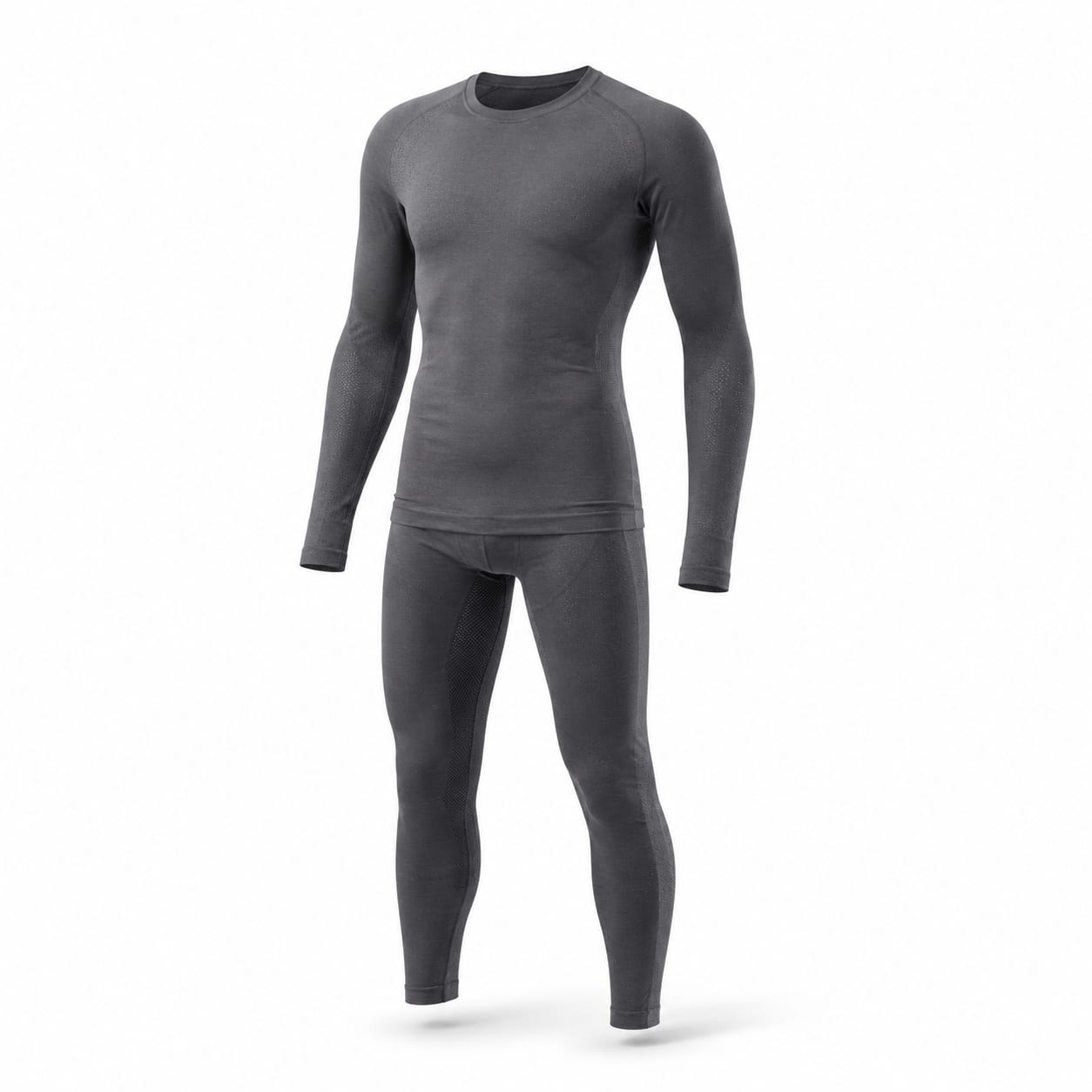
Modern merino base layers have addressed many historical shortcomings through blending and construction advances. Most performance merino garments now include 2–5% elastane for stretch and shape retention, eliminating the bagging-out that plagued early pure-merino layers. Wool-synthetic blends (typically 80/20 to 60/40 merino/polyester) offer improved durability while retaining most of merino's odor-fighting benefits. Body-mapped construction places heavier merino knit at the core and kidneys for warmth, with lighter or mesh-panel zones under the arms for ventilation. These innovations have made merino base layers more practical for aggressive skiing, though pure merino still requires more careful ownership than synthetics.

Quick facts

Primary purpose
Natural odor-resistant thermal regulation with superior comfort across varying conditions
Popular brands
SmartwoolIcebreakerMinus33WoollyioMerino
Typical terrain
all terrainmulti-day tripsbackcountryresort

What makes it different

Natural odor resistance lasting multiple days; biodegradable; wider comfort range than synthetics

Recommended ranges

How this type usually specs out

Each spec is explained in plain language, then we show what buyers usually look for on this type.

Material Type

Material Type

What it means

The primary fabric composition of the base layer, which determines moisture management, odor resistance, warmth, durability, and care requirements.

Typical for this type

100% merino wool for maximum odor resistance; 80/20–60/40 merino/synthetic blends for improved durability

Most common pick: Merino Wool

In practice

Merino wool base layers use ultra-fine wool fibers (17–21 microns) from merino sheep. Premium brands specify micron count—lower numbers indicate softer fiber. Most ski-weight merino is 18.5–19.5 microns for the best balance of softness and durability.

Compared to other types

Merino offers superior odor resistance and warm-when-wet comfort compared to synthetics, but wicks liquid sweat slower and is significantly less durable. Blends split the difference, retaining ~70% of merino's odor control with ~50% better durability.

Why it matters: The merino fiber structure creates natural odor resistance and hygroscopic moisture management that no synthetic treatment can fully replicate. This is the defining characteristic that justifies the premium price point.

Weight Class

Weight Class

What it means

The fabric weight category, which correlates with warmth, bulk, and intended temperature range. Measured in grams per square meter (g/m²) of fabric.

Typical for this type

Lightweight (150 g/m²) for active skiers who run hot; midweight (200–250 g/m²) for cold resort days and average metabolism

In practice

Merino base layers for skiing typically range from 150 g/m² (lightweight) to 260 g/m² (heavyweight). The 180–220 g/m² range is the sweet spot for most resort skiing, providing noticeable warmth without excessive bulk under mid-layers.

Compared to other types

Merino at a given weight feels warmer than equivalent-weight synthetic due to better moisture vapor absorption, so you may size down in weight class compared to synthetic choices.

Why it matters: Weight class directly determines warmth and breathability balance. Merino's natural thermoregulation means you can often choose a lighter weight than you'd need in synthetic, as the fiber actively manages moisture vapor.

Fit Type

Fit Type

What it means

How closely the garment conforms to the body, affecting moisture wicking efficiency, layering compatibility, and freedom of movement.

Typical for this type

Slim Fit For Optimal Moisture Contact And Layering; Compression For Racing Applications

Most common pick: Slim

In practice

A slim/form-fitting cut ensures the merino fiber maintains contact with skin for effective moisture absorption and thermoregulation. Loose fits create air gaps that reduce merino's ability to manage moisture vapor at the skin surface.

Compared to other types

Fit requirements are similar across materials, but merino's natural drape and lack of stretch in pure constructions make slim fits slightly less forgiving than stretchy synthetics. Blends with elastane improve fit retention.

Why it matters: Merino works best when in direct contact with skin—its hygroscopic properties rely on proximity to absorb moisture vapor before it condenses into liquid sweat. A loose fit undermines this core advantage.

Top Style

Top Style

What it means

The neckline and design of the upper-body base layer, affecting ventilation, layering, and comfort.

Typical for this type

Half-Zip Mock Neck For Versatile Temperature Regulation; Crew Neck For Simplicity And Layering Under High-Collar Jackets

Most common pick: Zip Neck Half

In practice

Half-zip mock necks are the most popular merino top style for skiing because they allow rapid heat dumping during climbs or aggressive runs while sealing up for cold lift rides. The mock neck adds warmth at the vulnerable throat area.

Compared to other types

The ventilation advantage of zip-neck styles is amplified with merino because the fabric holds more moisture than synthetics. Proactive venting prevents saturation that takes longer to dry.

Why it matters: Merino's slower drying time makes ventilation control more important than with fast-drying synthetics. A half-zip lets you manage moisture proactively by dumping heat before you over-sweat, reducing the amount of moisture the wool must absorb.

Bottom Style

Bottom Style

What it means

The length and design of the lower-body base layer, affecting coverage, layering, and boot compatibility.

Typical for this type

3/4 length for optimal boot comfort; full length for maximum warmth on very cold days

Most common pick: Full Length

In practice

Full-length merino bottoms provide complete leg coverage and warmth, while 3/4 length eliminates fabric bunching inside ski boots. Many experienced skiers prefer 3/4 because merino's warmth means the exposed lower calf (covered by ski socks) isn't a liability.

Compared to other types

Merino's thicker knit at a given warmth level makes boot interference more likely with full-length bottoms compared to ultralight synthetics, making 3/4 length proportionally more popular among merino users.

Why it matters: Merino's bulkier fabric compared to thin synthetics makes bunching inside boots more noticeable and uncomfortable. 3/4 length avoids this issue entirely while merino's inherent warmth compensates for the slightly shorter coverage.

Moisture Wicking

Moisture Wicking

What it means

The garment's ability to pull perspiration away from the skin and spread it across the fabric surface for evaporation. Critical for staying dry and warm during active skiing.

Typical for this type

Good to Excellent; Look For Merino Blends With Synthetic Wicking Panels If You Sweat Heavily

Most common pick: Good

In practice

Merino wool absorbs moisture vapor into the fiber structure (up to 35% of its weight) before it becomes liquid sweat, providing a less clammy feel during moderate activity. During high-output periods, liquid wicking speed is slower than polyester grid fabrics.

Compared to other types

Merino rates 'good' for wicking versus 'excellent' for synthetics. The trade-off is that merino feels less clammy when damp because moisture is held inside the fiber rather than on the surface against your skin.

Why it matters: Merino's moisture management approach is fundamentally different from synthetics—it absorbs vapor rather than rapidly transporting liquid. This feels more comfortable at moderate output but can result in a heavier, damper garment during sustained high-intensity skiing.

Odor Resistance

Odor Resistance

What it means

The garment's ability to resist bacterial growth and associated odors over multiple wears. Affects how many days you can wear the base layer between washes on multi-day trips.

Typical for this type

Excellent (5+ days) for pure merino; good (3–4 days) for merino-synthetic blends

Most common pick: Excellent

In practice

Merino wool's complex keratin protein structure naturally inhibits bacterial growth that causes body odor. The fiber also absorbs and traps odor molecules, releasing them only during washing. This is merino's single most compelling advantage over all other base layer materials.

Compared to other types

Merino's odor resistance is unmatched—5+ days versus 1–2 days for synthetics with silver-ion treatments (which diminish over washes) and same-day for untreated synthetics. This is the primary reason to choose merino over any alternative.

Why it matters: For multi-day ski trips, this means packing one merino base layer instead of three synthetic ones. The weight and bulk savings in your luggage, plus the social comfort in close quarters, are significant practical benefits that justify the higher price.

Seam Construction

Seam Construction

What it means

The type and placement of seams, which affect chafing potential, durability, and comfort under layers and gear.

Typical for this type

Flatlock Minimum; Seamless For Premium Comfort And Reduced Chafing Under Pack Straps

Most common pick: Flatlock

In practice

Most quality merino base layers use flatlock seam construction, which creates low-profile seams that layer smoothly under mid-layers. Premium options may feature seamless or bonded construction, which eliminates chafing entirely—particularly valuable at the shoulder where pack straps create pressure.

Compared to other types

Seam requirements are similar across materials, but merino's softer fabric makes rough seams more noticeable against skin. Investing in flatlock or seamless construction yields proportionally more comfort improvement with merino than with smoother synthetics.

Why it matters: Merino's softer, less abrasion-resistant fabric makes seam comfort more noticeable than with smooth synthetics. Flatlock seams prevent the seam-against-skin irritation that can develop during long ski days.

Stretch

Stretch

What it means

The garment's ability to stretch and recover, affecting freedom of movement and long-term fit retention.

Typical for this type

2-way stretch minimum (with 2–5% elastane); 4-way stretch for aggressive skiing and snowboarding

Most common pick: Two Way

In practice

Modern merino base layers almost universally include 2–5% elastane for stretch and shape retention. Pure merino without elastane tends to bag out during a day of skiing and doesn't recover, leaving you with a loose, less effective base layer by afternoon.

Compared to other types

Merino with elastane approaches the stretch performance of synthetics, though the wool fiber itself has minimal natural stretch. Pure merino has significantly less stretch and recovery than any synthetic option.

Why it matters: Elastane content is the single most important quality indicator for merino base layer longevity. Without it, pure merino stretches and sags with wear, losing the skin contact essential for moisture management and eventually becoming too loose to function properly as a base layer.

Gender

Gender

What it means

The intended gender fit of the garment, which affects cut, proportions, and anatomical features.

Typical for this type

Always Choose Gender-Specific Cuts For Optimal Fit And Layering Performance

Most common pick: Mens / Womens

In practice

Merino wool base layers are available in men's and women's specific cuts with appropriate proportional differences. Women's merino tops feature contoured waist shaping and narrower shoulders; women's bottoms have wider hip proportions and often yoga-style waistbands.

Compared to other types

Fit precision matters more with merino than stretchy synthetics because merino has less inherent give. A poorly fitting merino layer is more likely to gap or bind than an equivalent synthetic layer.

Why it matters: Gender-specific fit is especially important with merino because the fabric's limited stretch (compared to synthetics) means a poor proportional fit can't be compensated by fabric elasticity. A women's-specific cut ensures the merino maintains skin contact at the waist and hips.

Warmth Rating

Warmth Rating

What it means

The perceived warmth level of the garment, combining material, weight, and construction into a single comparative metric.

Typical for this type

Moderate warmth (180–220 g/m²) for typical winter skiing; high warmth (250+ g/m²) for cold-sensitive riders or sub-zero conditions

Most common pick: Moderate

In practice

Merino base layers at moderate warmth ratings provide the best balance for most skiing conditions (15–30°F / -9 to -1°C). Merino's active thermoregulation means moderate-weight garments feel warmer than equivalent-weight synthetics in practice.

Compared to other types

A moderate-warmth merino base layer typically feels equivalent to a high-warmth synthetic in perceived warmth, allowing you to choose a lighter weight class than you might with synthetic alternatives.

Why it matters: Merino's hygroscopic nature generates a small amount of heat as it absorbs moisture vapor (heat of sorption), providing a subtle but perceptible warmth boost during the transition from dry to damp conditions that synthetics don't offer.

Thumbholes

Thumbholes

What it means

Whether the top includes thumbholes at the cuff to keep sleeves in place and provide hand coverage during layering.

Typical for this type

Optional; Choose Thumbholes For Cold-Weather Layering Convenience, Skip For Simplicity

Most common pick: False

In practice

Thumbholes are available on some merino base layer tops but are less common than on synthetic layers. They prevent sleeve ride-up when pulling on mid-layers and add wrist warmth, which is valuable for riders with cold hands.

Compared to other types

Thumbholes are equally useful across materials but may be slightly more beneficial with merino due to the fabric's tendency to stretch and lose cuff elasticity over time.

Why it matters: Thumbholes are a convenience feature that becomes more valuable with merino because the fabric's slightly bulkier construction is more likely to shift during layering. They also protect the cuff area from stretching out over time.

Gusseted Crotch

Gusseted Crotch

What it means

Whether the bottom base layer includes a diamond or triangular fabric panel at the crotch for enhanced mobility and reduced seam stress.

Typical for this type

Recommended For Snowboarders And Aggressive Skiers; Less Critical For Casual Resort Skiing

Most common pick: False

In practice

Gusseted crotches are less common in merino base layer bottoms than in synthetic alternatives, partly because merino's construction techniques favor simpler seam patterns. When available, they provide the same mobility benefits as in any base layer material.

Compared to other types

Gusseted crotches are proportionally more valuable in merino than synthetics because merino's lower durability means crotch seam stress is more likely to cause fabric failure over time.

Why it matters: For snowboarders who spend time in deep bends and sitting positions, a gusseted crotch reduces seam stress and prevents the crotch seam from pulling down during movement. This is especially valuable with merino because the fabric is more prone to seam failure under stress.

Fly Type

Fly Type

What it means

The type of front opening on men's base layer bottoms, affecting convenience and comfort.

Typical for this type

Vertical Fly Is Standard And Functional; Horizontal Fly For Lower Profile Under Layers

Most common pick: Vertical Fly

In practice

Men's merino base layer bottoms typically feature a vertical fly, which is the traditional and most familiar design. Some performance-oriented merino bottoms use horizontal flies for a lower profile under layers.

Compared to other types

Fly type considerations are identical across base layer materials. This dimension is not meaningfully affected by the merino wool construction.

Why it matters: Fly type is a minor convenience feature with no significant performance impact. Choose based on personal preference.

Body-Mapped Construction

Body-Mapped Construction

What it means

Whether the garment uses strategically placed fabric zones with different weights, textures, or knit structures to optimize warmth and breathability where needed.

Typical for this type

Body-Mapped Construction Is A Worthwhile Upgrade For Variable-Output Skiing; Uniform Construction Is Fine For Consistent-Pace Resort Days

Most common pick: False

In practice

Body-mapped merino base layers use heavier knit at the core and kidneys for warmth, with lighter or mesh-panel zones under the arms and across the back for ventilation. This is less common in merino than synthetics due to manufacturing complexity with wool knit structures.

Compared to other types

Body mapping provides proportionally greater benefit with merino than synthetics because it compensates for merino's slower drying speed by preventing saturation in the first place.

Why it matters: Body mapping is particularly beneficial with merino because it addresses the fabric's slower drying time by increasing ventilation in high-sweat zones. This proactive approach reduces the total moisture the wool must absorb and release, improving overall comfort.

UPF Rating

UPF Rating

What it means

Ultraviolet Protection Factor rating indicating how effectively the fabric blocks UV radiation. Relevant for high-altitude spring skiing.

Typical for this type

Not rated is fine for winter; UPF 30–50+ recommended for spring skiing at altitude

Most common pick: None Rated

In practice

Most merino base layers don't carry a formal UPF rating, but the dense knit structure of merino wool naturally provides good UV protection—often equivalent to UPF 25–50+ depending on fabric weight and color. Heavier merino knits block more UV than lighter weights.

Compared to other types

Merino provides better natural UV protection than most lightweight synthetics, which often have more open knit structures. A midweight merino layer likely offers equivalent or better UV protection than a UPF-rated lightweight synthetic.

Why it matters: Merino's natural UV protection is a bonus for high-altitude spring skiing when UV radiation is intense and reflects off snow. You get meaningful sun protection without specifically seeking a rated garment.

Waistband Type

Waistband Type

What it means

The style and construction of the waistband on bottom base layers, affecting comfort under layers and during movement.

Typical for this type

Wide Yoga-Style Band For Maximum Comfort Under Layers; Elastic Band For Secure Simplicity

In practice

Merino base layer bottoms most commonly use elastic waistbands encased in fabric. Women's models increasingly feature wide yoga-style bands that distribute pressure more evenly and lay flatter under ski pants. Premium options may have knit-in waistbands for the lowest profile.

Compared to other types

Waistband considerations are similar across materials, but merino's slightly thicker fabric makes low-profile waistband options proportionally more comfortable under layers.

Why it matters: Waistband comfort is particularly important with merino because the fabric's bulkier construction can make layered waistbands more noticeable than with thin synthetics. A flat, wide waistband reduces the stacked-waistband discomfort that can develop during a full ski day.

Evaluation

Strengths and trade-offs

Pros

What this type does best

Exceptional Odor Resistance

Critical

Merino wool naturally inhibits bacterial growth, allowing 5+ days of wear without developing noticeable odor. This is the single most compelling advantage for multi-day ski trips, hut tours, and travel where laundry access is limited.

Warm When Wet

Critical

Merino retains approximately 80% of its insulating properties when damp, and the hygroscopic fiber structure means moisture is held inside the fiber rather than against your skin. The result is a dramatically less clammy feel compared to wet synthetics.

Natural Thermoregulation

High

Merino fibers actively manage moisture vapor, absorbing it during high output and releasing it during rest periods. The heat of sorption (a small exothermic reaction when wool absorbs moisture) provides a subtle warmth boost during the transition from dry to damp conditions.

Wide Comfort Range

High

Merino base layers remain comfortable across a broader temperature range than synthetics, reducing the likelihood of feeling too cold at rest or too hot during activity. This makes them particularly well-suited to variable-output days mixing lift rides with hiking or ski touring.

Ultra-Soft Next-to-Skin Feel

Medium

Quality merino fibers (≤19.5 microns) are remarkably soft against the skin, with none of the itchiness associated with traditional wool. The natural fiber also has a more pleasant hand feel than most synthetics, which can feel plasticky or clammy.

Natural UV Protection

Medium

The dense knit structure of merino wool naturally blocks a significant amount of UV radiation, providing protection equivalent to UPF 25–50+ in most weights without chemical treatments.

Sustainable and Biodegradable

Medium

Merino wool is a renewable resource that biodegrades at the end of its life, unlike synthetic fibers that shed microplastics and persist in landfills. Responsible merino farming practices (ZQ-certified, mulesing-free) address animal welfare concerns.

Cons

Trade-offs to be aware of

Lower Durability

Significant

Merino wool is significantly less abrasion-resistant than synthetic alternatives. High-friction areas like under pack straps, at the hip belt, or where ski pants rub can develop holes within one to two seasons of regular use. Pure merino is particularly vulnerable; blends improve durability substantially.

Slower Drying Time

Moderate

Because merino absorbs moisture into the fiber structure rather than just transporting it across the surface, it takes noticeably longer to dry than synthetics—sometimes twice as long. A saturated merino base layer may still be damp the next morning if not given proper drying time.

Higher Cost

Moderate

Quality merino base layers typically cost 50–100% more than equivalent synthetic options. A midweight merino top runs $80–150 versus $40–80 for synthetic. This premium is justified by odor resistance and comfort but is a real barrier for budget-conscious buyers.

Demanding Care Requirements

Moderate

Merino requires cold water washing on gentle cycles and must be air-dried or tumble-dried on low heat. Hot water causes shrinkage; high heat causes felting and permanent damage. This is a genuine inconvenience compared to the wash-and-wear simplicity of synthetics.

Potential for Pilling

Minor

Merino wool is prone to pilling, especially in areas of friction. While pilling doesn't affect performance, it makes garments look worn and less appealing. Higher-quality merino with longer staple fibers pills less, but virtually all merino will develop some pilling over time.

Shape Loss Without Elastane

Minor

Pure merino without elastane content tends to stretch and bag out during wear, losing the skin-hugging fit essential for effective moisture management. By late afternoon, a pure merino top may fit more like a regular cut than a slim fit, reducing its effectiveness.

Best for

Terrain

All resort terrainBackcountry and sidecountryHut-to-hut touring

Snow conditions

Cold to moderate temperatures (0–35°F / -18–2°C)Variable conditions with mixed output levelsMulti-day trips without laundry accessHumid or wet snow conditions where warm-when-wet matters

Skill level

IntermediateAdvancedExpert

Riding style

All-mountain skiingBackcountry touringFreerideResort cruising

Rider profile

Multi-day trip takers who value packing lightRiders sensitive to synthetic fabric feel or odorSkiers who alternate between high-output and sedentary periodsEnvironmentally conscious riders preferring natural fibersCold-sensitive riders who appreciate merino's perceived warmth advantage

Not ideal for

Reasons

Budget-conscious buyers who ski only occasional day trips with laundry accessRiders who are hard on gear and need maximum durability for investment protectionVery high-sweat individuals who consistently saturate base layers during intense outputThose unwilling to follow the specific care requirements merino demands

Terrain

Indoor ski slopes (overkill warmth and cost)

Skill level

First-day beginners who may not continue (cost justification)

Riding style

High-output skate skiing where maximum wicking speed mattersRace training where frequent washing makes odor resistance irrelevant

Compare

How it stacks up

This page

Merino Wool Base Layers

Far superior odor resistance (5+ days vs. same-day), warm-when-wet comfort, wider comfort temperature range, more pleasant next-to-skin feel, biodegradable and renewable material

Alternative

Synthetic Polyester Base Layers

Faster moisture wicking and drying, significantly higher durability at 2–3x the lifespan, lower cost, simpler care requirements, better for very high-output activities where rapid drying matters

Bottom line

Choose merino for multi-day trips, odor-sensitive situations, and riders who value comfort across varying conditions. Choose synthetic for high-output backcountry touring, budget constraints, and riders who are hard on gear.

This page

Merino Wool Base Layers

Maximum odor resistance from higher wool content, pure natural fiber feel against skin, fully biodegradable, slightly better moisture absorption for less clammy feel

Alternative

Wool-Synthetic Blend Base Layers

Significantly better durability (often 50–80% longer lifespan), faster drying, better shape retention, lower cost, easier care—while retaining 60–80% of merino's odor resistance

Bottom line

Choose pure merino if odor resistance is your top priority and you're willing to invest in careful ownership. Choose blends for the best balance of merino comfort with practical durability, especially for frequent use.

This page

Merino Wool Base Layers

Much better odor resistance, significantly warmer at equivalent weight, more durable, better moisture management, warm when wet—silk provides almost no insulation when damp

Alternative

Silk Base Layers

Lighter weight and lower bulk, luxurious hand feel, excellent packability for travel, smoother surface for easy layering under tight garments

Bottom line

Choose merino for any active skiing in cold conditions. Silk is only appropriate for mild spring skiing, travel layering, or casual resort use where warmth requirements are minimal.

This page

Merino Wool Base Layers

Vastly superior odor resistance, more comfortable feel against skin, no risk of melting under high heat, biodegradable, easier to care for despite merino's requirements

Alternative

Polypropylene Base Layers

Superior moisture transport for extreme high-output activities, hydrophobic fiber absorbs virtually zero moisture, lighter weight for equivalent warmth

Bottom line

Choose merino for virtually all recreational skiing. Polypropylene is only justified for extreme cold-weather professional use or very high-output activities where maximum moisture transport is critical and odor is managed by frequent washing.

Shopping

Buying tips

  • 1

    Check the micron count—quality merino for base layers should be 18.5–19.5 microns. Anything above 21 microns may feel itchy. Brands rarely advertise micron counts below 18.5 in base layers because ultra-fine fibers sacrifice durability.

  • 2

    Prioritize merino blends with 2–5% elastane over pure merino. The stretch and recovery dramatically improve fit retention and longevity with minimal impact on odor resistance. Pure merino bags out by afternoon and doesn't recover.

  • 3

    For multi-day trips, one midweight merino base layer replaces three synthetic ones in your luggage. Factor this packing efficiency into your cost analysis—a $120 merino layer that replaces three $50 synthetic layers is actually cheaper overall.

  • 4

    Size down rather than up if you're between sizes. Merino's natural give and tendency to stretch with wear means a slightly snugger initial fit will be more effective for moisture management and will maintain better contact throughout the day.

  • 5

    Look for mulesing-free certifications (ZQ, Responsible Wool Standard) to ensure ethical sourcing. Mulesing is a controversial practice in merino farming, and many premium brands now guarantee mulesing-free wool.

  • 6

    If you're new to merino, start with a lightweight (150 g/m²) top before investing in a full set. This lets you test the feel and care requirements at lower cost and risk. You can always add heavier pieces later.

  • 7

    Consider 3/4 length bottoms over full length. Merino's bulkier fabric is more likely to bunch inside ski boots, and the warmth difference is negligible since quality ski socks cover the gap.

  • 8

    Invest in a merino-specific detergent (or gentle wool wash) at purchase. Regular detergents can damage merino fibers over time, and fabric softeners coat the fibers and reduce moisture management performance.

Care

Maintenance notes

  • Always wash merino in cold water (30°C/86°F maximum) on a gentle or wool cycle. Hot water causes irreversible shrinkage and felting.
  • Use merino-specific or gentle wool detergent. Never use regular detergent with enzymes or fabric softener—both damage wool fibers and reduce performance.
  • Air dry flat whenever possible. If you must use a dryer, use the lowest heat setting and remove the garment while slightly damp. High heat causes shrinkage and can permanently damage the fiber structure.
  • Wash merino inside-out to reduce pilling on the exterior surface. Turn garments right-side out only for drying.
  • Store merino clean and completely dry. Moths are attracted to body oils and sweat residue in wool. Use cedar blocks or lavender sachets in storage areas as natural moth deterrents.
  • Address small holes immediately with merino-specific repair kits or darning. Small holes in merino expand quickly under friction, especially at high-wear points like elbows and underarms.
  • Between wears on multi-day trips, air out merino base layers by hanging them in a well-ventilated area—not crumpled in a ski bag or damp pile. This allows the fiber to release absorbed moisture and odors.
  • Expect some pilling, especially in friction areas. Use a fabric shaver or de-pilling comb carefully to remove pills without damaging the underlying fabric. Pilling is normal and doesn't indicate poor quality.

Progression

Skill development path

Merino wool base layers are appropriate for all skill levels but are most appreciated by intermediate-to-advanced skiers who have developed enough experience to recognize the comfort differences between base layer materials. Beginners may not notice the advantages that justify the premium price. As skiers progress to multi-day trips, backcountry touring, and variable-condition skiing, merino's benefits become increasingly apparent. Expert skiers who alternate between high-output descents and long lift rides particularly value merino's thermoregulation, while backcountry travelers consider the odor resistance essential for hut trips and multi-day tours.

FAQ

Common questions

Each question has a dedicated page with a full answer and links to the buying guide.

Doesn't merino wool itch against the skin?

Quality merino wool used in base layers does not itch. Merino fibers are ultra-fine—typically 18.5–19.5 microns in diameter—compared to traditional wool fibers at 30+ microns. These fine fibers bend when they contact skin, rather than poking like thicker wool fibers. If you've had an itchy experience with 'merino,' it was likely either low-quality wool with higher micron count or a blend with coarse synthetic fibers. Stick to reputable brands specifying micron count under 20.

How many days can I really wear a merino base layer before it smells?

Most quality merino base layers can be worn 5–7 days of active skiing before developing noticeable odor, compared to 1 day (or less) for untreated synthetics. This varies with individual body chemistry, activity level, and the specific garment. Merino-synthetic blends typically manage 3–4 days. The key is airing the garment between wears—hanging it up overnight rather than crumpling it in a pile allows the fiber to release absorbed moisture and odor compounds.

Is merino really worth the higher price compared to synthetic base layers?

It depends on how you ski. For multi-day trips, merino's odor resistance means packing one base layer instead of three, which saves luggage weight and bulk that often exceeds the cost difference. For day trips with laundry access, the value proposition is purely about comfort—merino feels better against skin and manages temperature more smoothly, but you can achieve adequate performance with synthetics at half the price. If you ski 20+ days per year or take multi-day trips, merino is worth the investment. For occasional day trips, synthetics are the pragmatic choice.

Can I put my merino base layer in the dryer?

Technically yes, on the lowest heat setting only, but air drying flat is strongly recommended. Even low dryer heat can cause gradual shrinkage over multiple cycles, and any mistake with heat settings can cause irreversible damage. The safest approach is to lay the garment flat on a clean towel, roll it up to remove excess water, then lay it flat to dry. If you must use a dryer, use the air-fluff (no heat) setting and check frequently. Never use medium or high heat.