
Skis · FAQ
Questions about Cross-Country Skate Skis
Straight answers on fit, specs, and when this type makes sense — each topic has its own page with links back to the buying guide.
Open Cross-Country Skate Skis guide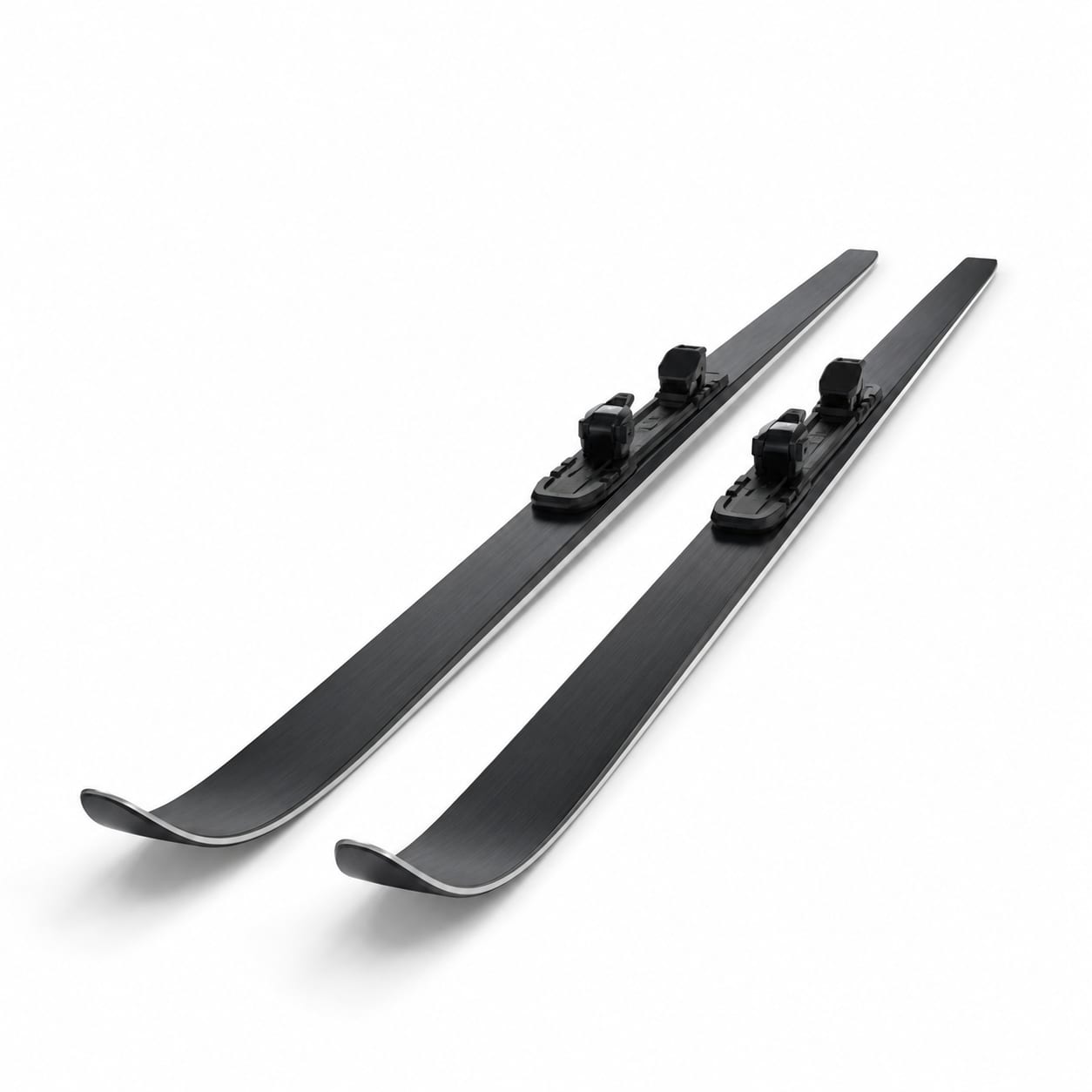
6 topics
Pick a question
Every answer links to the full subcategory guide and related gear types when it helps you decide.
How do I know what length skate ski I need?
Skate ski length is determined primarily by your weight, not your height. Each manufacturer provides a weight-to-length chart—follow it closely. Heavier skiers need longer skis for sufficient camber stiffness. As a rough guide: under 60kg typically uses 170–175cm, 60–75kg uses 175–185cm, and over 75kg uses 185–195cm. When between sizes, skilled skiers can go longer for better glide, while newer skaters should choose the shorter option for easier control.
Read answer →02Can I use skate skis for classic technique?
No. Skate skis have no grip zone and a smooth, waxed base from tip to tail. If you attempt to diagonal stride (classic technique) on skate skis, your kick foot will slip backward because there is nothing to grip the snow. You need dedicated classic skis with a grip zone for classic technique, or combi skis if you want one pair that can do both (with performance compromises).
Read answer →03What is the difference between NIS and IFP binding systems?
NIS (Nordic Integrated System) by Rottefella and IFP (Integrated Fixation Plate) by Salomon are the two main Nordic binding platforms. Both allow tool-free binding position adjustment but are not cross-compatible. NIS uses a plate bonded to the ski with bindings that slide and click into place. IFP uses a similar integrated plate system. Your choice depends on which boot/binding brand ecosystem you prefer—Rottefella bindings (NIS) or Salomon bindings (IFP). Both perform excellently.
Read answer →04Do I need to wax skate skis?
Yes, absolutely. Unlike classic skis where grip wax is optional if you use waxless bases, skate skis require regular glide waxing for performance and base protection. A properly waxed skate ski is significantly faster and more enjoyable to ski. Plan to wax every 2–4 ski days, or more frequently in abrasive snow conditions. Glide waxing is simpler than kick waxing since you're only applying one type of wax to the entire base.
Read answer →05Can I skate ski anywhere or do I need groomed trails?
Skate skiing requires groomed skate lanes to work properly. The technique involves wide, lateral strides that need a firm, packed surface of at least 2–3 meters width. You cannot skate ski in classic tracks (too narrow), deep snow (no support for lateral push), or ungroomed terrain. Most Nordic centers groom dedicated skate lanes, and this is where skate skiing is done. If your local area doesn't have grooming, classic skiing is the better option.
Read answer →06How do I test if my skate ski camber matches my weight?
The paper test is the standard method: place the ski on a flat, hard surface, stand on it with your full weight evenly distributed on both skis, and have someone slide a piece of paper under the ski. The paper should slide freely from tip to tail with full weight on both skis. Then shift all weight to one ski—the paper should be trapped and unable to move, indicating the ski has compressed to full snow contact. If the paper slides freely on one ski, the camber is too stiff. If it's trapped on both skis, the camber is too soft. Professional shops can perform more precise camber testing.
Read answer →