Ski Type / Category
Ski Type
What it means
The primary intended use and design category of the ski, which dictates its overall geometry, flex, and feature set.
Typical for this type
Cross-Country Skate Specific
Most common pick: Nordic Skate (Not Listed In Alpine Enum)
In practice
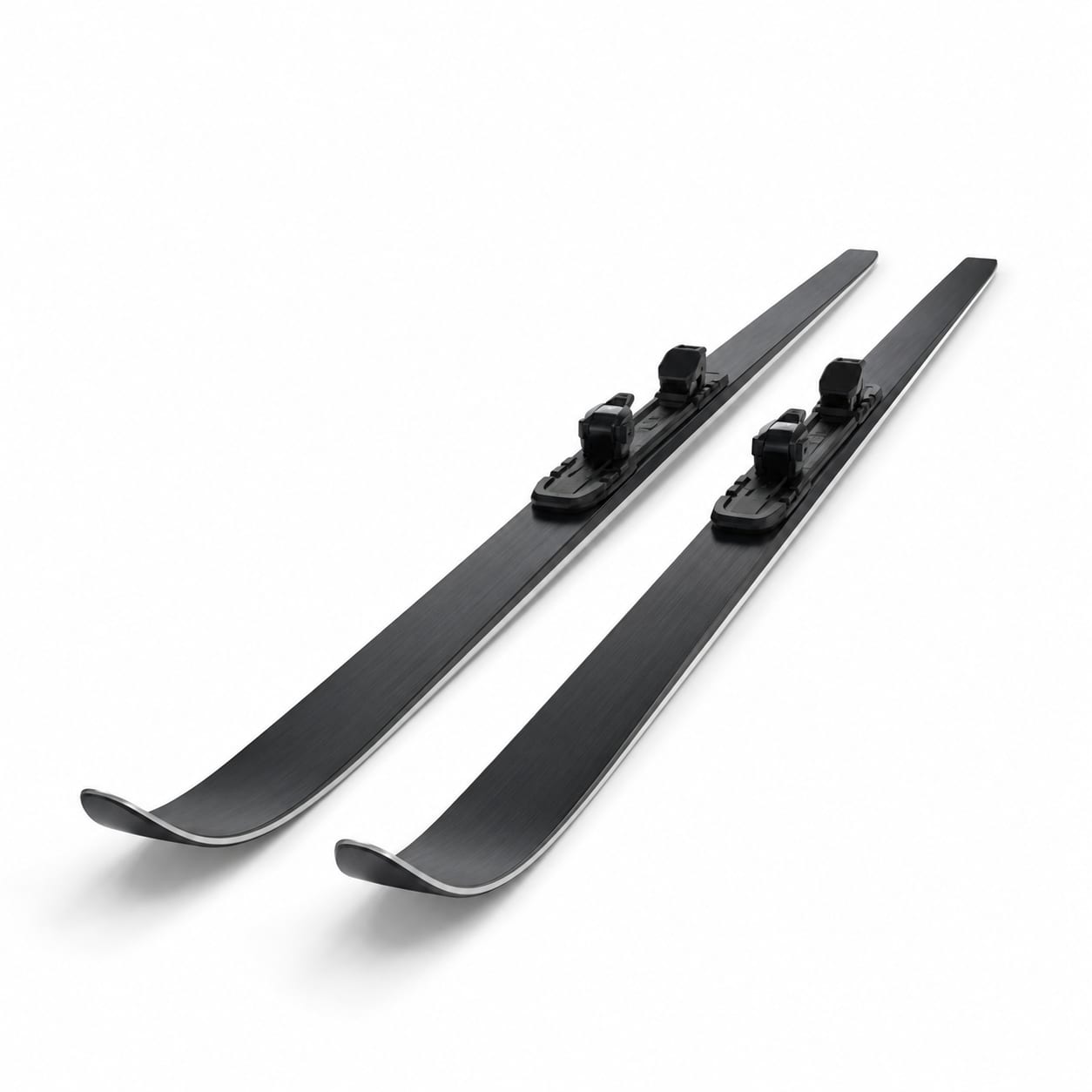
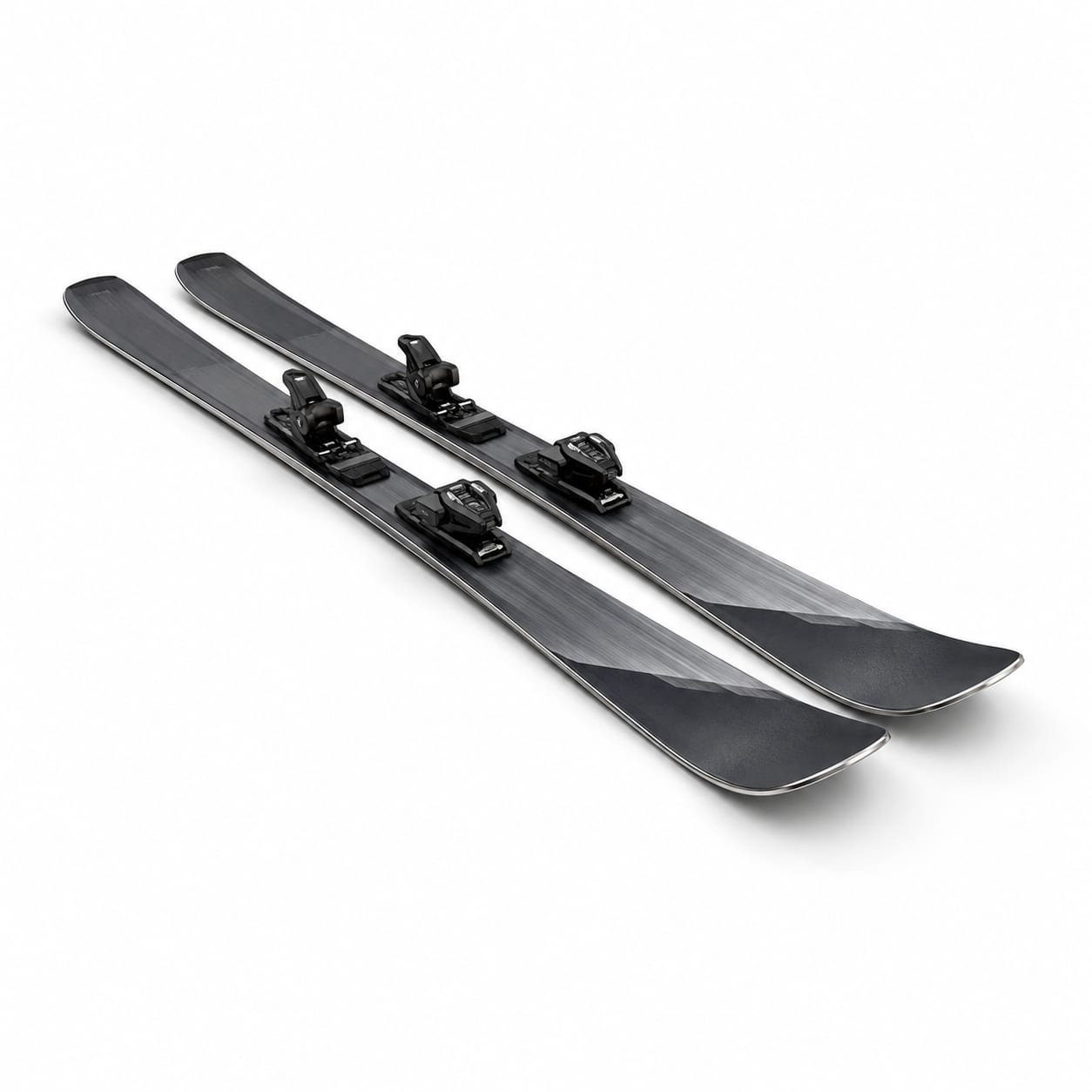
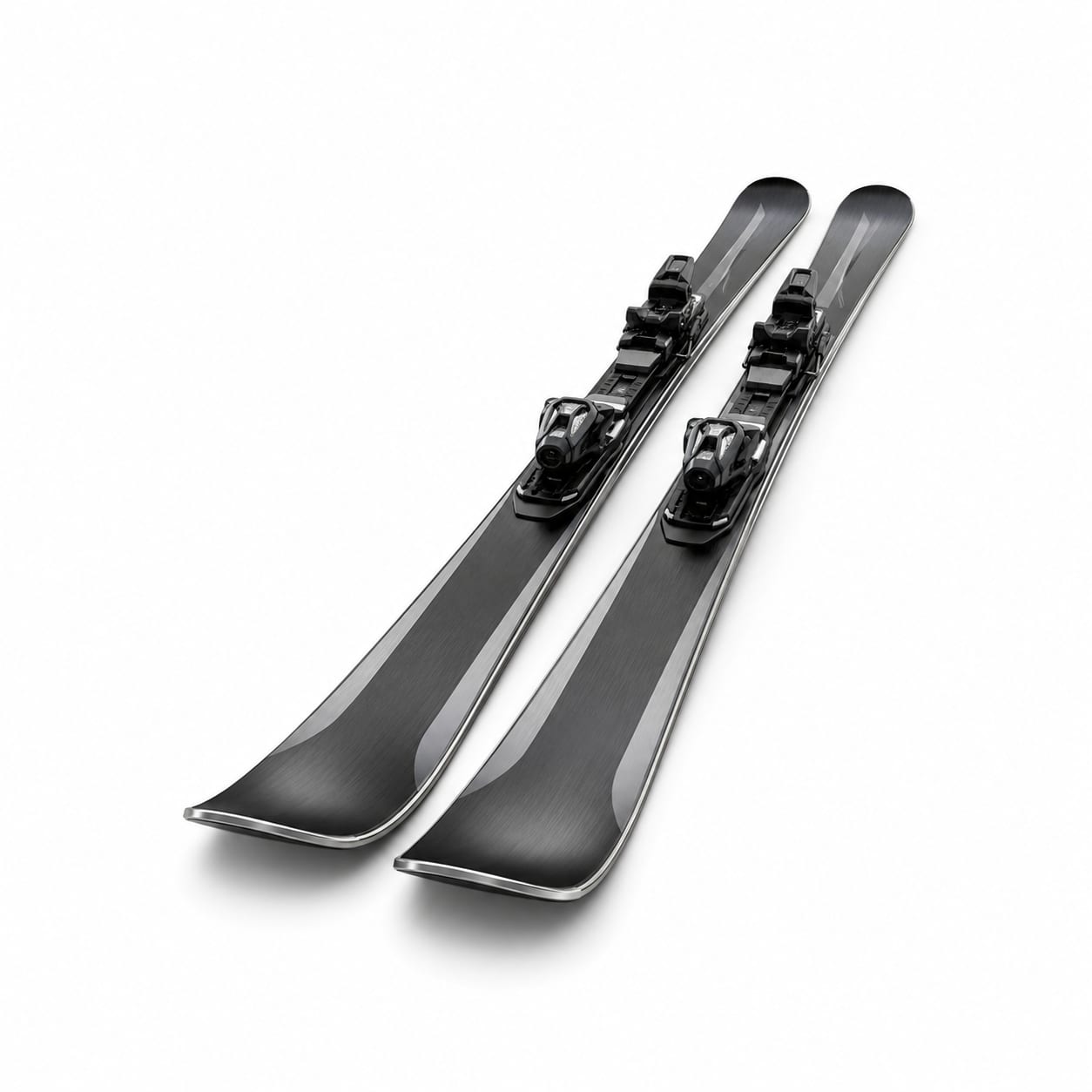
Cross-country skate skis are a distinct Nordic category not covered by the alpine-focused enum values. They are designed exclusively for the V-skating technique on groomed Nordic trails and are fundamentally different from all alpine ski types in geometry, flex, binding system, and intended use.
Compared to other types
Unlike all alpine types (all-mountain, freeride, racing, etc.), skate skis have no metal edges, no sidecut for carved turns, no alpine binding compatibility, and are designed for flat-to-rolling groomed Nordic terrain rather than downhill descent.
Why it matters: Using the correct ski type is non-negotiable—skate skis cannot perform classic technique effectively, and classic skis cannot be skated efficiently. The ski type dictates the entire design philosophy.
What it means
The total length of the ski from tip to tail, measured in centimeters. Affects stability, turn radius, and maneuverability.
Typical for this type
170–195 cm
Most common pick: 180 cm
In practice
Skate ski length is determined primarily by skier weight rather than height. Heavier skiers require longer skis to achieve sufficient camber stiffness for proper snow clearance during glide. Most adult skate skis fall between 170–195cm.
Compared to other types
Skate skis are generally 5–10cm shorter than classic skis for the same skier but significantly longer than any alpine ski relative to body height, as length directly contributes to glide efficiency on flat terrain.
Why it matters: Too short a ski won't provide enough camber stiffness or glide surface, causing the ski to sag and drag during single-leg glide. Too long a ski becomes cumbersome and difficult to control during the rapid weight transfers of the skating stride.
What it means
The width of the ski at its narrowest point (underfoot), measured in millimeters. The single most important geometry measurement that determines terrain suitability.
Typical for this type
41–45 mm
Most common pick: 43 mm
In practice
Skate skis have very narrow waists, typically 41–45mm, to minimize snow contact area and reduce friction. This narrow profile allows the ski to sit cleanly in groomed skate lanes with minimal drag.
Compared to other types
At 41–45mm, skate skis are the narrowest ski subcategory—far narrower than even frontside alpine skis (63–75mm) and slightly narrower than classic Nordic skis (44–48mm). This extreme narrowness reflects the pure glide priority.
Why it matters: A narrower waist reduces glide friction and improves speed on groomed tracks. However, going too narrow can compromise stability, especially for heavier skiers or those still developing balance. FIS regulations set minimum width requirements for competition.
What it means
The width of the ski at its widest point near the tip, measured in millimeters. Works with waist width to determine the ski's sidecut and floatation characteristics.
Typical for this type
44–48 mm
Most common pick: 45 mm
In practice
Skate ski tips are only slightly wider than the waist, creating a very subtle sidecut. The tip width is just enough to provide directional stability and smooth entry into the glide without adding unnecessary surface area or drag.
Compared to other types
Skate ski tip widths (44–48mm) are the narrowest of any ski type. Even classic Nordic skis have slightly wider tips. Alpine ski tips start at 90mm minimum and go up to 155mm for powder skis.
Why it matters: The minimal tip-waist differential means skate skis track very straight and resist unwanted turning forces—ideal for the straight-ahead glide phases of skate skiing. Too wide a tip would add drag and make the ski feel sluggish.
What it means
The width of the ski at its widest point near the tail, measured in millimeters. Affects turn completion, stability, and how the ski releases from turns.
Typical for this type
43–46 mm
Most common pick: 44 mm
In practice
Skate ski tails are nearly the same width as the waist and tip, maintaining the nearly parallel silhouette that characterizes Nordic skate geometry. The tail provides a clean release from the snow during the glide phase.
Compared to other types
Like the tip, the tail width of skate skis is dramatically narrower than any alpine ski type (80–145mm). The minimal tip-to-tail taper is unique to Nordic skis and reflects the absence of carved-turn requirements.
Why it matters: A nearly uniform width from waist to tail ensures the ski releases cleanly from the snow without dragging or hooking. This consistency supports the rapid weight transfers and direction changes inherent in the skating stride.
What it means
The theoretical radius of the smallest turn the ski can make when tipped on edge, measured in meters. Derived from the sidecut dimensions. Determines the natural turn shape of the ski.
Typical for this type
Not Applicable In Traditional Sense
Most common pick: N/A — Minimal Sidecut
In practice
Skate skis have such minimal sidecut (nearly parallel sidewalls) that traditional turn radius is not a meaningful specification. Directional control comes from the skating stride and edge engagement during V-skate pushes, not from carved turns.
Compared to other types
All alpine ski types have defined turn radii (8–40m+) that dictate turn shape. Skate skis effectively have no meaningful turn radius, as they operate on a fundamentally different movement pattern.
Why it matters: Skate skis are not designed for carved turns. Attempting to carve on skate skis is ineffective due to the lack of sidecut and metal edges. Direction changes happen through the skating motion itself.
Rocker/Camber Profile
Rocker/Camber Profile
What it means
The longitudinal shape of the ski when unweighted—how it curves from tip to tail. The most influential design element for how a ski feels and performs.
Typical for this type
Full Camber — Stiff Nordic Skate Profile
Most common pick: Full Camber (Nordic-Specific)
In practice
Skate skis use a full camber profile that is significantly stiffer than alpine full camber. The camber must be stiff enough that when the skier's full body weight is on one ski during the glide phase, the entire base lifts off the snow. This is the defining design requirement of a skate ski.
Compared to other types
While alpine full camber skis also use continuous camber, the purpose and stiffness are different. Alpine camber provides edge hold and energy return for carved turns. Skate ski camber provides snow clearance for pure glide. Skate ski camber is stiffer relative to skier weight than any alpine ski.
Why it matters: Proper camber stiffness matched to skier weight is the single most critical fit parameter for skate skis. If the camber is too soft, the ski drags during glide. If too stiff, the ski won't make full contact during the push phase, reducing grip and power transfer.
Flex / Stiffness
Flex Rating
What it means
How stiff or soft the ski is along its length, typically rated on a scale. Affects edge hold, stability, energy transfer, and forgiveness.
Typical for this type
6–9 (on alpine 1–10 scale, Relative)
Most common pick: 7
In practice
Skate skis are relatively stiff longitudinally to maintain camber clearance during single-leg glide. However, flex must be matched to skier weight—heavier skiers need stiffer skis. On the alpine flex scale, skate skis would rate 6–9, but this comparison is imperfect because Nordic flex behavior is fundamentally different.
Compared to other types
Skate skis are stiffer than classic Nordic skis (which need a softer flex zone for kick) and are in a similar stiffness range to alpine racing skis, though the flex pattern and purpose are entirely different.
Why it matters: The flex must be precisely matched to the skier's weight. A ski that is too soft will collapse during glide, creating drag. A ski that is too stiff won't compress during the push phase, reducing the effective push-off surface area and power.
Core Material
Core Material
What it means
The primary material used in the ski's core, which largely determines its weight, flex characteristics, dampening, and feel.
Typical for this type
Lightweight Hybrid Or Wood Composite
Most common pick: Lightweight Hybrid
In practice
Performance skate skis almost universally use lightweight core constructions. Common configurations include paulownia wood with Nomex honeycomb sections, ISO-core (injected foam with wood reinforcements), or lightweight wood laminates with carbon fiber. The priority is maximum stiffness-to-weight ratio.
Compared to other types
Unlike alpine skis where solid wood cores are the performance standard, skate skis prioritize lightweight hybrid constructions. Foam cores in skate skis are not budget compromises but engineered solutions (e.g., Nomex honeycomb) for weight reduction.
Why it matters: Weight is critical in Nordic skiing where the skier is propelling themselves over flat and rolling terrain. Every gram saved reduces the energy cost of each stride over kilometers of skiing. Core material directly determines the weight-stiffness-durability balance.
Construction Type
Construction Type
What it means
The method used to build the ski's structure, affecting durability, edge hold, weight, and price.
Typical for this type
Sandwich Preferred For Performance Models
Most common pick: Sandwich / Sidewall
In practice
Performance skate skis typically use sandwich/sidewall construction for precise flex control and torsional rigidity. The vertical sidewalls help maintain edge engagement during the angled push-off of the skating stride. Entry-level models may use cap construction to reduce cost.
Compared to other types
Construction principles are similar to alpine skis—sandwich construction offers better performance, cap construction reduces cost. However, the torsional demands are different: skate skis need to resist twisting from angled pushes, not from carved turns.
Why it matters: Torsional rigidity from sidewall construction helps the ski resist twisting during the V-skate push, where force is applied at an angle to the ski. This improves power transfer and predictability during the critical push-off phase.
Weight (Per Pair)
Weight Per Pair
What it means
The total weight of both skis, measured in grams. Affects swing weight, touring efficiency, and overall maneuverability.
Typical for this type
1800–2800 g
Most common pick: 2200 g
In practice
Skate skis are among the lightest skis made, with performance pairs typically weighing 1800–2400g. Racing models at the elite level can approach 1800g per pair. Heavier recreational models may reach 2800g. Weight is a primary performance metric in Nordic skiing.
Compared to other types
Skate skis are dramatically lighter than any alpine ski type (2400–6000g range). Even the heaviest skate skis are lighter than the lightest touring alpine skis. This reflects the fundamental difference between human-powered and gravity-powered skiing.
Why it matters: In a sport where the skier provides all propulsion over distances of 5–50km, ski weight directly impacts energy expenditure and speed. Lighter skis allow faster stride frequency and reduced fatigue. However, extremely light skis may sacrifice durability and dampening.
Recommended Skill Level
Skill Level
What it means
The rider ability level the ski is designed for, which determines flex, forgiveness, and performance characteristics.
Typical for this type
Intermediate, Advanced, Expert
Most common pick: Intermediate to Expert
In practice
Skate skiing is inherently more technically demanding than classic Nordic skiing, requiring balance, coordination, and timing. Most skate ski models are designed for intermediate-to-advanced skiers. Entry-level skate skis exist with softer flex and more forgiving characteristics, but even these assume basic Nordic competency.
Compared to other types
Unlike alpine skiing where beginner-specific skis are common, skate skiing has fewer true beginner options because the technique itself requires a baseline of fitness and coordination. Most skiers learn classic technique first before transitioning to skate.
Why it matters: Skating technique requires the ability to balance on one gliding ski while generating propulsion through a lateral push. Skis designed for experts will be stiffer and less forgiving, while intermediate models offer easier balance and more manageable flex.
What it means
The primary terrain and snow conditions the ski is optimized for. Most skis handle multiple terrain types but excel in specific conditions.
Typical for this type
Groomed Skate Tracks Only
Most common pick: Groomed Nordic Skate Lanes
In practice
Skate skis are designed exclusively for machine-groomed skate lanes—wide, firm, prepared tracks at Nordic centers. They cannot function in ungroomed snow, deep powder, or classic tracks. The narrow, edgeless design makes them unsuitable for any off-trail or backcountry use.
Compared to other types
Skate skis are the most terrain-restricted ski type. Even classic Nordic skis can handle a wider range of snow conditions. Alpine skis of all types are designed for much more varied terrain. Skate skis are specialists for one specific environment.
Why it matters: Using skate skis outside groomed skate lanes results in poor performance and potentially dangerous situations. They have no flotation for deep snow, no metal edges for icy conditions, and no grip zone for classic track skiing.
What it means
Whether the ski has an upward-curving tail matching the tip, allowing the skier to land and ski backwards (switch).
Typical for this type
Flat Tail — No Twin Tip
Most common pick: No
In practice
Skate skis have flat or very slightly raised tails. Twin tips serve no purpose in Nordic skate skiing, as the technique never involves skiing switch or landing backwards. A flat tail provides a clean release from the snow during the glide phase.
Compared to other types
Unlike freestyle alpine skis where twin tips are essential, they are entirely absent from Nordic skate ski design. The tail shape is optimized for clean snow release, not switch riding.
Why it matters: A flat tail ensures the ski releases cleanly from the snow at the end of each glide phase. A twin tip would add unnecessary weight and could create drag or unpredictable release behavior.
Dampening / Vibration Control
Dampening
What it means
The ski's ability to absorb vibrations and chatter at speed, typically achieved through metal layers, rubber, or specialized technologies. Affects smoothness and edge contact.
Typical for this type
Minimal to Moderate
In practice
Skate skis prioritize lightness over dampening. Most models have minimal vibration control, relying instead on the smooth surface of groomed skate lanes. Some performance models incorporate subtle dampening through core design or laminate choices, but this is always secondary to weight reduction.
Compared to other types
Skate skis have far less dampening than any alpine ski type. Where alpine skis may use titanal layers and rubber inserts for high-speed stability, skate skis operate at lower speeds on smoother surfaces and cannot afford the weight penalty of significant dampening systems.
Why it matters: On well-groomed Nordic trails, chatter and vibration are minimal concerns compared to alpine skiing. The smooth, prepared surface means dampening is less critical, allowing designers to prioritize weight savings. However, some dampening helps on icy or rough conditions.
Metal Reinforcement
Metal Layers
What it means
Whether and how the ski incorporates metal (typically titanal/aluminum) layers in its construction for added torsional rigidity, edge hold, and dampening.
Typical for this type
None — Metal Is Never Used In Skate Ski Construction
In practice
Metal layers are never used in cross-country skate ski construction. The weight penalty is completely incompatible with the performance requirements of human-powered Nordic skiing. Instead, carbon fiber and fiberglass provide the necessary torsional stiffness at a fraction of the weight.
Compared to other types
This is the starkest contrast with alpine skis, where single and double metal layers are common in performance models. In Nordic skate skiing, metal is categorically avoided. Carbon fiber has entirely replaced metal as the reinforcement material of choice.
Why it matters: Even a single metal layer would add hundreds of grams per pair—an unacceptable penalty for a ski where every gram matters over kilometers of self-propelled travel. Carbon fiber provides superior stiffness-to-weight ratio for the torsional demands of skate skiing.
Binding Compatibility
Binding Compatibility
What it means
The type of binding mounting system the ski supports, which determines which bindings can be installed.
Typical for this type
NIS (Nordic Integrated System) Or IFP (Integrated Fixation Plate)
Most common pick: NIS / IFP Nordic System
In practice
Skate skis use Nordic-specific binding systems, primarily NIS (Nordic Integrated System) and IFP (Integrated Fixation Plate). These integrated plate systems allow tool-free binding position adjustment, which is critical for fine-tuning performance based on snow conditions and skier preference. The alpine binding types listed in the enum are not applicable.
Compared to other types
Nordic binding systems are fundamentally different from alpine bindings. They are much lighter, have no DIN release mechanism (boot soles provide release in some systems), and mount on integrated plates rather than being drilled into the ski. The two systems are completely incompatible.
Why it matters: Binding position significantly affects skate ski performance. Moving the binding forward improves grip and control; moving it back enhances glide. The ability to adjust position without remounting is a major advantage of NIS and IFP systems. Compatibility between ski plate and binding brand must be verified.