
The paper test is the standard method: place the ski on a flat, hard surface, stand on it with your full weight evenly distributed on both skis, and have someone slide a piece of paper under the ski. The paper should slide freely from tip to tail with full weight on both skis. Then shift all weight to one ski—the paper should be trapped and unable to move, indicating the ski has compressed to full snow contact. If the paper slides freely on one ski, the camber is too stiff. If it's trapped on both skis, the camber is too soft. Professional shops can perform more precise camber testing.
Skis · Cross-Country Skate Skis
How do I test if my skate ski camber matches my weight?
Related gear types
If this answer nudged you toward a different style, these guides compare specs and trade-offs.
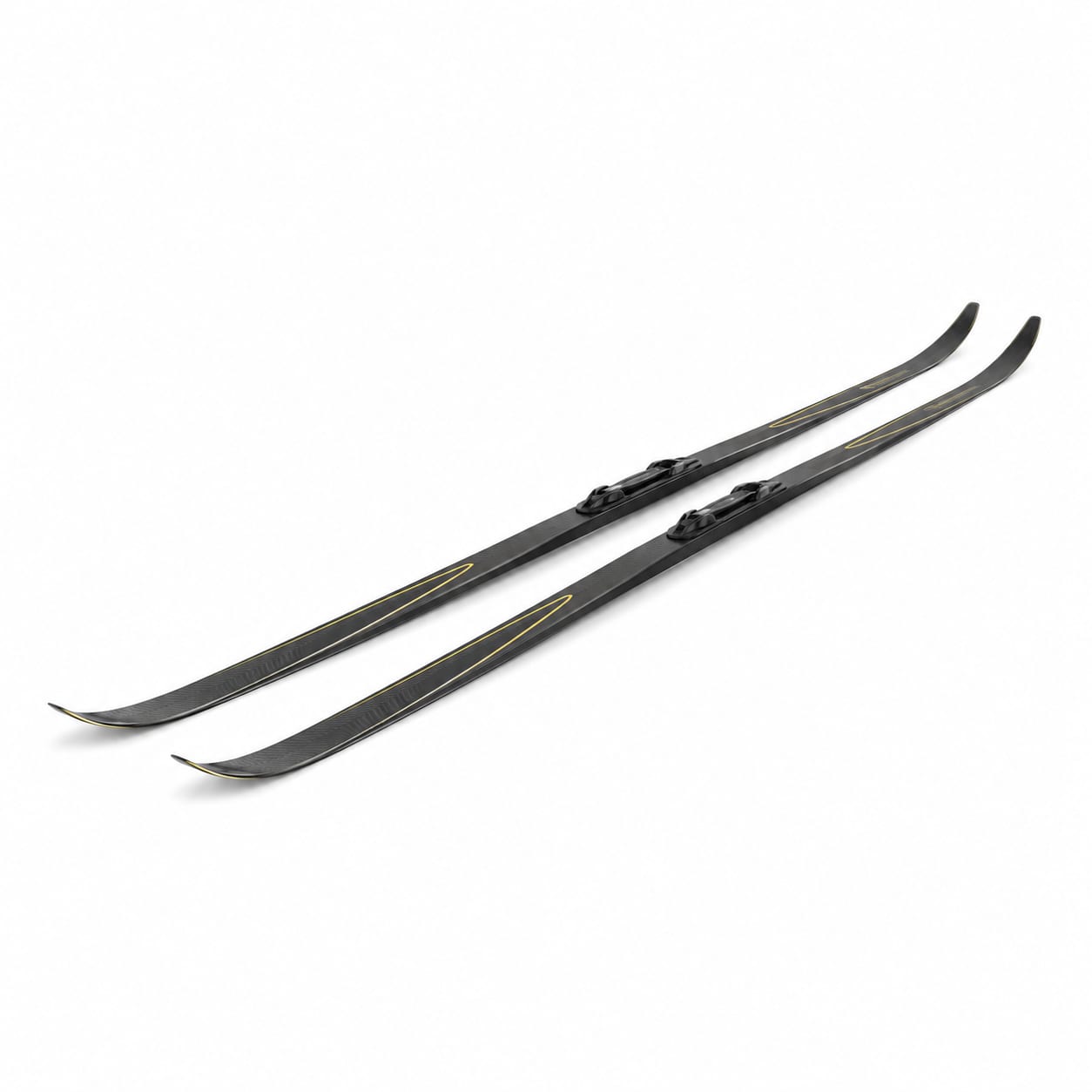
Cross-Country Classic Skis
$120 – $650
Narrow, lightweight skis designed for the classic diagonal stride technique on groomed nordic tracks.
Narrow waist (40–50mm)Long length relative to skierSpecific camber for kick and glide
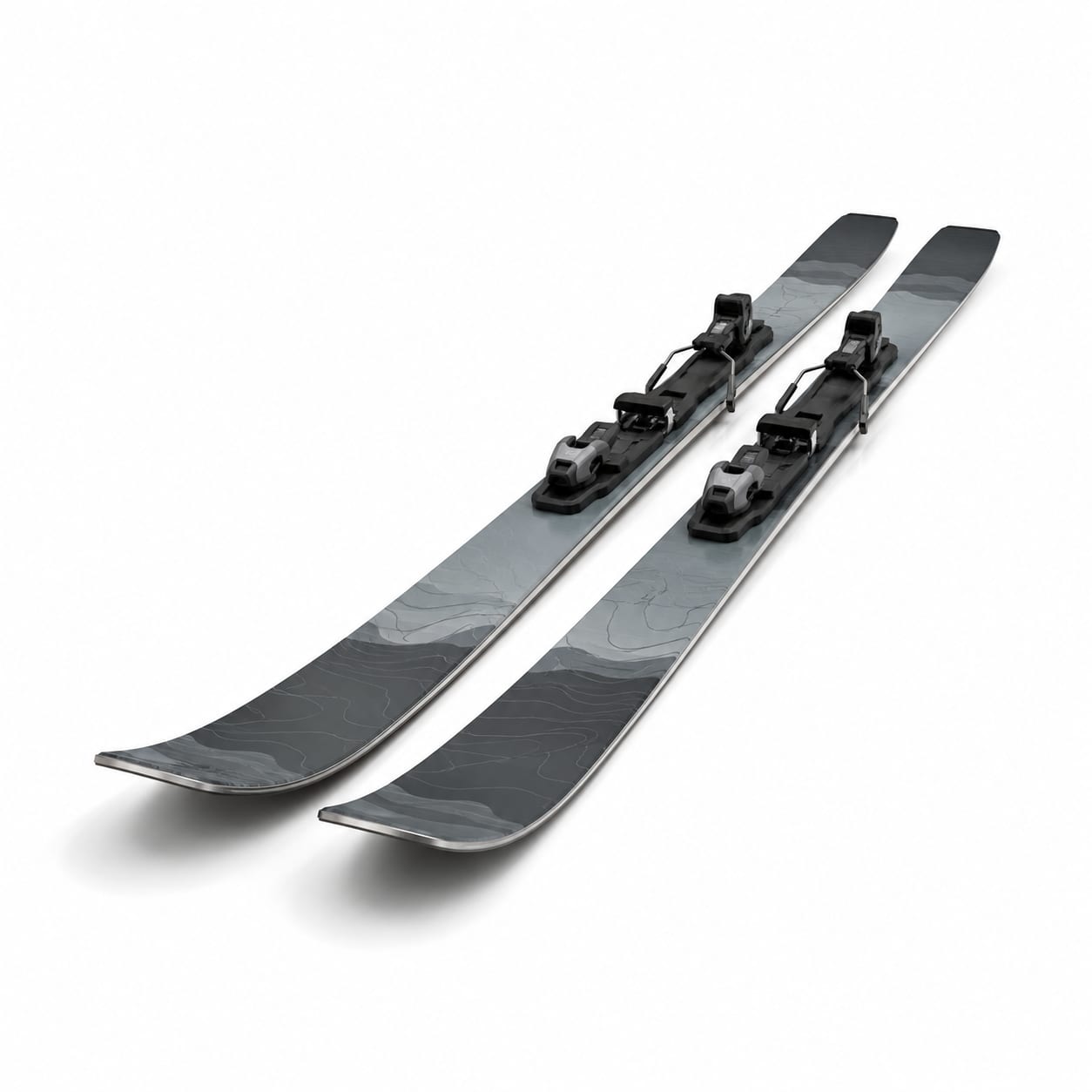
Nordic Backcountry / Touring Skis
$200 – $600
Wider, more rugged nordic skis for off-track exploration and light backcountry touring.
Waist width 60–80mmPartial or full metal edgesWaxless bases common
More questions
- How do I know what length skate ski I need?
- Can I use skate skis for classic technique?
- What is the difference between NIS and IFP binding systems?
- Do I need to wax skate skis?