
Skis · FAQ
Questions about Telemark Skis
Straight answers on fit, specs, and when this type makes sense — each topic has its own page with links back to the buying guide.
Open Telemark Skis guide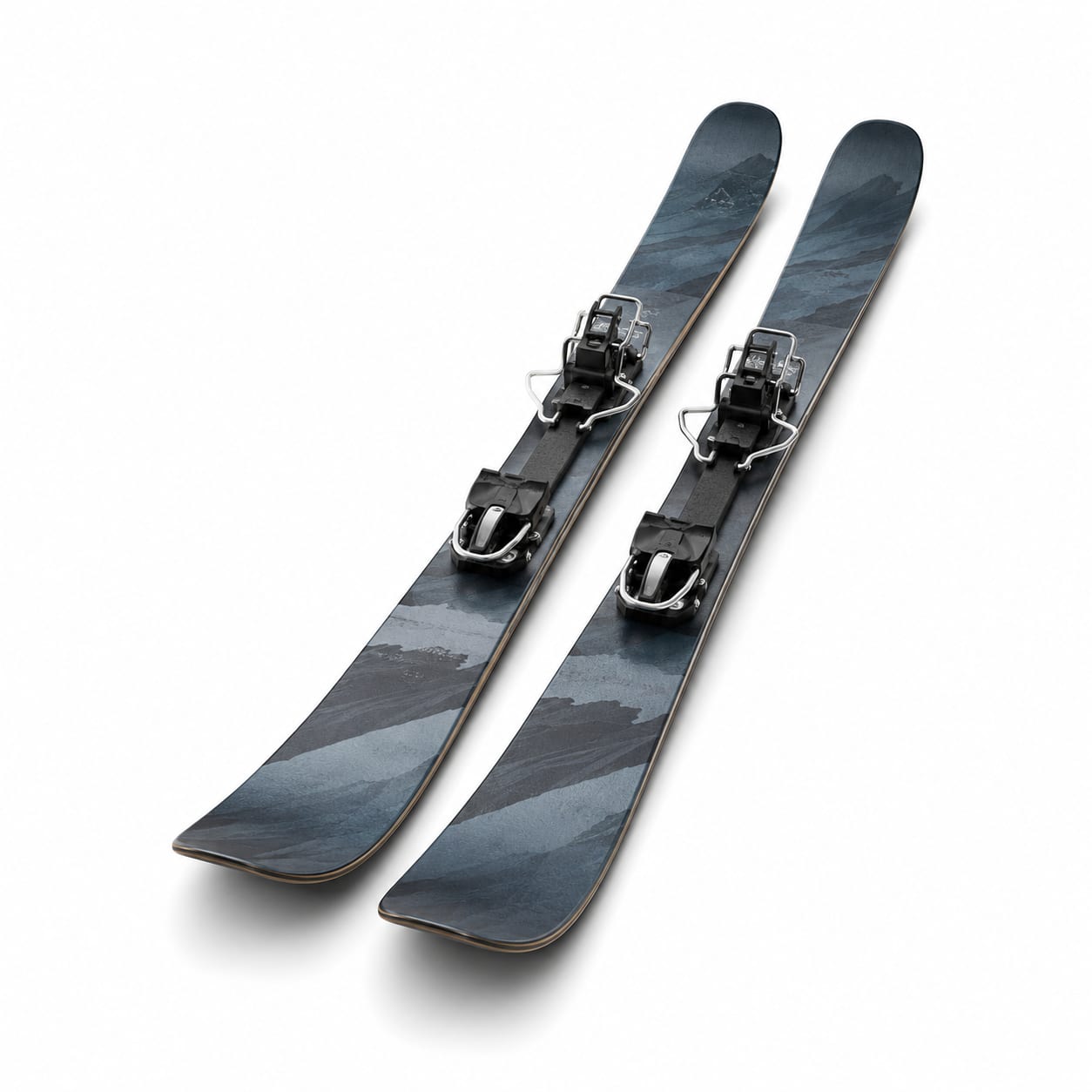
6 topics
Pick a question
Every answer links to the full subcategory guide and related gear types when it helps you decide.
Can I use regular alpine skis with telemark bindings?
Yes, many tele skiers mount telemark bindings on alpine skis, especially when learning. Most modern alpine skis work fine with tele bindings, though you should ensure the ski's flex pattern suits the tele turn—slightly softer skis tend to work better. The main consideration is the mounting point, which should be adjusted for telemark (typically 1–2cm forward of the alpine mark). Some skis have specific tele mounting marks. Avoid extremely stiff racing skis and very wide freeride skis (110mm+) as these are harder to manage with a free heel.
Read answer →02Should I choose NTN or 75mm bindings for telemark skiing?
NTN (New Telemark Norm) is the modern standard and recommended for most skiers. It provides significantly better edge hold, power transfer, and safety features (including a reliable release mechanism) compared to 75mm. NTN boots are also more comfortable and perform better. The 75mm (duckbill) system still has loyal adherents who prefer its more nuanced, classic feel and the ability to use climbing heels. However, 75mm gear selection is shrinking. If you're starting fresh, go NTN unless you have a specific reason to choose 75mm.
Read answer →03How much harder is telemark skiing than alpine skiing?
Telemark skiing is significantly more physically demanding and technically challenging than alpine skiing, especially in the learning phase. The telemark turn requires quad and core strength that alpine skiing doesn't demand, and the lead change (switching which foot is forward) adds a coordination challenge. Expect to spend at least a full season learning basic linked tele turns, compared to days or weeks for basic alpine turns. However, the learning curve flattens as you develop strength and technique, and many skiers find the tele turn becomes intuitive and deeply rewarding over time.
Read answer →04What waist width is best for a telemark ski?
For most telemark skiers, 85–105mm is the ideal waist width range. This provides enough float for soft snow while keeping the ski quick enough for the tele turn's active edge-to-edge transitions. Skis in the 90–100mm range are the most popular for all-mountain versatility. Go narrower (80–90mm) if you ski primarily firm snow or groomed runs. Go wider (100–110mm) if you ski primarily soft snow and powder. Avoid skis wider than 110mm unless you're an expert tele skier with a specific need—the free heel makes very wide skis significantly harder to manage.
Read answer →05Can I use telemark skis for backcountry touring?
Absolutely—backcountry touring is one of telemark skiing's greatest strengths. The free-heel design means you don't need to switch binding modes between uphill and downhill; you simply skin up and ski down. Telemark boots walk more naturally than AT boots, and the overall setup is often lighter. The main consideration is that tele bindings don't provide the same security on steep, firm descents as locked-heel AT bindings. For most backcountry conditions (soft snow, moderate angles), tele is excellent. For extreme steep and firm descents, some tele skiers carry an ice axe and use the tele turn's natural speed control.
Read answer →06Do I need telemark-specific skis or can I just mount tele bindings on any ski?
You can mount tele bindings on most alpine skis and many tele skiers do exactly that. However, telemark-specific skis offer advantages: flex patterns tuned for the tele turn (slightly softer and more progressive), mounting points optimized for free-heel pressure distribution, and sometimes lighter constructions suited to touring. If you're buying new and committed to tele, a tele-specific model is worth considering. If you're on a budget or just trying tele out, mounting tele bindings on a suitable alpine ski (medium flex, 85–105mm waist, tip rocker) works perfectly well.
Read answer →