
Absolutely—backcountry touring is one of telemark skiing's greatest strengths. The free-heel design means you don't need to switch binding modes between uphill and downhill; you simply skin up and ski down. Telemark boots walk more naturally than AT boots, and the overall setup is often lighter. The main consideration is that tele bindings don't provide the same security on steep, firm descents as locked-heel AT bindings. For most backcountry conditions (soft snow, moderate angles), tele is excellent. For extreme steep and firm descents, some tele skiers carry an ice axe and use the tele turn's natural speed control.
Skis · Telemark Skis
Can I use telemark skis for backcountry touring?
Related gear types
If this answer nudged you toward a different style, these guides compare specs and trade-offs.
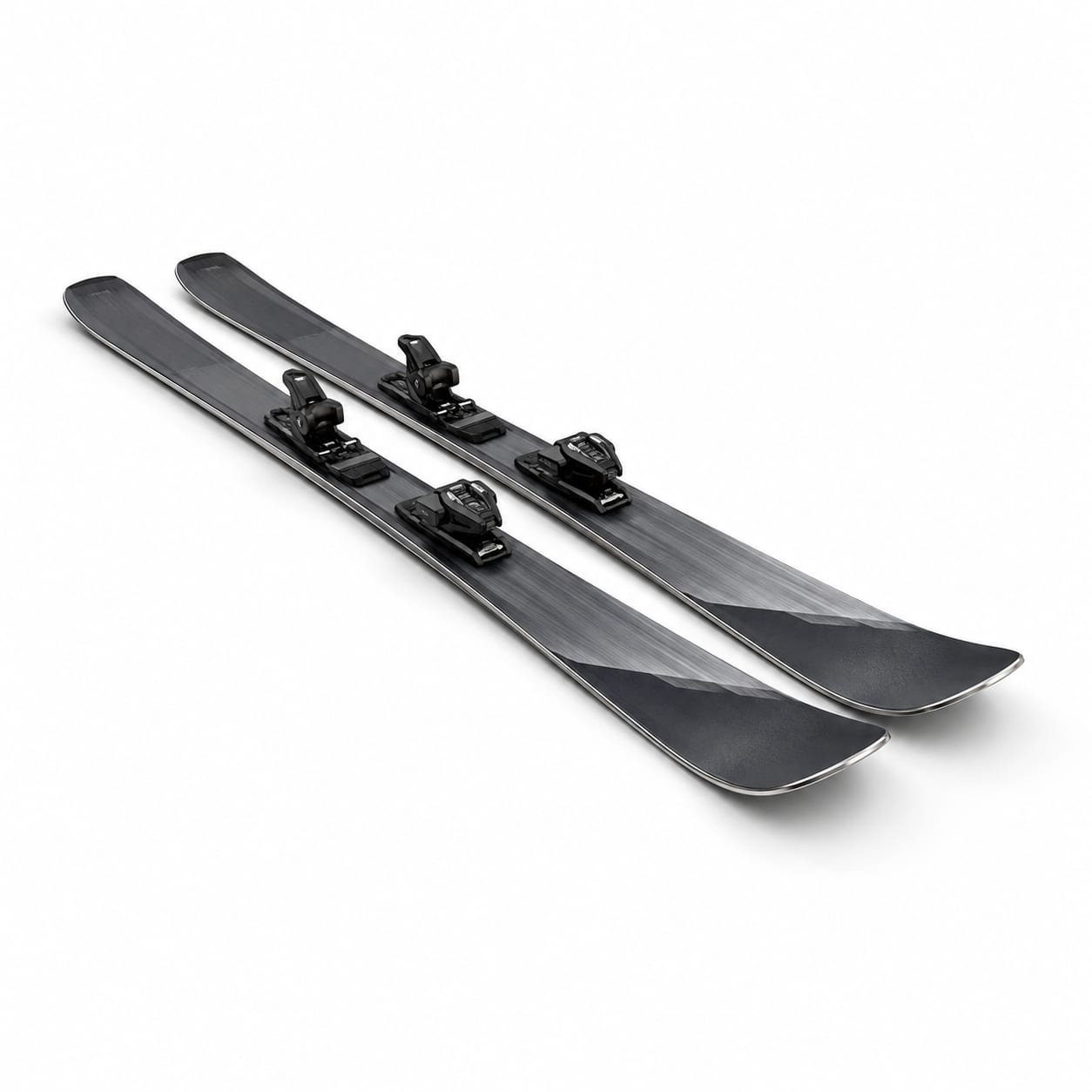
All-Mountain Skis
$350 – $950
Versatile skis designed to handle the widest range of resort conditions, from groomed runs to light powder.
Waist width 85–105mmRocker-camber-rocker or tip rocker profilesMedium turn radius (15–20m)
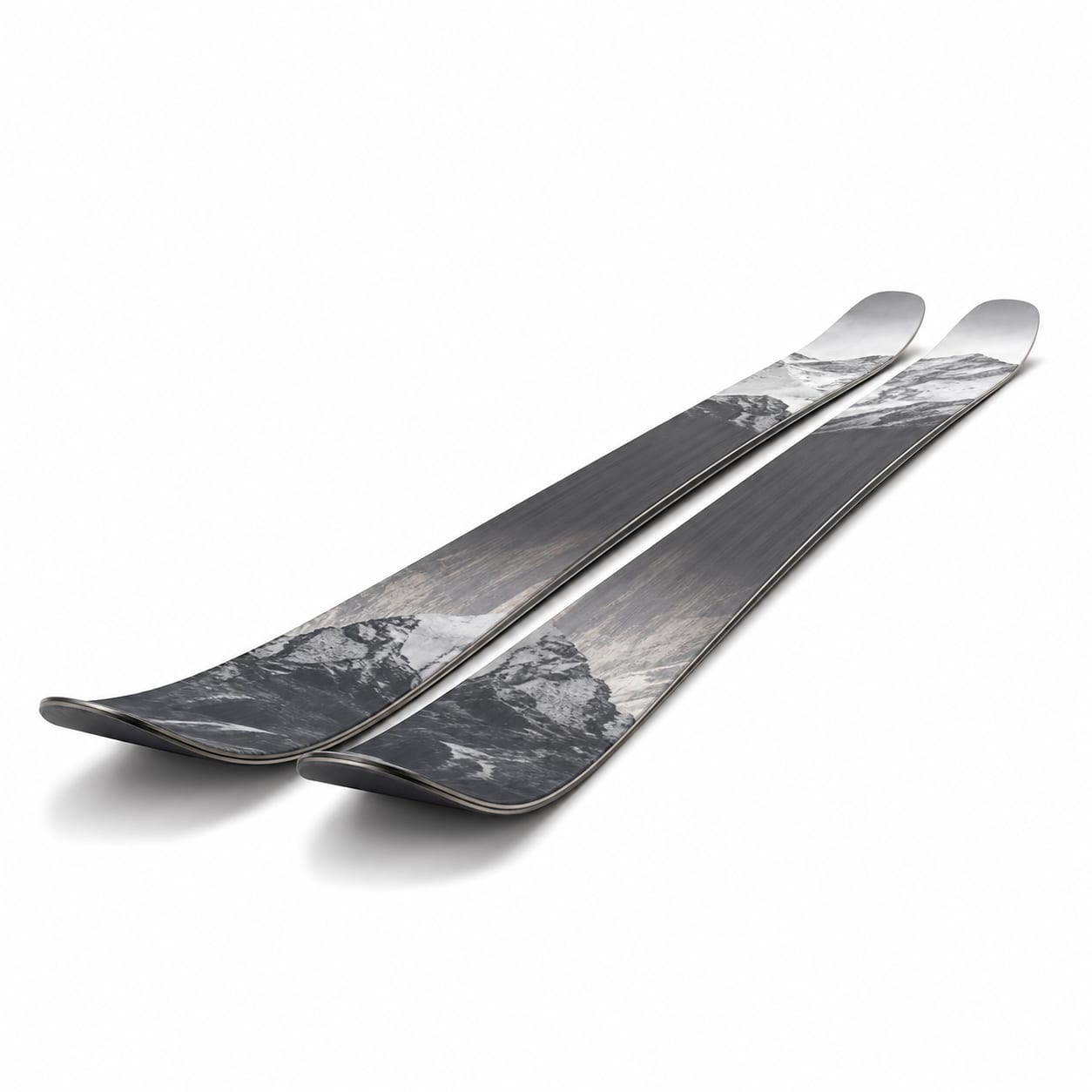
Freeride / Big Mountain Skis
$500 – $1200
Wide, stable skis built for charging steep, ungroomed terrain and variable off-piste snow conditions.
Waist width 100–115mmSignificant tip and tail rockerStiff flex for stability
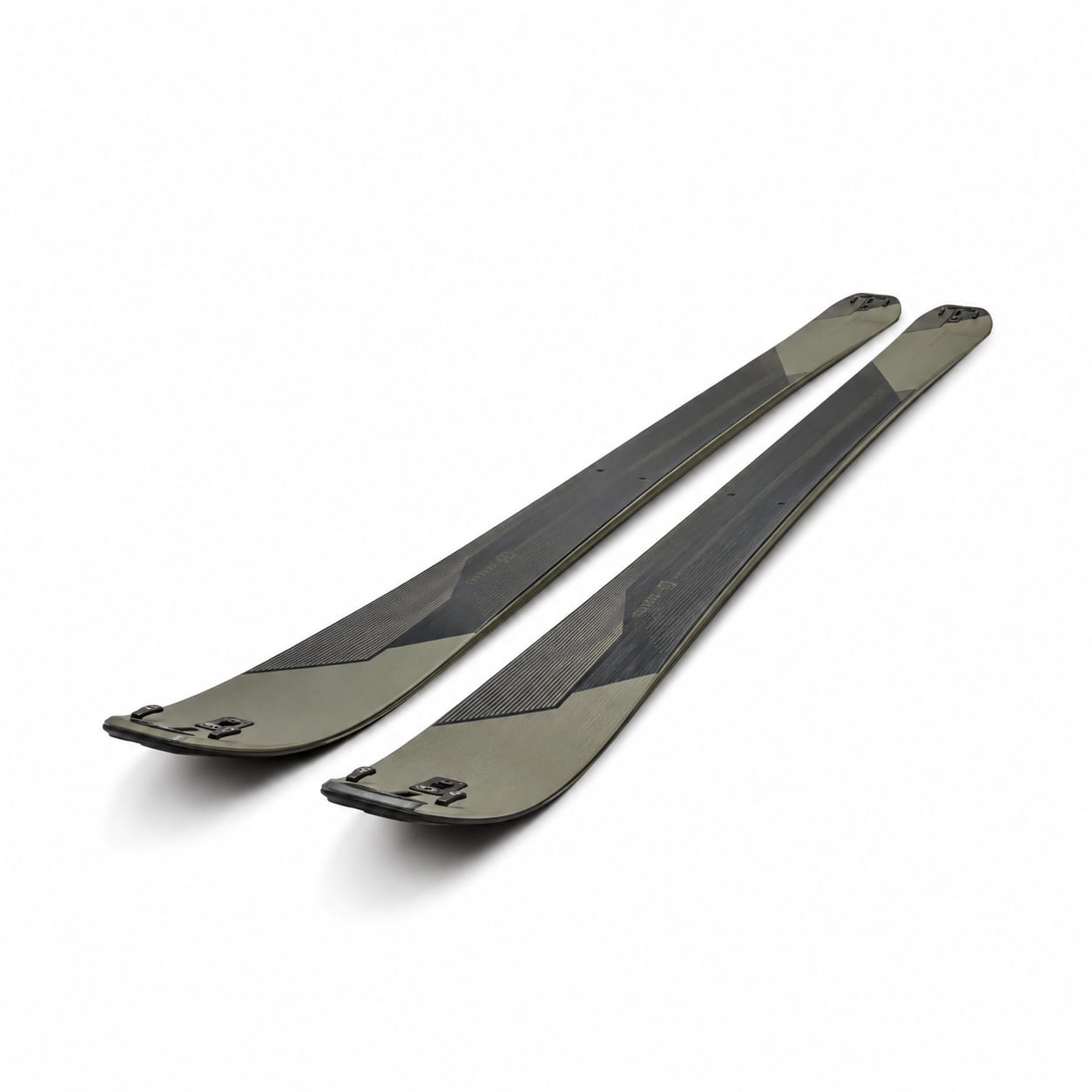
Alpine Touring (AT) / Backcountry Skis
$450 – $1200
Lightweight skis designed for uphill skinning travel and downhill performance in the backcountry.
Lightweight constructionWaist width 85–110mmRocker-camber profiles for mixed snow
More questions
- Can I use regular alpine skis with telemark bindings?
- Should I choose NTN or 75mm bindings for telemark skiing?
- How much harder is telemark skiing than alpine skiing?
- What waist width is best for a telemark ski?