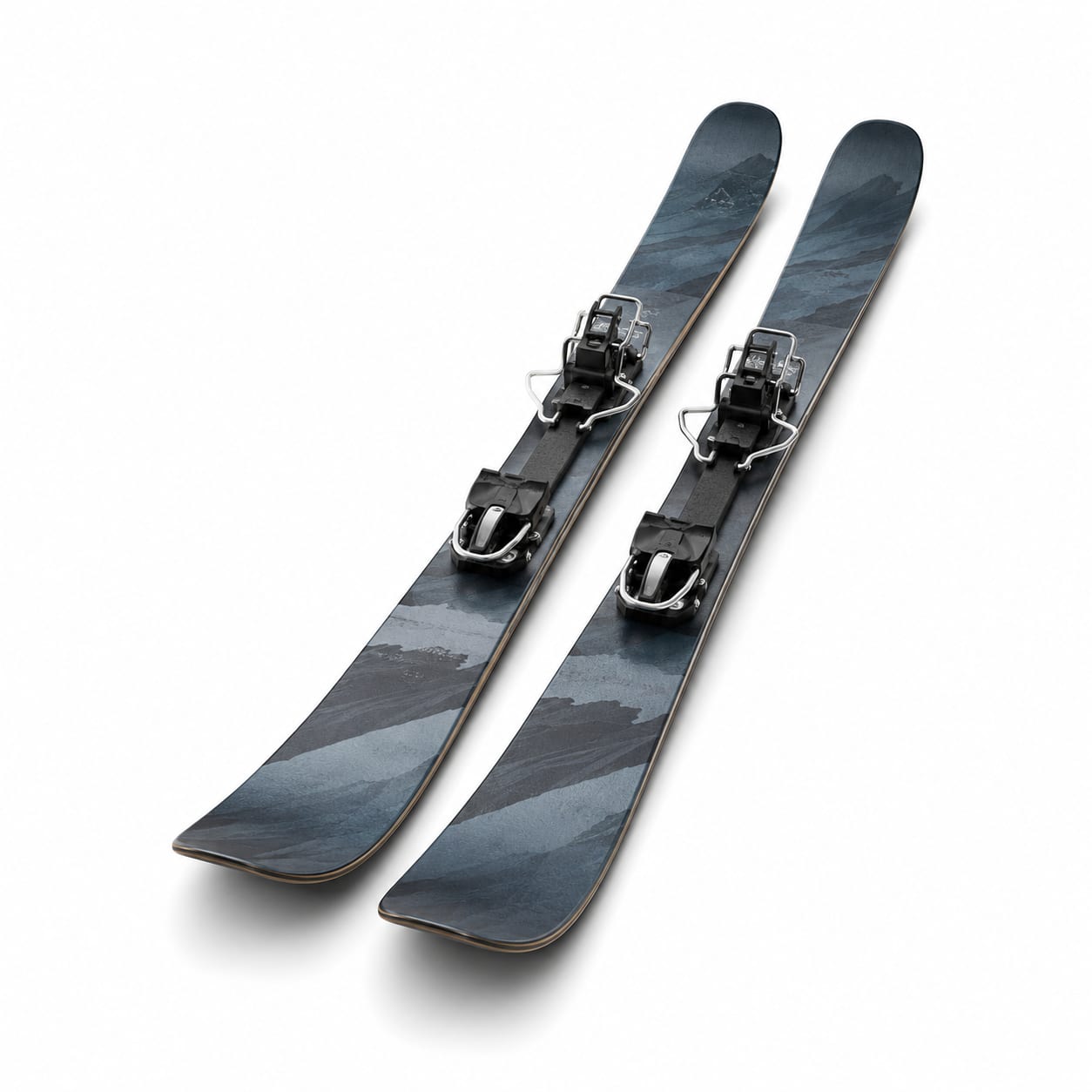
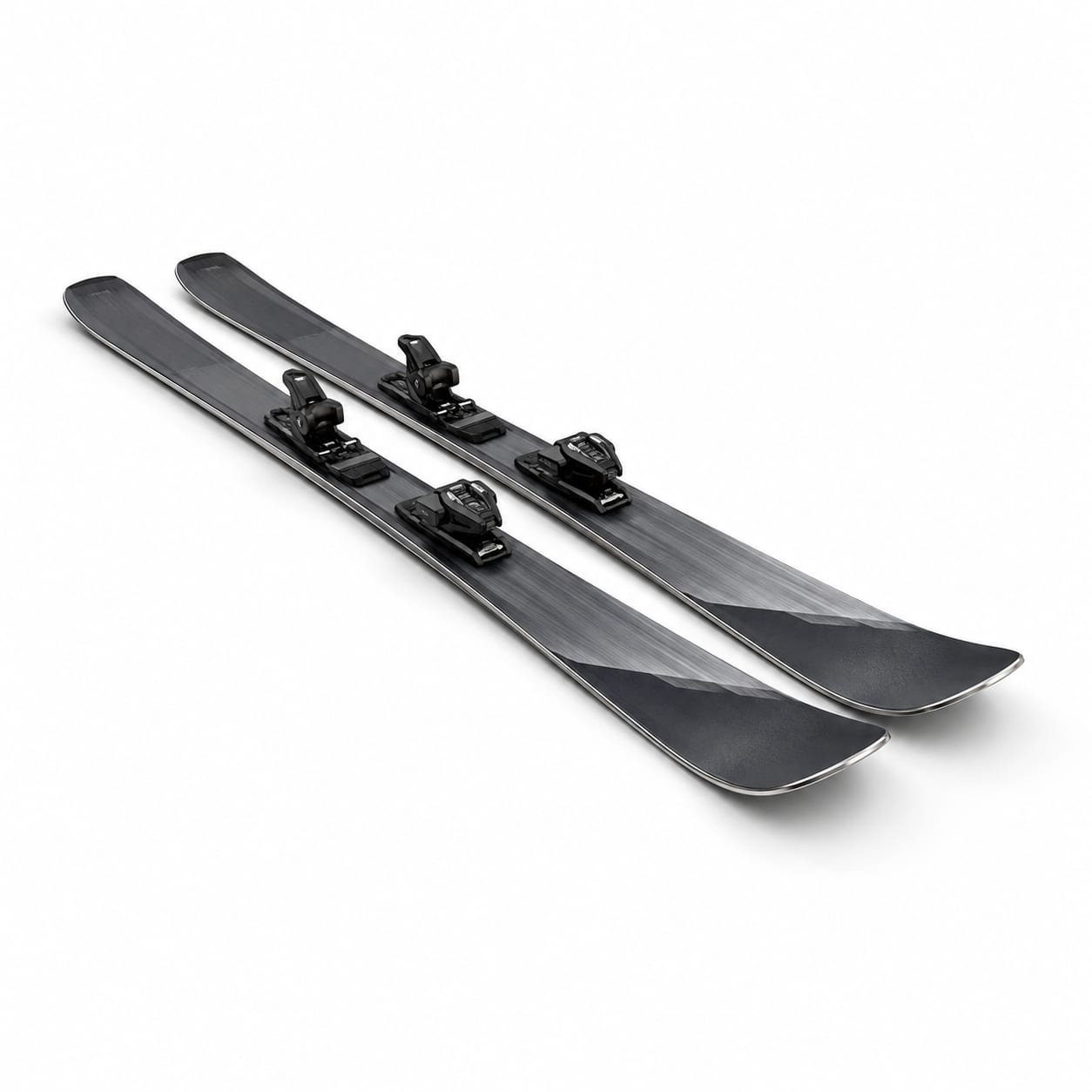
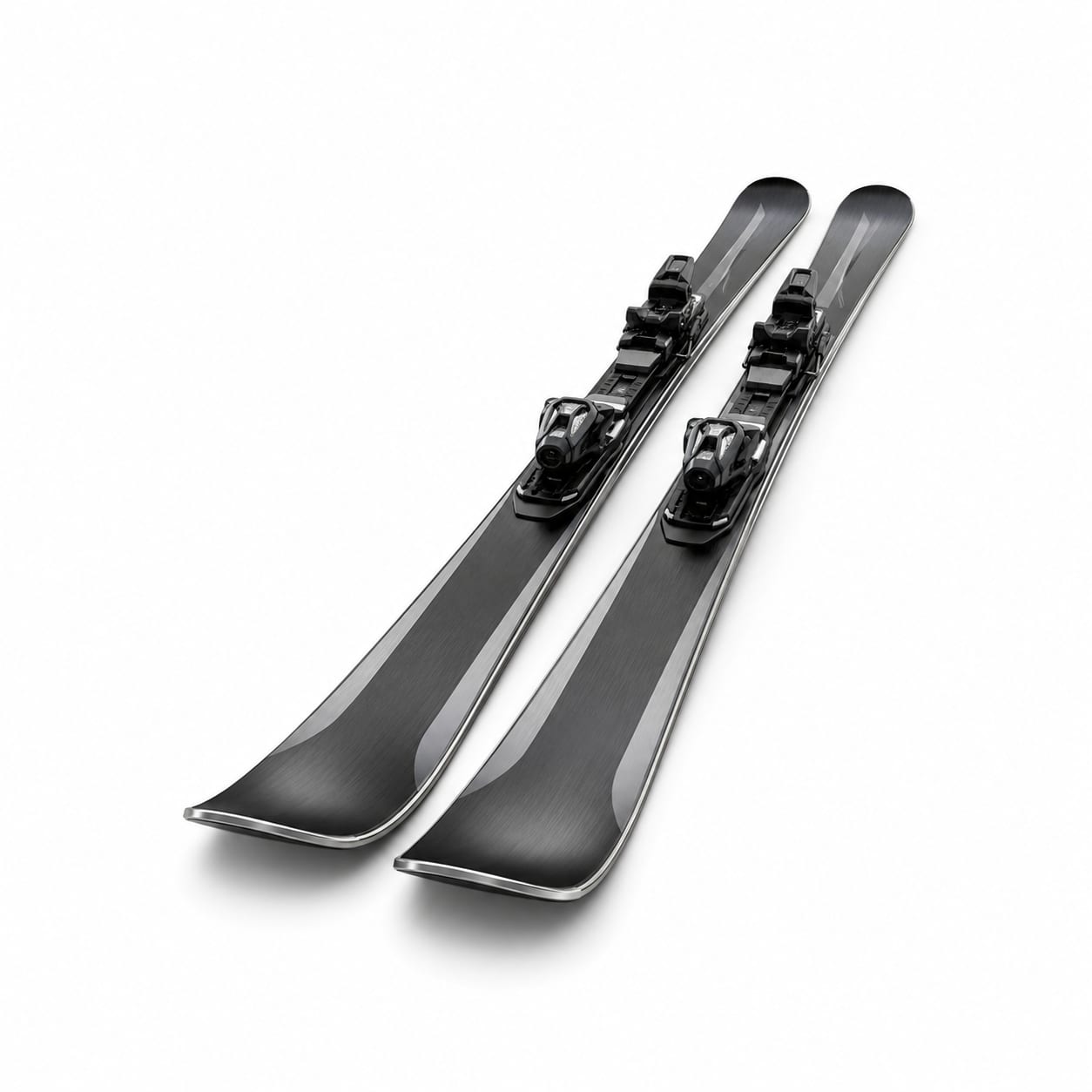
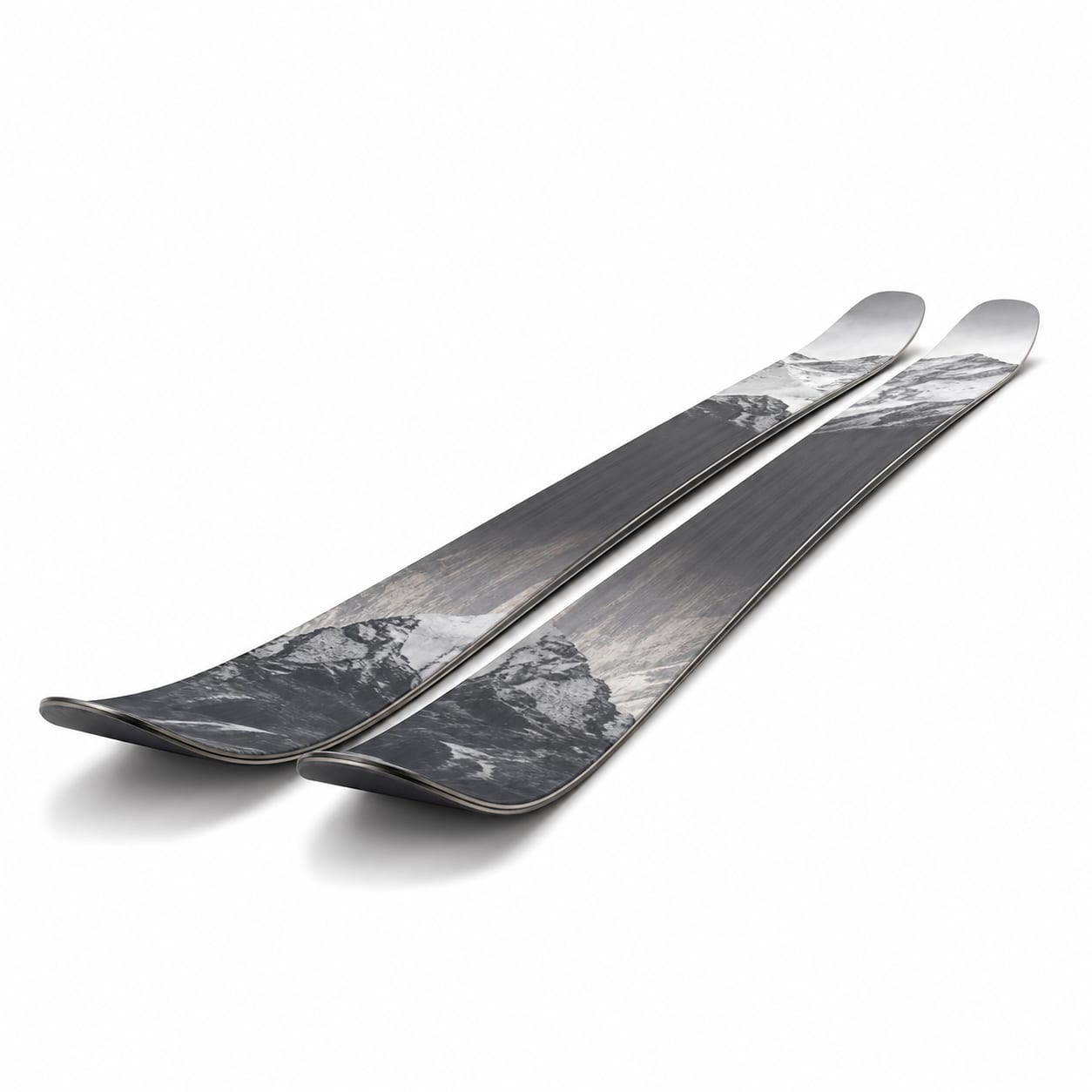
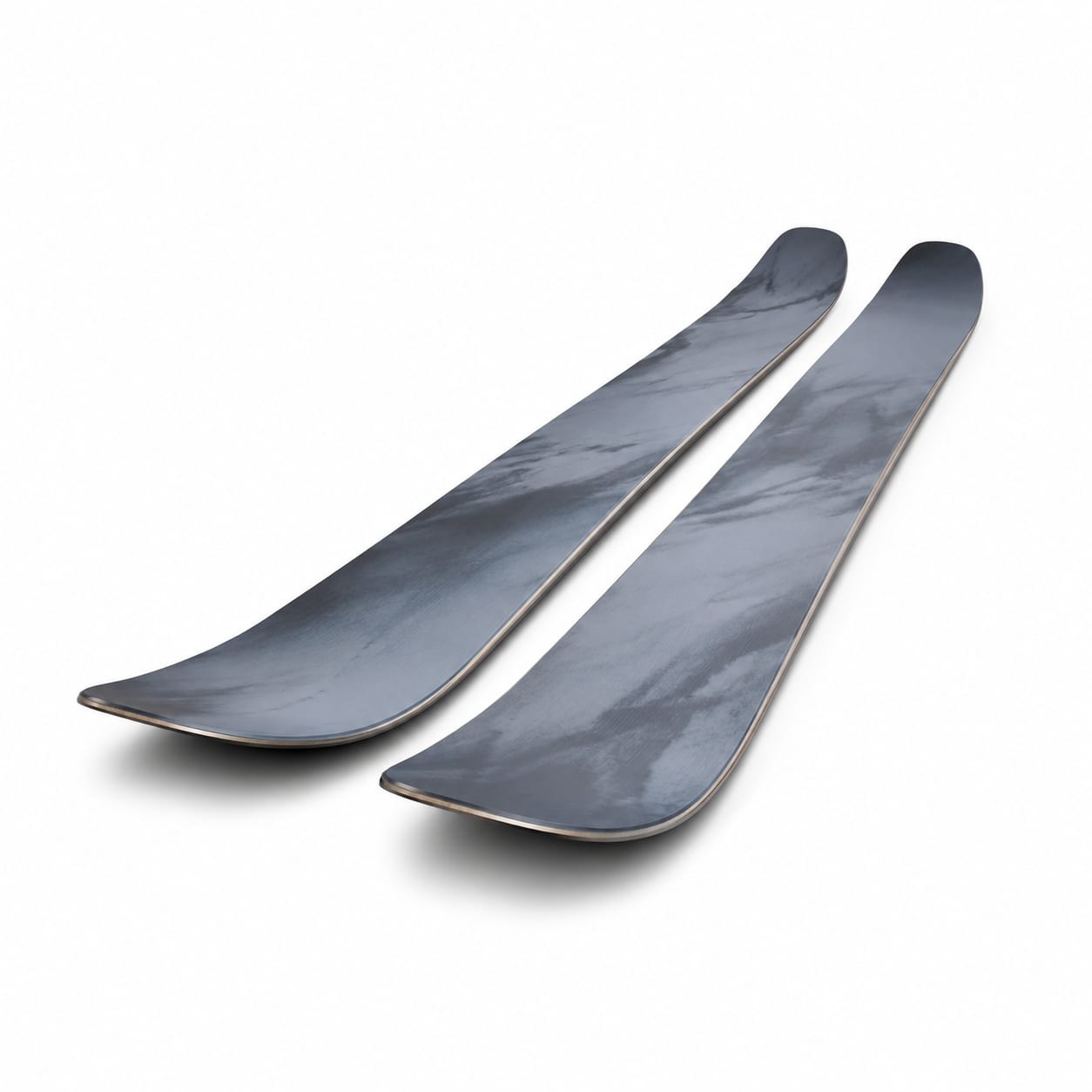
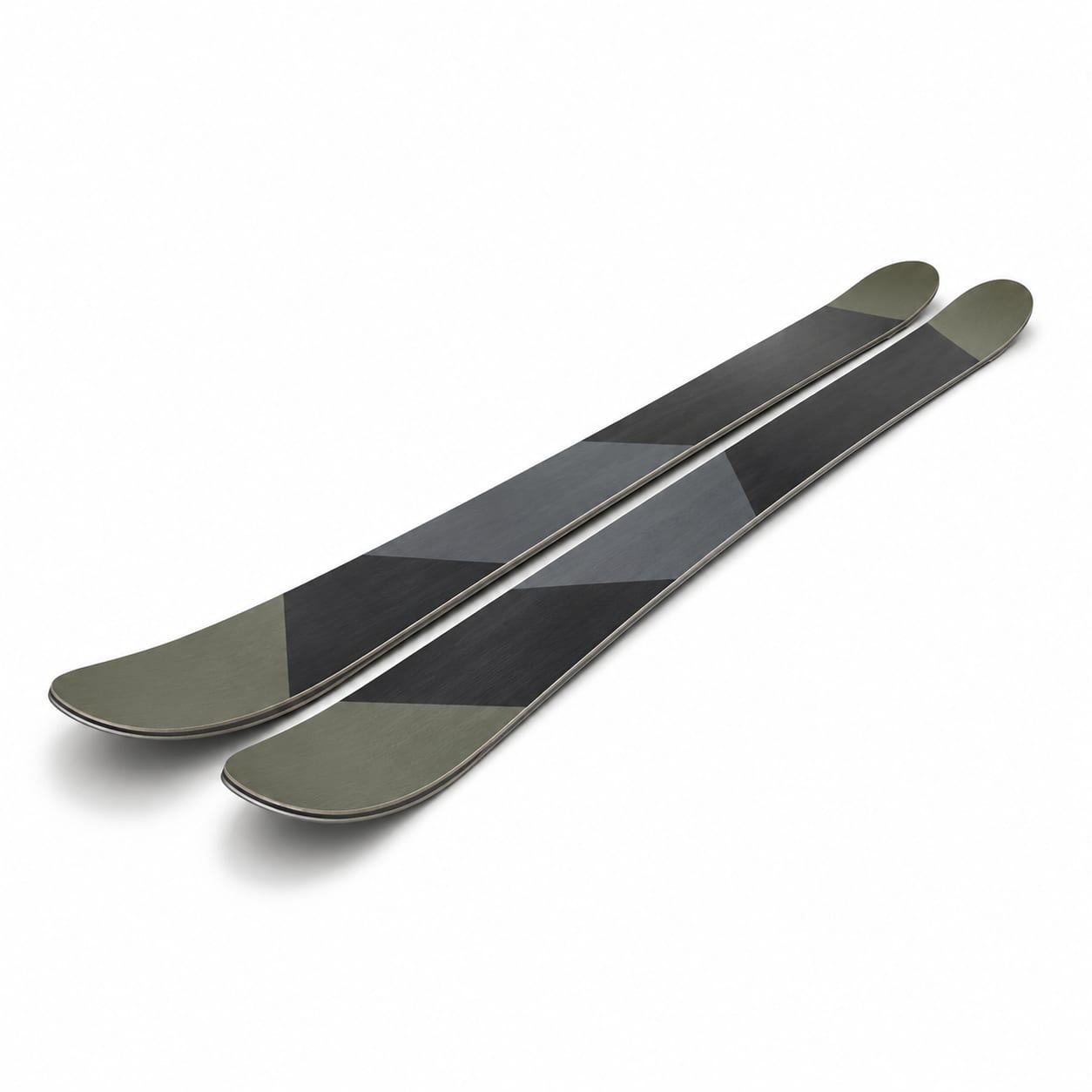
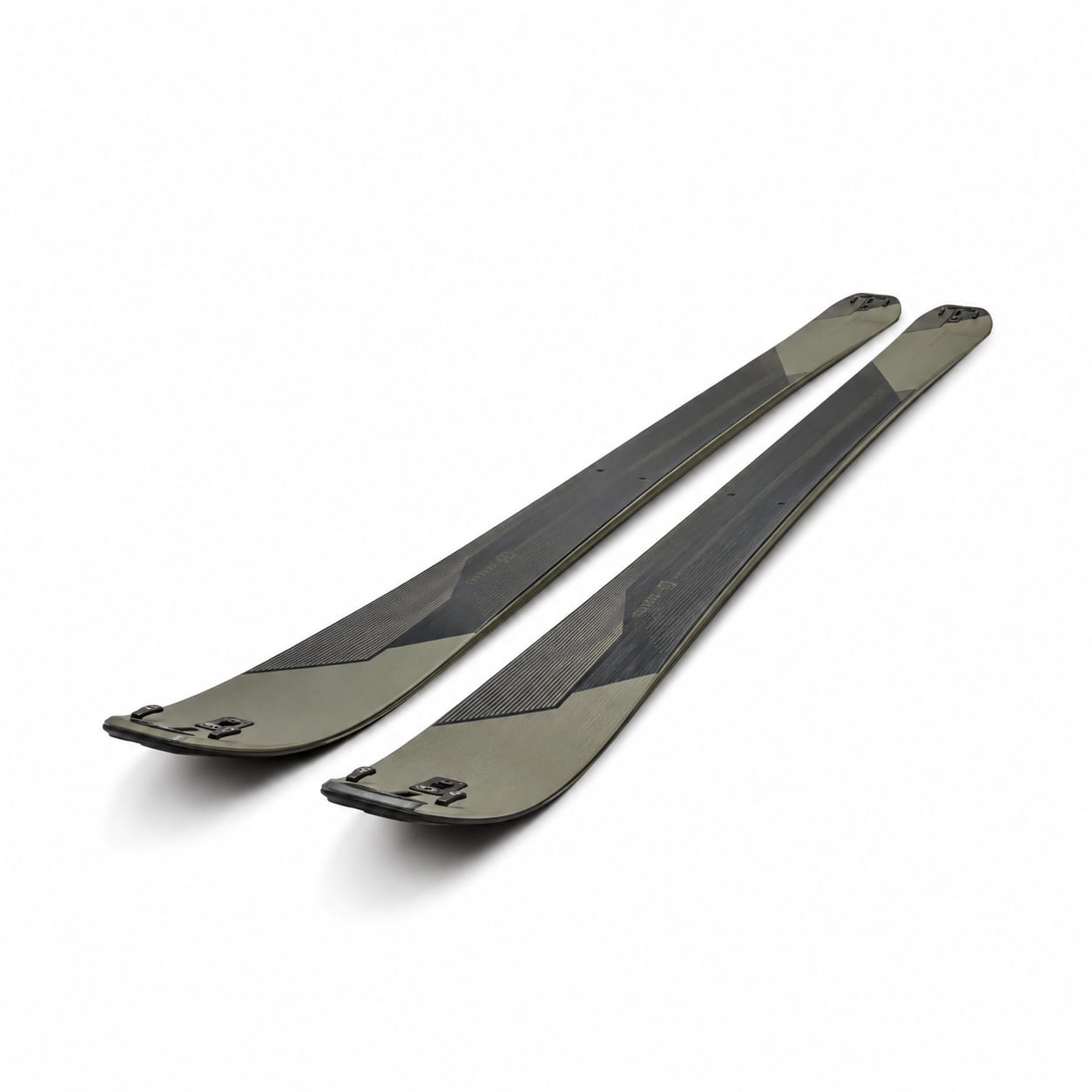
Telemark skis are a specialized subcategory designed for the unique biomechanics of the telemark turn, where the heel is free from the ski and the skier drops into a lunging position with the inside knee bent behind the outside leg. This turn style demands skis that flex smoothly and predictably through the forebody, initiate turns easily, and release cleanly from the tail. Unlike alpine skis, which can rely on a rigid boot-binding interface for power transfer, telemark skis must work with a more progressive and nuanced flex pattern since the heel is unattached. Modern telemark skis have converged significantly with alpine ski design—sharing similar sidecuts, rocker profiles, and construction methods—but retain subtle differences in flex tuning, mounting points, and binding compatibility that make them better suited for free-heel skiing. Most telemark skis are drilled for telemark-specific bindings such as the NTN (New Telemark Norm), 75mm duckbill, or TTS (Telemark Tech System), and many are also compatible with tech touring bindings for pure uphill travel. The typical telemark skier values versatility, often using one setup for resort laps, backcountry tours, and everything in between.
Telemark skiing occupies a unique niche in the ski world—part discipline, part philosophy, and entirely its own experience. The telemark turn, with its signature lunging drop-knee motion, requires skis that respond differently than alpine skis. Because the heel is free, power transfer happens primarily through the ball of the foot and the toe connection, meaning the ski must flex progressively and predictably through the forebody to allow the skier to weight and unweight the ski smoothly through each turn. This is why telemark skis tend to have slightly softer and more even flex patterns compared to their alpine counterparts, which can have very stiff shovels and tails designed for aggressive edge engagement.
In recent years, the gap between telemark and alpine ski design has narrowed considerably. Most major ski manufacturers now offer telemark-specific models that share the same sidecuts, rocker profiles, and construction technologies as their alpine lines, but with flex patterns and mounting points optimized for free-heel skiing. The NTN binding system, introduced by Rottefella, was a game-changer that provided much-improved edge control and power transfer compared to the older 75mm duckbill standard, allowing telemark skiers to drive wider, stiffer skis with confidence. The TTS (Telemark Tech System) further expanded options by pairing tech toe pieces with tele-specific heel units, giving skiers the touring efficiency of tech bindings with the free-heel downhill experience.
Waist width is a critical consideration for telemark skis. Because the telemark turn requires more active footwork and edge-to-edge transitions than alpine skiing, extremely wide skis (over 110mm) can feel sluggish and difficult to manage, particularly in the transition between turns. Most telemark skiers gravitate toward the 85–105mm waist range, which provides enough float for soft snow without sacrificing the quickness needed for the telemark turn. Rocker profiles with tip rocker and camber underfoot are the most popular, offering easy turn initiation and soft-snow float while maintaining the edge hold needed for firm conditions.
Weight is another important factor. Telemark skiing is inherently more physically demanding than alpine skiing—the lunging motion taxes the quads, glutes, and core far more than alpine turns. Lighter skis reduce fatigue over the course of a day, which is why many telemark skiers prefer wood-composite or lightweight hybrid cores over heavy double-metal constructions. However, skiers who charge aggressively inbounds may prefer the stability and dampening of a heavier ski with a single metal layer. The best approach is to match ski weight to your primary use: lighter for touring-focused setups, moderate for all-mountain resort tele skiing.
Binding choice is inseparable from ski selection in the telemark world. The ski must be drilled and reinforced for your chosen binding system, and switching later requires a remount. NTN is the current standard for performance-oriented telemark, offering the best edge hold and power transfer. The 75mm standard still has a loyal following among traditionalists and is often preferred for its more nuanced, classic feel. TTS systems are ideal for skiers who want touring efficiency with tele turns on the descent. Whatever system you choose, ensure your ski is compatible and that the mounting point is optimized for telemark—typically slightly forward of the alpine mounting point to account for the different pressure distribution of the telemark turn.