
Snow Jacket · FAQ
Questions about Insulated Snow Jacket
Straight answers on fit, specs, and when this type makes sense — each topic has its own page with links back to the buying guide.
Open Insulated Snow Jacket guide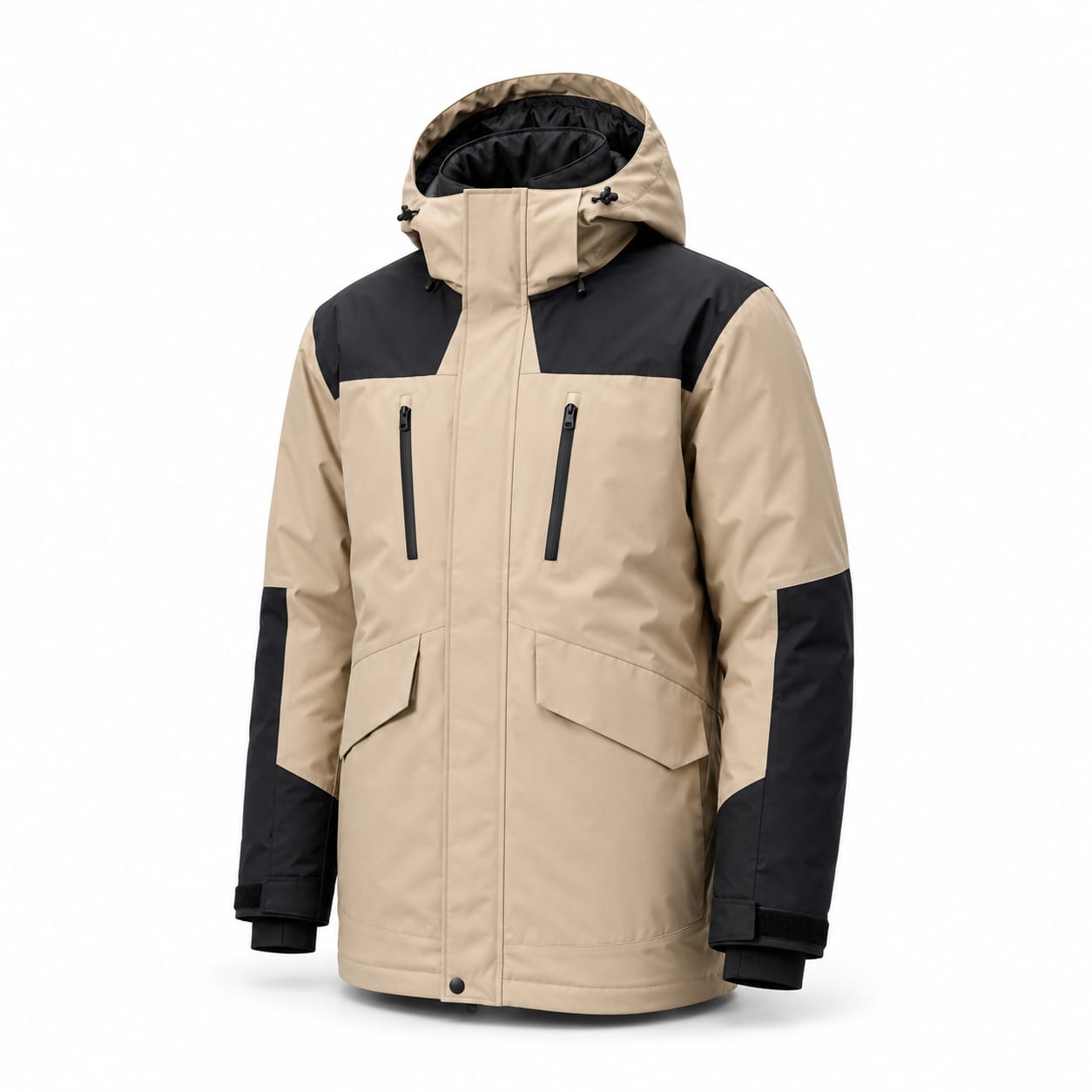
6 topics
Pick a question
Every answer links to the full subcategory guide and related gear types when it helps you decide.
How warm of an insulated jacket do I actually need?
For most resort riders in average winter conditions (-5°C to -15°C / 23°F to 5°F), a jacket with 60–80g synthetic insulation is sufficient with just a base layer underneath. If you run cold, ride in consistently bitter conditions, or spend a lot of time sitting still, step up to 100–120g. The most common mistake is over-insulating—you can always add a thin mid-layer, but you can't remove built-in insulation when you overheat.
Read answer →02Is down or synthetic insulation better for a snow jacket?
It depends on your climate. Synthetic insulation (PrimaLoft, Thinsulate) retains warmth when damp, making it the safer choice for wet snow climates like the Pacific Northwest, Northeast, or Japan. Down provides the highest warmth-to-weight ratio and packs smaller, making it ideal for cold, dry climates like the Rockies or interior British Columbia. If you choose down, look for water-resistant down treatment (like DownTek or DriDown) for added protection. Hybrid body-mapped designs offer the best of both.
Read answer →03Can I wear an insulated jacket for backcountry touring?
It's not recommended. The fixed insulation traps heat during high-exertion uphill travel, causing you to sweat heavily. When you stop, that sweat can freeze, creating a dangerous cold situation. For touring, a breathable shell with removable mid-layers allows you to adjust warmth to your exertion level. Some riders use lightweight insulated jackets (40–60g) for short tours in very cold conditions, but it requires careful temperature management and generous venting.
Read answer →04Why does my insulated jacket feel clammy even with pit zips open?
Insulation inherently reduces breathability compared to shell jackets. Even with pit zips open, the insulation on your chest and back continues to trap moisture. To reduce clamminess: (1) choose a jacket with higher breathability rating (10,000+ g/m²), (2) wear a moisture-wicking base layer, not cotton, (3) open pit zips before you start overheating rather than after, and (4) consider body-mapped insulation that reduces bulk in high-sweat zones. If clamminess is a persistent problem, you may need a shell + mid-layer system instead.
Read answer →05What's the difference between a $200 and a $500 insulated snow jacket?
The main differences are membrane technology, insulation quality, and construction details. A $200 jacket typically uses a proprietary membrane with moderate waterproof/breathability ratings, basic synthetic insulation, and critical seam sealing. A $500 jacket often features GORE-TEX or a premium proprietary membrane, higher-quality insulation (or down/hybrid), fully sealed seams, better fabric durability, and refined features like body-mapped insulation, larger pit zips, and higher-quality zippers. Both will keep you warm and dry, but the premium jacket performs better in extreme conditions and typically lasts more seasons.
Read answer →06Should I size up in an insulated jacket to fit more layers underneath?
Generally no. Insulated jackets are designed to be worn with a base layer or thin mid-layer. Sizing up can create air pockets that reduce warmth and make the jacket feel baggy. If you need to wear thick mid-layers, you likely need a warmer insulated jacket rather than a larger size. The exception is if you're between sizes—in that case, sizing up is usually better to avoid compressing the insulation, which reduces its effectiveness. Always try on with your intended base layer.
Read answer →