
It depends on your climate. Synthetic insulation (PrimaLoft, Thinsulate) retains warmth when damp, making it the safer choice for wet snow climates like the Pacific Northwest, Northeast, or Japan. Down provides the highest warmth-to-weight ratio and packs smaller, making it ideal for cold, dry climates like the Rockies or interior British Columbia. If you choose down, look for water-resistant down treatment (like DownTek or DriDown) for added protection. Hybrid body-mapped designs offer the best of both.
Snow Jacket · Insulated Snow Jacket
Is down or synthetic insulation better for a snow jacket?
Related gear types
If this answer nudged you toward a different style, these guides compare specs and trade-offs.
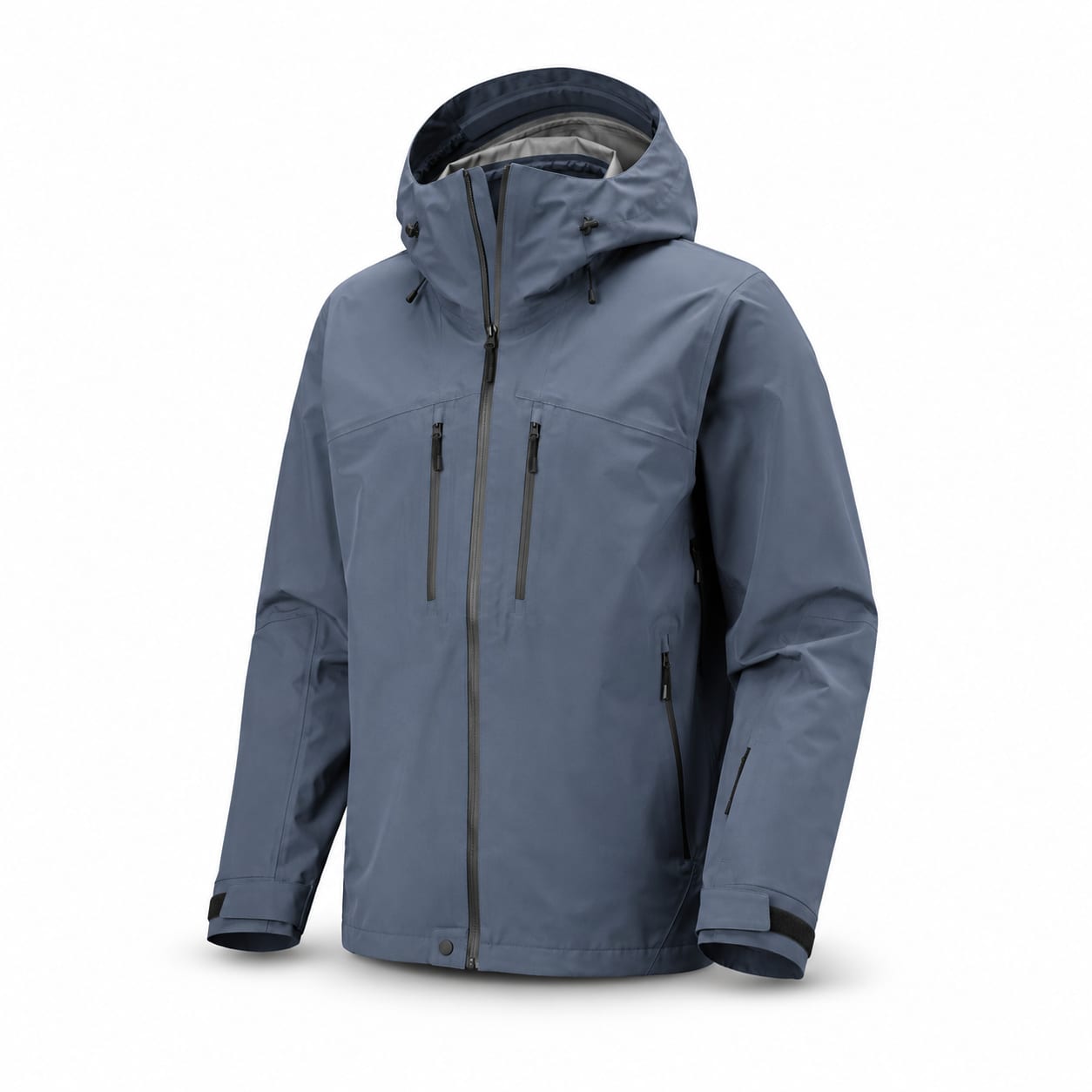
Shell Snow Jacket (Hardshell)
$200 – $900
Uninsulated waterproof-breathable jacket designed for layering in variable conditions.
No insulationHigh waterproof ratingSuperior breathability
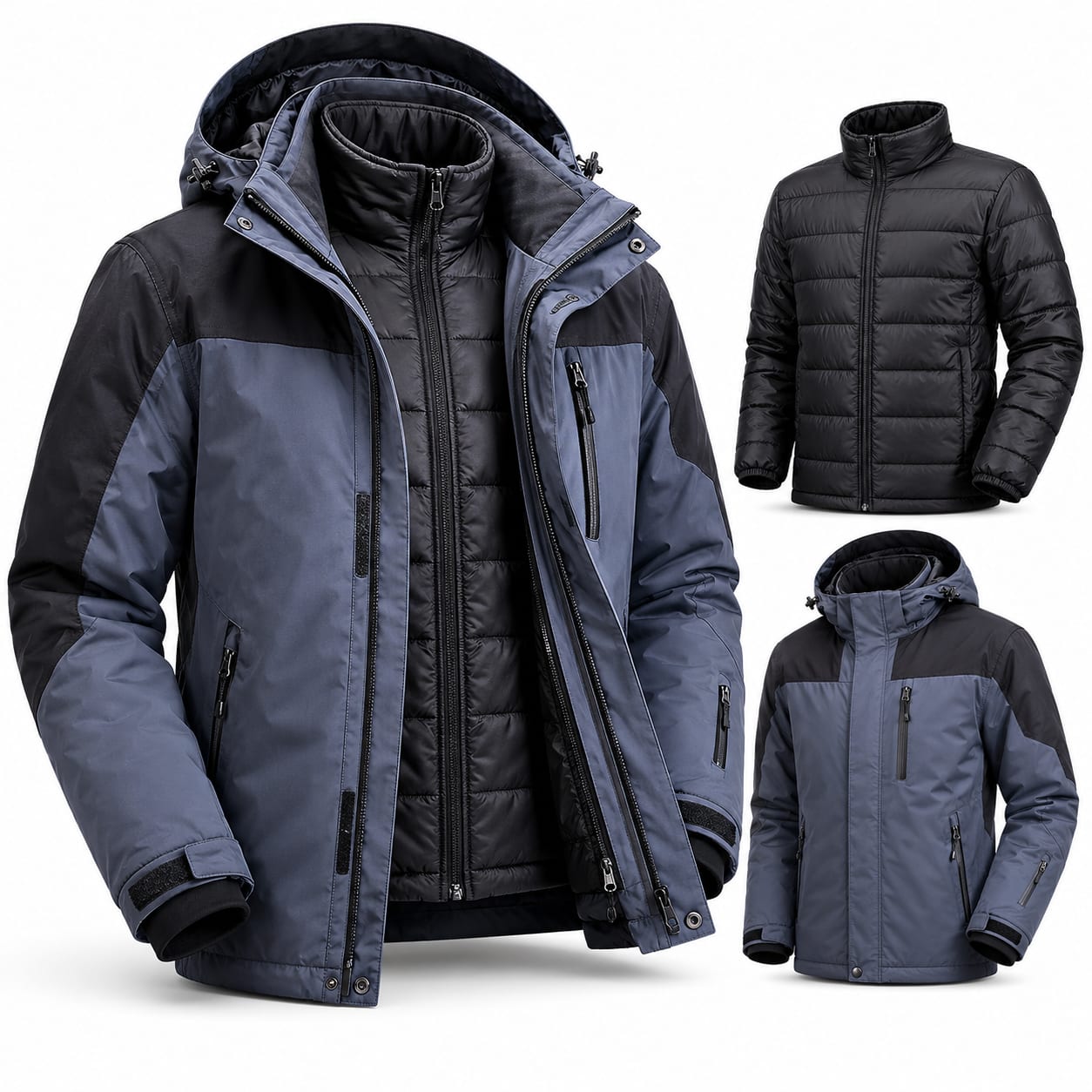
3-in-1 System Snow Jacket
$130 – $500
Modular jacket system with a zip-out insulated liner and waterproof outer shell worn together or separately.
Removable insulated linerZip-together systemVersatile three-season use
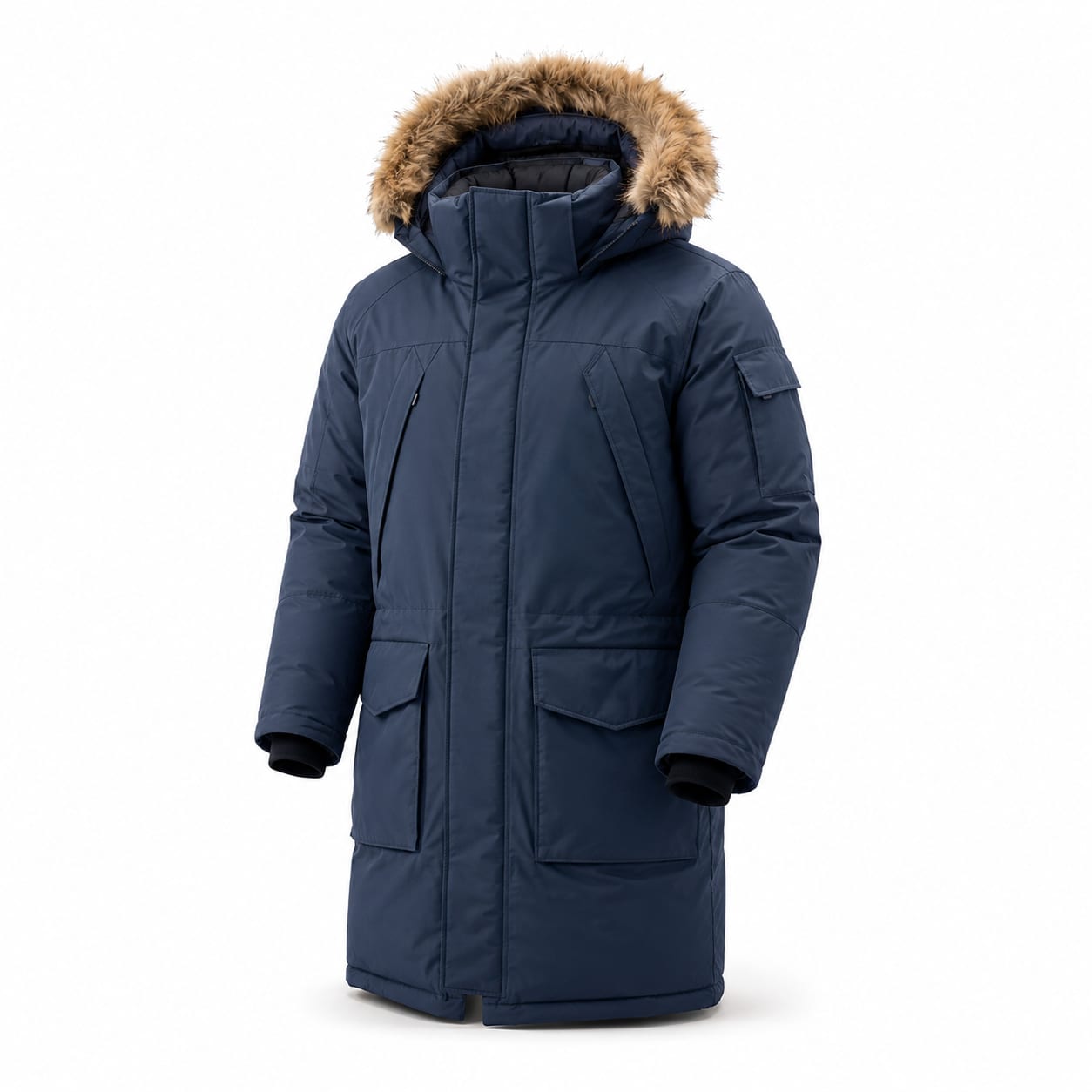
Parka / Expedition Snow Jacket
$200 – $1200
Extra-long, heavily insulated jacket for extreme cold and harsh winter conditions.
Extended lengthHeavy insulationFur or faux-fur hood trim
More questions
- How warm of an insulated jacket do I actually need?
- Can I wear an insulated jacket for backcountry touring?
- Why does my insulated jacket feel clammy even with pit zips open?
- What's the difference between a $200 and a $500 insulated snow jacket?