
Snow Jacket · FAQ
Questions about Shell Snow Jacket (Hardshell)
Straight answers on fit, specs, and when this type makes sense — each topic has its own page with links back to the buying guide.
Open Shell Snow Jacket (Hardshell) guide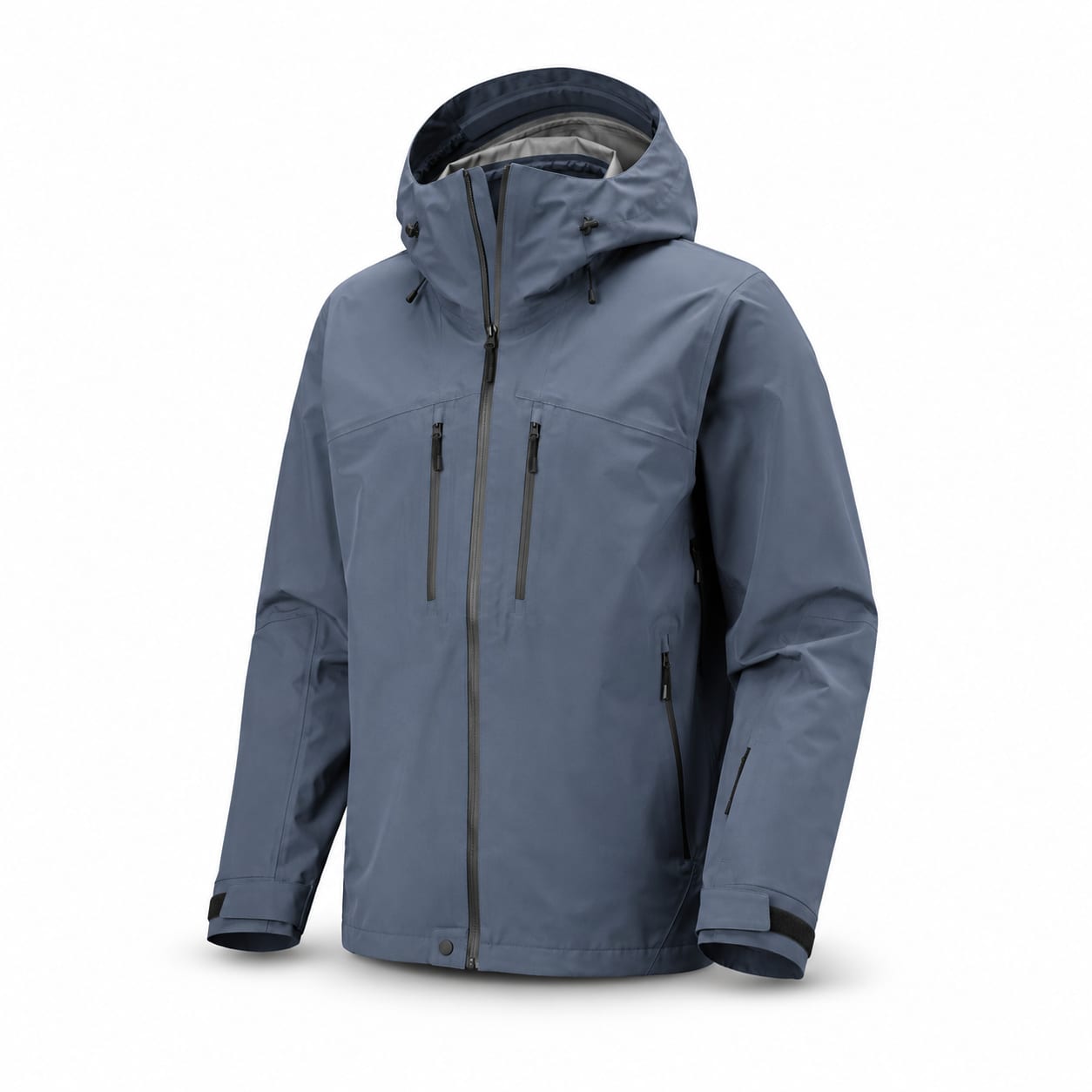
6 topics
Pick a question
Every answer links to the full subcategory guide and related gear types when it helps you decide.
Will I be cold in a shell jacket?
A shell alone provides no insulation, so you will be cold if you don't wear appropriate layers underneath. However, with a proper layering system—merino base layer, fleece mid-layer, and optionally a lightweight puffy for very cold days—a shell can be just as warm as any insulated jacket. The key is investing in quality mid-layers and learning to adjust them for conditions. Many experienced riders actually find they stay warmer in a shell system because they can fine-tune their warmth rather than overheating and sweating in an insulated jacket.
Read answer →02Is GORE-TEX worth the premium over proprietary membranes?
For most riders, yes. GORE-TEX offers proven, consistent performance backed by a lifetime guarantee, and you know exactly what you're getting regardless of which brand makes the jacket. Proprietary membranes vary widely—some (like The North Face Futurelight or Patagonia H2No) perform excellently, while others are significantly less breathable or durable. If you choose a proprietary membrane, research that specific technology's reviews rather than assuming all house membranes are equal. For backcountry use where reliability matters, GORE-TEX is the safer choice.
Read answer →03Can I use a shell jacket for resort skiing, or is it only for backcountry?
Shell jackets are excellent for resort skiing—you just need to layer appropriately. Many resort riders prefer shells because they can adjust warmth throughout the day: add a puffy mid-layer for cold morning laps, then strip down to a fleece when the sun warms things up. The superior breathability also means less sweating during aggressive resort riding. The only downside is that you need to think about layers rather than just throwing on one jacket, but most riders find the comfort advantage worth the small extra effort.
Read answer →04How do I know what mid-layers to wear under my shell?
Start with a moisture-wicking base layer (merino wool or synthetic) against your skin, never cotton. Add a mid-layer based on temperature: a lightweight fleece for warm days (around -2°C to +5°C), a heavier fleece or thin puffy for moderate cold (-10°C to -2°C), and a thick puffy or layered fleece for very cold days (below -10°C). You can always add or remove a layer at lunch. The key principle is that each layer should be easy to add or remove, and your base layer must wick sweat away from your skin.
Read answer →05Why is my shell jacket wetting out when the waterproof rating says 20,000mm?
Waterproof rating measures the fabric's resistance to water pressure, but wetting out usually occurs because the DWR (Durable Water Repellent) coating has worn off, causing the face fabric to absorb water. When the outer fabric soaks through, it blocks the membrane's breathability, and condensation builds up inside the jacket making it feel like water is coming in. The fix is to clean the jacket with technical wash and reapply DWR treatment. This is normal maintenance, not a defect—DWR wears off over time with use and washing.
Read answer →06Do I need a powder skirt on a shell jacket?
If you ride in deep powder or fall frequently, yes—a powder skirt is essential for keeping snow out of your jacket. Most quality shells offer a detachable powder skirt, which is ideal: attach it for powder days and remove it for spring touring when you want maximum ventilation. If you exclusively ride groomers in mild conditions and rarely fall, you can skip the powder skirt. However, since most shell riders venture into varied terrain, a detachable skirt is recommended for the versatility it provides.
Read answer →