
Start with a moisture-wicking base layer (merino wool or synthetic) against your skin, never cotton. Add a mid-layer based on temperature: a lightweight fleece for warm days (around -2°C to +5°C), a heavier fleece or thin puffy for moderate cold (-10°C to -2°C), and a thick puffy or layered fleece for very cold days (below -10°C). You can always add or remove a layer at lunch. The key principle is that each layer should be easy to add or remove, and your base layer must wick sweat away from your skin.
Snow Jacket · Shell Snow Jacket (Hardshell)
How do I know what mid-layers to wear under my shell?
Related gear types
If this answer nudged you toward a different style, these guides compare specs and trade-offs.
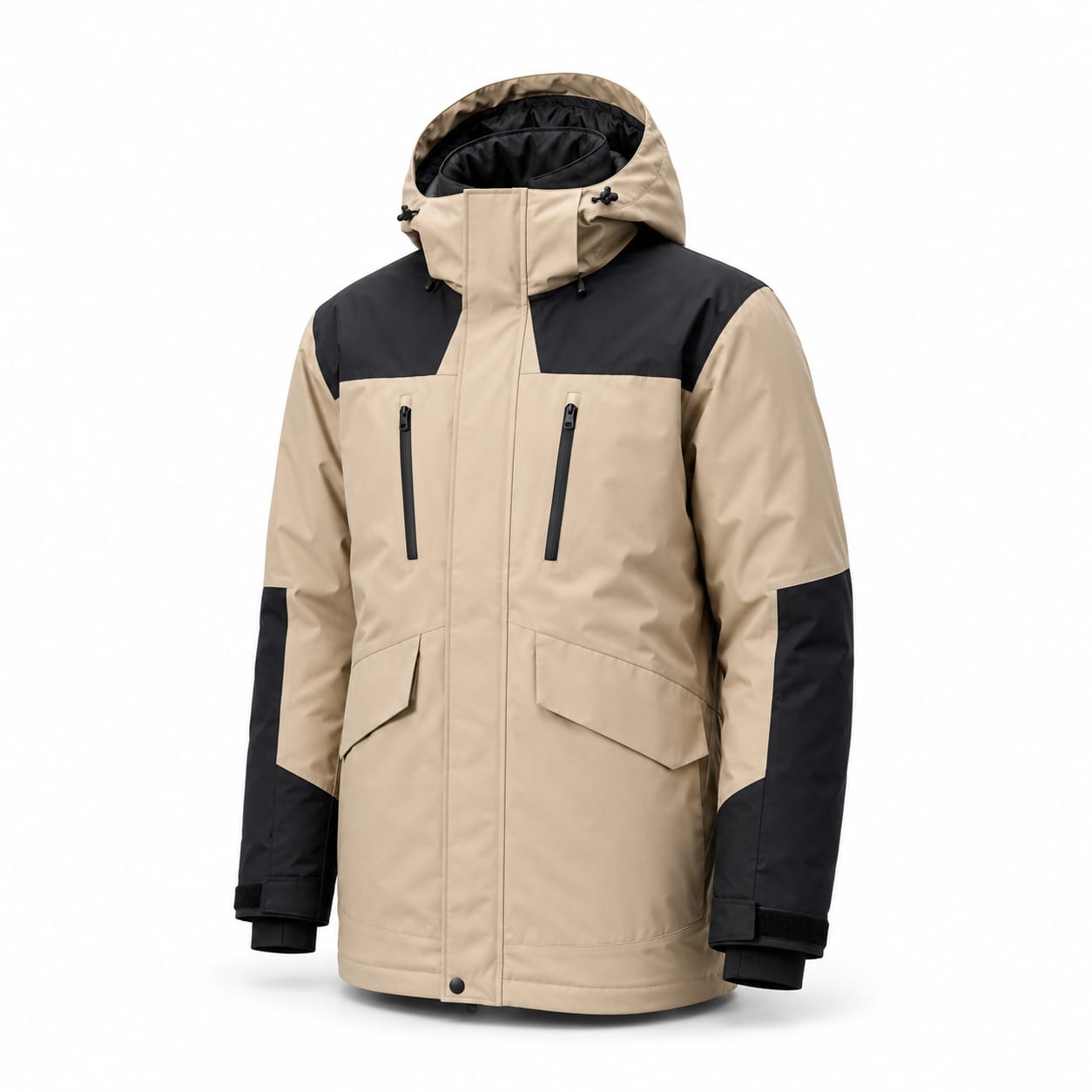
Insulated Snow Jacket
$120 – $650
All-in-one snow jacket with built-in insulation for warmth in cold resort conditions.
Integrated insulationWaterproof-breathable membraneAdjustable hood
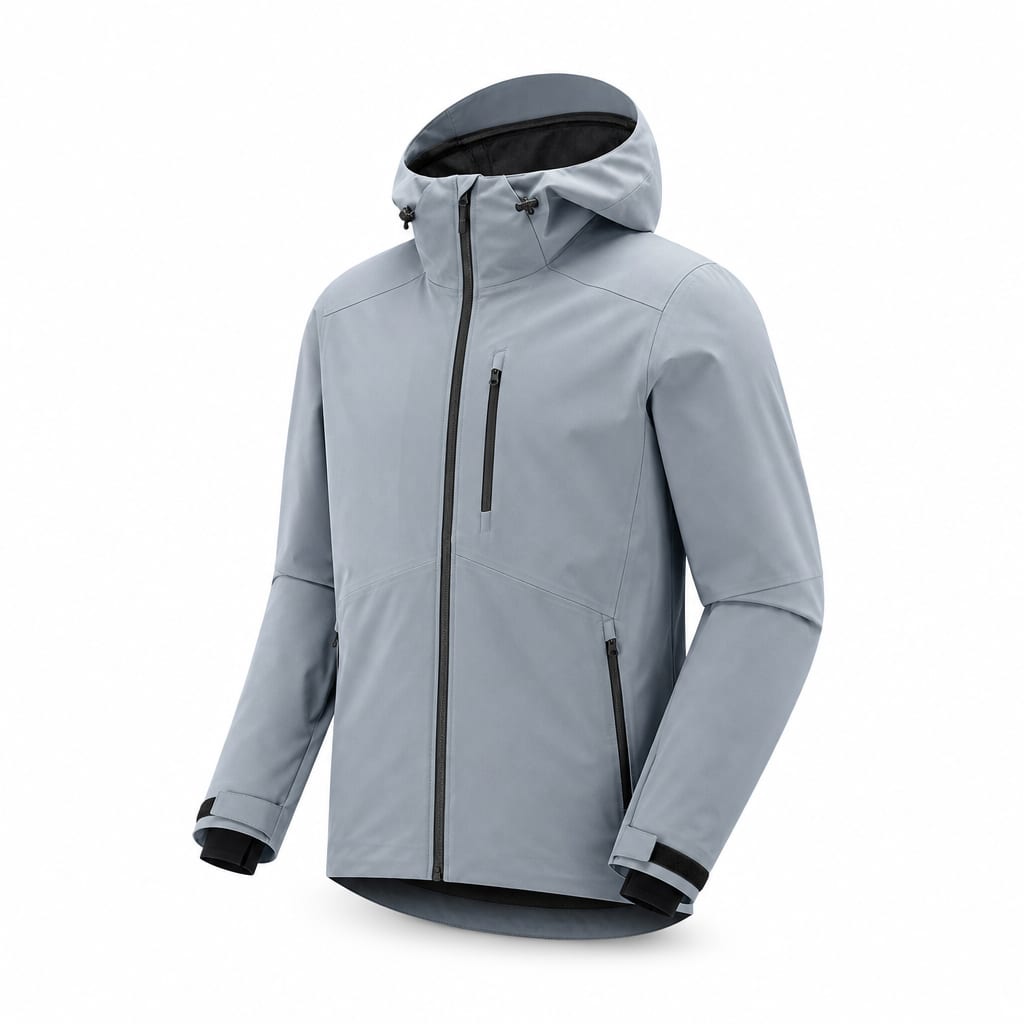
Softshell Snow Jacket
$100 – $400
Stretchy, breathable jacket for high-output riding in mild to moderate conditions.
Stretch fabricHigh breathabilityDWR water resistance
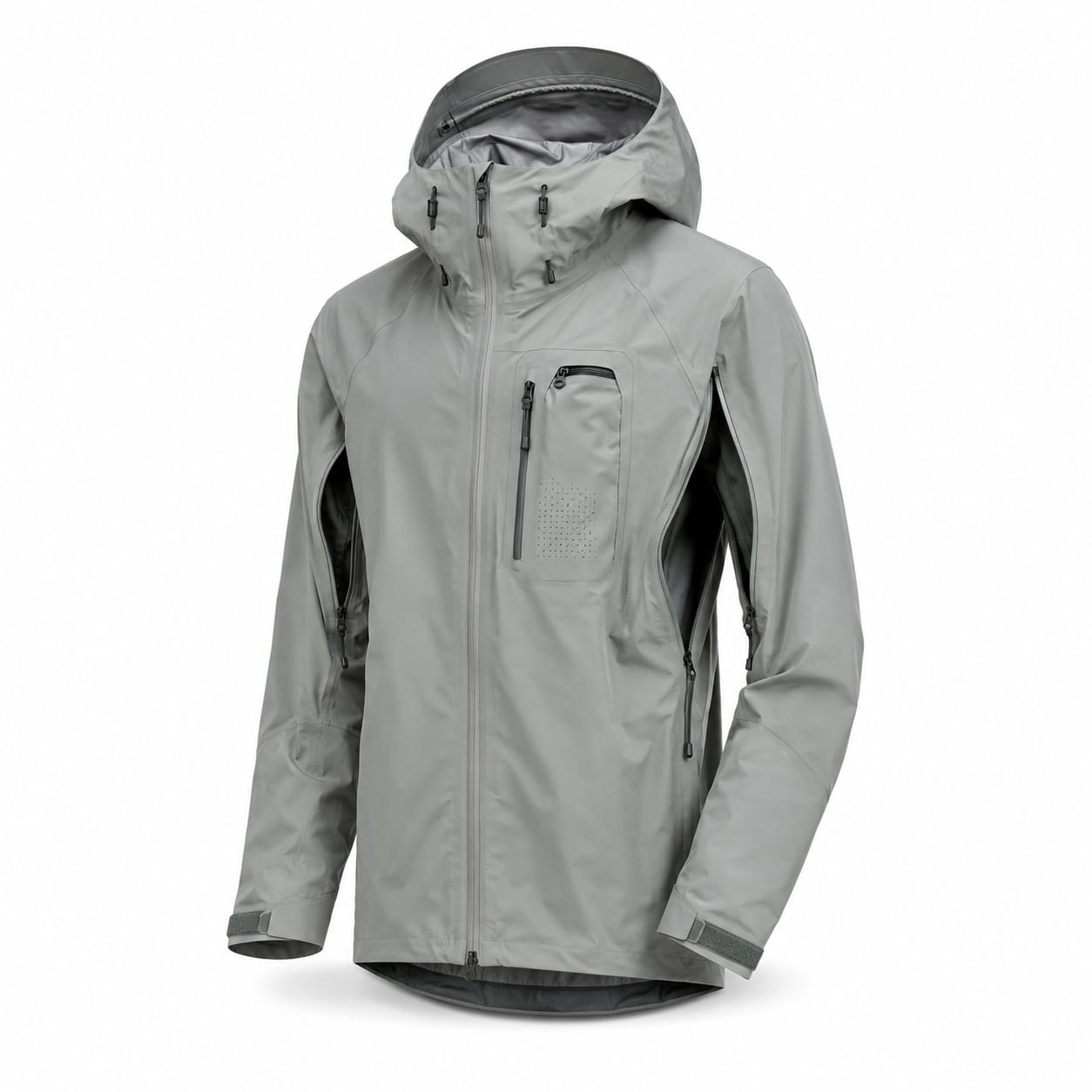
Backcountry / Touring Snow Jacket
$250 – $850
Lightweight, highly breathable shell designed for uphill travel and variable mountain conditions.
Ultralight constructionMaximum breathabilityLarge pit zips
More questions
- Will I be cold in a shell jacket?
- Is GORE-TEX worth the premium over proprietary membranes?
- Can I use a shell jacket for resort skiing, or is it only for backcountry?
- Why is my shell jacket wetting out when the waterproof rating says 20,000mm?