Kitvore.com

Kitvore.com

Specs that matter. Gear that fits.

Snow Jacket · Subcategory

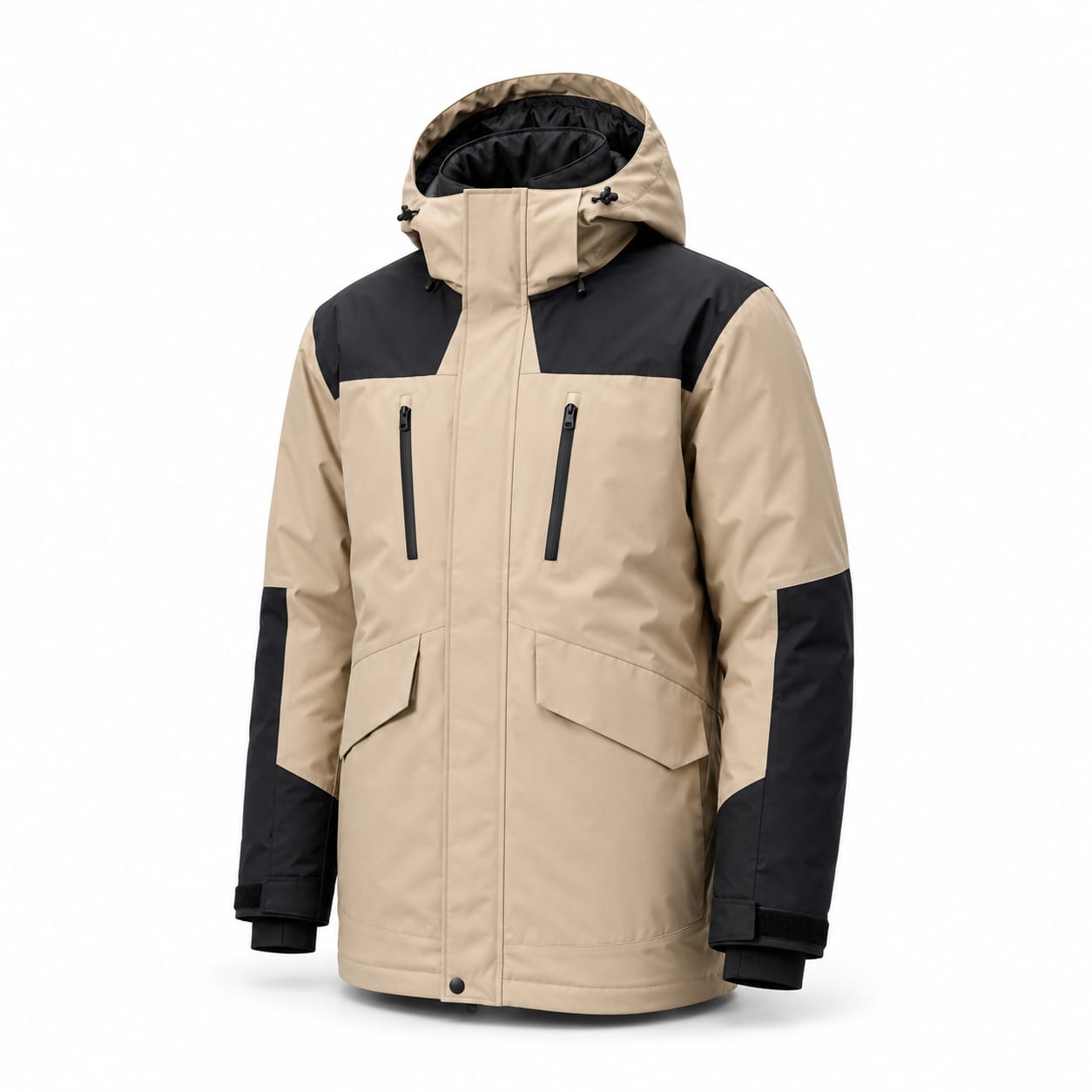
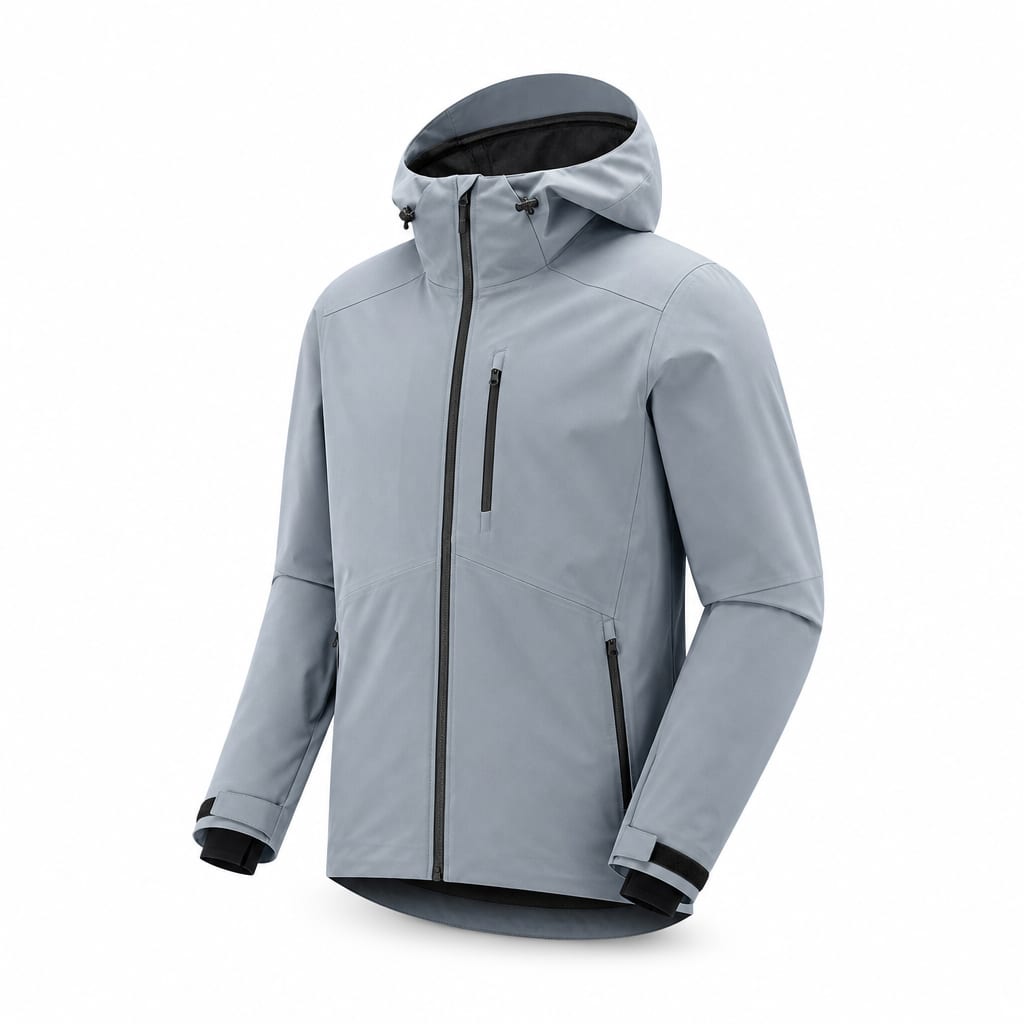
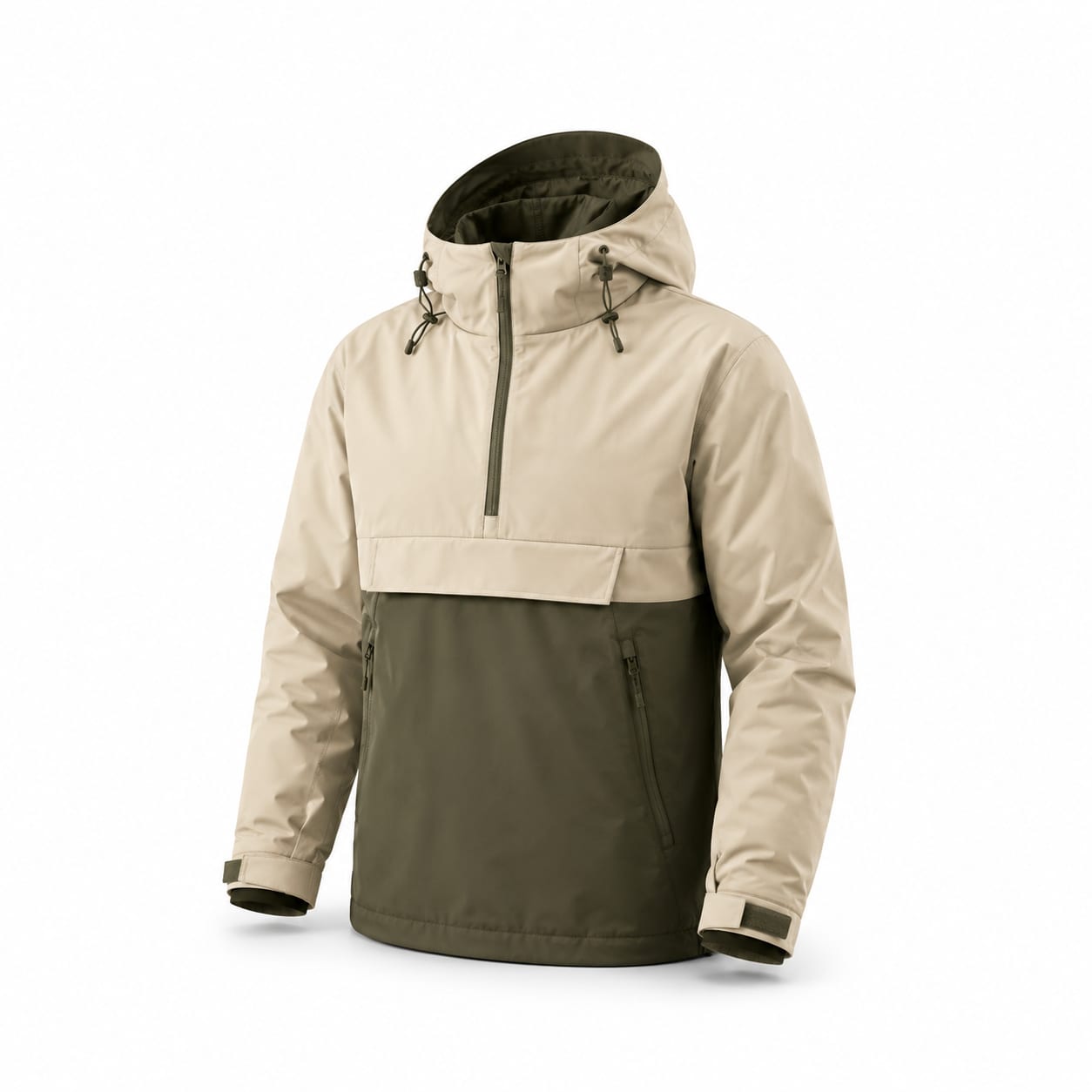
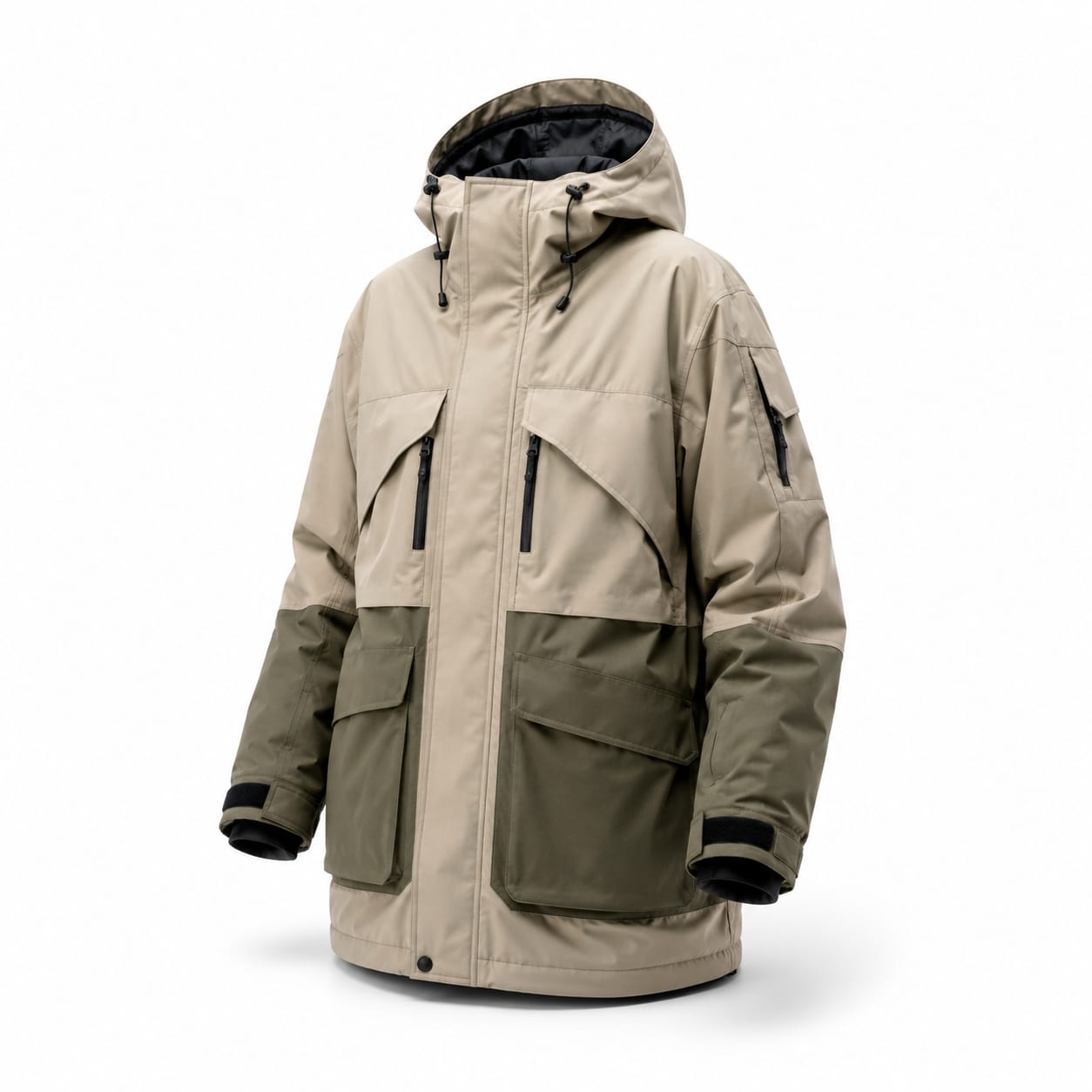
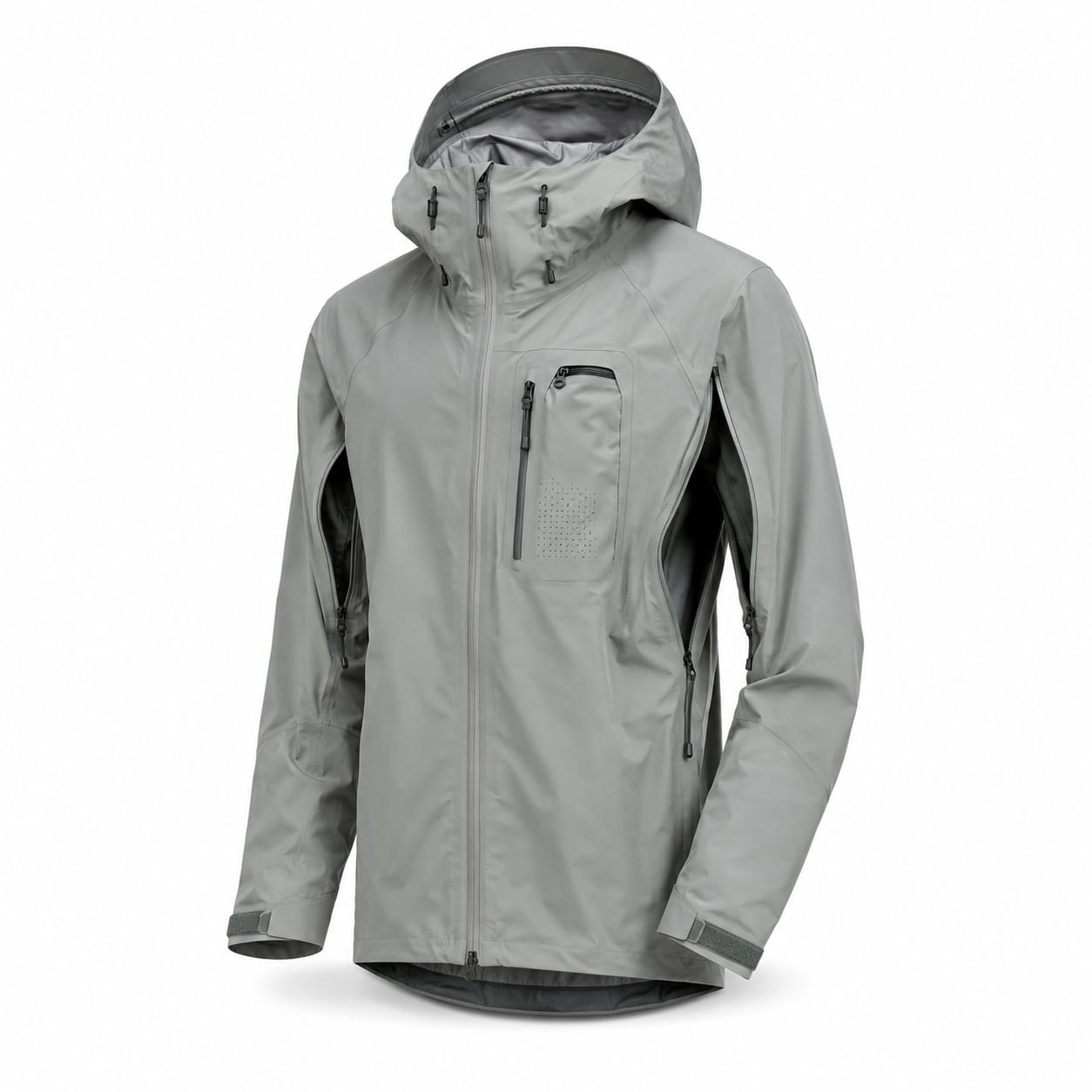
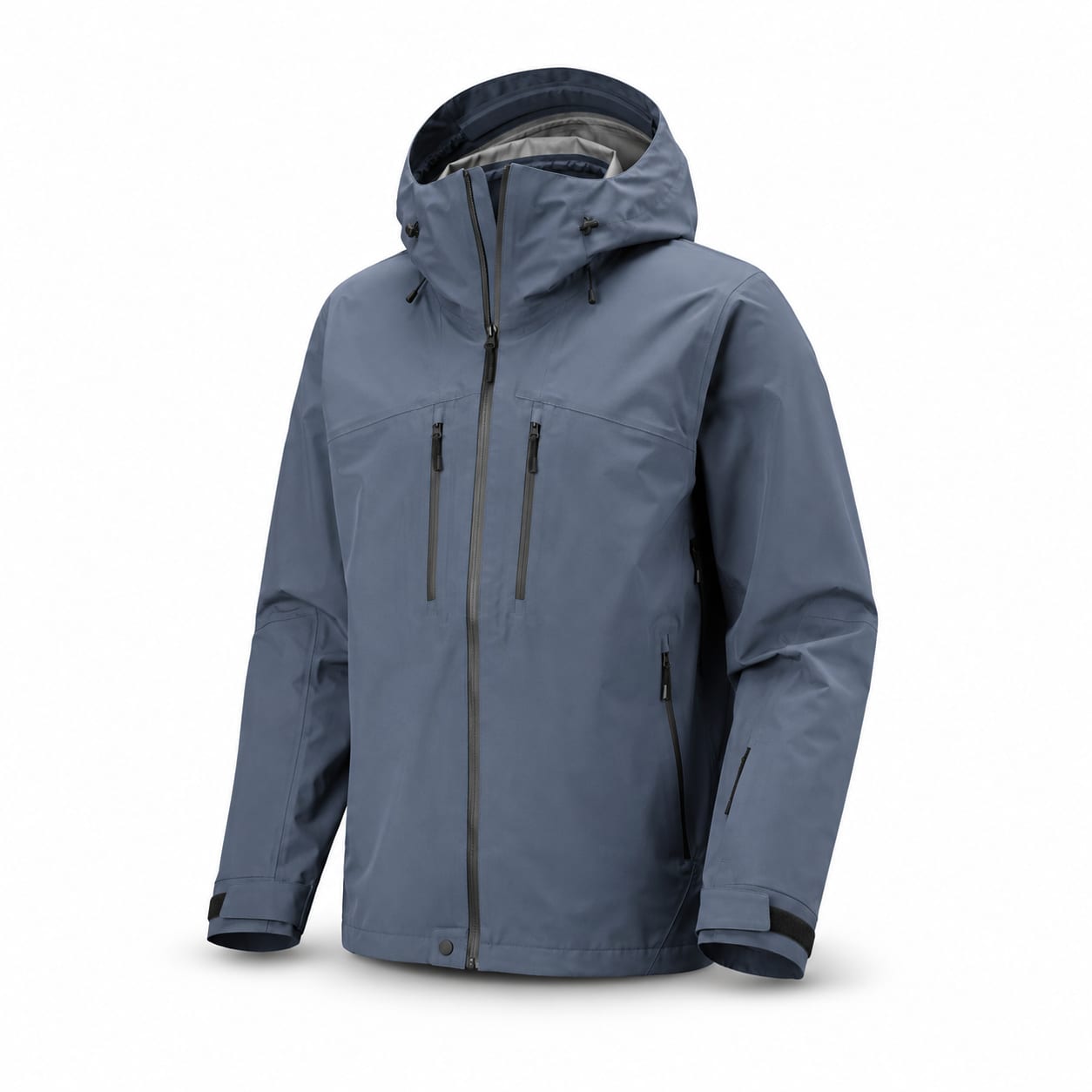
Shell Snow Jacket (Hardshell)

A no-insulation technical outer layer built for maximum weather protection and layering versatility on the mountain.

Shell snow jackets are the preferred choice of experienced riders and backcountry enthusiasts who demand uncompromising weather protection with the freedom to dial in warmth through layering. By stripping out built-in insulation, shells deliver the best breathability, the lightest weight, and the most adaptable temperature regulation of any snow jacket type. Add a lightweight fleece on warm spring days, or stack a heavy mid-layer for bitter cold—your shell handles it all.

$200 – $900premium tierintermediateadvancedexpert

Best known for

Superior breathability during high-exertion ridingMaximum layering versatility across all conditionsLightweight packability for backcountry touringBest-in-class waterproofing when properly constructed
Shell Snow Jacket (Hardshell)

Guide

Detailed overview

A shell snow jacket (hardshell) is a technical outer layer designed without built-in insulation, relying entirely on a waterproof-breathable membrane and DWR-treated face fabric to keep you dry while allowing sweat vapor to escape. This design philosophy prioritizes moisture management and adaptability over standalone warmth, making shells the go-to choice for backcountry touring, sidecountry exploration, and any rider who values precise temperature control through a layered clothing system. The absence of insulation means shells are lighter, more packable, and significantly more breathable than their insulated counterparts, but they require the user to build an effective layering system underneath to stay warm in cold conditions.

Shell snow jackets represent the most technically focused category in snow outerwear. Unlike insulated jackets that bundle weather protection and warmth into a single garment, shells separate these functions entirely: the shell handles wind, rain, and snow while your chosen mid-layers handle insulation. This separation is not a limitation—it is a deliberate design choice that unlocks unmatched versatility. A single shell jacket can serve you from bitter January powder days to balmy May corn snow simply by swapping the layers beneath it.

The performance advantage of shells is most apparent during high-exertion activities like skinning up a backcountry ridge, hiking to a sidecountry stash, or simply charging hard all morning. When you work hard, you sweat—even in sub-freezing temperatures. Insulated jackets trap that moisture against your body, and when you stop moving, the sweat chills rapidly, leaving you cold and clammy. A quality shell with a high breathability rating and well-designed pit zips allows that moisture to escape, keeping you drier and more comfortable across a wider range of effort levels. This is why shells are considered mandatory for backcountry safety, where sweat management directly affects your ability to stay warm during transitions and descents.

Construction quality is paramount in shell jackets because there is no insulation to hide behind. Every seam, zipper, and cuff must work together to create a complete weather seal. Fully taped seams, helmet-compatible hoods with multi-point adjustment, inner wrist gaiters with thumbholes, and detachable powder skirts are all standard features on serious shells. The membrane technology—whether GORE-TEX, GORE-TEX Pro, or a high-end proprietary membrane—defines the jacket's real-world performance more than any other single factor. Cheaper shells using DWR coating alone will wet through in sustained precipitation, while premium membranes maintain their waterproofing for the life of the garment.

The trade-off is clear: shells demand more from the rider. You must understand layering, own appropriate mid-layers, and be willing to adjust your system throughout the day. Beginners who buy a shell without investing in a proper base layer and mid-layer will find themselves cold and miserable on chairlifts. But for riders who have dialed in their layering system—or who want the freedom to do so—a shell snow jacket is the most capable, most versatile, and ultimately most rewarding piece of snow outerwear you can own.

Quick facts

Primary purpose
Provide a waterproof-breathable protective layer while allowing customizable insulation through layering
Popular brands
Arc'teryxPatagoniaMammutThe North FaceNorronaBlack Crows
Typical terrain
All terrainBackcountryResortSide-country

What makes it different

No built-in warmth; relies on layering; most versatile across conditions; lightest weight option

Recommended ranges

How this type usually specs out

Each spec is explained in plain language, then we show what buyers usually look for on this type.

Waterproof Rating

Waterproof Rating

What it means

The hydrostatic head rating measuring how much water pressure the fabric can resist before leaking, expressed in millimeters. Higher numbers indicate better waterproofing.

Typical for this type

10, 000–20, 000 mm

Most common pick: 15, 000 mm

In practice

Shell jackets consistently feature higher waterproof ratings than insulated models because they are designed for the most demanding conditions, including sustained storms and deep powder. The typical shell starts at 10,000 mm, with premium models reaching 20,000 mm or beyond.

Compared to other types

Shells typically have 20–40% higher waterproof ratings than insulated jackets at the same price point, as manufacturers prioritize membrane performance over insulation cost in shell designs.

Why it matters: Since a shell has no insulation to provide a secondary barrier against moisture, the fabric's waterproof rating is your primary defense. A low waterproof rating on a shell means you will get wet faster than on an insulated jacket with the same rating.

Breathability Rating

Breathability Rating

What it means

Measures how much water vapor (sweat) can pass through the fabric over 24 hours, expressed in g/m². Higher numbers mean better moisture management and less clamminess during exertion.

Typical for this type

10, 000–25, 000 g/m²/24hr

Most common pick: 15, 000 g/m²/24hr

In practice

Shell jackets offer the highest breathability ratings in the snow jacket category because there is no insulation layer to impede moisture vapor transmission. The membrane works directly with your base and mid-layers to move sweat away from your body.

Compared to other types

Shells typically offer 30–60% better breathability than insulated jackets with the same membrane, because insulation layers create additional resistance to moisture vapor transmission.

Why it matters: This is the primary performance advantage of a shell. High breathability prevents the clammy, overheated feeling that leads to cold-chills when you stop moving. It is safety-critical in the backcountry where sweat-soaked clothing can accelerate hypothermia.

Insulation Type

Insulation Type

What it means

The primary insulation material used in the jacket, which determines warmth-to-weight ratio, packability, and performance when wet.

Typical for this type

N/A — This Is The Defining Characteristic Of The Subcategory

Most common pick: Shell (No Insulation)

In practice

Shell jackets have zero built-in insulation by definition. All warmth comes from the rider's layering system underneath. This is the core design philosophy that enables the shell's superior breathability, packability, and versatility.

Compared to other types

Insulated jackets (synthetic, down, hybrid) trade layering flexibility for convenience—you put on one jacket and go. Shells trade that convenience for maximum adaptability and breathability.

Why it matters: Choosing a shell means committing to a layering system. You must own and know how to use appropriate base layers and mid-layers. The reward is the ability to fine-tune your warmth for any condition from -20°C storm days to +5°C spring slush.

Insulation Weight

Insulation Weight

What it means

The amount of insulation in the jacket, measured in grams. Higher numbers indicate more warmth but also more bulk. Often given as body/sleeve (e.g., 80g/60g).

Typical for this type

0 g (all shells)

In practice

Shell jackets have no insulation weight. The total jacket weight is determined by the face fabric, membrane, and feature set. A typical shell weighs 400–700 g depending on construction and features.

Compared to other types

Insulated jackets add 40–200 g of insulation weight on top of the shell fabric weight. A shell is typically 200–400 g lighter than an equivalent insulated jacket.

Why it matters: Zero insulation weight makes shells significantly lighter than insulated alternatives, which is critical for backcountry touring where every gram matters on the uphill. It also makes shells far more packable for travel.

Jacket Fit

Jacket Fit

What it means

The overall cut and silhouette of the jacket, affecting layering capacity, mobility, and style.

Typical for this type

Regular to Relaxed

In practice

Shell jackets are most commonly offered in regular fit to accommodate layering underneath without excess bulk. Some technical shells lean slim for reduced weight and drag, while snowboard-oriented shells may offer relaxed fits. The key is ensuring enough room for your thickest intended mid-layer combination.

Compared to other types

Shells often fit slightly larger than insulated jackets of the same nominal size to account for layering. Insulated jackets can fit closer to body measurement since warmth is built in.

Why it matters: Fit is especially critical for shells because you need to size for your layering system, not just your body. A shell that fits perfectly over a t-shirt will be too tight over a fleece and puffy mid-layer. Always try on shells with your typical riding layers.

Seam Sealing

Seam Sealing

What it means

The method used to seal stitched seams, which are the weakest points for water entry. Critical for actual waterproof performance beyond the fabric rating.

Typical for this type

Fully Seam-Sealed (Preferred) Or Critically Seam-Sealed (Budget)

In practice

Quality shell jackets are almost always fully seam-sealed because the entire value proposition of a shell is uncompromising weather protection. Every seam is taped with waterproof tape to prevent any water ingress through stitch holes. Budget shells may use critical seam sealing to reduce cost.

Compared to other types

Shells are more likely to be fully seam-sealed than insulated jackets at the same price point, because shell buyers prioritize maximum weather protection. Insulated jackets more commonly use critical seam sealing to manage cost.

Why it matters: On a shell, seam sealing is non-negotiable for serious use. A 20,000 mm waterproof rating means nothing if water enters through untaped seams. Fully seam-sealed construction ensures the jacket performs to its rated specification in sustained storms.

Hood Type

Hood Type

What it means

The style and functionality of the jacket's hood, including whether it accommodates a helmet and how it adjusts.

Typical for this type

Helmet-Compatible Fixed Hood

In practice

The vast majority of shell jackets feature a fixed, helmet-compatible hood with multi-point adjustment (usually crown and sides). This provides the best weather seal and stays secure in high winds. The hood is designed to adjust down for bare-head or beanie use while expanding to fit over any helmet.

Compared to other types

Shells almost universally feature helmet-compatible fixed hoods, while some insulated and casual jackets offer detachable hoods for versatility. The fixed design is preferred in shells for maximum weather protection and reliability.

Why it matters: A well-designed helmet-compatible hood is essential for storm protection. It should move with your head when you turn, not block peripheral vision, and seal tightly around the face. Fixed hoods provide a better seal than detachable alternatives.

Ventilation

Ventilation

What it means

The type and location of zippered vents that allow rapid heat and moisture release during high-exertion activities without fully unzipping the jacket.

Typical for this type

Pit Zips (Minimum), Pit Zips + Chest Or Back Vents (Preferred For Touring)

Most common pick: Pit Zips + Mesh-Lined Vents

In practice

Shell jackets prioritize ventilation because they are designed for high-exertion use. Full-length pit zips are standard, and many shells add chest vents or back vents for maximum airflow. Mesh-lined vents are common to prevent snow ingress in deep powder.

Compared to other types

Shells typically have larger, more numerous vents than insulated jackets. Insulated jackets often have smaller pit zips because the insulation limits how much cooling vents can provide. Shells can achieve near-complete airflow when all vents are open.

Why it matters: On a shell, ventilation is your primary temperature regulation tool since you cannot remove insulation. Full-length pit zips can dump heat rapidly during transitions from uphill to downhill, preventing dangerous sweat accumulation in the backcountry.

Powder Skirt

Powder Skirt

What it means

An elasticized or snap-closure band around the inside hem of the jacket that seals against the waist to prevent snow from entering from below, especially during falls in deep snow.

Typical for this type

Detachable (Preferred) Or Fixed

In practice

Shell jackets commonly feature detachable powder skirts to maximize versatility. Snap the skirt in for deep powder days, remove it for resort groomer laps or spring touring when you want less bulk and better ventilation. Fixed skirts are found on dedicated freeride shells.

Compared to other types

Shells are more likely to feature detachable powder skirts than insulated jackets, reflecting the shell user's preference for modularity. Insulated jackets more commonly have fixed skirts or no skirt at all in casual models.

Why it matters: A detachable powder skirt gives you the best of both worlds—full snow seal when you need it, less constriction and weight when you don't. This aligns with the shell philosophy of adaptability across conditions.

Wrist Seals / Cuffs

Wrist Seals / Cuffs

What it means

The closure system at the jacket cuffs that seals around the wrists to prevent cold air, snow, and water from entering the sleeves.

Typical for this type

Velcro Cuff + Inner Gaiter With Thumbhole

In practice

Quality shell jackets feature velcro-adjustable outer cuffs paired with inner stretch gaiters, often with thumbholes. This dual-seal system is the most effective at keeping snow and wind out of the sleeves, which is critical on a shell since there is no insulation to buffer cold air at the wrists.

Compared to other types

Shells are more likely to feature the full velcro + inner gaiter system than insulated jackets, which sometimes use simpler velcro-only cuffs. The dual-seal system is considered essential for the demanding conditions shells are designed for.

Why it matters: The inner gaiter with thumbhole keeps the sleeve from riding up during falls or high-motion activities, maintaining a continuous seal. This is especially important in deep powder where wrist exposure leads to rapidly cold hands and wet sleeves.

Membrane Technology

Membrane Technology

What it means

The specific waterproof-breathable membrane or coating technology used in the jacket's construction. This is the core technology that determines real-world performance.

Typical for this type

GORE-TEX (Reliable Standard), GORE-TEX Pro (Backcountry/Extreme), Or Proven Proprietary Membrane

Most common pick: GORE-TEX Or High-End Proprietary Membrane

In practice

Shell jackets are defined by their membrane technology, and this is where most of the performance—and cost—resides. GORE-TEX is the most common membrane in quality shells, with GORE-TEX Pro reserved for the most demanding applications. High-end proprietary membranes from brands like Arc'teryx, Patagonia, and The North Face offer competitive performance, sometimes with unique features like electrospun nanofiber construction.

Compared to other types

Shells are more likely to feature premium membrane technology (GORE-TEX, GORE-TEX Pro) than insulated jackets at the same price point, because membrane performance is the shell's primary selling point. Insulated jackets sometimes use cheaper membranes since the insulation provides a secondary warmth buffer.

Why it matters: The membrane determines real-world waterproofing and breathability far more than the advertised ratings. GORE-TEX has decades of proven performance and a lifetime guarantee. Proprietary membranes vary widely in quality—research specific brand performance before buying.

Pocket Configuration

Pocket Configuration

What it means

The types, positions, and features of pockets on the jacket. Affects storage, convenience, and access to essentials while riding.

Typical for this type

Hand Warmer, Lift Pass, And At Least One Chest Pocket (Minimum); Add Internal Mesh For Touring

Most common pick: Hand Warmer + Lift Pass + Chest + Internal Mesh

In practice

Shell jackets typically offer a comprehensive pocket layout including hand warmer pockets, a sleeve lift pass pocket, chest pockets for quick-access items, and internal mesh dump pockets for goggle or skin storage. Touring-oriented shells may skip the lift pass pocket in favor of larger chest pockets for navigation and communication devices.

Compared to other types

Shells often have more technical pocket layouts than insulated jackets, with emphasis on internal mesh storage and chest accessibility. Insulated jackets may prioritize hand warmer pocket size and fleece lining for warmth.

Why it matters: Since shells are used across diverse conditions, pocket versatility matters. Internal mesh dump pockets are especially valuable for stashing goggles at lunch or warming cold gloves. Chest pockets keep phones warm and prevent battery drain in cold weather.

Jacket Length

Jacket Length

What it means

The overall length of the jacket, affecting coverage, snow protection, and style. Measured from center back collar to hem.

Typical for this type

Regular (Most Versatile) Or Long (Deep Powder/Snowboard)

In practice

Shell jackets are most commonly regular length, ending at the hip, which provides good coverage while allowing freedom of movement for touring and hiking. Long/extended shells are popular for snowboarding and deep powder conditions where maximum coverage prevents snow ingress.

Compared to other types

Shells are available in all lengths but lean toward regular for touring versatility. Insulated jackets more commonly feature long lengths since the extra coverage adds warmth. Cropped shells exist in freestyle models but are rare.

Why it matters: Length affects both coverage and mobility. Regular length works well with most pants and powder skirts. Long length provides extra protection in deep snow and keeps your seat warm on chairlifts but can restrict leg movement during steep uphill skinning.

RECCO Reflector

RECCO Reflector

What it means

A passive rescue reflector embedded in the jacket that can be detected by RECCO detector equipment used by ski patrol and search and rescue teams.

Typical for this type

Has RECCO Reflector (Preferred For Any Off-Piste Riding)

Most common pick: True

In practice

Most mid-range and premium shell jackets include an integrated RECCO reflector as a standard safety feature. This passive rescue technology requires no batteries or activation and can be detected by search and rescue teams equipped with RECCO detectors.

Compared to other types

Shells are more likely to include RECCO reflectors than insulated jackets, especially at mid-range price points, reflecting the shell's association with backcountry and off-piste use.

Why it matters: While not a substitute for an avalanche beacon, a RECCO reflector provides an additional layer of safety for any rider who ventures off-piste. It is increasingly considered a standard feature on technical shells, and its presence adds no weight or maintenance burden.

Primary Activity / Use Case

Primary Activity / Use Case

What it means

The intended riding activity or environment the jacket is optimized for. Jackets designed for different activities prioritize different features and performance characteristics.

Typical for this type

Backcountry/Touring (Primary), All-Mountain (Secondary)

Most common pick: Backcountry / Touring + All-Mountain

In practice

Shell jackets are optimized for backcountry touring and all-mountain use where breathability, packability, and layering versatility are paramount. They are the default choice for human-powered mountain travel and are equally capable for resort riding when paired with appropriate mid-layers.

Compared to other types

Shells dominate the backcountry/touring category, while insulated jackets are more common in resort-only use cases. Shells can serve all activities with proper layering, but insulated jackets cannot match shell breathability for high-exertion touring.

Why it matters: Matching your shell to your primary activity ensures you get the right feature set. Touring shells prioritize breathability and weight, often with larger vents and minimal frills. All-mountain shells add resort-friendly features like lift pass pockets and more durable face fabrics.

Fabric Denier / Durability

Fabric Denier / Durability

What it means

The thickness and durability of the outer face fabric, measured in denier. Higher denier fabrics are more abrasion-resistant and durable but heavier and less packable.

Typical for this type

40–70 denier (general use), 80–150 denier (freeride/bushwhacking), 10–30 denier (ultralight touring)

In practice

Shell jackets use a range of face fabric deniers depending on their intended use. Standard all-mountain shells use 40–70 denier fabrics for a balance of durability and weight. Ultralight touring shells may use 10–30 denier for maximum packability, while freeride shells use 80+ denier to resist tree branches and ski edges.

Compared to other types

Shells are available in a wider range of deniers than insulated jackets because shell users span from ultralight touring to heavy freeride. Insulated jackets typically use 40–80 denier face fabrics since the insulation adds bulk and the target user is less weight-sensitive.

Why it matters: Denier determines how well your shell will survive contact with rocks, branches, and sharp ski edges. A 20-denier touring shell is incredibly light but can be punctured by a wayward tree branch. A 100-denier freeride shell will shrug off abuse but weighs significantly more.

Evaluation

Strengths and trade-offs

Pros

What this type does best

Superior Breathability

Critical

Without insulation blocking moisture vapor transmission, shells offer the best breathability of any snow jacket type. This keeps you drier during high-exertion activities and prevents the dangerous sweat-freeze cycle in the backcountry.

Maximum Layering Versatility

Critical

A single shell jacket can be adapted to any temperature by changing what you wear underneath—from a lightweight base layer in spring to a full base-mid-puffy system in deep winter. This makes shells the most versatile and cost-effective option over time.

Lighter Weight and Greater Packability

High

Shells are significantly lighter and more compressible than insulated jackets, making them ideal for backcountry touring where weight matters on the uphill and for travel where packing space is limited.

Faster Drying Time

High

Without insulation to absorb and retain moisture, shells dry much faster after wet conditions or washing. This is a practical advantage for multi-day trips and everyday maintenance.

Longer Useful Lifespan

High

Insulation degrades over time, losing loft and warmth. A shell's performance depends on its membrane and DWR coating, both of which can be maintained or restored. A quality shell can perform like new for many seasons with proper care.

Better Temperature Regulation

Medium

Shells with full-length pit zips and multiple vents allow rapid heat dumping that insulated jackets cannot match. You can fine-tune your temperature throughout the day without adding or removing layers.

No Insulation Migration

Medium

Insulated jackets can develop cold spots where insulation shifts or clumps over time. Shells have no insulation to shift, maintaining consistent protection across the entire garment for the life of the jacket.

Cons

Trade-offs to be aware of

Requires a Layering System

Significant

A shell alone provides no warmth. You must invest in and carry appropriate base layers and mid-layers, which adds cost and complexity. Beginners who buy a shell without understanding layering will be cold and uncomfortable.

Cold on Chairlifts Without Proper Mid-Layers

Moderate

Sitting still on a windy chairlift is the lowest-exertion moment of the day, and a shell without sufficient insulation underneath will feel cold fast. You need to anticipate conditions and layer appropriately before you get cold.

Higher Total System Cost

Moderate

While the shell itself may be competitively priced, the total cost of shell + quality base layer + mid-layer + puffy layer often exceeds the cost of a single insulated jacket. The investment pays off in versatility but requires more upfront spending.

Less Convenient for Quick Sessions

Minor

If you just want to grab one jacket and go for a few resort laps, a shell requires more thought about what to wear underneath. Insulated jackets offer a simpler grab-and-go experience for casual riding.

Can Feel Clammy in Humid Conditions

Minor

Even high-breathability shells can feel clammy against bare skin in humid, near-freezing conditions where the temperature differential across the membrane is insufficient to drive moisture vapor transmission. A base layer is essential to manage this.

Best for

Terrain

BackcountrySidecountryOpen bowlsTree runsSteep and deepAll-mountain mixed terrain

Snow conditions

Variable conditionsStorm daysDeep powderWet coastal snowSpring corn snowWindy exposed terrain

Skill level

IntermediateAdvancedExpert

Riding style

Backcountry touringSplitboardingAggressive all-mountainFreerideSidecountry exploration

Rider profile

Backcountry tourers who prioritize breathability and weightExperienced riders who have dialed in their layering systemRiders who encounter widely varying temperatures and conditionsMulti-day trip takers who need one jacket for everythingRiders who run hot and overheat in insulated jackets

Not ideal for

Reasons

Beginners may not understand how to layer properly and will be coldCasual riders who prefer grab-and-go convenience over versatilityRiders who only ski in consistently cold, dry conditions where breathability is less criticalBudget-conscious buyers who cannot invest in a complete layering system

Terrain

Terrain parks (unless specifically designed freestyle shell)Urban street features

Skill level

Beginners who have not developed a layering system

Riding style

Casual resort cruising with minimal effortPark and pipe (unless freestyle-specific shell)

Compare

How it stacks up

This page

Shell Snow Jacket (Hardshell)

Far superior breathability, lighter weight, greater versatility across conditions, faster drying, and longer lifespan. You can adapt to any temperature by changing mid-layers rather than buying multiple jackets.

Alternative

Insulated Snow Jacket

Simpler one-jacket solution with built-in warmth. Better for cold chairlifts without thinking about layers. Lower total system cost (one jacket vs. shell + layers). More forgiving for beginners who haven't learned layering.

Bottom line

Choose a shell if you ride hard, tour, or encounter varied conditions. Choose synthetic insulated if you primarily ride resort in consistent cold and prefer simplicity over versatility.

This page

Shell Snow Jacket (Hardshell)

Better breathability because the shell is designed as a standalone piece rather than compromised to accommodate a zip-in liner. Lighter weight. More layering options since you are not limited to the included liner. Typically higher quality membrane and construction.

Alternative

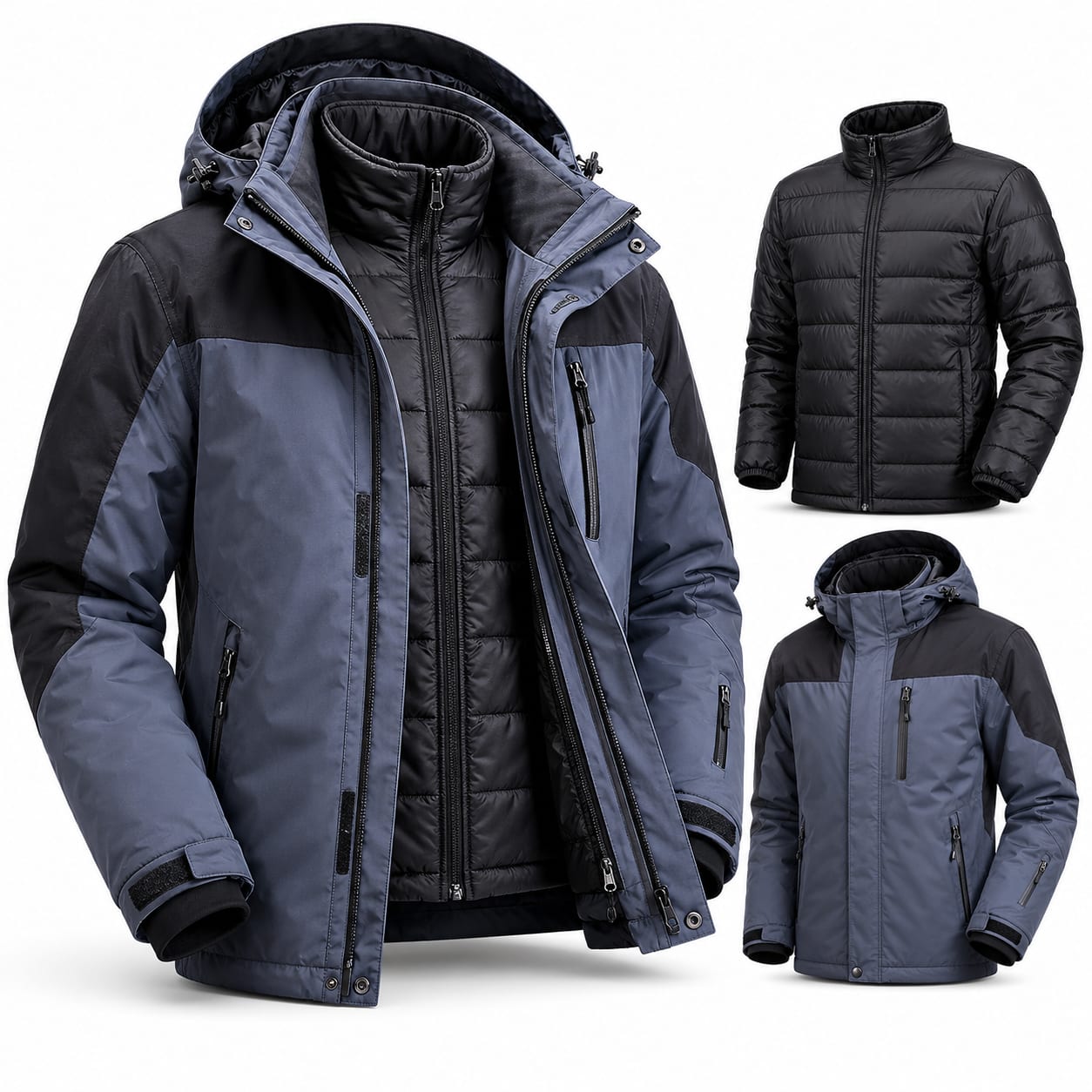
3-in-1 Snow Jacket (Shell + Zip-In Insulation)

Includes both shell and insulation in one purchase at a lower combined price. Zip-in system is convenient and eliminates layering guesswork. Can wear the liner alone as a casual jacket.

Bottom line

Choose a dedicated shell if you want the best performance and already own or plan to invest in quality mid-layers. Choose a 3-in-1 if you want an all-in-one solution and don't mind slightly compromised shell performance.

This page

Shell Snow Jacket (Hardshell)

Significantly better waterproofing for sustained precipitation and deep powder. Superior wind protection. More appropriate as a standalone outer layer in storm conditions. Better seam sealing and weather features.

Alternative

Softshell Snow Jacket

More stretch and mobility for active movement. Softer, quieter fabric feel. Better breathability in dry conditions. Often more comfortable for high-output activities in fair weather. No membrane rustle noise.

Bottom line

Choose a hardshell for storm days, deep powder, and wet climates where waterproofing is essential. Choose a softshell for dry, cold conditions where breathability and mobility matter more than waterproofing.

This page

Shell Snow Jacket (Hardshell)

No risk of down getting wet and losing all insulating properties. Far better breathability during exertion. More versatile across temperature ranges. Lighter total system weight when you choose appropriate mid-layers.

Alternative

Insulated Snow Jacket

Unmatched warmth-to-weight ratio in cold, dry conditions. Exceptional packability of the jacket itself. Luxurious warmth on cold chairlifts with minimal bulk. Premium feel and comfort.

Bottom line

Choose a shell for any conditions where you might encounter moisture or variable exertion levels. Choose down insulated only for consistently cold, dry climates where maximum warmth with minimal weight is the priority.

Shopping

Buying tips

  • 1

    Size your shell to fit over your thickest intended mid-layer combination. Try it on with a puffy jacket underneath—if the shoulders or chest feel tight, size up. A shell that is slightly loose over a base layer is far better than one that is too tight over a mid-layer.

  • 2

    Prioritize membrane technology over waterproof rating numbers. A 15,000 mm GORE-TEX jacket will outperform a 20,000 mm jacket with a cheap proprietary membrane in real-world conditions. Research specific membrane performance, not just the mm rating.

  • 3

    Insist on fully seam-sealed construction for any shell you plan to use in serious weather. Critically taped seams are acceptable for fair-weather resort use but will eventually leak in sustained storms. The premium for full seam sealing is worth it.

  • 4

    Check pit zip length before buying—full-length zips that run from mid-torso to near the hem provide dramatically more ventilation than short underarm zips. This is one of the most important features for temperature regulation on a shell.

  • 5

    If you tour, consider the jacket's compatibility with a climbing harness and backpack. Look for chest pockets that are accessible above a backpack hip belt, and avoid back vents that will be blocked by your pack.

  • 6

    Invest in a quality mid-layer system at the same time you buy your shell. A shell without proper layers is like buying boots without socks—you will be uncomfortable. Budget for at least a merino base layer and a versatile fleece or synthetic mid-layer.

  • 7

    Consider fabric denier based on your typical terrain. If you ride through tight trees or encounter sharp rocks, choose 70+ denier or a jacket with reinforced high-wear panels. If you tour in open terrain, 40 denier is sufficient and much lighter.

Care

Maintenance notes

  • Wash your shell regularly with a technical wash (Nikwax Tech Wash or similar) to remove body oils and dirt that clog the membrane and reduce breathability. Do not use regular detergent or fabric softener, which can permanently damage the DWR coating and membrane.
  • Reapply DWR treatment every 5–10 washes or when water stops beading on the fabric surface. Use a spray-on treatment for targeted application or a wash-in treatment for full coverage. This is the single most important maintenance step for maintaining waterproof performance.
  • Tumble dry on low heat after washing to reactivate the DWR coating. The gentle heat helps the DWR molecules realign on the fabric surface. Check the care label—most technical shells can handle low dryer heat despite feeling like they shouldn't go in a dryer.
  • Store your shell hanging up, not compressed in a stuff sack. Long-term compression can damage the membrane and reduce breathability. If you must pack it for travel, remove it from the stuff sack as soon as possible.
  • Inspect seam tape annually for peeling or lifting, especially at high-stress areas like shoulders and hood. Peeling seam tape can be repaired with seam sealant, but significant delamination may require professional repair or replacement.
  • Avoid sitting on your shell on rough surfaces like concrete or rocky chairlifts. The face fabric can abrade, compromising both appearance and water resistance over time. Use the jacket's features (longer back, durable fabric panels) rather than treating the shell as a seat cushion.

Progression

Skill development path

Shell jackets reward riders who develop a layering system and learn to read conditions. Beginners should start with a simple two-layer system: a merino base layer and a fleece mid-layer under the shell. As you gain experience, expand your mid-layer quiver to include a lightweight synthetic puffy for cold days and a thin fleece for warm days. Advanced riders learn to anticipate temperature changes and adjust layers proactively—adding a layer before a long chairlift ride and opening vents before a strenuous run. The ultimate skill is developing an intuitive feel for your personal comfort range across conditions, allowing you to dress perfectly for each day with minimal adjustment. This layering mastery is what makes shell owners consistently more comfortable than insulated jacket wearers across the full spectrum of mountain conditions.

FAQ

Common questions

Each question has a dedicated page with a full answer and links to the buying guide.

Will I be cold in a shell jacket?

A shell alone provides no insulation, so you will be cold if you don't wear appropriate layers underneath. However, with a proper layering system—merino base layer, fleece mid-layer, and optionally a lightweight puffy for very cold days—a shell can be just as warm as any insulated jacket. The key is investing in quality mid-layers and learning to adjust them for conditions. Many experienced riders actually find they stay warmer in a shell system because they can fine-tune their warmth rather than overheating and sweating in an insulated jacket.

Is GORE-TEX worth the premium over proprietary membranes?

For most riders, yes. GORE-TEX offers proven, consistent performance backed by a lifetime guarantee, and you know exactly what you're getting regardless of which brand makes the jacket. Proprietary membranes vary widely—some (like The North Face Futurelight or Patagonia H2No) perform excellently, while others are significantly less breathable or durable. If you choose a proprietary membrane, research that specific technology's reviews rather than assuming all house membranes are equal. For backcountry use where reliability matters, GORE-TEX is the safer choice.

Can I use a shell jacket for resort skiing, or is it only for backcountry?

Shell jackets are excellent for resort skiing—you just need to layer appropriately. Many resort riders prefer shells because they can adjust warmth throughout the day: add a puffy mid-layer for cold morning laps, then strip down to a fleece when the sun warms things up. The superior breathability also means less sweating during aggressive resort riding. The only downside is that you need to think about layers rather than just throwing on one jacket, but most riders find the comfort advantage worth the small extra effort.

How do I know what mid-layers to wear under my shell?

Start with a moisture-wicking base layer (merino wool or synthetic) against your skin, never cotton. Add a mid-layer based on temperature: a lightweight fleece for warm days (around -2°C to +5°C), a heavier fleece or thin puffy for moderate cold (-10°C to -2°C), and a thick puffy or layered fleece for very cold days (below -10°C). You can always add or remove a layer at lunch. The key principle is that each layer should be easy to add or remove, and your base layer must wick sweat away from your skin.