
Snow Pants · FAQ
Questions about Backcountry/Touring Pants
Straight answers on fit, specs, and when this type makes sense — each topic has its own page with links back to the buying guide.
Open Backcountry/Touring Pants guide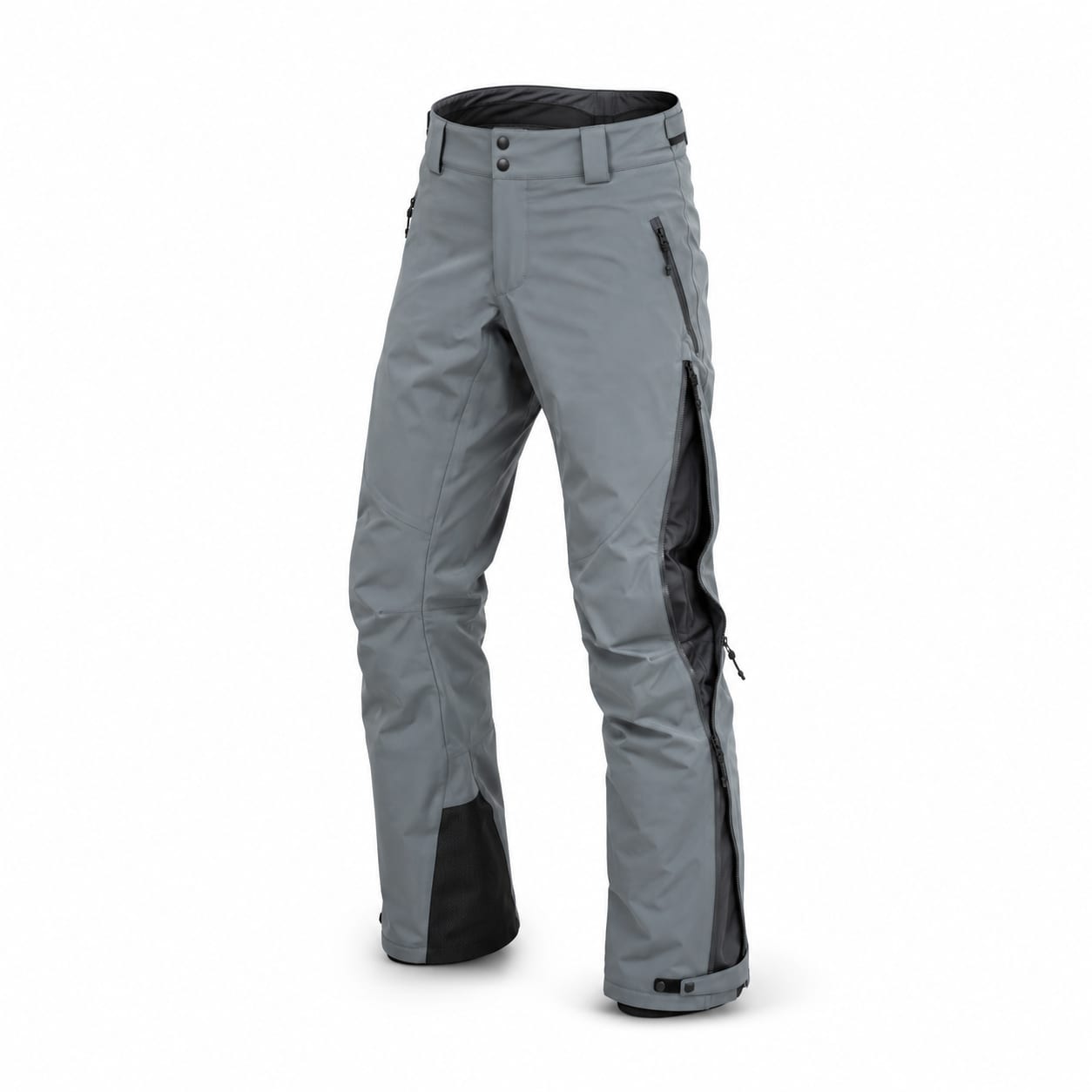
6 topics
Pick a question
Every answer links to the full subcategory guide and related gear types when it helps you decide.
Do I really need full side zips on touring pants, or are thigh vents enough?
Full side zips are strongly recommended for any serious touring. Thigh vents provide adequate ventilation for resort riding, but touring involves sustained high-output activity where you need maximum heat dumping capability. Full side zips also allow you to put on or remove pants without taking off your boots or skis—a major advantage during transitions in deep snow. If you tour more than a few times per season, full side zips are worth the additional cost and weight.
Read answer →02Should I get bibs or standard pants for backcountry touring?
Bibs are recommended for most backcountry riders, especially those who ride deep powder or tour in areas where post-holing is common. The extended chest coverage eliminates the gap where snow enters during falls or deep snow, provides core warmth, and offers secure chest storage for avalanche beacons and electronics. The main downside is bathroom convenience, but most touring bibs feature drop-seat designs that mitigate this. If you primarily tour in spring conditions with firm snow, standard pants with suspenders may be sufficient.
Read answer →03Why are touring pants so expensive compared to resort pants?
Touring pants command premium prices because they use higher-performance materials and more complex construction. Premium waterproof-breathable membranes (Gore-Tex Active/Pro), full side zippers with storm flaps, fully taped seams, and fully articulated construction all add significant cost. These features are necessary for the demanding conditions of backcountry travel where gear failure can be dangerous. If you're on a budget, look for previous-season models or consider whether you truly need backcountry-specific pants for your use case.
Read answer →04Can I use touring pants for resort skiing too?
Yes, touring pants work fine for resort skiing with proper layering. The shell construction means you'll need a warmer base and mid-layer than you would with insulated resort pants, but many riders appreciate the breathability on warm spring days and the option to dump heat through the side zips on groomer laps. The main downsides for resort use are the higher price, lighter face fabrics that may wear faster from chairlift friction, and the lack of built-in warmth for cold lift rides.
Read answer →05What layering system should I use under touring pants?
A typical touring layering system consists of a moisture-wicking base layer (lightweight to midweight merino wool or synthetic) and an optional mid-layer (lightweight fleece or insulated shorts/pants for cold conditions). On the ascent, you may wear just the base layer under your shell pants with side zips partially open. At transitions, add the mid-layer before descending. Avoid cotton base layers, which retain moisture and can contribute to hypothermia. The key is to start slightly cold on the up—you'll warm up quickly.
Read answer →06How do I know when to reapply DWR treatment to my touring pants?
The simple test: spray water on the face fabric. If it beads up and rolls off, the DWR is still effective. If the water soaks in and darkens the fabric, it's time to reapply. Most touring pants need DWR reapplication every 10-15 washes or after a season of heavy use. You can extend DWR life by washing with technical wash products instead of regular detergent, avoiding fabric softeners, and tumble drying on low heat to reactivate the treatment. Spray-on DWR products are easier to apply precisely; wash-in products provide more even coverage.
Read answer →