
A typical touring layering system consists of a moisture-wicking base layer (lightweight to midweight merino wool or synthetic) and an optional mid-layer (lightweight fleece or insulated shorts/pants for cold conditions). On the ascent, you may wear just the base layer under your shell pants with side zips partially open. At transitions, add the mid-layer before descending. Avoid cotton base layers, which retain moisture and can contribute to hypothermia. The key is to start slightly cold on the up—you'll warm up quickly.
Snow Pants · Backcountry/Touring Pants
What layering system should I use under touring pants?
Related gear types
If this answer nudged you toward a different style, these guides compare specs and trade-offs.
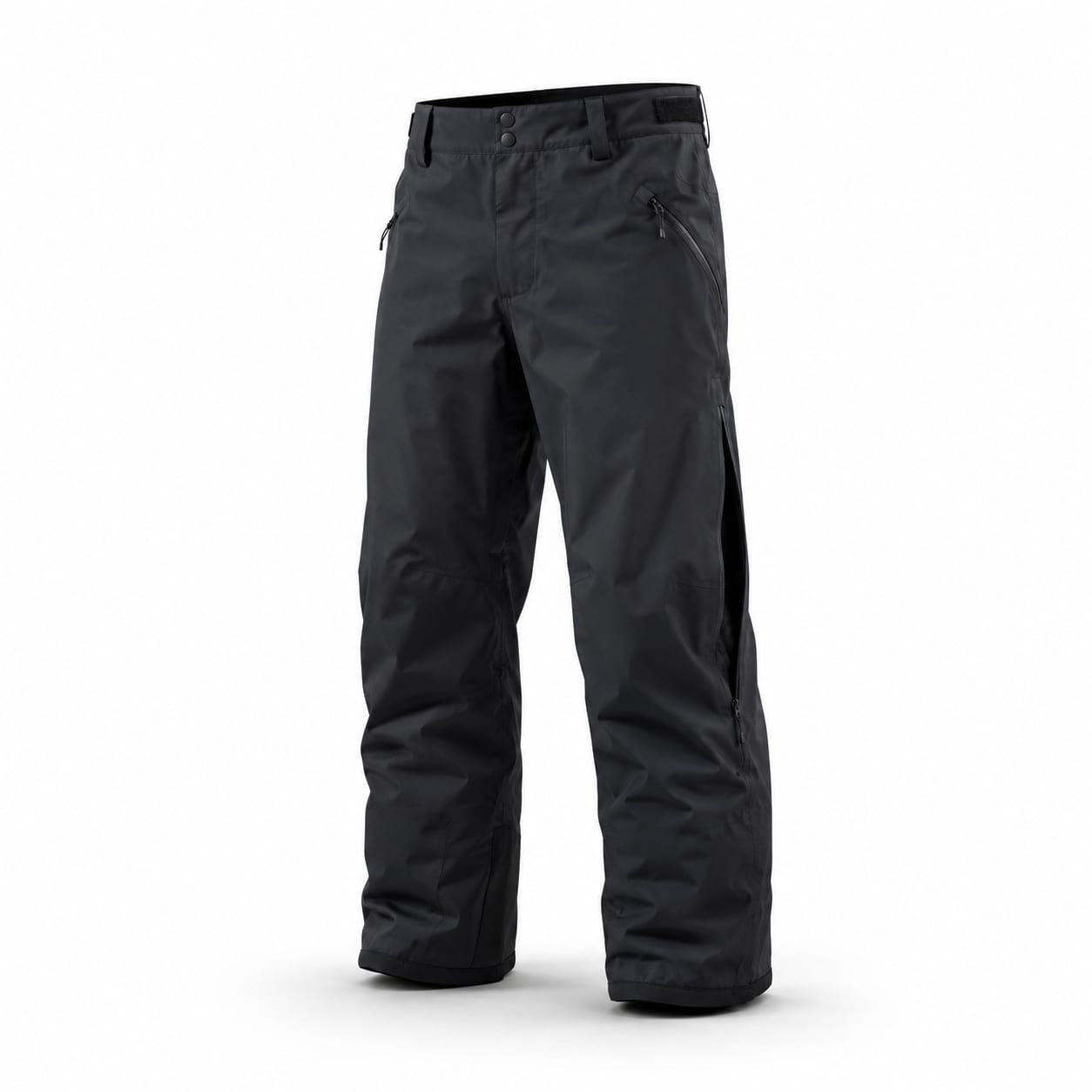
Shell Snow Pants
$100 – $600
Uninsulated waterproof pants designed for layering, offering maximum versatility and temperature regulation.
no insulationwaterproof-breathable membranelayering-compatible fit
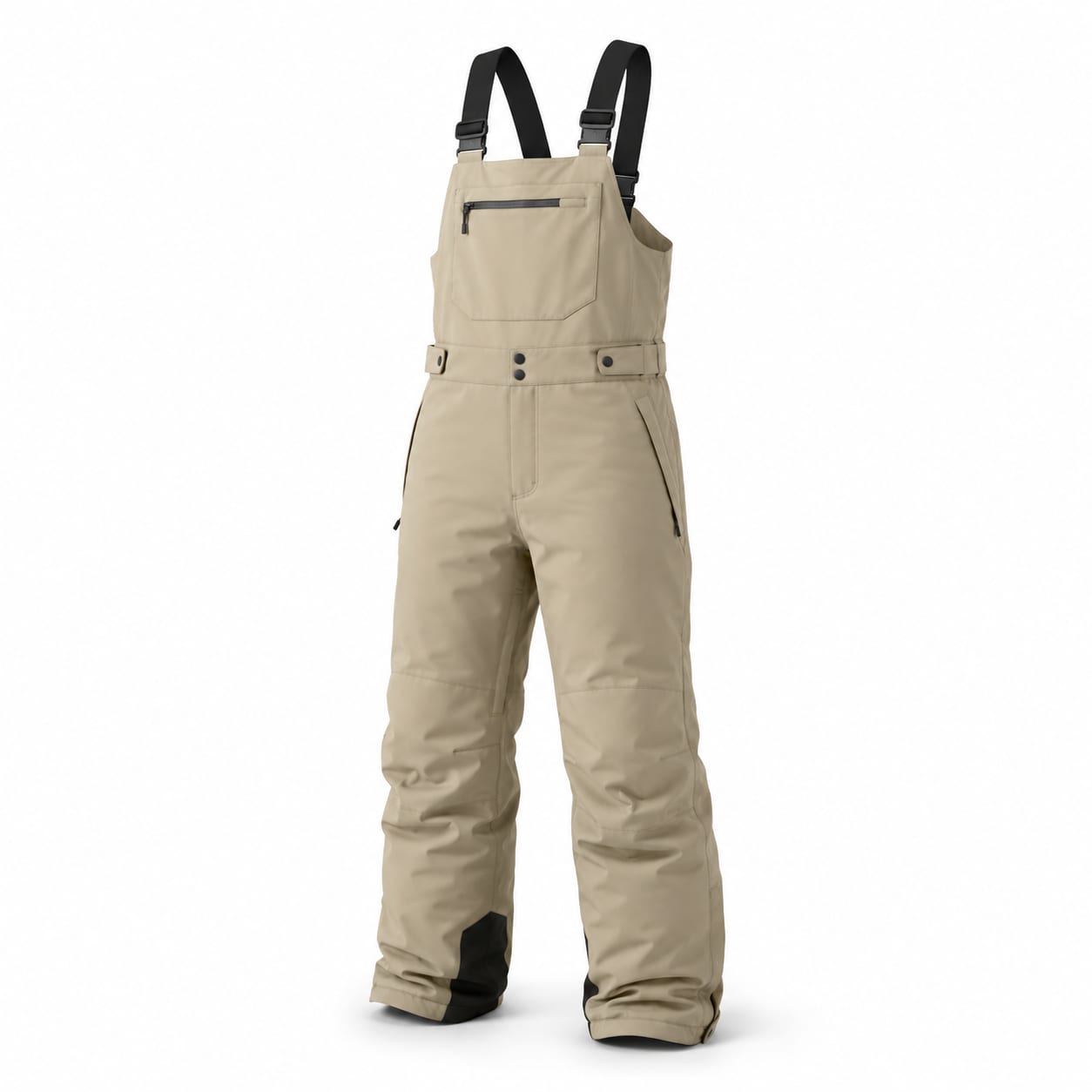
Bib Snow Pants
$120 – $550
High-waisted pants with shoulder straps that extend coverage up the torso, preventing snow entry at the waist.
shoulder strapshigh waist/chest coverageno waist gap for snow entry
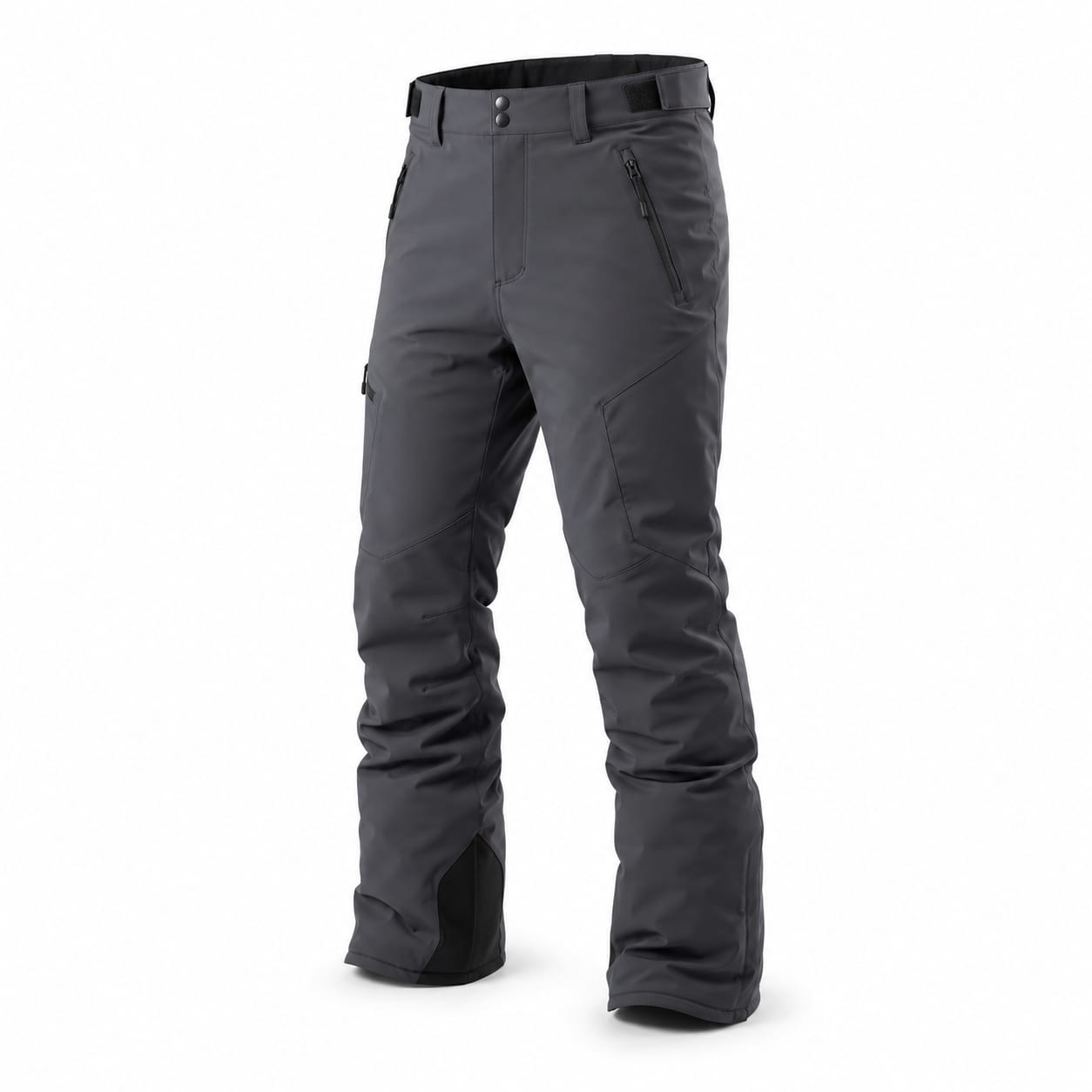
Stretch/Softshell Snow Pants
$100 – $450
Highly flexible snow pants using stretch or softshell fabrics for unrestricted movement during active riding.
4-way stretch fabricsoftshell or stretch-woven constructionarticulated patterning
More questions
- Do I really need full side zips on touring pants, or are thigh vents enough?
- Should I get bibs or standard pants for backcountry touring?
- Why are touring pants so expensive compared to resort pants?
- Can I use touring pants for resort skiing too?