
Snow Pants · FAQ
Questions about Stretch/Softshell Snow Pants
Straight answers on fit, specs, and when this type makes sense — each topic has its own page with links back to the buying guide.
Open Stretch/Softshell Snow Pants guide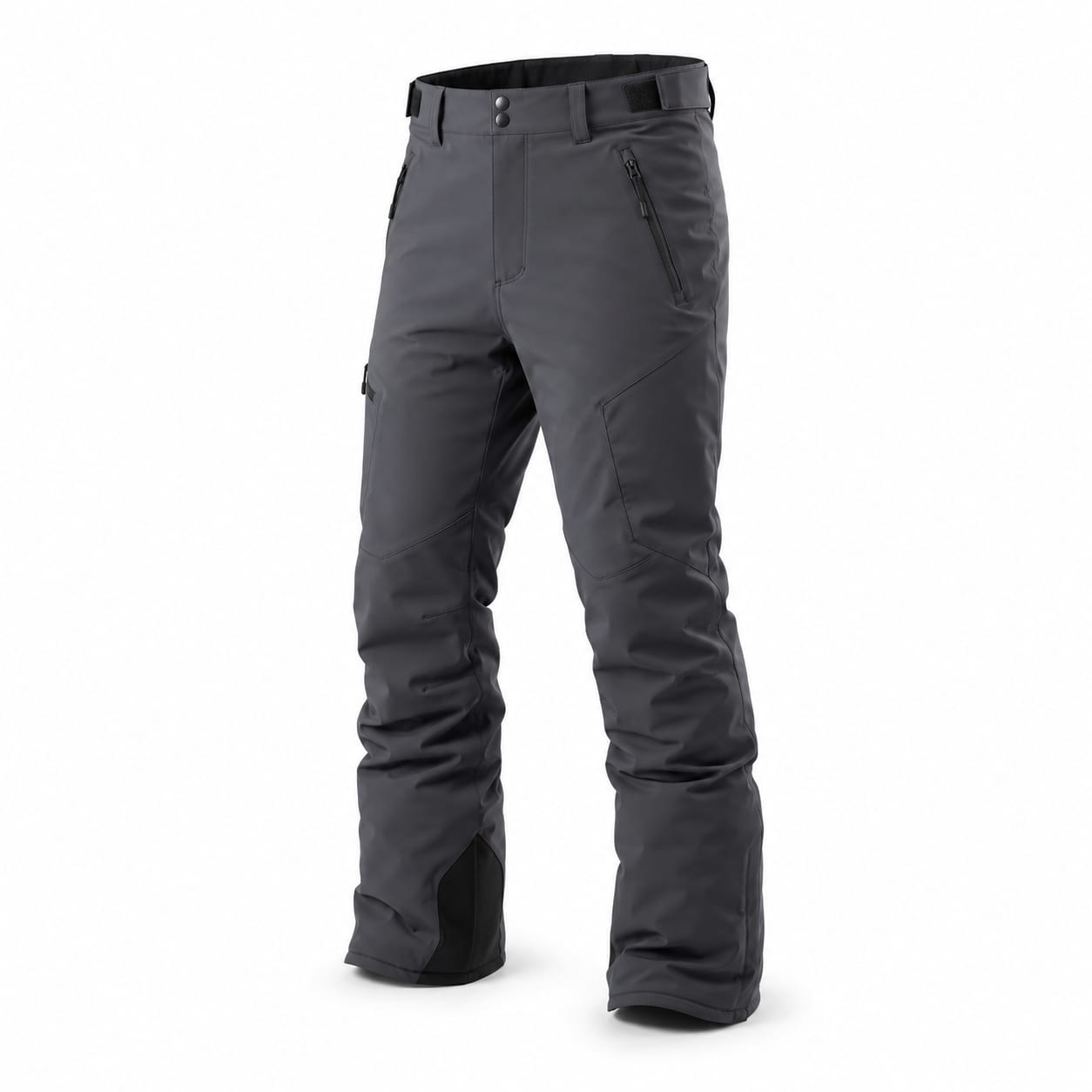
6 topics
Pick a question
Every answer links to the full subcategory guide and related gear types when it helps you decide.
Are stretch snow pants waterproof enough for regular resort riding?
Yes, for most resort conditions. Quality stretch pants with 10,000mm waterproofing and fully taped seams handle typical resort snow without issue. They may feel less confident in sustained wet snow or heavy rain, but for dry to moderate snow conditions—which describes most resort days—they perform well. If you ride primarily in wet coastal climates, consider stretch pants with higher waterproof ratings or keep a hardshell option for storm days.
Read answer →02Can I wear stretch snow pants for backcountry touring?
Absolutely—backcountry touring is one of the best use cases for stretch/softshell pants. The high breathability prevents the clammy overheating that hardshells cause during the ascent, and the stretch mobility is ideal for the dynamic movement of skinning and kick-turning. Look for models with inner thigh or full side-zip vents for additional temperature regulation during transitions. Many backcountry-specific stretch pants include features like integrated RECCO reflectors and beacon pockets.
Read answer →03How do I layer properly with uninsulated stretch snow pants?
Start with a moisture-wicking base layer—merino wool or synthetic—fitted against your skin. For moderate cold, this may be sufficient under the shell. Add a lightweight mid-layer (fleece pants or insulated bottom) for colder conditions. The key is avoiding cotton, which traps moisture. Your layers should be trim enough to avoid bunching inside the stretch pants but not so tight that they restrict the stretch fabric's range. Adjust layers based on activity level—you will need less insulation for high-output touring than for sitting on cold lifts.
Read answer →04Will stretch snow pants hold up to regular abuse from ski edges and falls?
With caveats. The stretch face fabric is generally less abrasion-resistant than high-denier nylon hardshells, making it more vulnerable to edge cuts and abrasion. However, most quality stretch pants include cuff reinforcement at the hem where edge contact is most common. For riders who fall frequently or ride aggressively near rocks and branches, look for models with extended scuff guards or reinforced panels at high-wear areas. Inspect and repair any cuts promptly to prevent them from spreading.
Read answer →05Are stretch snow pants worth the premium price over regular pants?
It depends on how you ride. If you are an active rider who generates significant body heat, values mobility, or finds traditional pants restrictive, the stretch advantage is immediately noticeable and worth the investment. The comfort and performance difference is most apparent during high-output activities like touring, hiking features, or aggressive all-mountain riding. If you ride casually at moderate intensity, primarily in very cold conditions, or on a tight budget, the premium may not be justified—traditional insulated or hardshell pants may serve you equally well at a lower price.
Read answer →06How often should I reapply DWR to stretch snow pants?
More frequently than hardshell pants—typically every 10–15 washes or at the start of each season, whichever comes first. The softer face fabric of stretch pants tends to lose DWR effectiveness faster than stiffer hardshell fabrics. The telltale sign is water no longer beading on the surface and instead soaking into the face fabric. Use a spray-on DWR treatment for targeted application or a wash-in treatment for comprehensive coverage. Always follow the care label instructions and use products designed for technical outerwear.
Read answer →