
Start with a moisture-wicking base layer—merino wool or synthetic—fitted against your skin. For moderate cold, this may be sufficient under the shell. Add a lightweight mid-layer (fleece pants or insulated bottom) for colder conditions. The key is avoiding cotton, which traps moisture. Your layers should be trim enough to avoid bunching inside the stretch pants but not so tight that they restrict the stretch fabric's range. Adjust layers based on activity level—you will need less insulation for high-output touring than for sitting on cold lifts.
Snow Pants · Stretch/Softshell Snow Pants
How do I layer properly with uninsulated stretch snow pants?
Related gear types
If this answer nudged you toward a different style, these guides compare specs and trade-offs.
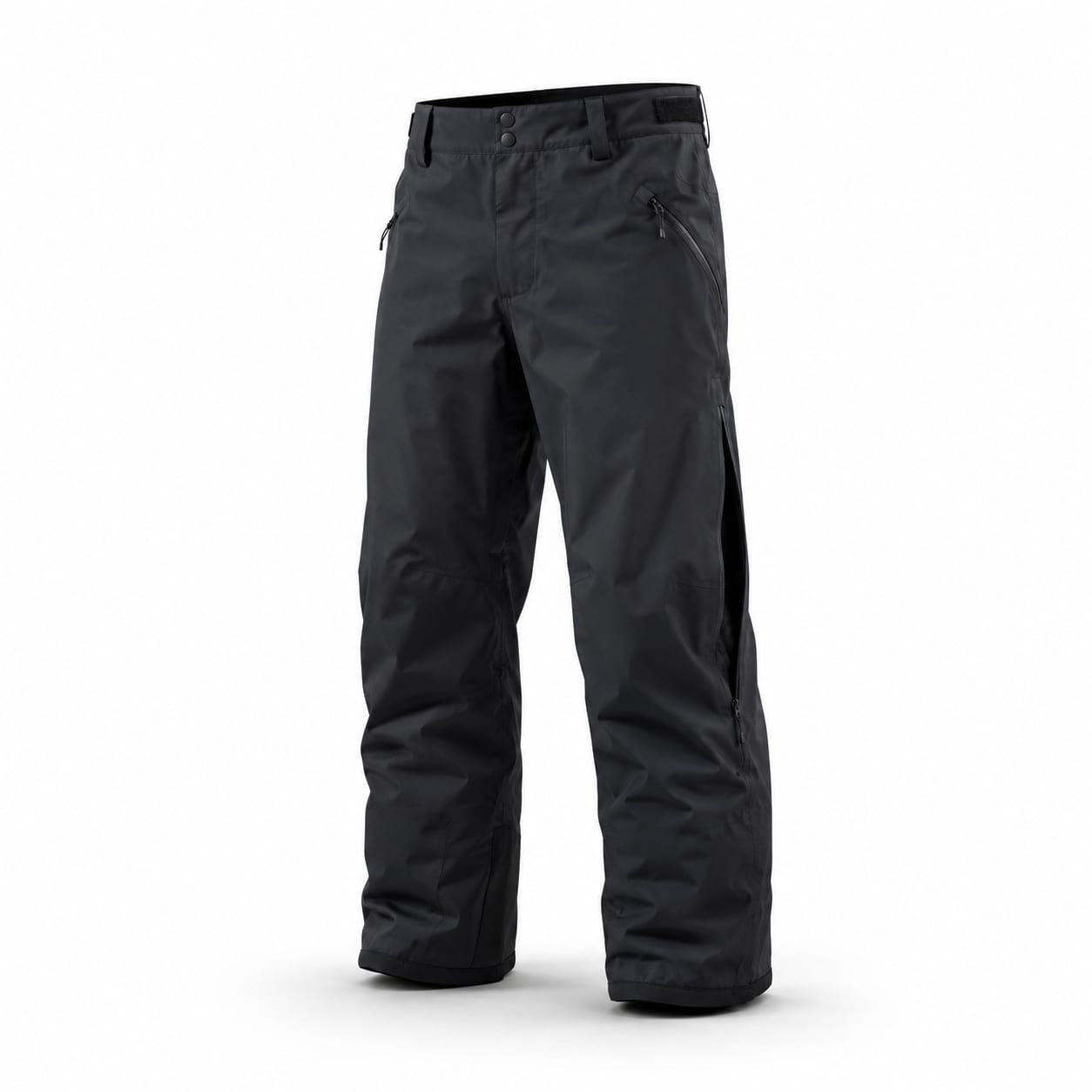
Shell Snow Pants
$100 – $600
Uninsulated waterproof pants designed for layering, offering maximum versatility and temperature regulation.
no insulationwaterproof-breathable membranelayering-compatible fit
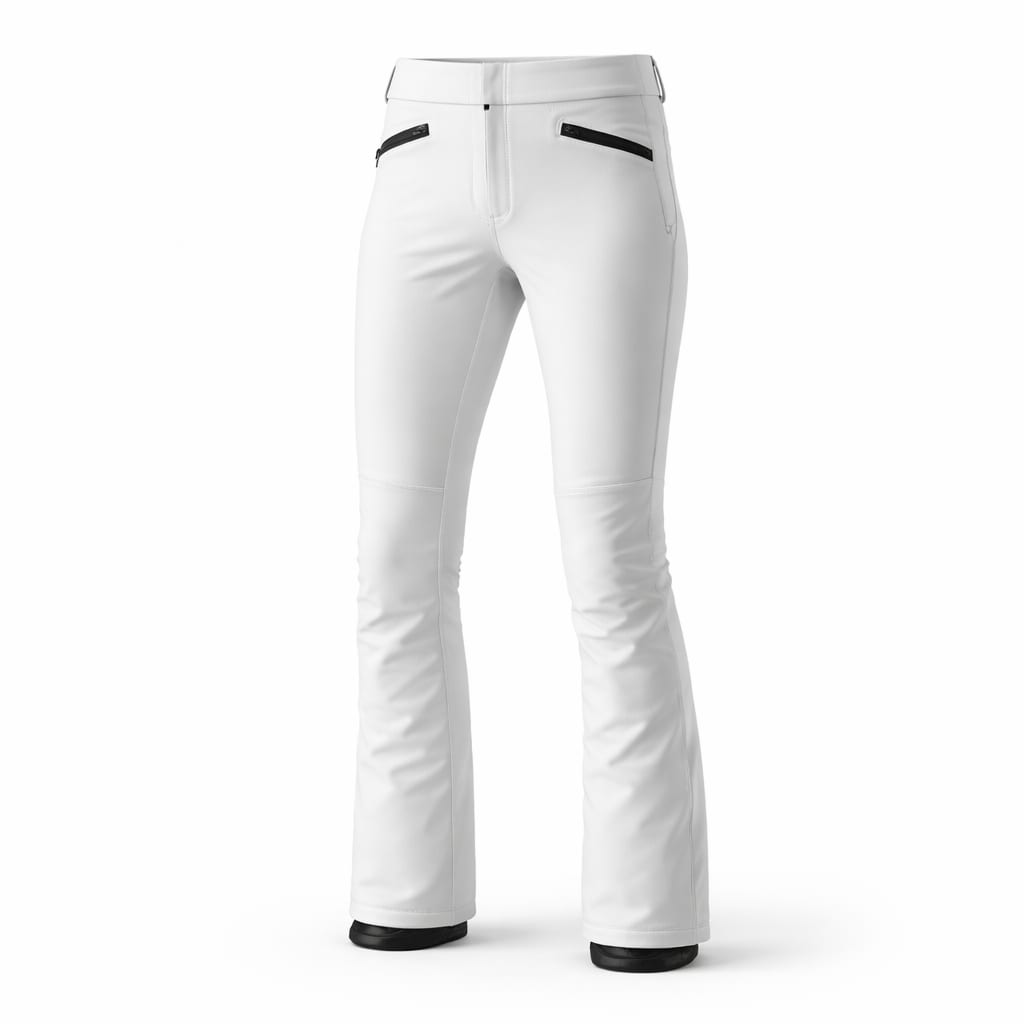
Performance/Fitted Ski Pants
$120 – $700
Tailored, form-fitting ski pants designed for aerodynamic performance and a streamlined on-piste look.
slim/tailored fitarticulated kneesstretch fabric panels
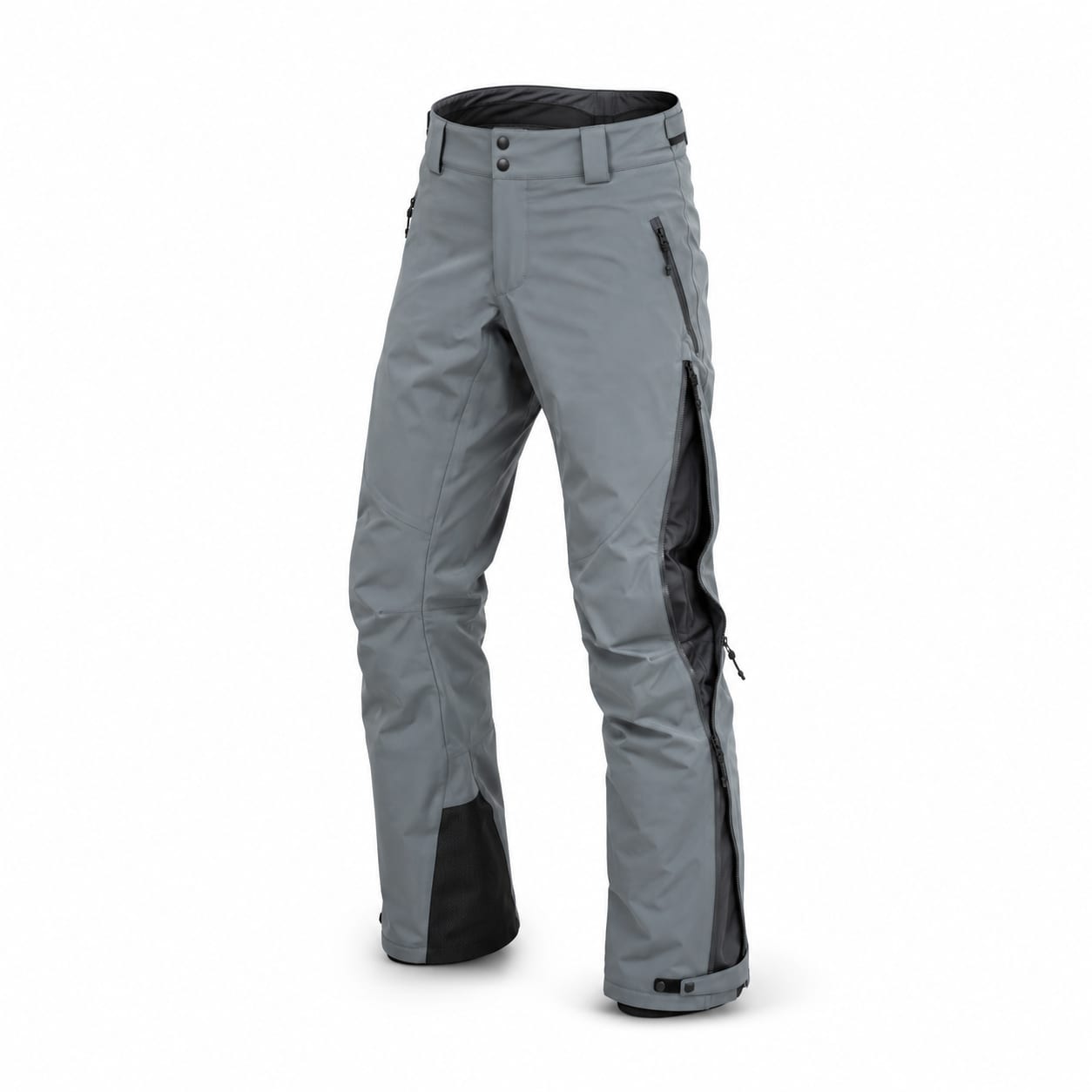
Backcountry/Touring Pants
$180 – $600
Lightweight, highly breathable pants optimized for uphill travel and variable backcountry conditions.
lightweight constructiongenerous side ventshigh breathability rating
More questions
- Are stretch snow pants waterproof enough for regular resort riding?
- Can I wear stretch snow pants for backcountry touring?
- Will stretch snow pants hold up to regular abuse from ski edges and falls?
- Are stretch snow pants worth the premium price over regular pants?