Kitvore.com

Kitvore.com

Specs that matter. Gear that fits.

Snow Pants · Subcategory

Stretch/Softshell Snow Pants

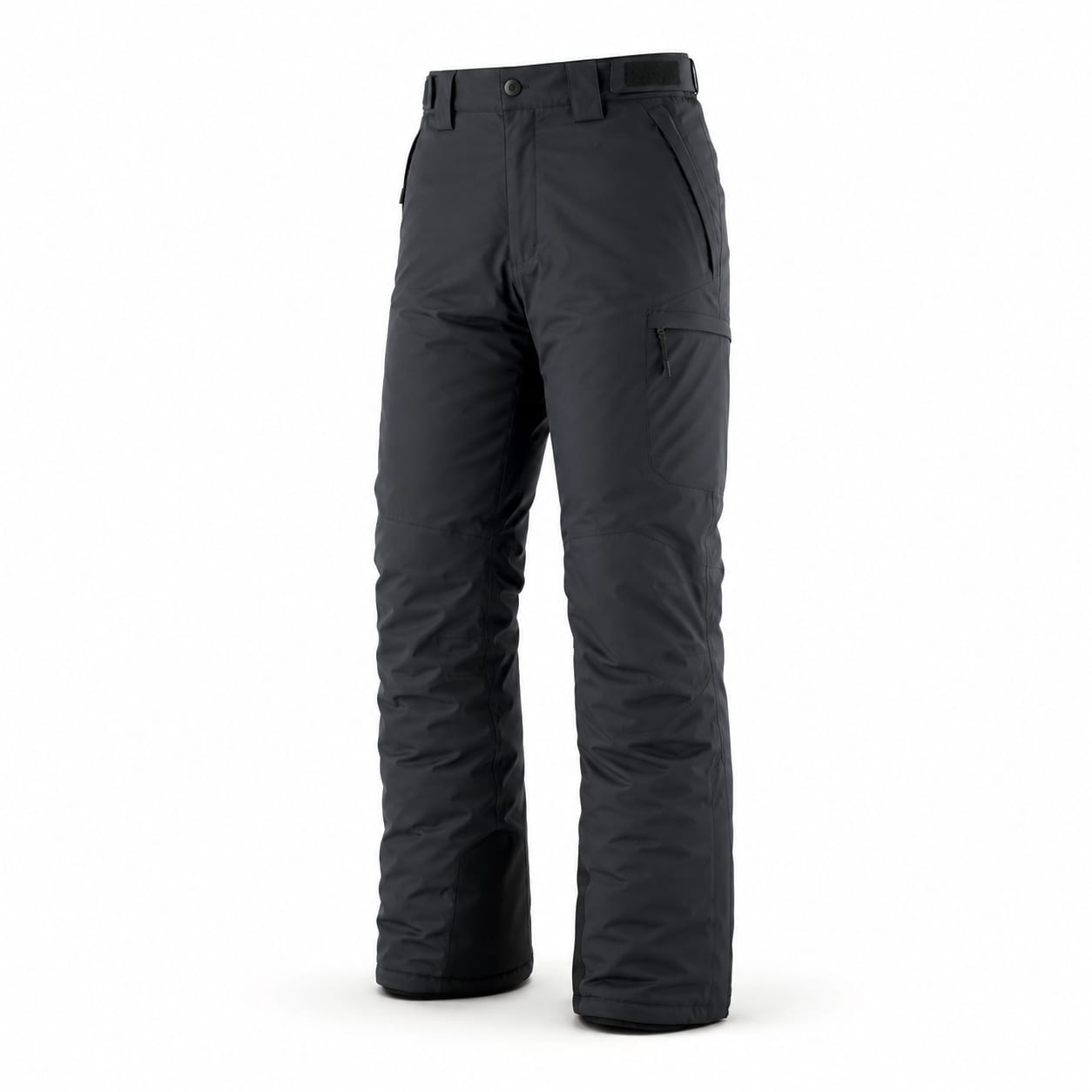
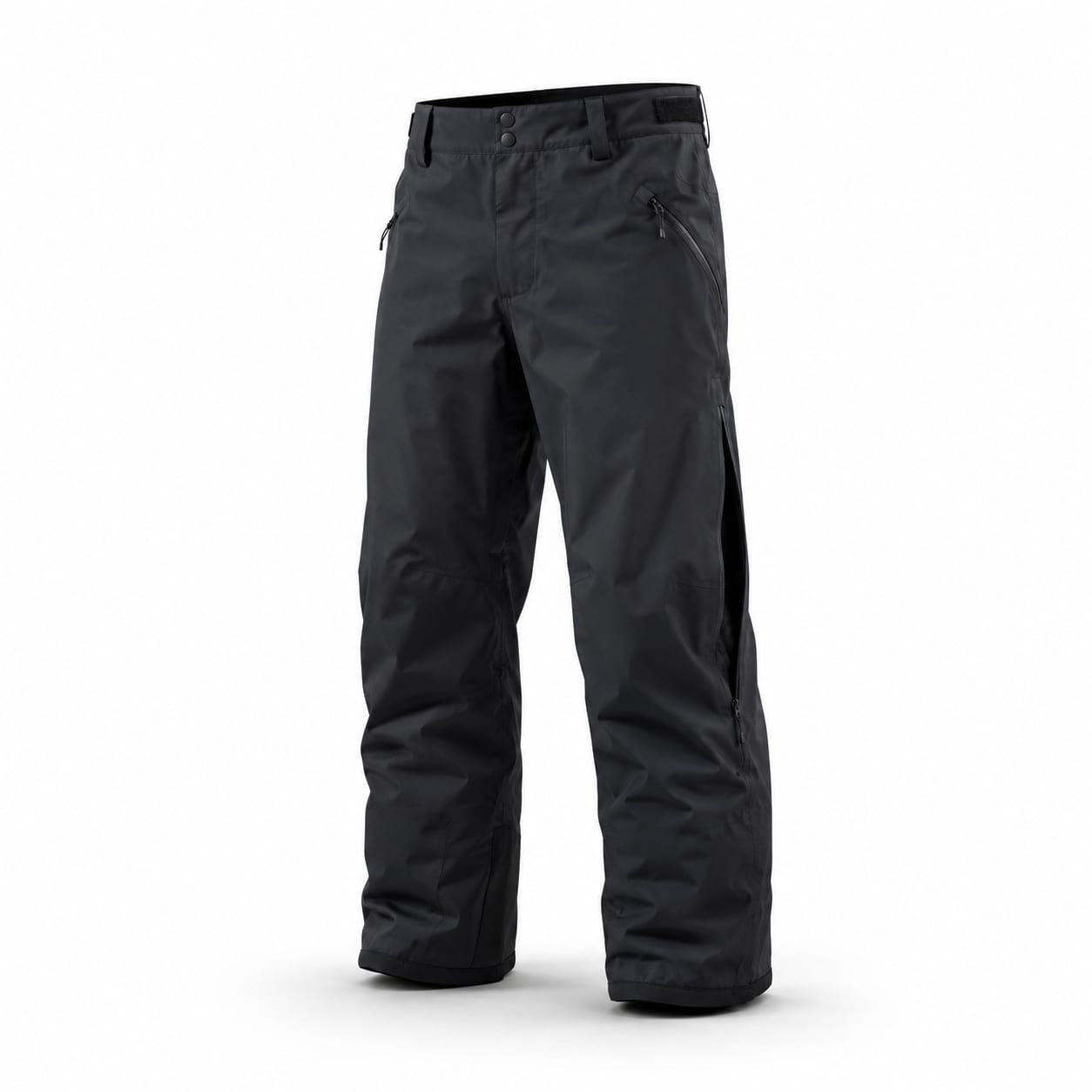
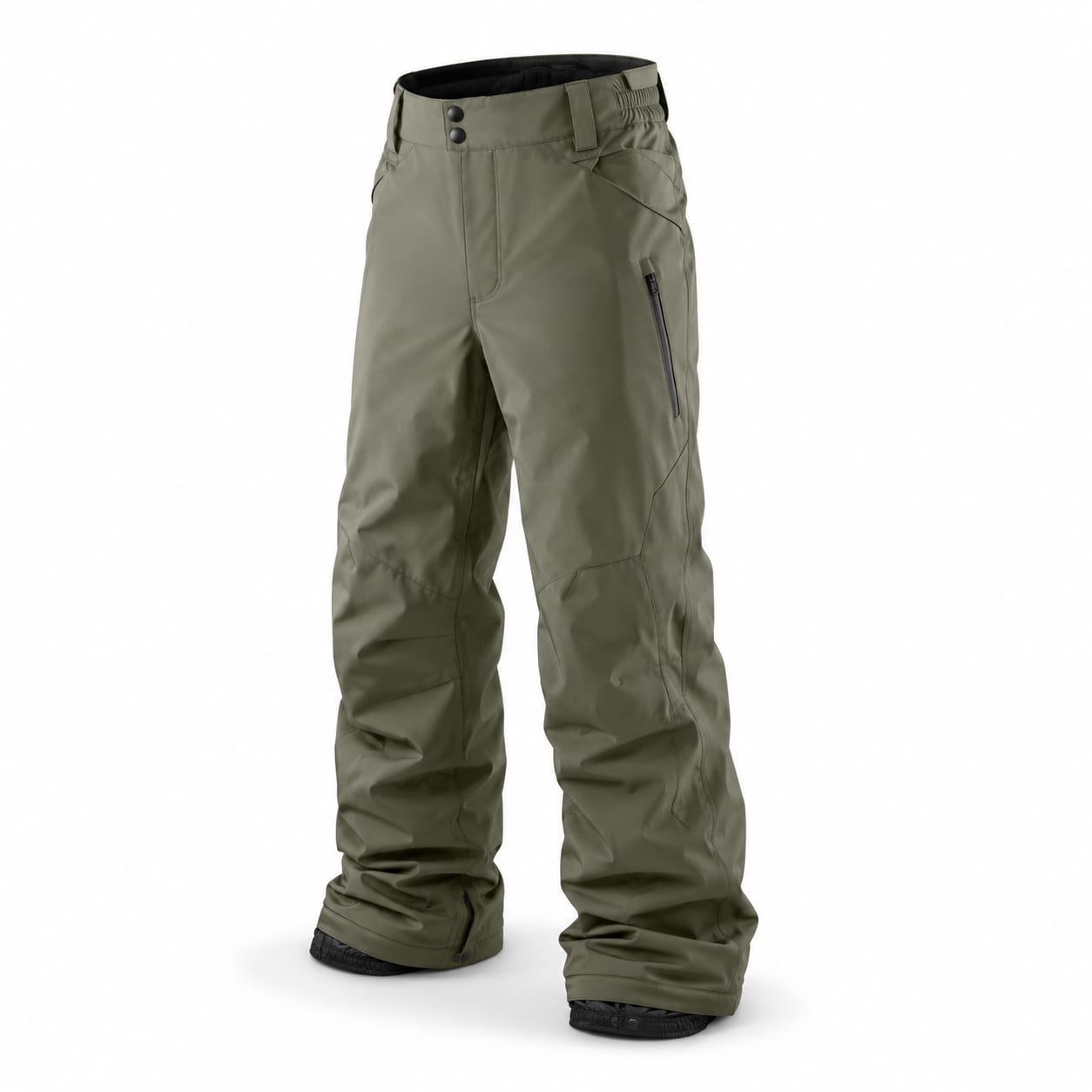
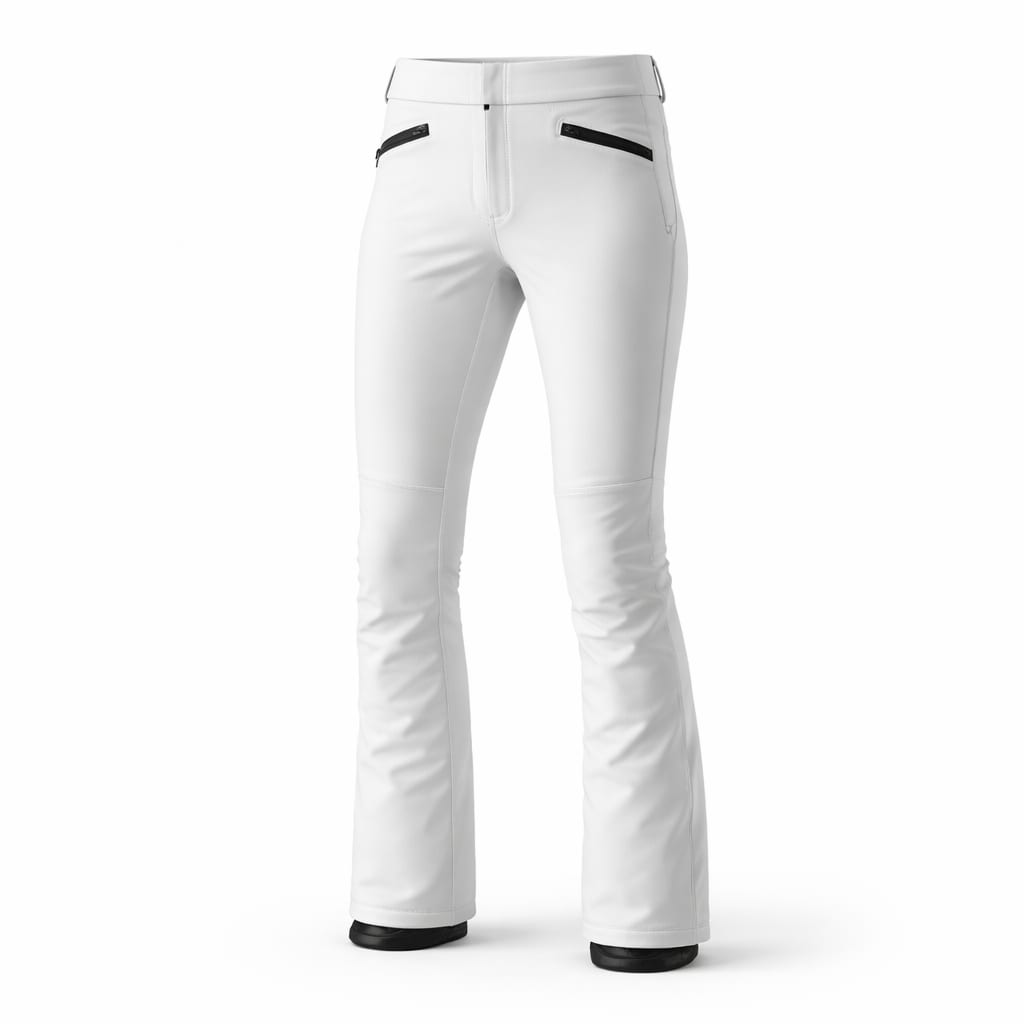
Maximum-mobility snow pants built with stretch fabrics for unrestricted movement during aggressive and active riding.

Stretch/softshell snow pants prioritize freedom of movement above all else, using elastane-blended or mechanically stretchy fabrics that flex with your body. Ideal for freestyle riders hiking features, backcountry tourers skinning uphill, and anyone who finds traditional hardshell pants restrictive. They trade some waterproofing for superior breathability, comfort, and a natural range of motion that makes them feel like athletic wear rather than protective gear.

$100 – $450premium tierintermediateadvancedexpert

Best known for

Unrestricted mobility and natural movementSuperior breathability for high-output activitiesComfortable, quiet fabric with no crinklingFreestyle and backcountry performance
Stretch/Softshell Snow Pants

Guide

Detailed overview

Stretch/softshell snow pants represent the mobility-first approach to mountain outerwear. Unlike traditional hardshell pants that use stiff, waterproof nylon or polyester face fabrics, these pants incorporate elastane (spandex) or mechanically stretchy woven constructions that move with your body through every carve, grab, and skin track switchback. The softshell designation refers to both the fabric hand-feel—supple and quiet rather than crisp and rustling—and the design philosophy that favors breathability and comfort over maximum weather protection. Most stretch snow pants use a DWR-coated softshell fabric with a waterproof membrane or laminate, achieving ratings typically between 5,000 and 15,000mm. This is lower than dedicated hardshells but sufficient for most resort and moderate backcountry conditions. The payoff is breathability that often exceeds 15,000 g/m²/24hr, keeping you drier from the inside during high-output activities. These pants shine for riders who generate significant body heat—freestyle skiers hiking park features, splitboarders on the skin track, and aggressive all-mountain riders who charge hard. The stretch construction also pairs naturally with articulated patterning, creating pants that feel nearly invisible during movement. The trade-off is reduced weather protection in sustained wet or stormy conditions, where hardshell pants remain superior.

Stretch and softshell snow pants have transformed what riders expect from their lower-body kit. The category emerged from the climbing and alpine touring world, where mobility and breathability are non-negotiable, and has been enthusiastically adopted by freestyle skiers, snowboarders, and backcountry enthusiasts who refuse to compromise movement for weather protection. The defining characteristic is the fabric itself: a woven shell material incorporating elastane fibers or a mechanical stretch weave that allows 4-way or 2-way stretch. This creates a garment that flexes with your body rather than resisting it, eliminating the stiff, restrictive feel that characterizes traditional hardshell pants.

The breathability advantage of stretch/softshell pants cannot be overstated for active riders. When you are hiking a rail line, skinning up a ridge, or simply riding aggressively on a warm spring day, traditional waterproof pants can create a greenhouse effect—trapping sweat vapor against your skin until it condenses into clammy moisture. Stretch pants, with their higher MVTR ratings and often more breathable membrane constructions, allow that vapor to escape efficiently. Many riders report that they stay drier in stretch pants during active use, even though the waterproof rating may be lower, simply because they sweat less and what sweat they produce can escape.

The comfort factor extends beyond moisture management. Softshell fabrics are inherently quieter than hardshell alternatives—no crinkling or rustling as you move. They drape more naturally, reducing the parachute effect in windy conditions. The stretch also means that fit can be closer to the body without restricting movement, creating a streamlined silhouette that freestyle riders appreciate both aesthetically and functionally. Many stretch pants feature articulated knees and gusseted crotches that, combined with the stretch fabric, create nearly unlimited range of motion.

The primary limitation is weather protection. While modern stretch membranes have improved dramatically, they still generally top out around 15,000mm waterproofing compared to the 20,000mm+ available in premium hardshells. In sustained rain, wet heavy snow, or deep powder where you are constantly sitting or falling in moisture, stretch pants may eventually wet through faster than a dedicated hardshell. The stretch fibers can also be less abrasion-resistant than pure nylon, though many brands reinforce high-wear areas with tougher panels. For riders who primarily encounter dry cold snow, resort conditions, or who prioritize movement over maximum storm protection, these trade-offs are well worth it.

Choosing stretch/softshell pants comes down to honest assessment of your riding style and typical conditions. If you are an active rider who generates significant heat, values mobility, and rides primarily in dry to moderate snow conditions, these pants will likely become your favorite piece of kit. If you regularly ride in coastal climates with wet snow, prioritize maximum storm protection, or tend to ride at moderate intensity in very cold conditions, a traditional hardshell or insulated option may serve you better. Many experienced riders own both, reaching for stretch pants on high-output days and hardshells when the weather turns serious.

Quick facts

Primary purpose
Provide maximum freedom of movement through stretch fabrics while maintaining adequate weather protection
Popular brands
FlylowStrafeOragePicture OrganicDakineArc'teryx
Typical terrain
all-mountainmogulsterrain parksvariable conditions

What makes it different

Stretch fabric provides noticeably more mobility than traditional snow pants; softer hand feel and less rustle

Recommended ranges

How this type usually specs out

Each spec is explained in plain language, then we show what buyers usually look for on this type.

Insulation Type

Insulation Type

What it means

The type of insulation used in the pants, determining warmth, packability, and moisture management.

Typical for this type

Shell No Insulation Or Fleece Lined

In practice

Stretch/softshell pants are overwhelmingly designed as uninsulated shells, relying on the rider's layering system for warmth. The stretch fabric's primary purpose is mobility, and adding insulation would increase bulk and reduce the freedom of movement that defines the category. A small subset features light fleece linings for mild added warmth without significant bulk.

Compared to other types

Unlike insulated or fleece-lined subcategories that build warmth into the garment, stretch softshells commit fully to the layering approach. This makes them more versatile across temperature ranges but requires thoughtful base layer selection.

Why it matters: Shell construction preserves the stretch fabric's natural drape and mobility. It allows riders to fine-tune warmth through base and mid-layers, which is critical for the high-output activities these pants are designed for. Adding insulation would undermine the breathability advantage.

Waterproof Rating

Waterproof Rating

What it means

The water column rating (mm) indicating how much water pressure the fabric can withstand before leaking. Higher numbers mean better waterproofing.

Typical for this type

5000–15000 mm

Most common pick: 10000 mm

In practice

Stretch/softshell pants typically offer moderate waterproof ratings between 5,000 and 15,000mm. The stretch fibers and softer face fabrics make it more challenging to achieve the highest waterproof ratings without compromising stretch or breathability. Most quality options land around 10,000mm, which handles most resort and moderate backcountry conditions.

Compared to other types

Premium hardshell pants regularly achieve 20,000mm+ ratings that stretch pants rarely match. Insulated pants often have similar or slightly higher ratings due to their stiffer face fabrics. The trade-off is that stretch pants compensate with superior breathability and faster drying times.

Why it matters: This rating range is adequate for dry to moderate snow conditions but may feel insufficient in sustained wet snow, rain, or deep powder with prolonged contact. Riders in coastal climates or those who frequently ride in storms should consider whether 10,000mm meets their needs or if a hardshell supplement is necessary.

Breathability Rating

Breathability Rating

What it means

The moisture vapor transmission rate (g/m²/24hr) measuring how much sweat vapor can escape through the fabric. Higher numbers mean better breathability.

Typical for this type

10000–25000 g/m²/24hr

Most common pick: 15000 g/m²/24hr

In practice

Breathability is where stretch/softshell pants truly excel. The more permeable membrane constructions and softer face fabrics allow moisture vapor to escape efficiently, with typical ratings ranging from 10,000 to 25,000 g/m²/24hr. Premium options with advanced stretch membranes can exceed 20,000 g/m²/24hr.

Compared to other types

Stretch pants consistently outperform insulated and heavy hardshell pants in breathability. A typical insulated pant might offer 8,000–12,000 g/m²/24hr, while stretch alternatives often exceed 15,000. This is the key reason active riders prefer them.

Why it matters: High breathability is the primary performance advantage of stretch pants. Active riders generate significant moisture through sweat, and the ability to evacuate that vapor prevents the clammy, cold feeling that occurs when sweat condenses inside the garment. This keeps you drier from the inside out.

Fit Type

Fit Type

What it means

The overall cut and silhouette of the pants, affecting style, mobility, layering capacity, and snow protection.

Typical for this type

Slim to Relaxed

Most common pick: Regular

In practice

Stretch/softshell pants are available across the fit spectrum but most commonly feature a regular fit that balances mobility with a streamlined silhouette. The stretch fabric allows even slim-fit versions to move more freely than non-stretch alternatives. Relaxed fits are popular among freestyle riders who want maximum freedom combined with stretch.

Compared to other types

Stretch pants in a slim fit often feel as mobile as non-stretch pants in a regular fit. This allows riders to achieve a more tailored look without the mobility penalty. Insulated pants typically require a looser fit to accommodate their internal fill.

Why it matters: The stretch fabric means you can choose a closer fit without sacrificing mobility, reducing fabric that catches wind or snags on features. However, the fit should still accommodate your intended layering system underneath.

Style Type

Style Type

What it means

Whether the pants are standard waist-height or bib-style with shoulder straps and extended coverage.

Typical for this type

Pants Or Bib

In practice

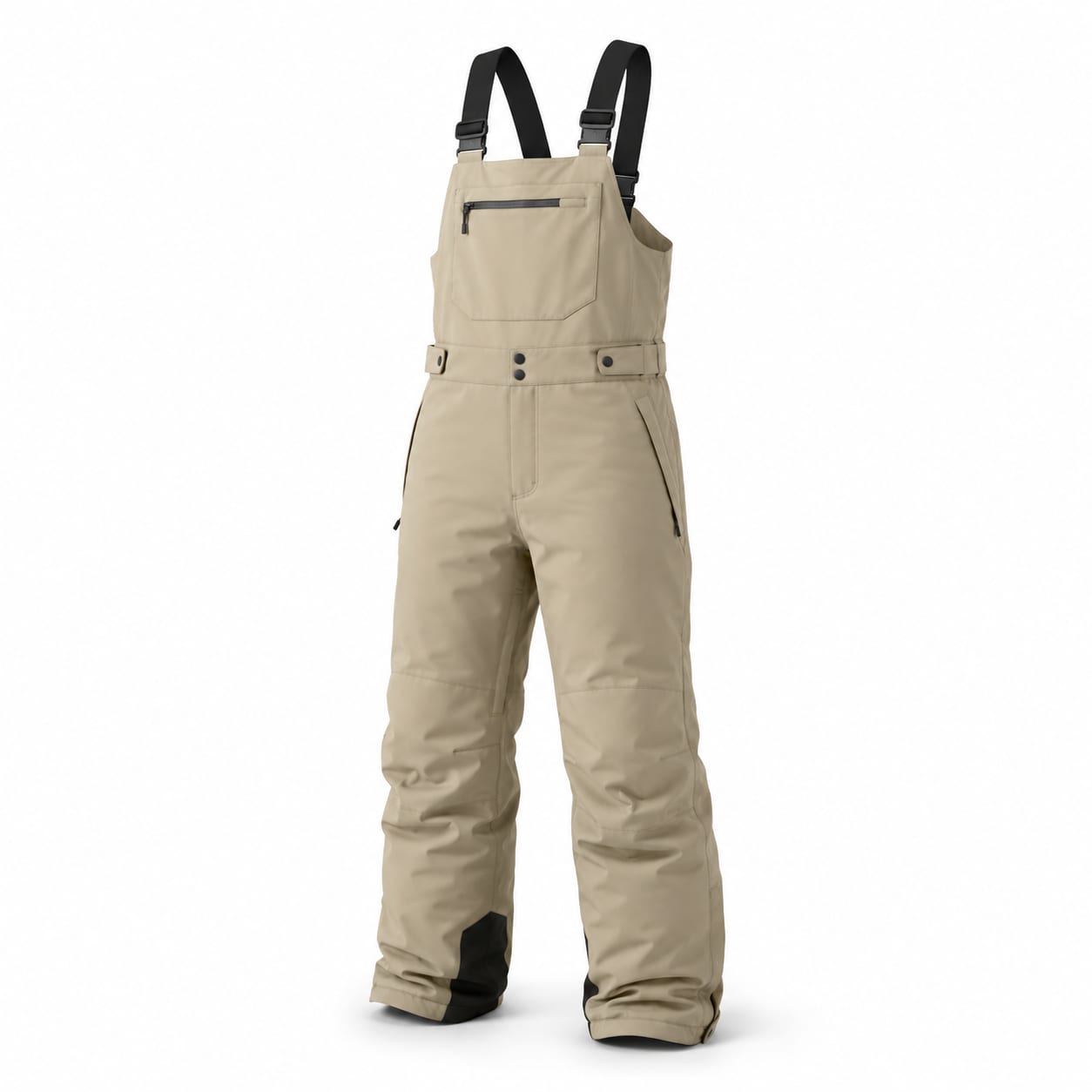
The majority of stretch/softshell pants are standard waist-height designs, which aligns with the category's emphasis on minimal bulk and maximum mobility. However, stretch bib pants are growing in popularity, combining the mobility of stretch fabric with the superior snow protection of a bib design—particularly appealing for backcountry use.

Compared to other types

Stretch bibs are a newer sub-niche that addresses the traditional weakness of bibs (restricted movement) with stretch fabric. Standard stretch pants remain the most common and affordable option in this category.

Why it matters: Standard pants offer the simplest, lightest option with easy on/off. Stretch bibs provide the best of both worlds for riders who want mobility and snow protection, though they come at a higher price point and with the bathroom inconvenience inherent to bibs.

Insulation Weight

Insulation Weight

What it means

The amount of insulation in grams, directly correlating to warmth level. Higher grams mean more warmth but more bulk.

Typical for this type

0–20 g

In practice

The vast majority of stretch/softshell pants are uninsulated shells (0g), which preserves the fabric's stretch characteristics and maximizes breathability. A small number of options feature very light insulation (10–20g) for riders who want a touch of warmth without significant bulk, but this is uncommon in the category.

Compared to other types

Insulated pants typically carry 40–80g of insulation, making them significantly warmer but less breathable and more restrictive. Stretch pants at 0g are the opposite end of the spectrum—maximum versatility and mobility with the responsibility of managing warmth through layers.

Why it matters: Zero insulation maintains the stretch fabric's full range of motion and breathability. Even small amounts of insulation add bulk that can slightly restrict the fabric's stretch and reduce the breathability advantage. The shell approach requires proper base layering for warmth.

Ventilation System

Ventilation System

What it means

The type and placement of zippered vents that allow rapid temperature regulation during high-output activities.

Typical for this type

Inner Thigh Or Mesh Lined Vents

In practice

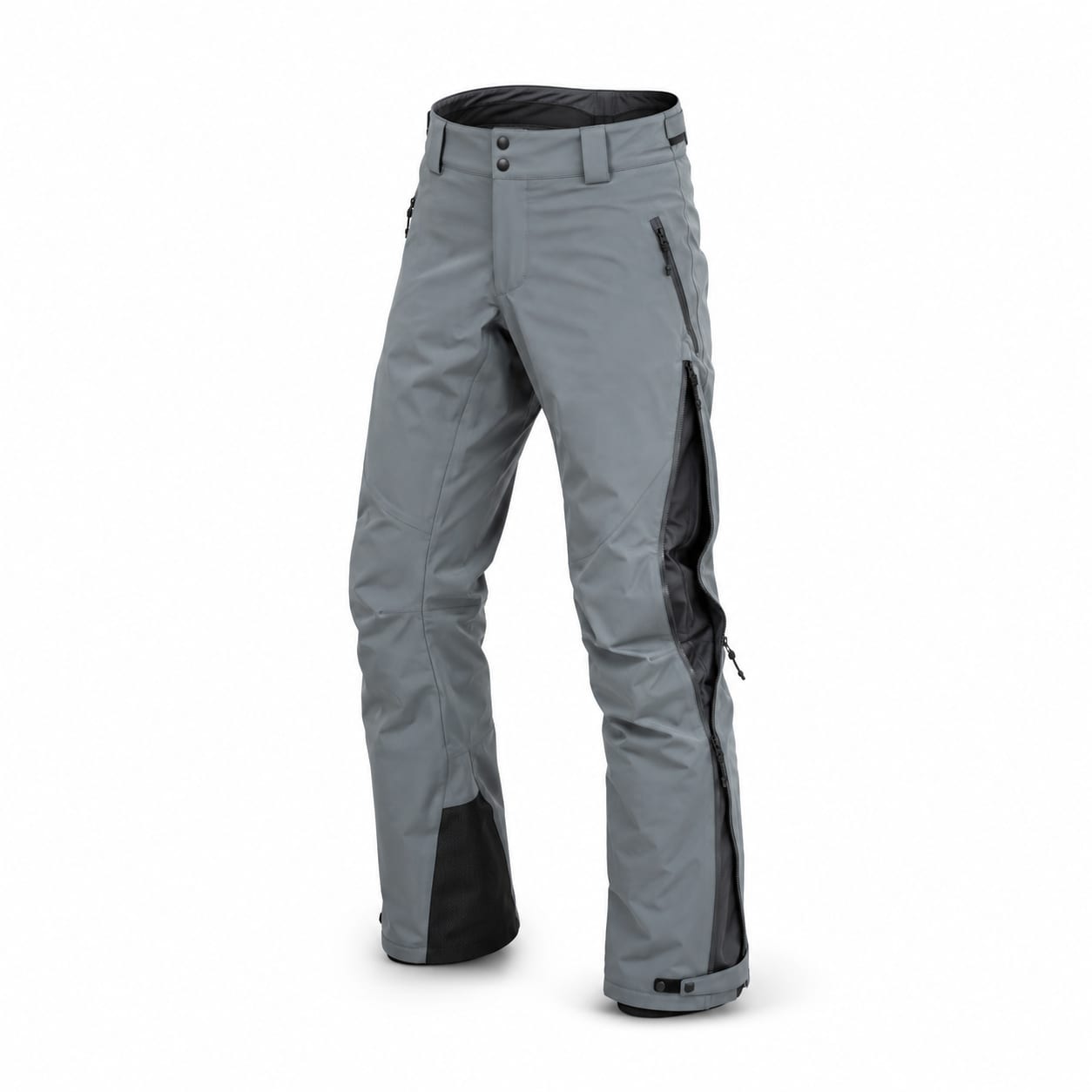
Inner thigh vents are the most common ventilation system on stretch/softshell pants, providing effective heat dumping in the high-heat thigh region. Mesh-lined variants are popular for riders who vent while moving through powder. The high inherent breathability of stretch fabrics means vents are supplementary rather than essential, but they remain valuable for rapid temperature regulation.

Compared to other types

Stretch pants need vents less urgently than insulated or low-breathability alternatives because the fabric itself breathes so well. However, the same active riding that demands stretch pants also generates significant heat, making vents a valuable complement rather than a redundant feature.

Why it matters: Even with high breathability ratings, active riders benefit from the rapid heat dumping that vents provide during transitions—stopping after a steep skin track, finishing a hike to a feature, or warming up on a cold lift ride. Vents give you manual control over microclimate management.

Seam Sealing

Seam Sealing

What it means

The method and extent of seam sealing, which is critical for preventing water entry at stitched seams.

Typical for this type

Critically Taped Or Fully Taped

In practice

Critically taped seams are common on mid-range stretch/softshell pants, sealing only the highest-exposure seams to save weight and maintain fabric flexibility. Premium stretch pants increasingly feature fully taped seams for complete waterproofing, though the taping can slightly stiffen the fabric at seam locations. Welded seams are rare but emerging in top-tier stretch options.

Compared to other types

Stretch pants are more likely to use critically taped seams than premium hardshells, which almost universally feature fully taped or welded seams. This is partly a cost consideration and partly because taping can slightly restrict the stretch at seam locations.

Why it matters: Seam sealing is the weak point of any waterproof garment. With stretch pants' moderate waterproof ratings, fully taped seams provide important additional protection against water ingress. Critically taped is acceptable for dry climates but may leak in sustained wet conditions.

Snow Gaiters

Snow Gaiters

What it means

Built-in elastic or adjustable cuffs at the pant leg bottom that seal around boots to prevent snow entry.

Typical for this type

Adjustable Gaiter Or Elastic Gaiter

In practice

Adjustable gaiters with snap or hook closures are common on stretch/softshell pants, providing a secure and customizable seal around boots. The adjustable design accommodates various boot sizes and maintains its effectiveness over time better than simple elastic. Elastic gaiters appear on more budget-oriented stretch options.

Compared to other types

Stretch pants use similar gaiter designs to other subcategories. The adjustable option is particularly well-suited because it allows a precise seal without the bulk that might interfere with the streamlined feel stretch pants provide.

Why it matters: Gaiters prevent snow from entering boots during falls or deep powder riding. Given that stretch pants are popular for freestyle and backcountry use—both scenarios with high likelihood of snow contact—functional gaiters are important even if the pants prioritize mobility over maximum weather protection.

Reinforcement Panels

Reinforcement Panels

What it means

Extra-durable fabric panels at high-wear areas like cuffs, hems, and inner legs to prevent damage from edges, boots, and abrasion.

Typical for this type

Cuff Reinforcement

In practice

Cuff reinforcement is the standard for stretch/softshell pants, adding durable fabric at the hem where ski or board edges cause the most abrasion. Full scuff guards are less common because the additional reinforcement panels can create stiffness that contradicts the stretch design philosophy. Some brands use reinforced stretch panels as a compromise.

Compared to other types

Stretch pants are more vulnerable to edge damage than heavy nylon hardshells, making reinforcement arguably more important. However, full scuff guards are less common because they add stiffness. The cuff reinforcement strikes the necessary balance between durability and flexibility.

Why it matters: The softer face fabrics used in stretch pants are generally less abrasion-resistant than hardshell alternatives, making cuff reinforcement particularly important. Without it, sharp edges can quickly damage the lighter stretch fabric at the cuffs.

Waist Adjustment

Waist Adjustment

What it means

The mechanism for adjusting waist fit without a belt, ensuring secure fit and snow seal at the waist.

Typical for this type

Velcro Side Tabs Or Buckle Side Tabs

In practice

Velcro side tabs are the most common waist adjustment on stretch/softshell pants, offering quick and easy on-the-fly adjustment over varying layer thicknesses. Buckle side tabs appear on premium options for greater durability and more precise adjustment. The stretch fabric itself provides some inherent give at the waist.

Compared to other types

The stretch fabric's natural give means waist adjustment is slightly less critical than on non-stretch pants, as the fabric itself accommodates some variation. However, proper adjustment remains important for snow seal and security.

Why it matters: Because stretch pants are typically shell designs worn with varying layers, waist adjustability is important for maintaining a secure fit and snow seal across different conditions. The stretch fabric provides some accommodation, but dedicated adjustment ensures a precise fit.

Pocket Configuration

Pocket Configuration

What it means

The number, type, and placement of pockets for storing essentials like pass, phone, snacks, and tools.

Typical for this type

Hand Warmer + Pass Pocket; Optionally Cargo Pockets

Most common pick: Hand Warmer, Pass Pocket

In practice

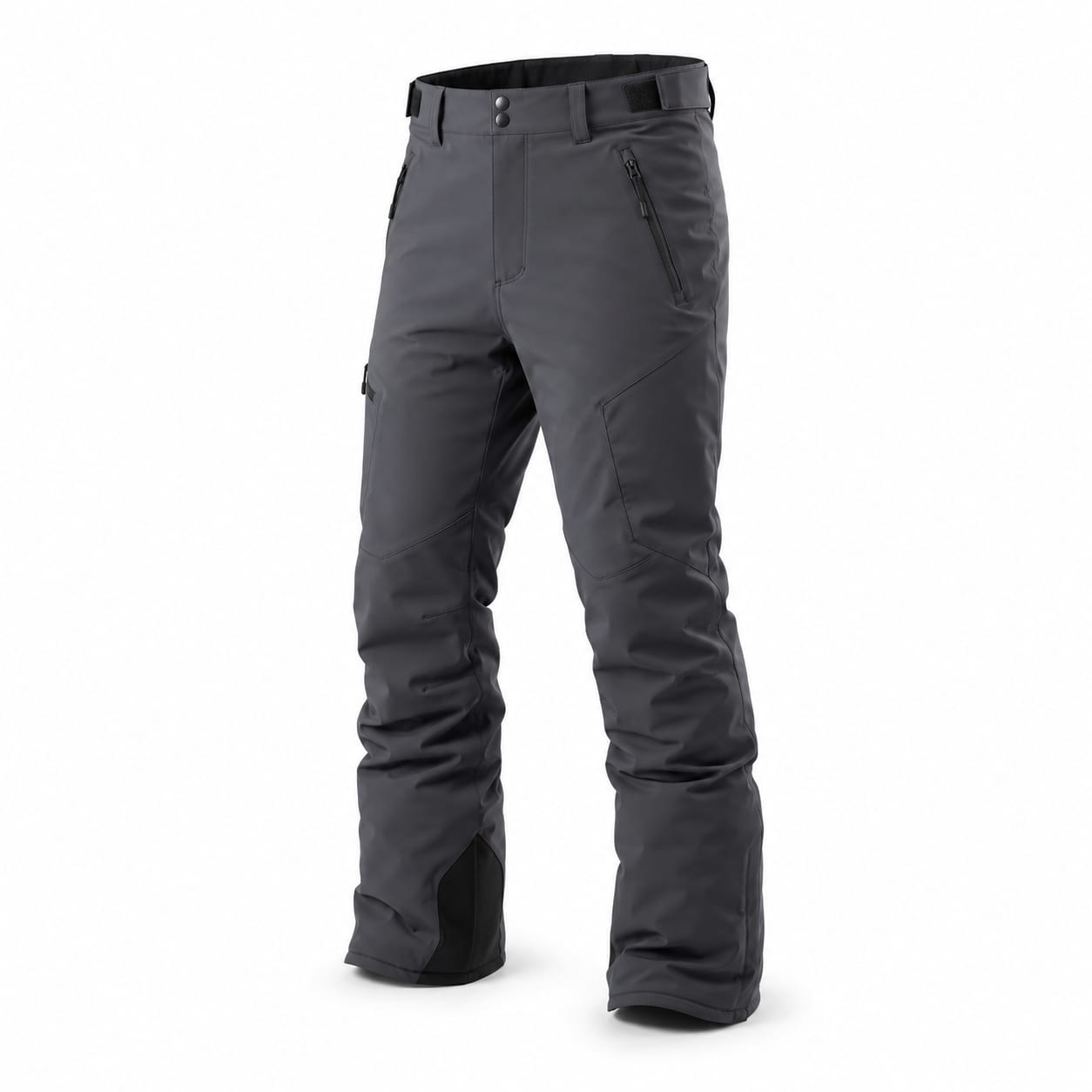
Stretch/softshell pants typically feature hand warmer pockets and an RFID pass pocket as standard. Cargo pockets are available on some freestyle-oriented models but add bulk that can interfere with the streamlined feel. The pocket designs often use stretch-compatible zippers that flex with the fabric.

Compared to other types

Stretch pants tend toward minimal pocket configurations to maintain fabric flexibility. Cargo-heavy designs are less common than in traditional freestyle pants. Pass pockets remain essential for resort riders.

Why it matters: Pocket placement and design must work with the stretch fabric—stiff pocket bags or heavy zippers can create localized stiffness that undermines the stretch advantage. Fleece-lined hand warmer pockets are particularly valued for cold lift rides.

Shell Material

Shell Material

What it means

The primary outer fabric type, affecting durability, weight, stretch, noise, and overall feel.

Typical for this type

Stretch Fabric (Softshell)

In practice

Stretch fabric (softshell) is the defining material of this subcategory. These fabrics incorporate elastane fibers (typically 2–8%) or use mechanically stretchy woven constructions that allow 2-way or 4-way stretch. The face fabric is softer and quieter than hardshell alternatives, with a DWR coating for water repellency. Many use a stretch waterproof membrane laminated to the interior.

Compared to other types

This is the fundamental differentiator. While other subcategories use nylon, polyester, or Gore-Tex laminates that prioritize weather protection, stretch fabrics prioritize mobility and breathability. Some premium stretch pants use Gore-Tex with stretch technology, combining the gold-standard membrane with stretch face fabrics.

Why it matters: The stretch fabric is what makes these pants unique. It provides the freedom of movement that defines the category, the superior breathability that active riders need, and the comfortable feel that makes them pleasant to wear all day. The trade-off is slightly lower waterproof ratings and less abrasion resistance than pure nylon hardshells.

Articulation

Articulation

What it means

Pre-shaped or articulated knees and hips designed to match the natural riding position, reducing fabric bunching and improving mobility.

Typical for this type

Articulated Knees Or Fully Articulated

In practice

Articulated knees are standard on stretch/softshell pants, and fully articulated construction (including shaped hips and gusseted crotch) is common on premium models. The combination of stretch fabric and articulation creates exceptional mobility—articulation pre-shapes the garment for the riding position while stretch allows it to move beyond the pre-shaped range.

Compared to other types

Stretch pants almost universally feature at least articulated knees, whereas non-stretch pants at similar price points may not. The category's mobility focus means articulation is considered essential rather than a premium upgrade.

Why it matters: The synergy between stretch fabric and articulation is greater than the sum of its parts. Articulation alone reduces bunching; stretch alone allows the fabric to flex. Together, they create pants that feel nearly invisible during movement, with no restriction through the full range of riding motion.

DWR Coating

DWR Coating

What it means

Durable Water Repellent treatment on the outer fabric that causes water to bead up and roll off rather than soaking into the face fabric.

Typical for this type

True (Essential)

In practice

DWR coating is standard and essential on stretch/softshell pants. Because the face fabrics are softer and more absorbent than hardshell alternatives, DWR treatment is critical for causing water to bead and roll off rather than soaking into the fabric. DWR wears off over time and must be reapplied regularly—arguably more often than on hardshells due to the softer face fabric.

Compared to other types

DWR maintenance is more critical for stretch pants than for high-rated hardshells. A hardshell with 20,000mm waterproofing has more reserve capacity if the face fabric wets out slightly. A stretch pant at 10,000mm relies more heavily on the DWR keeping the face fabric from absorbing moisture.

Why it matters: Without effective DWR, the soft face fabric of stretch pants can wet out—absorbing water that compromises breathability and adds weight. Maintaining DWR is especially important for stretch pants because their lower waterproof ratings mean they have less margin before moisture penetration becomes problematic.

Inseam Length

Inseam Length

What it means

The measurement from the crotch seam to the bottom of the pant leg, determining proper length and coverage.

Typical for this type

30–34 inches

Most common pick: 32 inches

In practice

Stretch/softshell pants follow standard inseam conventions, with 32 inches being the most common regular length. The stretch fabric provides some additional accommodation for length variations because the fabric gives rather than pulling. Many brands offer short (30"), regular (32"), and long (34") options.

Compared to other types

Inseam considerations are similar across subcategories. The stretch fabric provides a small advantage in accommodating length discrepancies because the fabric gives rather than creating tension, but this should not be relied upon as a substitute for proper sizing.

Why it matters: Proper inseam length ensures coverage while seated on lifts and during bent-knee riding positions. The stretch fabric means slightly short pants are less likely to pull and expose skin than non-stretch alternatives, but proper length remains important for gaiter function and overall coverage.

Evaluation

Strengths and trade-offs

Pros

What this type does best

Unrestricted Freedom of Movement

Critical

The stretch fabric flexes with your body through every movement, eliminating the restrictive feel of traditional hardshell pants. This is immediately noticeable during deep carves, grabs, hiking, and any dynamic riding situation.

Superior Breathability for Active Riding

Critical

Stretch/softshell pants consistently offer higher breathability ratings than comparable hardshell or insulated options, keeping you drier from the inside during high-output activities like touring, hiking features, or aggressive riding.

Comfortable, Quiet Fabric

High

The softshell fabric is supple, quiet, and comfortable against the skin or base layers—no crinkling, rustling, or stiff feeling. This makes a significant difference in all-day comfort during long resort days or multi-pitch backcountry tours.

Streamlined Fit Without Mobility Penalty

High

Stretch allows a closer, more tailored fit without restricting movement, reducing wind-catching excess fabric and creating a cleaner silhouette. You get the mobility of a baggy fit in a streamlined package.

Versatile Layering System

High

As uninsulated shells, stretch pants work with your choice of base and mid-layers to handle a wide temperature range. From thin merino on warm spring days to thick fleece on cold mornings, the same pants adapt to conditions.

Excellent for High-Output Activities

High

The combination of stretch mobility, high breathability, and shell construction makes these pants ideal for backcountry touring, splitboarding, hike-to terrain, and any activity where you generate significant body heat.

Natural Synergy with Articulation

Medium

Stretch fabric paired with articulated patterning creates compound mobility benefits—articulation handles the common riding positions while stretch covers everything in between. The result is pants that never feel restrictive.

Cons

Trade-offs to be aware of

Lower Waterproof Ratings Than Hardshells

Significant

Stretch fabrics typically max out around 15,000mm waterproofing, with many options at 10,000mm or below. In sustained wet snow, rain, or deep powder with prolonged contact, they may wet through faster than premium hardshell alternatives.

Less Abrasion Resistance

Moderate

The softer stretch face fabrics are generally less durable than high-denier nylon hardshells. They are more susceptible to edge cuts, abrasion from rocks, and general wear, particularly at cuffs and high-contact areas without reinforcement.

Requires Layering Knowledge

Moderate

As uninsulated shells, stretch pants demand proper base and mid-layer selection to provide warmth. Riders unfamiliar with layering systems may find themselves cold or overheating without the built-in temperature regulation that insulated pants provide.

Higher Price for Premium Options

Moderate

Quality stretch membranes and articulated construction command premium prices. The best stretch/softshell pants often cost as much or more than comparable hardshells, and the stretch-specific technology can push prices even higher.

DWR Maintenance More Critical

Minor

The softer face fabrics of stretch pants wet out faster than hardshell alternatives when DWR wears off, making regular DWR reapplication more important. Neglecting DWR maintenance can significantly compromise performance.

Not Ideal for Extreme Storm Conditions

Moderate

When the weather turns truly nasty—sustained rain, wet heavy snow, high winds—stretch pants are not the best tool for the job. Their design philosophy prioritizes mobility and breathability over maximum weather protection.

Best for

Terrain

Park and pipeBackcountry and sidecountryGroomed runs with hike-to terrainAll-mountain with varied terrainSpring corn and warm conditions

Snow conditions

Dry cold snowModerate snowfallSpring conditionsHigh-output activities in cold weatherBluebird days with variable temperatures

Skill level

IntermediateAdvancedExpert

Riding style

FreestyleBackcountry touringAggressive all-mountainPark and pipeSplitboarding

Rider profile

Park riders who hike features repeatedlyBackcountry tourers and splitboardersAggressive riders who generate significant body heatRiders who find traditional pants restrictiveThose who prioritize comfort and mobility over maximum storm protectionRiders who layer strategically for temperature management

Not ideal for

Reasons

Lower waterproof ratings may not handle sustained wet conditions or deep powder contactShell construction requires layering knowledge that beginners may lackLess abrasion resistance means more vulnerability to damage during frequent fallsThe breathability advantage is wasted on low-intensity riding in extreme cold where insulation would be more appropriatePremium pricing may not be justified for occasional riders who do not benefit from the mobility advantage

Terrain

Deep powder with frequent sitting or fallingExtreme backcountry in storm conditions

Skill level

Beginners who fall frequently and need maximum weather protectionRiders unfamiliar with layering systems

Riding style

Casual cruising in very cold conditionsStatic activities like sitting on slow lifts in extreme cold

Compare

How it stacks up

This page

Stretch/Softshell Snow Pants

Dramatically better breathability and mobility. Stretch pants keep active riders drier from sweat and never restrict movement. They are also more versatile across temperature ranges when paired with proper layers.

Alternative

Insulated Snow Pants

Built-in warmth without the need for separate mid-layers. Simpler for riders who want one garment for cold conditions. Often more affordable at entry-level price points.

Bottom line

Choose stretch/softshell if you ride actively, generate significant body heat, or value mobility. Choose insulated if you ride primarily in cold conditions at moderate intensity, prefer simplicity, or are budget-constrained.

This page

Stretch/Softshell Snow Pants

Superior comfort, mobility, and breathability. The stretch fabric moves with you, breathes better, and feels quieter and more comfortable against the skin. Better for high-output activities and freestyle riding.

Alternative

Shell Snow Pants

Higher waterproof ratings (often 20,000mm+), better abrasion resistance, and superior performance in sustained wet or stormy conditions. Hardshells are the right choice when weather protection is the top priority.

Bottom line

Choose stretch/softshell for active riding in dry to moderate conditions where mobility and breathability matter most. Choose hardshell for wet climates, storm days, and conditions where maximum weather protection is essential.

This page

Stretch/Softshell Snow Pants

Far better breathability and mobility. Stretch pants avoid the sweaty, overheated feeling that fleece-lined pants can create during active riding. They are also more versatile across temperature ranges.

Alternative

Fleece-Lined Snow Pants

Fleece-lined pants provide immediate comfort and mild warmth without layering. They are simpler, often more affordable, and feel cozy against the skin in moderate cold.

Bottom line

Choose stretch/softshell for active riding, touring, or any high-output activity. Choose fleece-lined for casual resort days in moderate cold where comfort and simplicity matter more than performance.

This page

Stretch/Softshell Snow Pants

Lighter, more breathable, and more comfortable during active use. Stretch pants avoid the bulk and restricted movement that can come with zip-in layering systems. The stretch fabric provides mobility that layered systems cannot match.

Alternative

3-in-1 Layered Snow Pants

3-in-1 systems offer the ultimate in versatility with integrated insulation that can be removed. They handle the widest range of conditions in a single purchase and are often good value.

Bottom line

Choose stretch/softshell if mobility and breathability are priorities and you are comfortable managing your own layering system. Choose 3-in-1 if you want maximum versatility from a single purchase and do not mind the bulk and complexity of a zip-in system.

Shopping

Buying tips

  • 1

    Prioritize 4-way stretch over 2-way stretch for maximum mobility—4-way stretches both horizontally and vertically, while 2-way only stretches in one direction. The difference is noticeable during dynamic movements.

  • 2

    Check the waterproof rating carefully and match it to your typical conditions. If you regularly ride in wet coastal snow, look for stretch pants with at least 10,000mm and fully taped seams. For dry interior climates, 5,000–10,000mm may suffice.

  • 3

    Try pants on in a riding stance—bend your knees, flex forward, and mimic riding movements. The stretch should feel natural and unrestricted. If you feel any pulling or resistance, the fit or stretch direction may be wrong for your body.

  • 4

    Look for articulated knees at minimum, and fully articulated construction if available. The combination of stretch and articulation provides compound mobility benefits that either feature alone cannot match.

  • 5

    Consider stretch bibs if you ride backcountry or deep powder. They combine the mobility advantages of stretch fabric with the superior snow protection of a bib design, addressing the main weakness of stretch pants in deep snow.

  • 6

    Invest in quality base layers to pair with your stretch shells. A merino wool or synthetic base layer system is essential for getting the most out of uninsulated stretch pants across varying conditions.

  • 7

    Pay attention to the stretch fabric's denier and weave tightness. Lower denier stretch fabrics are lighter and more breathable but less durable. If you ride aggressively or encounter rocks and branches, look for reinforced panels at high-wear areas.

  • 8

    Do not assume stretch eliminates the need for vents. Even with high breathability ratings, inner thigh vents provide rapid temperature regulation during transitions that fabric breathability alone cannot match.

Care

Maintenance notes

  • Wash stretch/softshell pants with technical fabric wash (not regular detergent) to preserve DWR coating and membrane performance. Regular detergents leave residues that clog pores and strip water-repellent treatments.
  • Reapply DWR treatment more frequently than you would on hardshell pants—the softer face fabric of stretch pants loses DWR effectiveness faster. If water stops beading on the surface, it is time to reapply using a spray-on or wash-in treatment.
  • Avoid storing stretch pants compressed or crammed into a bag for extended periods. The stretch fibers can take a set if compressed too long, reducing elasticity over time. Hang or loosely fold for storage.
  • Inspect cuff reinforcement regularly for damage from ski or board edges. The softer stretch fabric is more vulnerable to edge cuts than hardshell alternatives, and damage at the cuff can spread quickly if not addressed.
  • Close all zippers and velcro before washing to prevent snagging the stretch fabric. The softer face material is more susceptible to damage from abrasion during the wash cycle than stiffer hardshell fabrics.
  • Tumble dry on low heat if the care label allows—gentle heat can help reactivate DWR treatments. Avoid high heat, which can damage stretch fibers and waterproof membranes.
  • Patch small cuts and abrasions promptly with adhesive repair tape designed for technical fabrics. The stretch fabric's softer construction means small damages can expand more quickly than on hardshell alternatives.

Progression

Skill development path

Stretch/softshell pants are best suited for intermediate to advanced riders who have developed enough skill to benefit from the mobility advantage and understand layering systems well enough to manage warmth without built-in insulation. Beginners may find the shell-only construction requires more thought about what to wear underneath, and the frequent falls common to learning can challenge the lower waterproof ratings and less abrasion-resistant fabrics. As riders progress and begin riding more aggressively—hiking to terrain, exploring the backcountry, or pushing their freestyle skills—the mobility and breathability advantages of stretch pants become increasingly valuable. Expert riders who generate significant heat and demand maximum performance from their gear often consider stretch/softshell pants their go-to choice for all but the stormiest days.

FAQ

Common questions

Each question has a dedicated page with a full answer and links to the buying guide.

Are stretch snow pants waterproof enough for regular resort riding?

Yes, for most resort conditions. Quality stretch pants with 10,000mm waterproofing and fully taped seams handle typical resort snow without issue. They may feel less confident in sustained wet snow or heavy rain, but for dry to moderate snow conditions—which describes most resort days—they perform well. If you ride primarily in wet coastal climates, consider stretch pants with higher waterproof ratings or keep a hardshell option for storm days.

Can I wear stretch snow pants for backcountry touring?

Absolutely—backcountry touring is one of the best use cases for stretch/softshell pants. The high breathability prevents the clammy overheating that hardshells cause during the ascent, and the stretch mobility is ideal for the dynamic movement of skinning and kick-turning. Look for models with inner thigh or full side-zip vents for additional temperature regulation during transitions. Many backcountry-specific stretch pants include features like integrated RECCO reflectors and beacon pockets.

How do I layer properly with uninsulated stretch snow pants?

Start with a moisture-wicking base layer—merino wool or synthetic—fitted against your skin. For moderate cold, this may be sufficient under the shell. Add a lightweight mid-layer (fleece pants or insulated bottom) for colder conditions. The key is avoiding cotton, which traps moisture. Your layers should be trim enough to avoid bunching inside the stretch pants but not so tight that they restrict the stretch fabric's range. Adjust layers based on activity level—you will need less insulation for high-output touring than for sitting on cold lifts.

Will stretch snow pants hold up to regular abuse from ski edges and falls?

With caveats. The stretch face fabric is generally less abrasion-resistant than high-denier nylon hardshells, making it more vulnerable to edge cuts and abrasion. However, most quality stretch pants include cuff reinforcement at the hem where edge contact is most common. For riders who fall frequently or ride aggressively near rocks and branches, look for models with extended scuff guards or reinforced panels at high-wear areas. Inspect and repair any cuts promptly to prevent them from spreading.