
Snowboard Bindings · FAQ
Questions about Alpine Ski Bindings
Straight answers on fit, specs, and when this type makes sense — each topic has its own page with links back to the buying guide.
Open Alpine Ski Bindings guide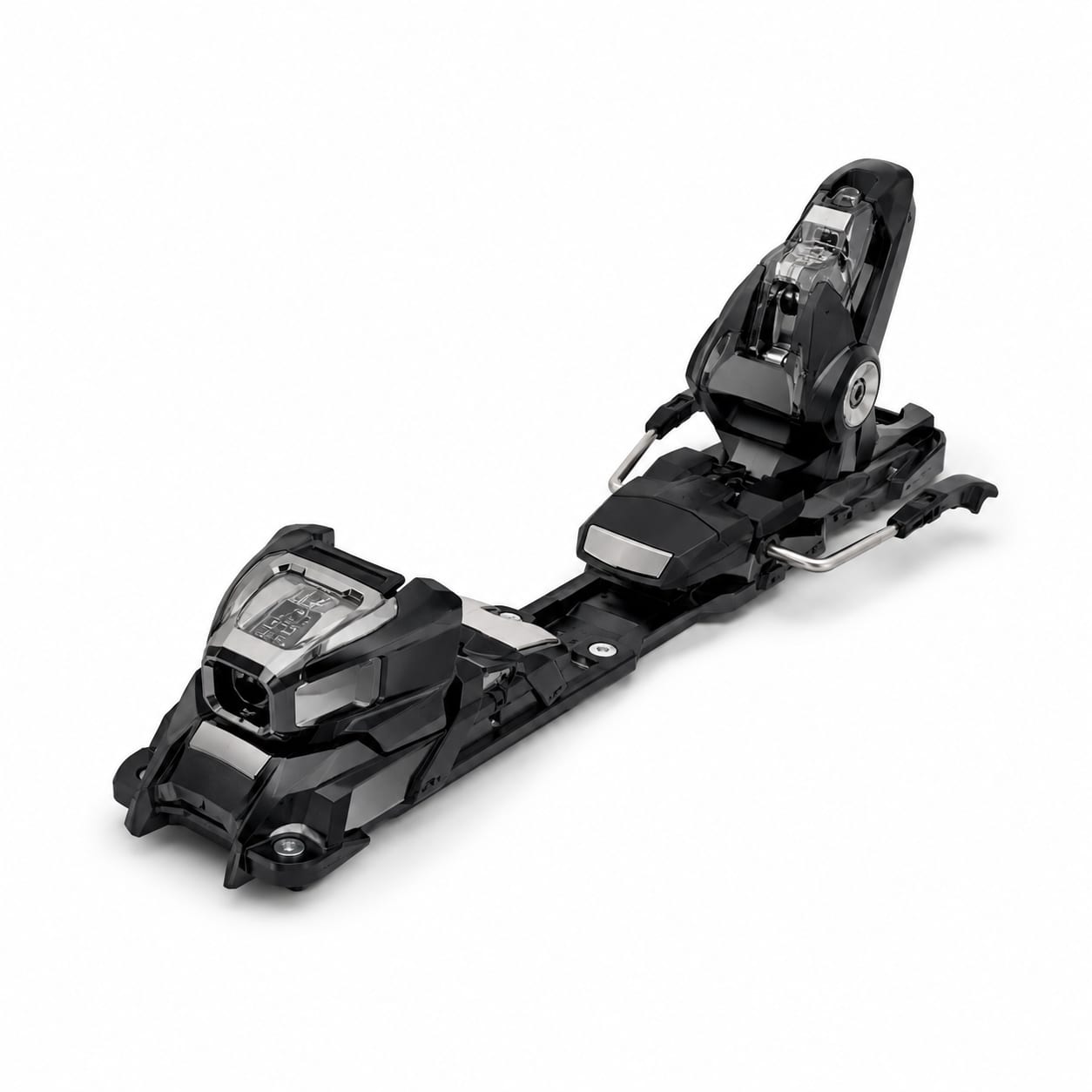
6 topics
Pick a question
Every answer links to the full subcategory guide and related gear types when it helps you decide.
Can I use alpine bindings with any soft boots?
Technically yes, but you shouldn't. Alpine bindings are designed to work with stiff boots (flex 8+). Pairing them with soft or medium-flex boots creates a mismatch—the boot becomes the weak link, flexing and absorbing input before it reaches the binding. You'll get a disconnected, sloppy feel that wastes the binding's precision. Always match binding stiffness to boot stiffness for a cohesive, balanced setup.
Read answer →02Are alpine bindings only for racing?
No. While alpine bindings share DNA with race equipment, modern alpine bindings are designed for any rider who prioritizes responsiveness and precision—not just racers. Freeriders charging steep lines, carving enthusiasts laying out deep turns, and aggressive all-mountain riders all benefit from alpine binding performance. The category has broadened well beyond racing to serve anyone who rides fast and demands maximum control.
Read answer →03How much forward lean should I use on alpine bindings?
Most alpine riders use 12-18° of forward lean, with 15° being a common starting point. More lean (15-20°) creates a more aggressive, bent-knee stance with faster heelside response—ideal for steep terrain and deep carving. Less lean (12-14°) is slightly more comfortable and sustainable for longer days. Start at 15° and adjust in 2-3° increments based on feel. Always match forward lean between left and right bindings.
Read answer →04Will alpine bindings make me a better rider?
Not automatically. Alpine bindings reward good technique with better performance, but they also punish poor technique. If you already ride aggressively with proper edge control, alpine bindings will enhance your performance. If you're still developing fundamentals, stiffer bindings can actually slow your progression by being unforgiving of the mistakes that are part of learning. Choose bindings that match your current ability, not your aspirational ability.
Read answer →05Can I use alpine bindings in the park occasionally?
You can, but you won't enjoy it. Alpine bindings resist pressing, tweaking, and the loose, playful feel that park riding demands. If you occasionally hit small jumps and ride through the park casually, it's manageable. If you spend significant time on rails, jumps, and freestyle features, you'll find alpine bindings frustrating and potentially limiting your progression. Most riders who mix aggressive freeriding with park riding are better served by stiff all-mountain bindings (flex 7-8) as a compromise.
Read answer →06Why are alpine bindings heavier than other types?
The weight comes from the robust construction needed for stiffness and durability under high forces. Aluminum heel cups, reinforced baseplates, tall highbacks, and heavy-duty strap systems all add grams compared to the lighter, more minimalist construction of park and freestyle bindings. Carbon fiber components can reduce weight while maintaining stiffness, but at significantly higher cost. For most alpine riders, the weight penalty is an acceptable trade-off for the performance benefits.
Read answer →