
The weight comes from the robust construction needed for stiffness and durability under high forces. Aluminum heel cups, reinforced baseplates, tall highbacks, and heavy-duty strap systems all add grams compared to the lighter, more minimalist construction of park and freestyle bindings. Carbon fiber components can reduce weight while maintaining stiffness, but at significantly higher cost. For most alpine riders, the weight penalty is an acceptable trade-off for the performance benefits.
Snowboard Bindings · Alpine Ski Bindings
Why are alpine bindings heavier than other types?
Related gear types
If this answer nudged you toward a different style, these guides compare specs and trade-offs.
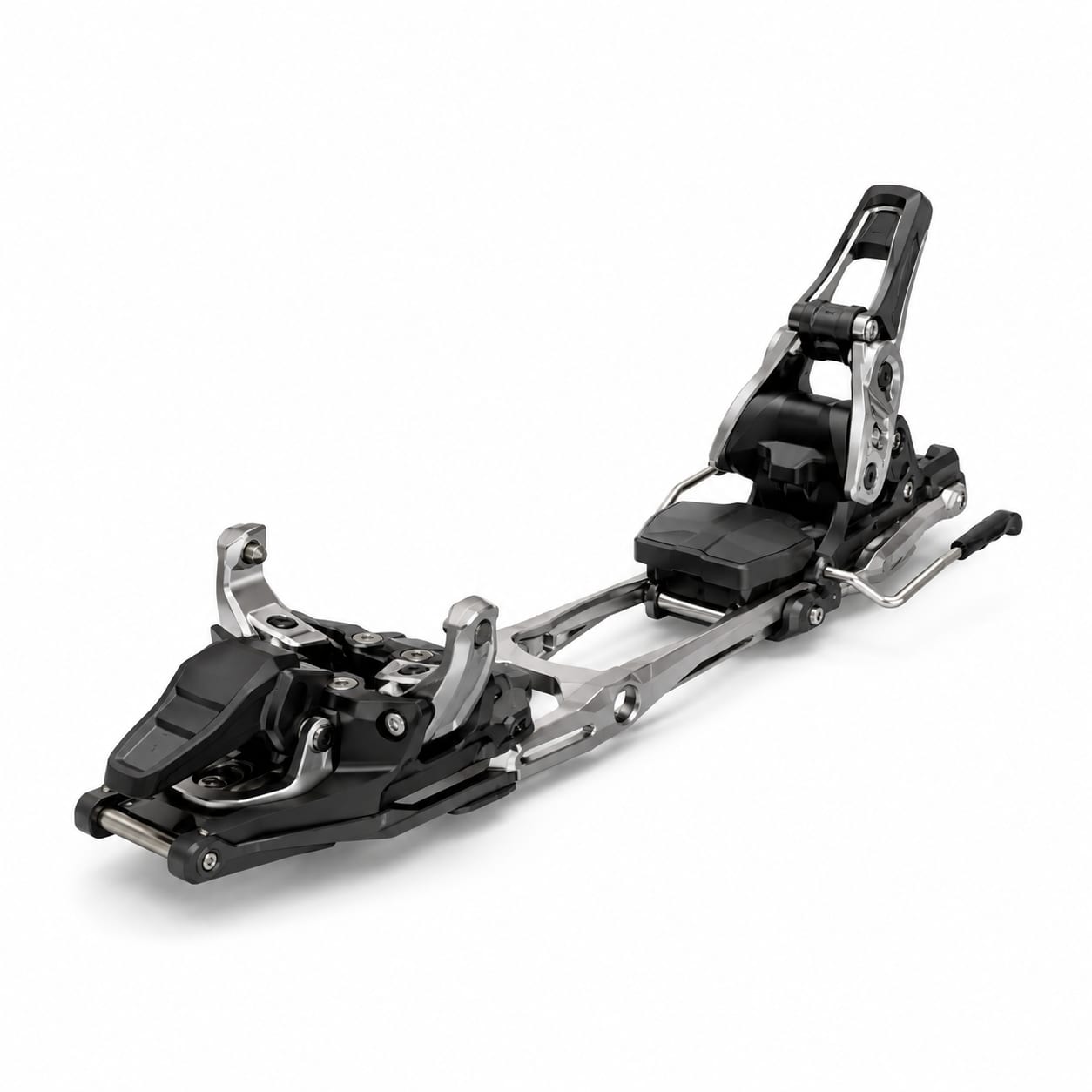
Alpine Touring Frame Bindings
$200 – $550
Hybrid ski bindings with a hinged frame that allows heel-free touring and locked-down downhill skiing.
Hinged frame mechanismHeel lift for touringLocks down for alpine skiing
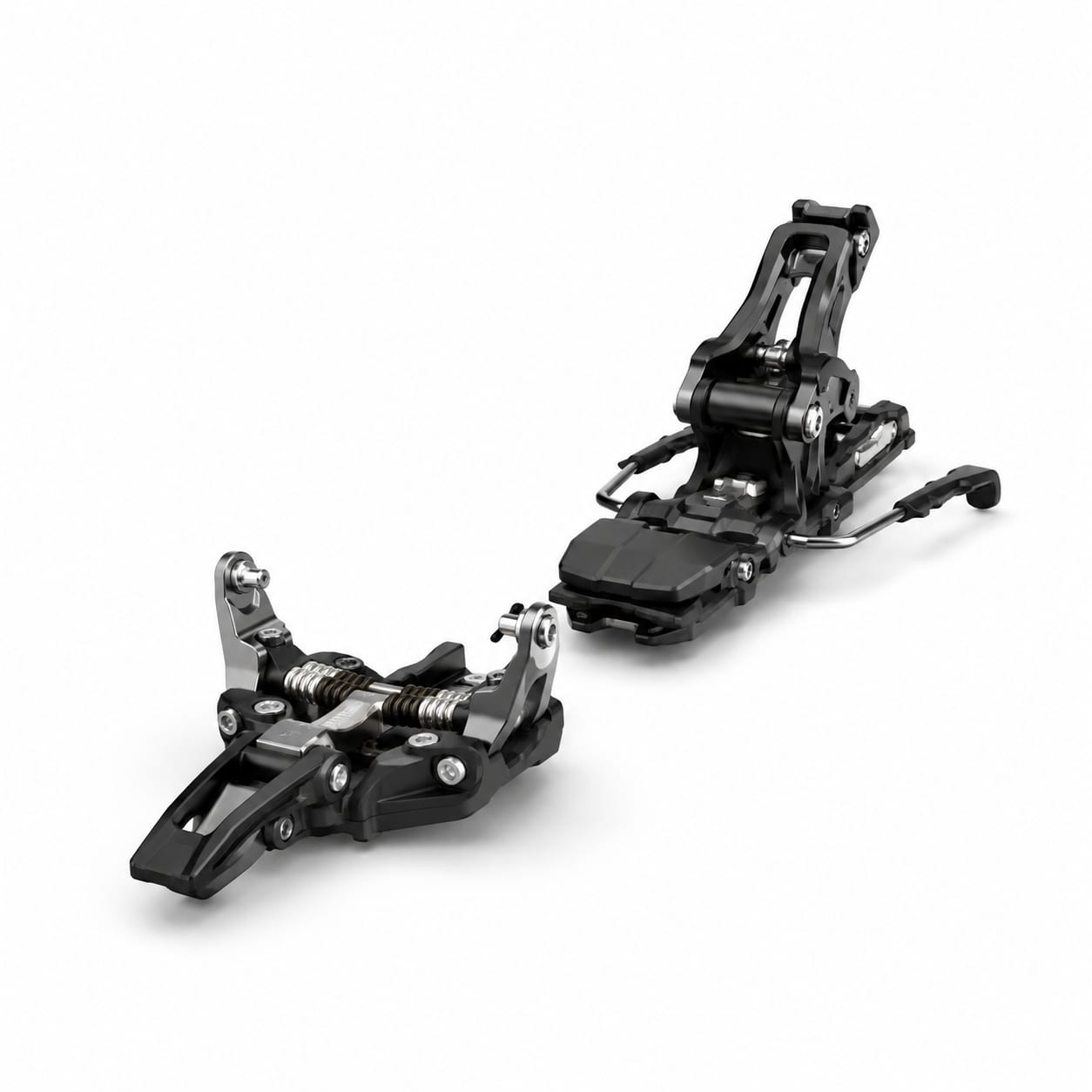
Tech/Pin Bindings
$300 – $900
Lightweight touring bindings using pin-clamping toe pieces for efficient uphill travel and backcountry skiing.
Pin-clamping toe pieceTech-compatible boot requiredRotating heel piece
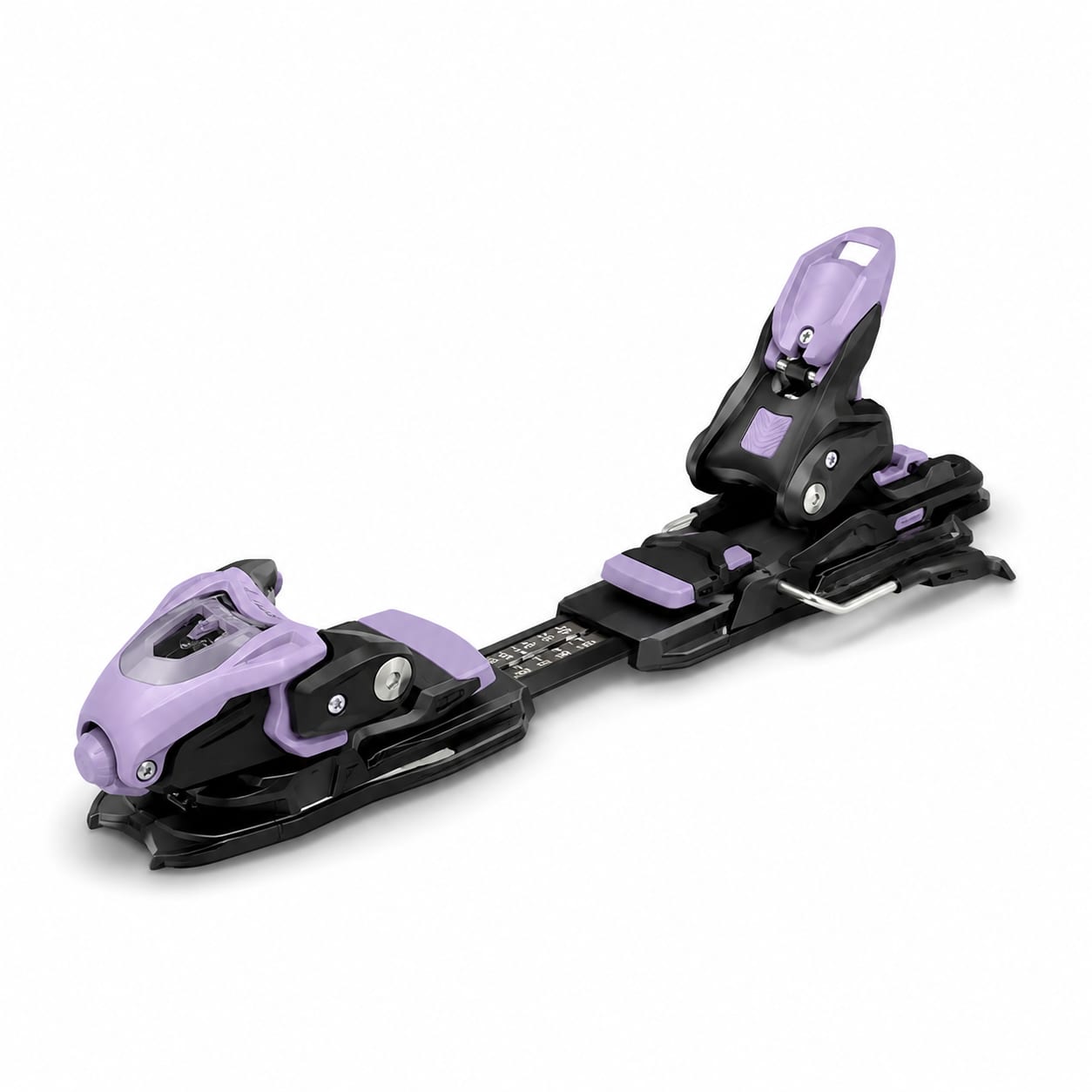
Junior/Kids Ski Bindings
$50 – $200
Lower-DIN alpine ski bindings designed for children with appropriate release values for lighter skiers.
Low DIN rangeChild-appropriate release valuesLightweight construction
More questions
- Can I use alpine bindings with any soft boots?
- Are alpine bindings only for racing?
- How much forward lean should I use on alpine bindings?
- Will alpine bindings make me a better rider?